Published: February 18, 2025
Executive Summary: Red mud (bauxite residue) is one of the most pressing environmental challenges in the aluminium industry. At Liming Heavy Industry, we have developed a dedicated grinding solution that transforms this hazardous waste into a valuable secondary resource. This article provides an overview of red mud recovery using our grinding mills, with emphasis on the LM vertical roller mill, which integrates drying, grinding, powder selection and conveying in one unit. The system can process red mud with a moisture content of up to 30%, delivers a capacity of 10–400 t/h, accepts feed sizes of 30–55 mm, and produces powders with fineness adjustable between 613 μm and 44 μm. The same line also guarantees lower energy consumption and full dust collection. A sample process flow is described, together with the selection of alternative mills such as the MTW European type trapezium mill and Raymond mill. Finally, five frequently asked questions are answered.
1. Introduction: The Red Mud Challenge
Red mud, also known as bauxite residue, is an alkaline sludge left over after the Bayer process extracts alumina from bauxite ore. For every tonne of alumina produced, approximately 1.5 to 2 tonnes of red mud are generated. Global accumulated stockpiles now exceed 4 billion tonnes, and each year around 150 million tonnes are newly produced. Traditional disposal methods such as lagooning and dry stacking occupy vast areas of arable land, create dust and leakage hazards, and threaten groundwater quality. This is why red mud recovery has become a strategic focus for both alumina producers and environmental regulators.
Red mud contains iron oxides, aluminium oxides, titanium dioxide, rare earth elements, and other valuable minerals. With the right mechanical treatment, the pozzolanic activity of red mud can be greatly enhanced, allowing it to be reused in cement, construction material, brick making, and metal recovery. The key to unlocking this potential lies in efficient drying and grinding technology.
2. Why Grinding Mills Are Essential for Red Mud Recovery
Dried red mud tends to form agglomerates that must be finely ground to expose new surfaces for chemical reaction. In metal recovery, fine grinding increases the leaching efficiency of iron, titanium and rare earth elements. In construction applications, the fineness and particle size distribution of red mud powder directly influence the strength of cement composites. A grinding mill is therefore the heart of any red mud recovery line.
Conventional ball mills are often heavy and energy-intensive. In contrast, modern vertical roller mills and trapezium mills offer much better drying capacity and lower power consumption. Because raw red mud contains about 25–30% water even after filter pressing, the grinding system must be able to evaporate this moisture while continuously pulverizing the material. The integrated drying and grinding design of the LM vertical roller mill makes it particularly suitable for such a task.
3. Recommended Equipment for Red Mud Grinding
3.1 LM Vertical Roller Mill
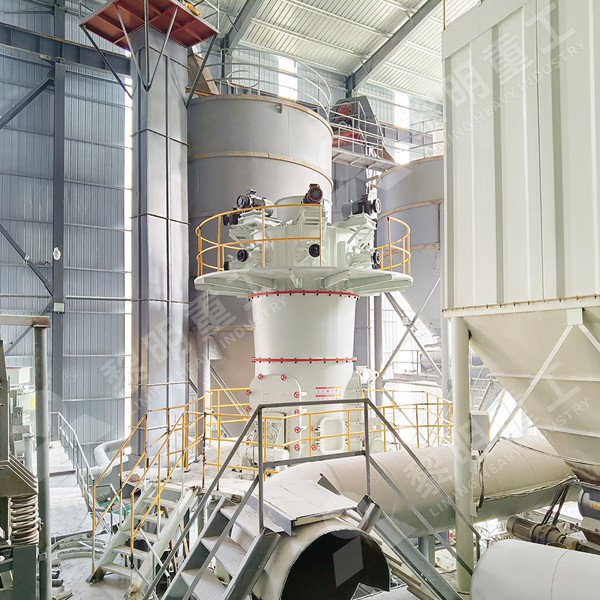
The LM vertical roller mill is our flagship solution for large-scale red mud recovery projects. It adopts a new milling device and automatic electric control system, integrating drying, grinding, powder selection and conveying all into one machine. This design eliminates the need for separate dryers and conveyors, thereby reducing the plant footprint and capital cost.
- Capacity: 10–400 t/h
- Input size: 30–55 mm
- Fineness: adjustable in the range of 613 μm to 44 μm
- Drying capability: suitable for materials with initial moisture content up to 30%
- Applications: non-metallic minerals, coal, slag, and especially industrial wastes like red mud
Hot air from a furnace or waste heat source enters the mill and simultaneously dries the red mud inside the grinding zone. As the grinding table rotates, the material moves toward the grinding rollers, is crushed and ground, and then is carried upward by the hot air flow. A high-efficiency classifier selects fine particles that meet the product specification, while coarse particles fall back for regrinding. This closed-circuit system fully complies with environmental protection requirements.
3.2 MTW European Type Trapezium Mill
For smaller projects with moderate capacity requirements, the MTW European type trapezium mill is an excellent alternative. It is the upgrade of the traditional Raymond mill and pendulum mill, incorporating patented technology that improves productivity and energy efficiency.
- Capacity: 3–55 t/h
- Input size: 30–50 mm
- Typical applications: limestone desulfurization, heavy calcium carbonate, non-metallic mineral powder, solid fuel grinding, and red mud processing after pre-drying
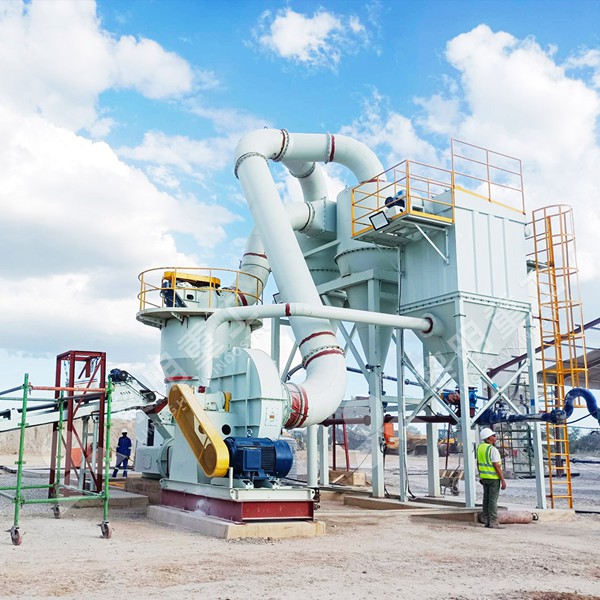
The MTW mill operates on the same principle of grinding between ring and rollers. The system is equipped with a jaw crusher, vibrating feeder, dust collector, blower and powder collector, all arranged as a complete and fully closed line. For red mud recovery plants that already have a dryer or a filter press providing low-moisture cake, the MTW mill can be directly installed as the final grinding unit.
3.3 Other Grinding Options
In addition to the LM and MTW mills, our Raymond mill is a proven solution for red mud fineness ranging from 613 μm to 44 μm, with a smaller capacity of 1.2–4.5 t/h. For fine powder below 325 mesh, the MW micro powder mill can produce particles as fine as 3250 mesh (d97 ≤ 5 μm), which is beneficial for ultra-fine red mud powder used in advanced ceramic and composite materials. The ball mill, with a capacity of 0.65–50 t/h, remains a robust choice for plants that prefer a conventional horizontal rotating mill.
4. Complete Red Mud Grinding and Recovery Process Flow
To help project owners plan their investment, the following typical process flow can be used for a red mud recovery line based on the LM vertical roller mill:
- Raw red mud cakes from the alumina plant are partially dried in a stockpile or forced-air pre-dryer until the feed moisture is reduced to a manageable level and lump size is below 55 mm.
- A vibrating feeder conveys the material into the LM vertical mill at a controlled rate. The mill’s hot air system provides a steady drying temperature.
- Inside the mill, the moving grinding rollers crush the red mud against the rotating table. The material is simultaneously dried under the hot air flow.
- Fine particles are lifted upward and pass through a dynamic separator. Particles that do not meet the fineness target are returned to the grinding zone for further size reduction.
- The finished red mud powder is collected by a pulse-jet dust collector. The clean air is recycled through the closed-circuit system, making the whole process practically dust-free.
- The collected powder can then be sent to a reclaiming system for iron recovery, cement blending, or manufacturing of building materials.
5. Environmental and Economic Benefits
Using a high-performance red mud grinding mill brings measurable benefits to both operators and the environment. First, it reduces the volume of stockpiled waste by converting red mud into a marketable product. Second, the high specific surface area of the ground powder increases the recovery rate of valuable metals in downstream hydrometallurgical processes. Third, the final powder can replace natural clay or limestone in cement production, reducing CO₂ emissions associated with conventional raw material mining and processing.
At Liming Heavy Industry, all our mills are equipped with pulse precipitators and closed-circulation systems that prevent dust emission. The automatic control system optimizes the grinding process in real time, minimizing energy waste. Compared to traditional separate drying and ball-milling lines, the integrated LM vertical mill can lower power consumption by up to 30%, which is directly reflected in reduced operating costs.
6. Conclusion
Red mud no longer has to be an environmental burden. With modern grinding technology, particularly the LM vertical roller mill, it can be turned into a valuable raw material for various industries. Whether the target capacity is 10 t/h or 400 t/h, Liming Heavy Industry has the right grinding solution to fit the project. Our engineering team can also design a complete red mud recovery system, including crushers, dryers, conveyors, and dust collectors, based on site-specific conditions.
For more detailed technical parameters and plant layout suggestions, contact our team or request a sample test using your red mud materials. We will provide the most cost-effective and eco-friendly grinding solution for your recovery project.
Frequently Asked Questions
Q1: Can the LM vertical mill handle wet red mud directly?
A1: Yes. The LM vertical roller mill integrates drying inside the grinding chamber. It can handle feed material with a moisture content of up to 30%. For red mud with higher moisture, a simple pre-dryer might be recommended before the mill.
Q2: What final fineness can be achieved for red mud powder?
A2: For red mud recovery, the most common fineness is between 613 μm and 44 μm (roughly 30 to 325 mesh). If ultra-fine powder is needed, our MW micro powder mill can grind red mud to d97 ≤ 5 μm or 325–3250 mesh.
Q3: Which mill is appropriate for a small red mud recovery plant?
A3: For capacities from 1 to 5 t/h, our Raymond mill or MTW European type trapezium mill are the most suitable choices. They are low initial cost, compact, and still equipped with pulse dust collectors to meet environmental standards.
Q4: Does Liming provide a whole red mud grinding system, or only the mill?
A4: We provide both individual mills and complete turnkey systems. The full system includes a jaw crusher, vibrating feeder, hopper, hot air furnace, grinding mill, classifier, blower, dust collector, piping, powder collector and electric control cabinet.
Q5: Is the grinding process safe for the environment?
A5: Absolutely. Our mills operate in a closed-loop air system. A pulse-jet dust collector captures all fine particles, and the working area is nearly dust-free. Moreover, the low-temperature hot air used for drying does not produce hazardous emissions, which is fully compliant with national environmental protection standards.


