Published: June 10, 2025
Fly ash is a fine powder produced by coal-fired power plants, and when properly ground and classified, it becomes a high-performance supplementary cementitious material for concrete. For concrete producers and grinding plant operators, selecting the right fly ash grinding mill is one of the most important decisions because it affects finished powder fineness, energy consumption, production capacity, and the final strength of concrete. Liming Heavy Industry Co., Ltd., a Chinese grinding equipment manufacturer founded in 1987, offers a comprehensive range of mills that can process fly ash for concrete, including the LM Vertical Roller Mill, MTW European Type Trapezium Mill, Raymond Mill, MW Micro Powder Mill, and Ball Mill. This article explains why fly ash grinding matters, how to choose the best mill, and what each Liming solution can do in real-world concrete production.
Why Fly Ash Grinding Matters for Concrete
Fly ash is a byproduct of coal combustion in thermal power plants. When used in concrete, it acts as a pozzolanic material. That means it reacts with calcium hydroxide produced during cement hydration to form additional cementitious compounds. This reaction improves the long-term strength of concrete and makes the material denser and more durable. But raw fly ash is not always ready for concrete use. It can be too coarse, contain irregular particles, or have variable fineness depending on the power plant and coal source.
Grinding fly ash solves these problems. By reducing particle size and increasing specific surface area, grinding unlocks more of the pozzolanic reactivity. In concrete, well-ground fly ash improves workability, reduces the heat of hydration, lowers permeability, and helps the concrete resist chemical attack. For this reason, a high-performance fly ash grinding mill for concrete is not a luxury. It is a practical requirement for producing consistent, high-quality concrete in both ready-mix and precast operations.
Key Features to Look for in a Fly Ash Grinding Mill
Let me be honest with you: not every fly ash grinding mill is the same. Some mills are better at drying wet fly ash, while others are more efficient at producing ultra-fine powder. Before choosing a mill, you need to consider the following features.
- Drying capacity: fly ash can have moisture from wet collection systems or outside storage, so the mill must be able to handle and remove moisture efficiently.
- Fineness adjustment: concrete-grade fly ash usually needs stable fineness, often similar to cement. A good mill should allow easy adjustment of the separator and grinding parameters.
- Energy efficiency: grinding consumes power, and energy cost is one of the largest operating expenses in a fly ash processing plant.
- Environmental protection: a closed operating system with a dust collector is necessary to meet modern environmental standards.
- Wear resistance: fly ash is abrasive, so wear-resistant parts and reliable engineering matter over the life of the mill.
Liming Heavy Industry Fly Ash Grinding Solutions
Liming Heavy Industry Co., Ltd. was founded in 1987 and has since become one of China's leading manufacturers of large and medium-sized crushing and grinding equipment. The company is a modern joint-stock corporation that combines research, manufacturing, and sales. Its headquarter is located in the HI-TECH Industry Development Zone of Zhengzhou, covering 80,000 square meters, and another workshop in Shangjie Industry Park covers 67,000 square meters. Over the past 30 years, Liming has grown into a recognized name in both domestic and overseas machinery manufacturing. Here are the company's main fly ash grinding mill options.
LM Vertical Roller Mill
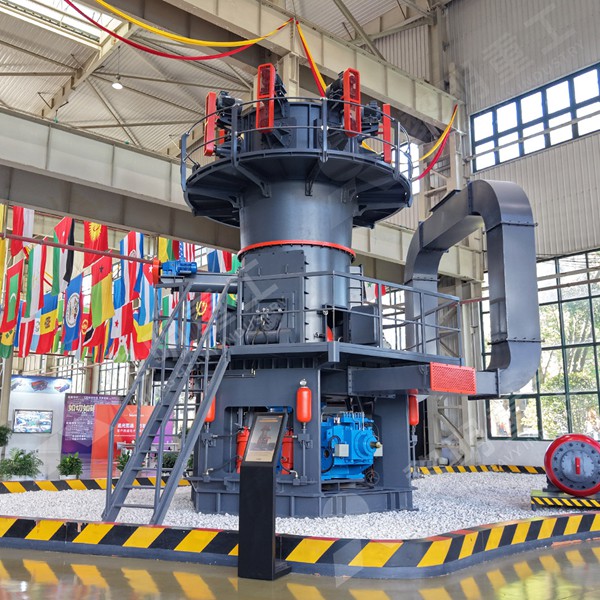
The LM Vertical Roller Mill is one of the most powerful solutions for fly ash grinding. It adopts a new milling device and an automatic electric control system, integrating drying, grinding, powder selection, and conveying in one unit. With a capacity of 10-400 T/H and an input size of 30-55 mm, the LM vertical mill is well suited for large-scale fly ash processing plants. It is especially effective in the cement, electricity, metallurgy, chemical, and non-metallic mineral industries. For fly ash used in concrete, the LM mill can dry and grind in a single process, which simplifies the plant layout and reduces material handling.
MTW European Type Trapezium Mill
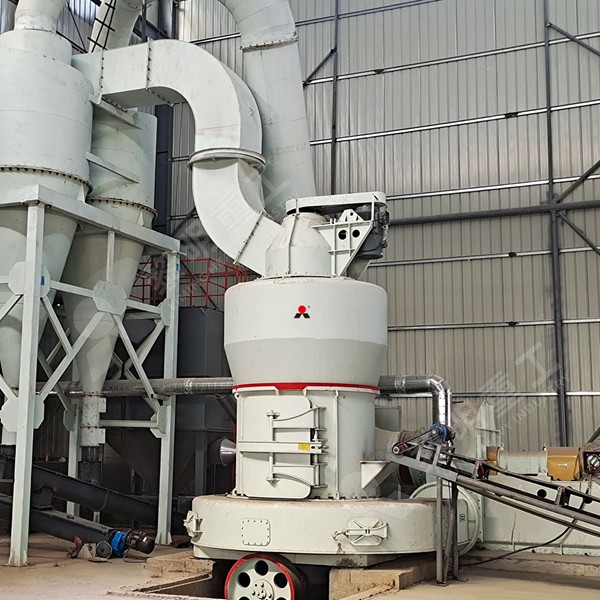
The MTW European Type Trapezium Mill is the upgrade product of the traditional Raymond mill and pendulum mill. It has patented technology, stable performance, high productivity, and a design focused on environmental protection and energy saving. The capacity is 3-55 T/H, and the input size is 30-50 mm. In the working process, large materials are first crushed by a jaw crusher, then fed evenly by a variable-frequency belt feeder. Inside the mill, the material is ground between the grinding ring and rollers. Fine particles are carried upward by airflow, while coarse particles fall back for another cycle. The system uses a pulse dust collector and a closed-loop airflow circuit, which makes it a strong choice for concrete producers who need clean, reliable powder making.
Raymond Mill
Raymond Mill has been a workhorse in mineral grinding for decades. It is widely used in metallurgy, building materials, chemicals, and mining. The mill is suitable for processing non-flammable and non-explosive materials with a Mohs hardness below 7 and humidity below 6%. For fly ash, this is normally not a problem. The output fineness range is between 613 μm and 44 μm, which covers many concrete powder requirements. With a capacity of 1.2-4.5 T/H and an input size of 15-25 mm, the Raymond mill is a practical option for smaller fly ash grinding plants or for producers who need a simple and low-maintenance system.
MW Micro Powder Mill
For plant owners who want ultra-fine fly ash, the MW Micro Powder Mill is the most interesting option. This medium speed micro-grinding mill absorbs advanced Swedish grinding technology and is good at superfine powder processing. The finished product can reach d97 ≤ 5 μm, and the fineness is adjustable between 325 mesh and 3250 mesh. Its capacity is 0.5-25 T/H, and the input size is 10-20 mm. The mill is also equipped with a pulse precipitator, making production greener and more environmentally friendly. Ultra-fine fly ash produced by this mill can improve the microstructure of high-performance concrete and allow a higher replacement ratio of cement, which is valuable in low-carbon concrete projects.
Ball Mill
The Ball Mill is the classic grinding system used in many industries. It is key equipment for grinding after materials have been crushed. It can grind all kinds of ores and other materials, and it is widely used in beneficiation, construction, and chemical industries. For fly ash concrete plants, the ball mill can be used to grind fly ash separately or to co-grind fly ash with cement clinker and other additives. The capacity is 0.65-50 T/H, and the input size is up to 25 mm. In the ball mill, materials enter the grinding chamber through a quill shaft and are impacted by steel balls rotating with the barrel. Ladder liners and ripple liners help control the grinding action. Although the ball mill is not always the most energy-efficient choice compared with a vertical roller mill, it remains a flexible and proven solution in many grinding circuits.
How to Choose the Right Fly Ash Grinding Mill for Concrete
So which mill should you select? The answer depends on your raw material, your target fineness, and the scale of your operation. The table below is a starting point for comparing Liming's fly ash grinding mills.
| Mill Type | Capacity | Input Size | Best For |
|---|---|---|---|
| LM Vertical Roller Mill | 10-400 T/H | 30-55 mm | Large-scale fly ash grinding and drying |
| MTW European Type Trapezium Mill | 3-55 T/H | 30-50 mm | Medium capacity, fine powder, closed-circuit operation |
| Raymond Mill | 1.2-4.5 T/H | 15-25 mm | Small plants, conventional concrete powder |
| MW Micro Powder Mill | 0.5-25 T/H | 10-20 mm | Ultra-fine fly ash for high-performance concrete |
| Ball Mill | 0.65-50 T/H | ≤ 25 mm | Co-grinding fly ash with cement or other materials |
Practical Selection Tips
- If your raw fly ash has high moisture, choose a mill with integrated drying capability such as the LM Vertical Roller Mill.
- If you need ultra-fine particles for high-performance concrete, the MW Micro Powder Mill should be your first choice.
- If you already operate a cement plant and want to co-process fly ash with clinker, a Ball Mill may fit better into the existing process.
- If you are starting a small fly ash grinding business with limited capacity, the Raymond Mill is reliable and easy to operate.
- If environmental protection is a top priority, choose a closed-loop system with pulse dust collectors and optional desulfurization-friendly configurations.
Environmental and Energy Performance
Modern fly ash grinding is not only about producing fine powder. It is also about producing it responsibly. Liming mills can be configured with pulse dust collectors, variable-frequency drives, and air circulation systems that reduce dust emission and energy waste. The MTW mill, for example, operates in a closed system in which air from the separator returns to the blower for recycling. This reduces the amount of air exhausted and makes the grinding process cleaner. Many Liming grinding systems comply with national environmental protection standards, which is important for concrete producers who want to sell sustainable products.
Conclusion
Fly ash grinding for concrete is not a one-size-fits-all process. The right mill depends on your production target, raw material characteristics, available energy, and local environmental requirements. Liming Heavy Industry offers a full range of grinding equipment, from the high-capacity LM Vertical Roller Mill to the ultra-fine MW Micro Powder Mill. With more than 30 years of manufacturing experience and strong research and development support, Liming can help you design a fly ash grinding system that produces consistent, high-quality concrete powder. If you are planning a new plant or upgrading an existing line, the most important step is to test your fly ash and clearly define the fineness you need. Then you can select the mill that will perform best for your project.
Frequently Asked Questions
1. What is the best fly ash grinding mill for concrete production?
For most concrete-grade applications, the LM Vertical Roller Mill and MTW European Type Trapezium Mill are preferred because they provide stable fineness, high efficiency, and reliable drying. For smaller plants, the Raymond Mill can also work well.
2. Can fly ash be ground into ultra-fine powder for high-performance concrete?
Yes. The MW Micro Powder Mill can produce ultra-fine fly ash with fineness up to 3250 mesh and d97 ≤ 5 μm, which is suitable for high-performance concrete and higher cement replacement rates.
3. Is fly ash grinding environmentally friendly?
Yes, when the mill is equipped with a pulse dust collector and a closed airflow system. Liming's MTW and LM mills can operate with very low dust emission and meet national environmental standards.
4. What feed size do Liming fly ash mills accept?
Depending on the model, the acceptable feed size ranges from 10-55 mm. Oversized material should be crushed and screened before feeding into the mill.
5. Which is more energy-efficient for fly ash: vertical roller mill or ball mill?
In most cases, the vertical roller mill is more energy-efficient because it combines drying, grinding, and classifying in one unit. The ball mill is simpler and more flexible, but it usually consumes more energy per ton of product.


