Published: March 18, 2025
Slag grinding mills are essential equipment in modern cement manufacturing, enabling the use of granulated blast furnace slag (GBFS) as a valuable cement additive. By grinding slag into fine powder, producers can improve cement durability, reduce clinker factor, and lower carbon emissions. Liming Heavy Industry Co., Ltd., founded in 1987, supplies a complete range of grinding solutions for this purpose, including the LM Vertical Roller Mill, MTW European Type Trapezium Mill, Raymond Mill, MW Micro Powder Mill, and Ball Mill. For slag grinding in cement additive applications, the LM Vertical Roller Mill stands out due to its integrated drying, grinding, conveying, and high-efficiency classification, with capacities from 10 to 400 T/H and input sizes of 30–55 mm. This article provides a professional overview of slag grinding mill selection, working principles, and application advantages based on Liming Heavy Industry’s proven technology.
The Role of Slag in Cement Production
Ground granulated blast furnace slag (GGBS) is a by-product from iron-making plants. When rapidly quenched and finely ground, slag exhibits latent hydraulic properties. It reacts with calcium hydroxide in cement to form additional calcium silicate hydrate, the main compound responsible for concrete strength and durability. Using slag as a cement additive reduces the amount of ordinary Portland cement clinker required, thereby lowering energy consumption and greenhouse gas emissions. The global cement industry increasingly relies on slag grinding mills to produce high-quality composite cement that meets both performance and sustainability targets.
Key Challenges in Slag Grinding
Slag is inherently harder and more abrasive than most cement raw materials. It also contains moisture from the granulation process, which can exceed 10% depending on storage conditions. Effective slag grinding must address four major challenges:
- Abrasiveness: Slag particles cause wear on grinding rollers, tables, and liners, requiring robust construction and wear-resistant materials.
- Fineness: Cement additives require a specific particle size distribution, typically with a Blaine surface area of 4000–5000 cm²/g, to ensure optimal reactivity.
- Moisture: The mill must efficiently evaporate surface moisture while maintaining stable grinding conditions.
- Energy efficiency: Slag grinding consumes significant electrical energy; therefore, the mill design must minimize power consumption per ton of finished product.
Liming Heavy Industry’s Slag Grinding Solutions
With 30 years of manufacturing experience, Liming Heavy Industry offers a diversified product portfolio tailored to slag processing and cement additive production. Each mill type addresses different capacity, fineness, and material parameters.
LM Vertical Roller Mill
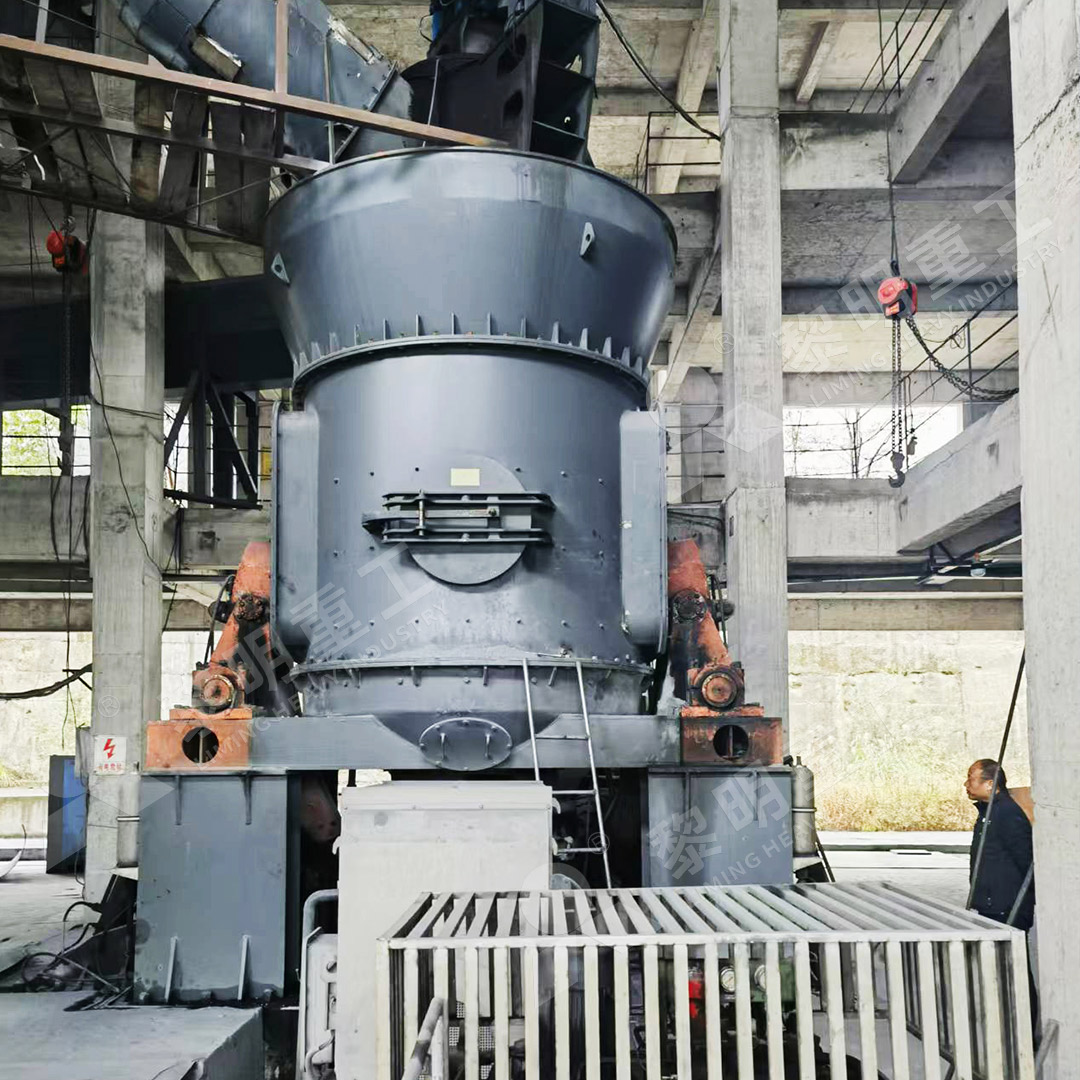
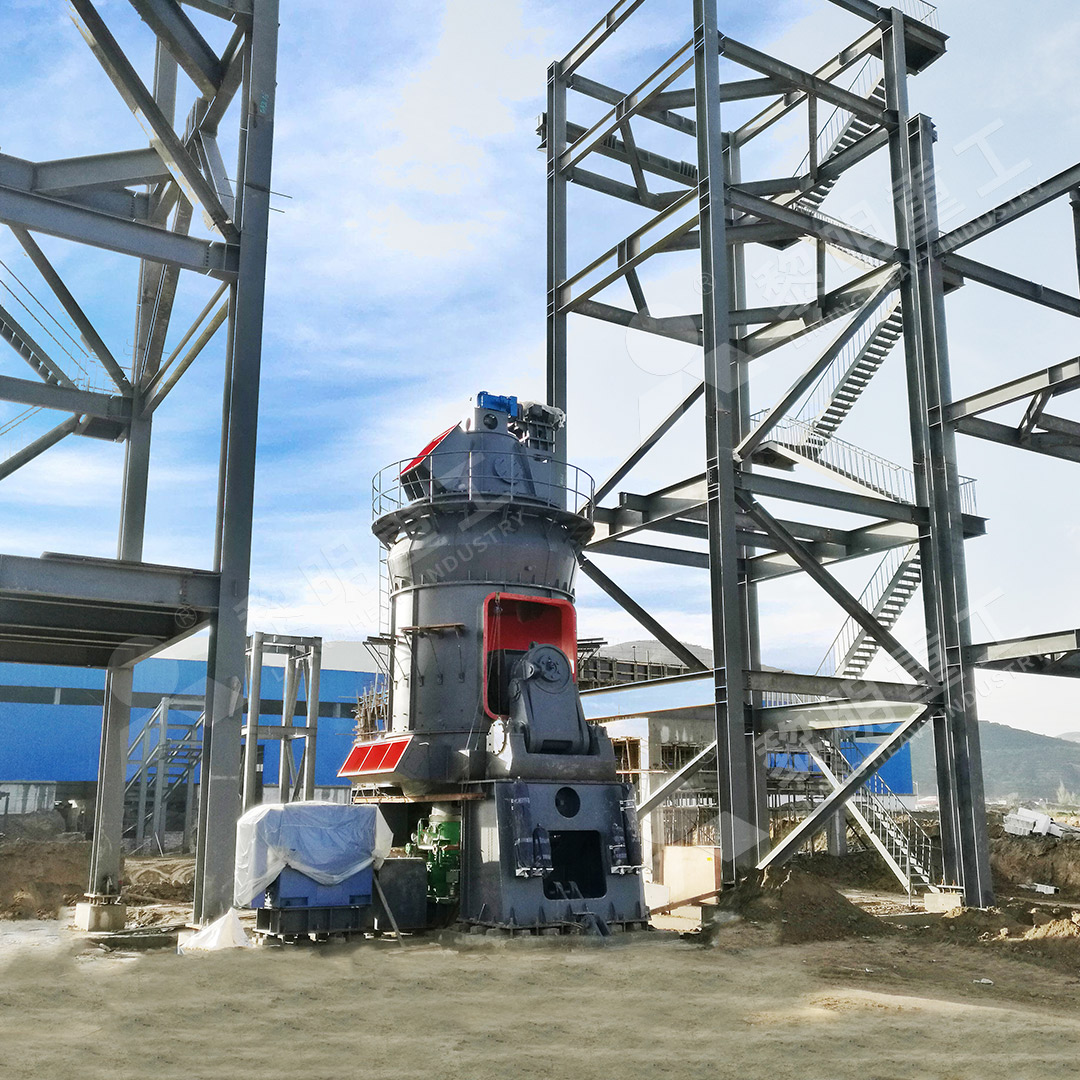
The LM Vertical Roller Mill is the preferred choice for large-scale slag grinding. It integrates drying, grinding, powder selection, and material conveying into one system. The grinding roller and table are designed to withstand high-pressure compaction and severe abrasion. Hot air entering the mill simultaneously dries the slag and transports the fine powder to the classifier. This mill is particularly suitable for the cement, electricity, metallurgy, chemical, and non-metallic mineral industries, with a special focus on slag grinding. Its capacity ranges from 10 to 400 T/H, and the input size can be up to 30–55 mm. The automatic electric control system ensures stable operation and consistent product fineness. For cement additive production, the LM vertical mill can produce slag powder with uniform particle size distribution and high specific surface area, making it an ideal core unit in a GGBS production line.
MTW European Type Trapezium Mill
The MTW European Type Trapezium Mill is an upgrade of the traditional Raymond mill and pendulum mill. It features patented technology, stable performance, high productivity, and environmentally friendly operation. With a capacity of 3–55 T/H and an input size of 30–50 mm, the MTW mill is well suited for medium-scale slag powder production. The system consists of a grinding mill, separator, air blower, jaw crusher, vibrating feeder, hopper, dust collector, and powder collector. Materials are crushed to the required size, then fed evenly and continuously through a variable-frequency belt feeder. The closed-system airflow, combined with a pulse dust collector, meets national environmental protection standards. This mill is especially effective for limestone desulfurization, heavy calcium carbonate processing, and non-metallic mineral powder making, but it also performs reliably when grinding slag as a cement additive.
Raymond Mill
The Raymond Mill is a classic grinding machine widely used in metallurgy, building materials, chemicals, and mining. It is suitable for processing non-flammable and non-explosive materials with a Mohs hardness below 7 and humidity under 6%. For slag grinding applications, the Raymond Mill produces a finished fineness between 613μm and 44μm, which can be adjusted to meet different user requirements. Its capacity of 1.2–4.5 T/H makes it suitable for small-scale operations or pilot plants. While it may not match the throughput of the LM vertical mill, the Raymond Mill remains a cost-effective solution for producers with modest capacity needs.
MW Micro Powder Mill
When a finer slag powder is required, the MW Micro Powder Mill provides advanced grinding technology based on Swedish engineering principles. This medium-speed micro-grinding mill can achieve a finished product of d97 ≤ 5μm, with fineness adjustable between 325 and 3250 mesh. The MW mill has a capacity of 0.5–25 T/H and an input size of 10–20 mm. It is equipped with a pulse precipitator, ensuring clean and environmentally friendly production. The working principle involves a reducer driving the main shaft and turnplates, which rotate dozens of rollers against the raceway of a ring. Material is crushed by a hammer crusher, elevated into a hopper, then fed uniformly onto the upper turnplate. Under centrifugal force, the material falls to the raceway and is ground into superfine powder. This mill is particularly valuable for producing highly reactive slag powder for high-performance cement applications.
Ball Mill
The Ball Mill is a conventional but still widely used grinding plant in the cement industry. It is key equipment for milling materials after primary crushing. The ball mill can grind all kinds of ores and other materials, making it applicable to cement, coal, power plant desulfurization, metallurgy, chemical industry, non-metallic minerals, and construction materials. With a capacity of 0.65–50 T/H and an input size of no more than 25 mm, it can be configured for both open-circuit and closed-circuit grinding. In slag cement additive production, the ball mill can be used together with a classifier to achieve the desired fineness. The horizontal rotating device is driven by an outer gear, and materials enter the grinding chamber through a quill shaft. Ladder liners, ripple liners, and steel balls of different specifications grind the slag by impact and attrition. Although the energy efficiency of a ball mill is lower than that of a vertical roller mill, it remains a reliable and flexible option for many existing plants.
Selection Criteria for Slag Grinding Mills
Choosing the right slag grinding mill requires careful consideration of raw material properties, desired capacity, final fineness, moisture content, available plant space, and energy cost. For large-scale, high-efficiency slag grinding, the LM Vertical Roller Mill is overwhelmingly superior because it combines drying and grinding in one unit, reduces footprint, and significantly lowers power consumption. For medium-capacity plants that already use Raymond or pendulum mills, upgrading to the MTW European Type Trapezium Mill offers a good balance between performance and investment. For superfine slag powder or niche cement products, the MW Micro Powder Mill delivers exceptionally high fineness. Conversely, plants that prefer conventional technology or require flexible grinding of multiple materials may continue using a Ball Mill, especially in combination with a dynamic separator.
Environmental and Operational Advantages
Modern slag grinding mills from Liming Heavy Industry are designed with sustainability in mind. Closed-circuit pneumatic conveying systems minimize dust leakage, while pulse-jet dust collectors capture fine particles before they can escape into the atmosphere. The automatic electric control systems optimize operating parameters in real time, reducing energy waste and ensuring consistent quality. Furthermore, the use of slag as a cement additive lowers the clinker factor in cement, directly reducing CO₂ emissions. A well-performing slag grinding mill not only improves the economic value of steel industry by-products but also supports the global transition toward low-carbon construction materials.
Conclusion
Slag grinding mills are indispensable for producing cement additives that enhance both concrete performance and environmental sustainability. Liming Heavy Industry Co., Ltd., with its extensive research and manufacturing experience, offers a comprehensive range of grinding equipment suited to every scale and requirement. For high-capacity and energy-efficient operations, the LM Vertical Roller Mill is the premier solution. The MTW European Type Trapezium Mill, Raymond Mill, MW Micro Powder Mill, and Ball Mill further expand the possibilities, ensuring that every cement producer can find the right match for their slag grinding needs. By selecting the appropriate technology and leveraging Liming’s mature scientific research team, manufacturers can achieve superior product fineness, stable operation, and meaningful reductions in energy consumption and carbon footprint.
Frequently Asked Questions (FAQ)
1. Which mill is most recommended for grinding slag as a cement additive?
For most industrial-scale slag cement additive projects, the LM Vertical Roller Mill is the most recommended solution. It integrates drying, grinding, and classification in one unit, handles capacities from 10 to 400 T/H, and produces consistent, high-quality slag powder with lower energy consumption than conventional mills.
2. Can a ball mill be used for slag grinding?
Yes, a ball mill can be used for slag grinding, especially in smaller plants or in existing facilities that prefer conventional technology. The ball mill is reliable and flexible, with a capacity range of 0.65–50 T/H. However, the energy efficiency and fineness control of a vertical roller mill are generally superior for slag applications.
3. What fineness can be achieved with Liming slag grinding mills?
Fineness depends on the equipment selected. The LM Vertical Roller Mill can produce fineness suitable for common cement additive standards, such as 4000–5000 Blaine. The MW Micro Powder Mill can achieve ultra-fine products of d97 ≤ 5μm, equivalent to 325–3250 mesh. The Raymond Mill produces fineness between 613 μm and 44 μm.
4. How does a slag grinding mill control dust emissions?
Liming grinding mills are equipped with advanced pulse dust collectors and operate in a closed-circuit airflow system. The air flow that passes through the separator goes back to the air blower for recycling, and fine dust is captured by the pulse-jet filter. This system complies with national environmental protection standards.
5. What is the capacity range for Liming slag grinding equipment?
The total capacity range across Liming’s grinding equipment portfolio is very wide. The MW Micro Powder Mill starts at 0.5 T/H, the Raymond Mill covers 1.2–4.5 T/H, the MTW European Type Trapezium Mill offers 3–55 T/H, the Ball Mill ranges from 0.65 to 50 T/H, and the LM Vertical Roller Mill provides 10–400 T/H. Producers can select the appropriate model based on their production targets.


