Summary: A cement clinker grinding mill is the heart of every cement plant. It transforms cooled clinker from the rotary kiln, together with gypsum and other additives, into the fine powder called Portland cement. Liming Heavy Industry Co., Ltd., founded in 1987, supplies a complete range of grinding machinery for this final production stage. The portfolio includes the high-capacity LM vertical roller mill with a capacity of 10 to 400 t/h, the MTW European type trapezium mill with 3 to 55 t/h, the reliable ball mill with 0.65 to 50 t/h, the Raymond mill with 1.2 to 4.5 t/h, and the MW micro powder mill with 0.5 to 25 t/h. Headquartered in Zhengzhou High-tech Industrial Development Zone, Liming operates an 80,000 m² main facility and a 67,000 m² workshop in Shangjie Industrial Park. With over thirty years of manufacturing experience, Liming is recognized as a leader in both domestic and overseas crushing and grinding equipment.
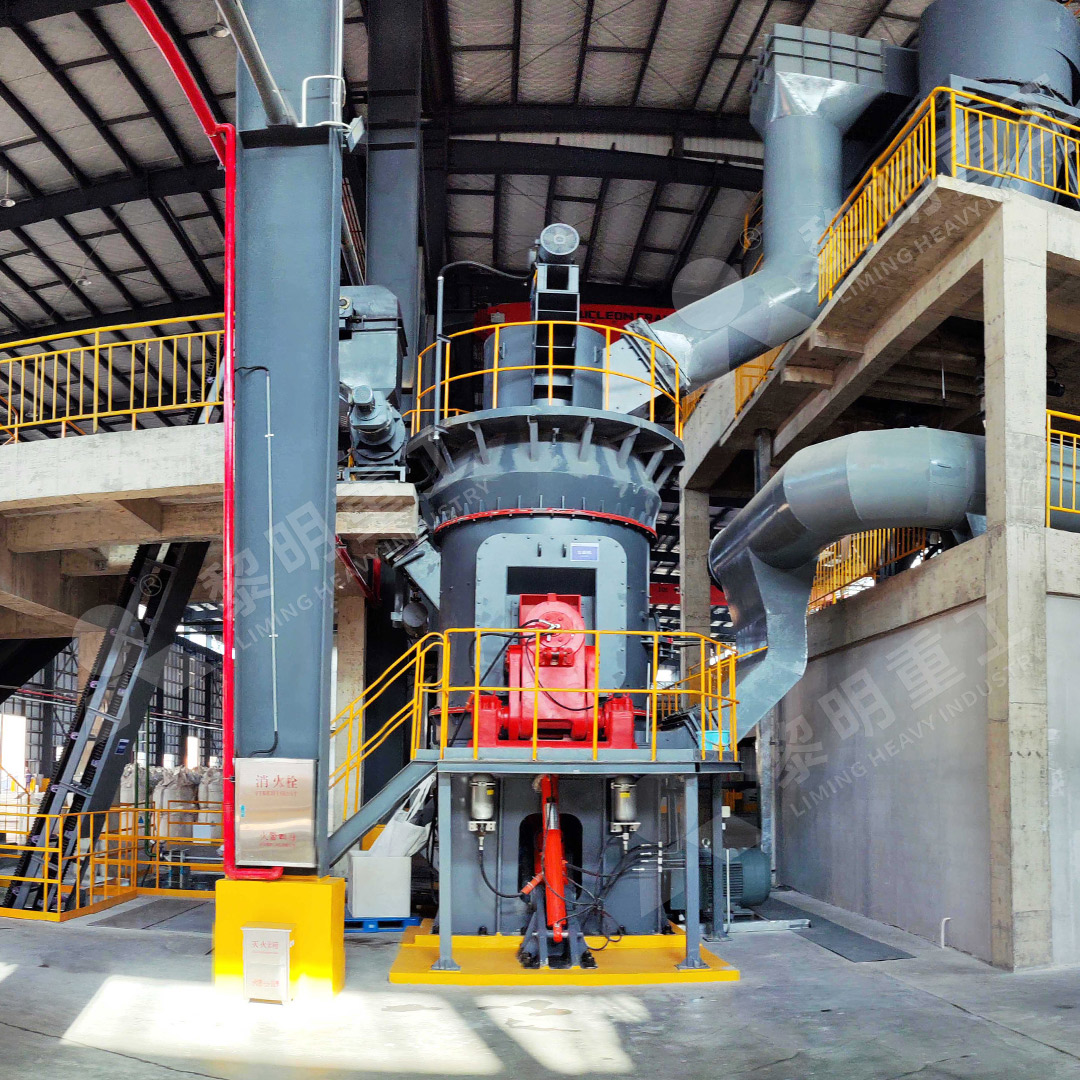
Why Cement Clinker Grinding Matters
In cement production, the grinding of clinker is the last step before the product is packed and shipped. It is also one of the most energy-intensive operations in the plant. The fineness of the finished cement, its particle size distribution, and even the amount of heat generated inside the mill all influence the final quality. A properly selected cement clinker grinding mill can reduce power consumption, improve throughput, and produce a more consistent powder. Let's break down what makes a modern clinker grinding mill different from the older designs.
How a Cement Clinker Grinding Mill Works
Different mill types use different mechanisms. A ball mill rotates a horizontal cylinder filled with steel balls; as the shell turns, the balls are lifted and then fall onto the clinker, crushing it by impact and attrition. A vertical roller mill, on the other hand, presses the material between a rotating table and a set of rollers. The material bed is ground under pressure, and hot gas or recycled air carries the fine particles upward to a classifier. Coarse particles return to the grinding table for another pass, while finished powder leaves the system and is collected in a bag filter or a pulse dust collector.
The LM vertical roller mill, for example, combines drying, grinding, powder selection and conveying in a single unit. This integration makes the process easier to automate and reduces the need for separate drying equipment. The MTW European type trapezium mill works in a similar closed-loop system: material is first crushed by a jaw crusher, then fed by a variable-frequency belt feeder, and ground between the ring and rollers. The classifier ensures that only particles fine enough to pass are collected as finished product, while the air is recycled.
Why Choose Liming Heavy Industry
Liming Heavy Industry Co., Ltd. was founded in 1987 as a modern joint-stock enterprise that combines research, manufacturing and sales. The headquarters is located in the HI-TECH Industry Development Zone of Zhengzhou, covering an area of 80,000 square meters. The additional workshop in Shangjie Industry Park covers 67,000 square meters. Over the past 30 years, the company has maintained a strategy of technology-driven development. Its scientific research team works on key technical problems and continuously improves product competitiveness. The company follows a production-learning-research model, which means every new product, including the LM vertical mill and MTW trapezium mill, is tested and refined in real industrial conditions.
From a practical point of view, this experience matters because grinding equipment is expected to run for thousands of hours without downtime. Liming's machines are designed with high wear resistance, simple maintenance access, and advanced control systems. For cement clinker grinding, customers can choose a single mill or a complete system with crusher, feeder, hopper, dust collector, air blower, and electrical cabinet.
Main Cement Clinker Grinding Equipment From Liming
The best choice depends on the required capacity, the feed size, the target fineness, and the way the mill will be integrated into the existing production line. Below is an overview of the grinding machinery that Liming offers for cement clinker and related materials.
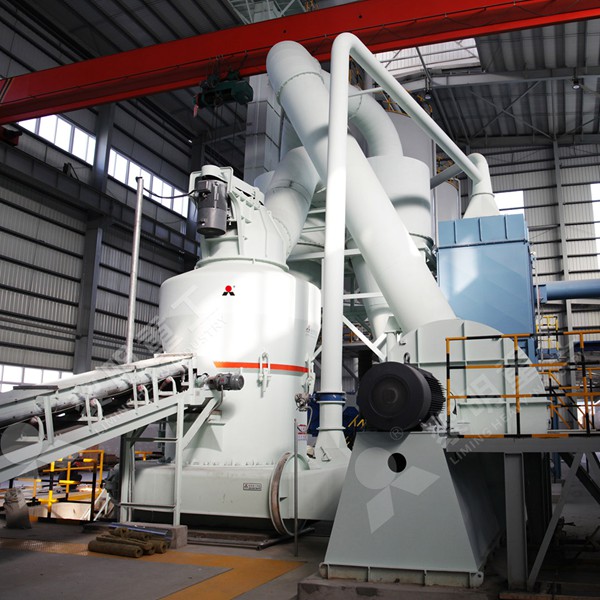
LM Vertical Roller Mill
The LM vertical mill is the best fit for large cement plants that need high throughput. With a capacity of 10 to 400 t/h and an input size of 30 to 55 mm, it can handle the complete clinker output of a medium-sized kiln line. A new milling device and an automatic electric control system keep the grinding process stable. Because the mill integrates drying, grinding, powder selection and conveying, the capital cost and floor space are lower than for a traditional ball mill system. Applications include cement, electricity, metallurgy, chemical, and non-metallic mineral industries, with special strengths in non-metallic minerals, coal, and slag.
MTW European Type Trapezium Mill
The MTW European type trapezium mill is the upgrade of traditional Raymond and pendulum mills. It has patented technology, stable performance, higher productivity, and better environmental protection. Capacity ranges from 3 to 55 t/h, and the feed size can be up to 30 to 50 mm. The grinding system creates a closed airflow loop with a pulse dust collector, so it meets national environmental standards. It is frequently used for limestone desulfurization in power plants, heavy calcium carbonate processing, non-metallic mineral powder making, solid fuel grinding, and building materials. In cement clinker grinding, the MTW mill is often chosen for medium-capacity finish grinding or for grinding cement additives.
Ball Mill
The ball mill is the conventional workhorse in the cement industry. Liming's ball mill is a horizontal rotating device transmitted by the outer gear. It can grind all kinds of ores and other materials, making it suitable for beneficiation, construction, and the chemical industry. The mill chamber is fitted with a ladder liner or a ripple liner, and contains steel balls of different sizes. As the barrel rotates, centrifugal force lifts the balls to a certain height, and then they fall and grind the material. With a capacity of 0.65 to 50 t/h and an input size of up to 25 mm, it remains a simple and reliable option for small and medium clinker lines.
Raymond Mill
The Raymond mill is dry grinding equipment designed for non-flammable and non-explosive materials with a Mohs hardness lower than 7 and a moisture content of less than 6%. Its output fineness is between 613 and 44 microns, which can satisfy many cement plant requirements. The capacity is 1.2 to 4.5 t/h, and the input size is 15 to 25 mm. Because of its simple structure and low maintenance cost, it is widely used for grinding gypsum, calcium carbonate, and additives that are blended into cement clinker.
MW Micro Powder Mill
When the target is ultra-fine powder, the MW micro powder mill comes into play. This medium-speed grinding mill absorbs advanced Swedish grinding technology and can produce powders down to d97 ≤ 5μm. The fineness can be adjusted from 325 mesh to 3250 mesh. With a capacity of 0.5 to 25 t/h and an input size of 10 to 20 mm, the MW mill is equipped with a pulse precipitator for cleaner operation. In the cement industry, it is often used for grinding slag, fly ash, and other fine materials that will be blended with clinker to make finished cement.
How to Select a Cement Clinker Grinding Mill
The first practical step is to define the required production rate. A small cement grinding station might only need a ball mill of 20 t/h, while an integrated cement plant could need an LM vertical roller mill of more than 200 t/h. The second step is to check the feed material characteristics, such as moisture, hardness, and abrasiveness. Third, consider the target fineness: ordinary Portland cement usually has a specific surface area around 300 to 400 m²/kg, while specialty products may need finer grinding. Finally, evaluate the existing power supply, air handling system, and local dust emission limits. Liming's engineers can recommend a closed-circuit configuration with a high-efficiency separator and a pulse dust collector if required.
Operational and Environmental Advantages
Modern cement clinker grinding mills are not only about higher capacity. They also focus on lower energy consumption and better environmental performance. The LM vertical mill uses material bed grinding, which is more energy-efficient than tumbling ball mills. The MTW mill operates in a sealed negative-pressure system, reducing dust leakage. The MW micro powder mill includes a pulse precipitator to clean the exhaust air. These features help cement plants meet increasingly strict carbon and dust emission standards while maintaining a high output.
Conclusion
Selecting the right cement clinker grinding mill is a decision that affects the entire cement production line. Liming Heavy Industry offers a broad range of proven equipment: the LM vertical roller mill for high-capacity plants, the MTW European type trapezium mill for medium and flexible production, the ball mill for simple and reliable grinding, the Raymond mill for smaller applications, and the MW micro powder mill for ultra-fine cement additives. With more than 30 years of manufacturing experience, a strong scientific research team, and a complete set of production facilities, Liming is well positioned to help customers design a cement clinker grinding solution that is efficient, stable, and environmentally responsible.
Frequently Asked Questions
1. What is the best cement clinker grinding mill for a large cement plant?
The LM vertical roller mill is usually the preferred choice for large-scale cement clinker grinding because it combines drying, grinding and separation in one unit and offers capacities from 10 to 400 t/h. It also operates with lower power consumption compared with a conventional ball mill of the same capacity.
2. Can a Raymond mill grind cement clinker?
Yes, but with limitations. A Raymond mill is suitable for non-flammable and non-explosive materials with a Mohs hardness below 7 and a moisture content of less than 6%. Cement clinker can be ground in a Raymond mill for small or pilot-scale production, but the capacity is only 1.2 to 4.5 t/h, so it is more commonly used for gypsum, limestone and cement additives.
3. What fineness can the MW micro powder mill achieve?
The MW micro powder mill can produce finished powder down to d97 ≤ 5μm, with fineness adjustable between 325 mesh and 3250 mesh. That makes it suitable for superfine grinding of slag, fly ash and other cement additives.
4. How does a vertical roller mill save energy compared to a ball mill?
A vertical roller mill grinds clinker by pressing the material between a rotating table and rollers instead of using steel balls that must be lifted and dropped continuously. The smaller moving mass and the material-bed grinding mechanism reduce energy losses and make the vertical mill more efficient.
5. Does Liming provide complete clinker grinding systems?
Yes. Liming can provide a full system including jaw crusher, vibrating feeder, hopper, belt feeder, grinding mill, separator, air blower, pulse dust collector, powder collector and electric control cabinet. The system is designed as a closed circuit to minimize dust and meet environmental requirements.


