Published: May 14, 2026
Coke grinding mills for fuel applications turn petroleum coke and carbon-based solids into fine powder for efficient combustion in cement kilns, power boilers, and industrial furnaces. This summary highlights the key project information: Liming Heavy Industry Co., Ltd. supplies a complete range of grinding equipment, including the LM Vertical Roller Mill with 10-400 T/H capacity, the MTW European Type Trapezium Mill with 3-55 TPH capacity, the Raymond Mill, the MW Micro Powder Mill, and the Ball Mill. For large-scale coke fuel production, the LM vertical mill is the leading solution because it combines drying, grinding, powder selection, and conveying in one system. Medium and small projects can use the MTW, Raymond, MW, or ball mill according to required fineness, input size, and throughput. This article explains the equipment options, selection factors, plant integration, and safety considerations for a successful coke grinding project.
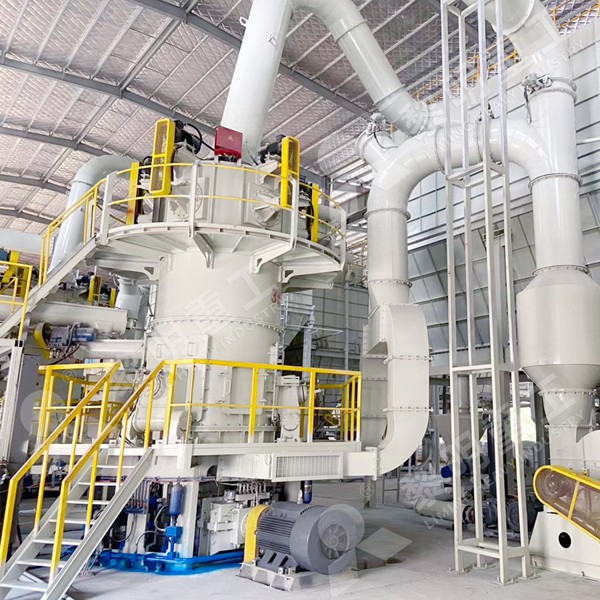
Why Coke Grinding Matters for Fuel Use
Coke has a high calorific value, but its dense structure and low volatility make good combustion more difficult without size reduction. Grinding coke into fine powder creates more surface area, allowing the fuel to ignite faster, burn more completely, and reduce unburned carbon loss. A well-designed coke grinding mill also controls fineness so that existing burner systems can inject the powder smoothly. In addition, the grinding system must prevent dust leakage and control the grinding temperature because coke dust is combustible.
For many operators, the best answer is a vertical roller mill that can dry and grind coke in one stage. Wet or moisture-containing coke enters the mill, hot process gas evaporates the surface moisture, and the same gas carries the fine powder to the classifier. This compact process reduces auxiliary equipment, lowers energy consumption, and improves safety.
Main Coke Grinding Mill Options
LM Vertical Roller Mill
The LM Vertical Roller Mill adopts a new milling device and automatic electric control system. It integrates drying, grinding, powder selection, and conveying. The mill is suitable for cement, electricity, metallurgy, chemical, and non-metallic mineral ore industries, and focuses on non-metallic minerals, coal, and slag. For coke fuel, its advantages are clear:
- Capacity: 10-400 T/H
- Input size: 30-55 mm
- Integrated drying and classifying
- Stable product fineness
- Closed-loop system with low dust emission
In operation, coke is fed to the center of a rotating table and ground under hydraulic-loaded rollers. Hot gas dries the material and lifts fine powder to the classifier. Coarse particles return to the table and are ground again, while finished powder is collected by a cyclone or bag filter.
MTW European Type Trapezium Mill
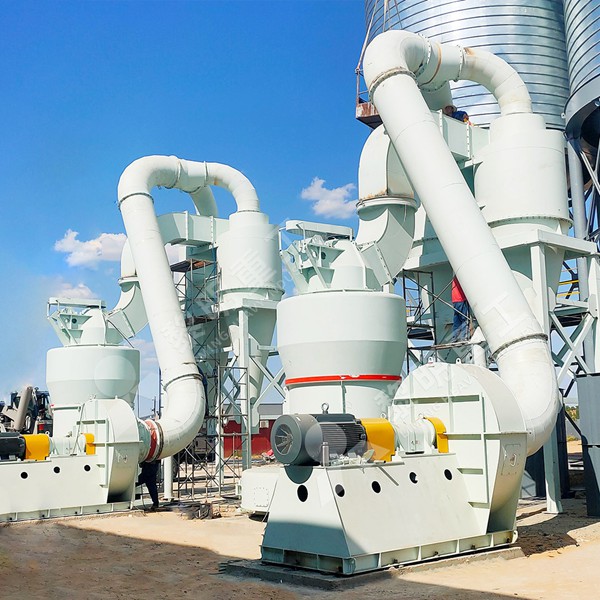
The MTW mill is the upgraded product of traditional Raymond mill and pendulum mill. It offers patented technology, high productivity, environmental protection, and energy saving. Its applications include solid fuel grinding, which makes it a strong choice for medium-scale coke fuel preparation. The MTW mill has a capacity of 3-55 TPH and an input size of 30-50 mm. The system typically consists of a jaw crusher, vibrating feeder, hopper, mill, separator, air blower, dust collector, pipe, powder collector, and electric cabinet. After primary crushing, the coke is fed evenly into the mill, ground between the ring and rollers, and classified by the separator. The closed-loop air circulation and pulse dust collector comply with environmental standards.
Raymond Mill, MW Micro Powder Mill, and Ball Mill
For small-capacity coke fuel projects, the Raymond Mill is a simple and economical option. It has a capacity of 1.2-4.5 T/H, an input size of 15-25 mm, and an output fineness of 613-44 μm. It can process materials with hardness below 7 Mohs and humidity below 6%, so dry coke with small feed size is suitable. The MW Micro Powder Mill is designed for superfine powder; it can produce particles up to d97 ≤ 5 μm with fineness adjustable from 325 mesh to 3250 mesh. Its capacity is 0.5-25 T/H. The Ball Mill is another well-known grinding machine, with a capacity of 0.65-50 T/H and an input size of ≤25 mm. It uses rotating steel balls to impact and grind the coke, and it is widely used in cement, coal, and power plant applications. Although a vertical roller mill is generally more energy efficient, the ball mill remains a reliable alternative for small plants or existing systems.
Selection Criteria for a Coke Grinding Mill
Selecting the right coke grinding mill for fuel should be based on four main factors. First, capacity and feed size: if the plant requires more than 50 T/H, the LM Vertical Roller Mill is preferred; medium projects can use the MTW mill; small projects can use the Raymond or ball mill. Second, moisture: the LM and MTW mills can use hot gas to dry coke inside the mill, while the Raymond mill needs feed with moisture below 6%. Third, fineness: most fuel burners need a fine powder with controlled residue on a 200-mesh or 325-mesh sieve; the LM and MTW mills offer easy classifier adjustment. Fourth, safety: because coke dust is combustible, the grinding circuit should include pulse dust collection, closed-loop airflow, oxygen monitoring, pressure relief, and inert gas protection where needed.
Integrated Coke Fuel Grinding Plant
A typical coke fuel grinding line using MTW or LM technology includes raw coke storage, jaw crusher, vibrating feeder, hopper, grinding mill, separator, air blower, dust collector, and finished powder silo. Large materials are first crushed to the required size by the jaw crusher. Then the variable-frequency belt feeder sends the coke evenly into the mill. After grinding, the fine powder moves upward with airflow; the separator returns oversize particles for further grinding, while acceptable powder is collected. The air flow is recycled in a closed system, and the pulse dust collector keeps emissions clean. This design is suitable for both greenfield projects and retrofits.
Company Background and Engineering Support
Liming Heavy Industry Co., Ltd. was founded in 1987 and mainly manufactures large and medium-sized crushing and grinding equipment. It is a modern joint-stock corporation with research, manufacturing, and sales integrated. The headquarter is located in the HI-TECH Industry Development Zone of Zhengzhou and covers 80,000 m²; another workshop in Shangjie Industry Park covers 67,000 m². For over 30 years, the company has followed a modern scientific management system, precision manufacturing, and continuous innovation. Liming also invests in research and development, using production-learning-research cooperation to improve product competitiveness and serve domestic and international customers.
Conclusion
Coke grinding mills for fuel production play an essential role in converting petroleum coke into clean, efficient energy. For large-scale plants, the LM Vertical Roller Mill offers the best combination of capacity, integrated drying, and energy efficiency. Medium-scale operations can rely on the MTW European Type Trapezium Mill, while small projects can choose Raymond, MW, or ball mill systems. By considering capacity, feed size, moisture, fineness, and safety, operators can select the right coke grinding solution and benefit from reliable equipment and engineering support.
Frequently Asked Questions
1. What is a coke grinding mill used for?
A coke grinding mill reduces petroleum coke or other solid carbon fuels into fine powder for injection into cement kilns, boilers, and industrial furnaces. Fine powder increases combustion efficiency and reduces unburned carbon.
2. Which mill is best for large-scale coke fuel production?
The LM Vertical Roller Mill is best for large-scale production because of its 10-400 T/H capacity, 30-55 mm input size, and integrated drying, grinding, classifying, and conveying functions.
3. Can the Raymond Mill grind petroleum coke?
Yes, it can grind petroleum coke when the feed size is 15-25 mm, humidity is below 6%, and hardness is below 7 Mohs. It suits small capacity fuel grinding with 613-44 μm fineness.
4. Why is hot gas used in vertical roller mills for coke grinding?
Hot gas removes surface moisture from coke and carries the ground powder to the classifier. This combines drying and conveying in one step, making the system compact and energy efficient.
5. How does Liming ensure environmental safety in coke grinding?
Liming grinding systems can be equipped with pulse dust collectors, closed-loop air circulation, and automatic control. For combustible coke dust, additional explosion protection measures can be configured to meet national safety standards.


