Published on February 18, 2025
Petroleum coke, commonly called pet coke, is a high-calorific-value fuel produced by oil refineries. In the cement sector, it is widely used as an alternative to coal for the main burner or preheater calciner. The grinding process for pet coke, however, is not as straightforward as grinding coal. The material can be hard, abrasive, low in volatile matter, and sensitive to oxygen levels when ground to a fine powder. This article gives you a practical summary of how to select a pet coke grinding mill for a cement plant, based on Liming Heavy Industry Co., Ltd.'s product range. The LM Vertical Roller Mill is our main recommendation because it combines drying, grinding, powder selection, and conveying in one unit and can handle 10 to 400 t/h with a feed size up to 30-55 mm. For smaller projects, Raymond Mill, MTW European Type Trapezium Mill, MW Micro Powder Mill, and Ball Mill can be considered. The key project information is also summarized in a typical 6000 t/d cement plant case, including mill capacity, fineness target, and safety measures.
Why Pet Coke Deserves Its Own Grinding Strategy
Pet coke has a lower volatile content than most kinds of coal. This means it needs more time and heat to ignite. To achieve complete combustion and keep a stable flame in the rotary kiln, the pet coke powder must be very fine. In many cement plants, the target is a residue of 1.5% to 3% on a 90 micrometer sieve. Some operators prefer to grind to 2% R90 as a compromise between combustion and mill production. Because pet coke is often produced in delayed or fluid coker units, its quality can change from shipment to shipment. Its Hardgrove Grindability Index (HGI) can range from 35 to 70. A low HGI means the material is hard, and the mill will need more grinding pressure. This is why the mill must have a strong and reliable grinding mechanism.
I have seen projects where the same mill could grind 40 t/h of bituminous coal but only 20 t/h of pet coke. This is not a mechanical failure; it is simply the nature of the fuel. The solution is to choose the proper mill and to design the system with enough margin for pet coke quality variation.
LM Vertical Roller Mill: The Workhorse for Pet Coke
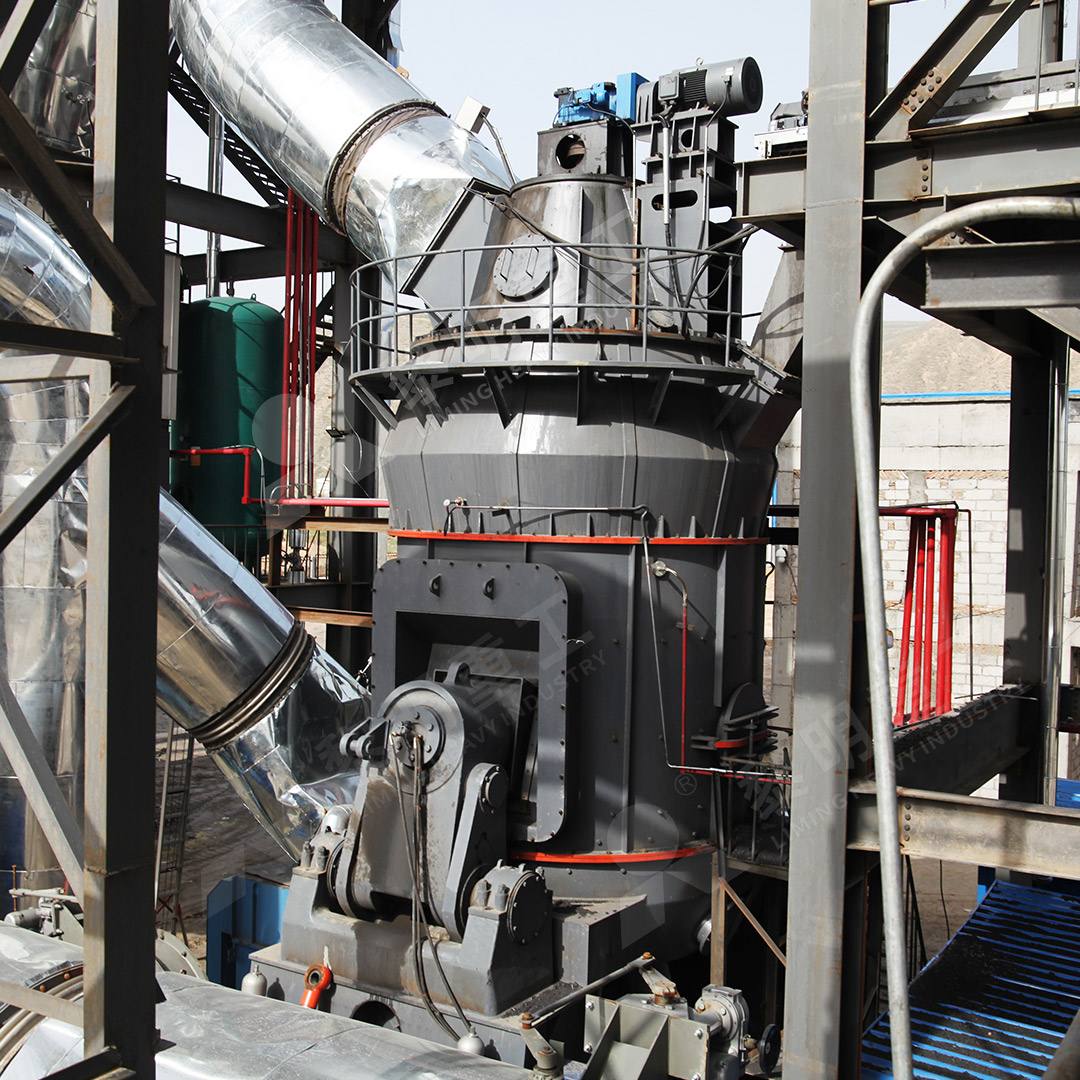
In Liming's product line, the LM Vertical Roller Mill is the closest match to what cement plants need for pet coke grinding. It is designed for cement, electricity, metallurgy, chemical, and non-metallic metal ore industries. The LM series adopts a new milling device and automatic electric control system. It integrates drying, grinding, powder selection, and conveying together. For pet coke, the integrated hot gas system is helpful when the coke arrives with moisture from the refinery or from open storage. The automatic control system keeps the grinding bed stable and the classifier speed consistent, so the final product stays within the required fineness window. The LM mill can accept a feed size of 30-55 mm and give a capacity of 10-400 t/h. In a real cement project, this range is generally enough for a dedicated pet coke grinding system.
Other Liming Mills for Different Scenarios
Not every project needs a huge vertical roller mill. Sometimes the cement plant already has spare grinding capacity, or the pet coke substitution rate is low. In those cases, we look at the rest of the product line.
Raymond Mill
Raymond Mill is a classic machine that is widely used in metallurgy, building materials, chemicals, and mining. It can process non-flammable and non-explosive materials below 7 on the Mohs hardness scale and with moisture below 6%. The output fineness is between 613 μm and 44 μm. If the plant only requires a small throughput of pet coke, for example 1.2 to 4.5 t/h, and the feed size is kept below 15-25 mm, Raymond Mill can be used. However, its specific energy consumption is higher than a vertical roller mill. I would only recommend it for a small kiln or for testing pet coke firing before installing a bigger system.
MTW European Type Trapezium Mill
MTW European Type Trapezium Mill is the upgrade of the traditional Raymond mill and pendulum mill. It has patented technology, stable performance, high productivity, and low energy consumption. Capacity is 3-55 t/h and feed size is 30-50 mm. It is suitable for limestone desulfurization in a power plant, heavy calcium carbonate, non-metallic mineral powder, solid fuel grinding, and so on. For pet coke, it can work as a medium-capacity unit. The closed system with a pulse dust collector is a big plus. But because pet coke is abrasive, the operator must pay attention to the wear life of the grinding rolls and the ring.
MW Micro Powder Mill
MW Micro Powder Mill is a medium-speed micro-grinding mill that absorbs advanced Swedish grinding technology. It is good at superfine powder processing, with a finished product down to d97 ≤ 5 μm and fineness adjustable from 325 mesh to 3250 mesh. Capacity is 0.5-25 t/h and feed size is 10-20 mm. This machine is usually not the first choice for pet coke in a cement kiln because the target fineness for pet coke is not ultra-fine. But if the plant wants to grind pet coke into a powder that can be used for blending with other fine fuels or for downstream applications, MW can do the job.
Ball Mill
Ball Mill is a common grinding plant in the industry and the key equipment after material is crushed. It can grind all kinds of ores and other materials, widely used in beneficiation, construction, and chemical industry. Capacity is 0.65-50 t/h and feed size is ≤25 mm. A ball mill is robust and can handle pet coke, especially if the plant already has a ball mill production line. The downside is higher energy consumption and less integrated drying compared with the LM vertical roller mill. In many cement plants, a ball mill is reserved for limestone or cement grinding, while pet coke is ground in a vertical mill.
How to Choose the Right Pet Coke Grinding Mill: A Practical Checklist
Let's be practical. When I talk to a cement plant engineer, I usually ask five questions: What is the required pet coke throughput? What is the HGI of the pet coke? What moisture content do you receive? What fineness does your kiln need? And how much budget are you prepared to spend? Based on these answers, the equipment can be narrowed down quickly.
- Fineness: Most operators target 1.5-3% residue on a 90 μm sieve. The classifier speed and grinding pressure need to be adjustable to keep this window stable.
- Throughput: Use the kiln's thermal substitution rate to calculate the exact t/h. Always add a 10% margin for quality variation.
- Feed size: If pet coke from the refinery has lumps larger than the mill's input size, install a jaw crusher or a pre-crushing step before the mill.
- Moisture: If moisture is high, choose a mill with drying function. The LM and MTW can both use hot gas to dry material during grinding.
- Safety: Choose a closed-loop system with a pulse dust collector and monitor CO and O₂. Nitrogen injection is recommended for start-up and shutdown.
A Typical Project Scenario: 6000 t/d Cement Plant
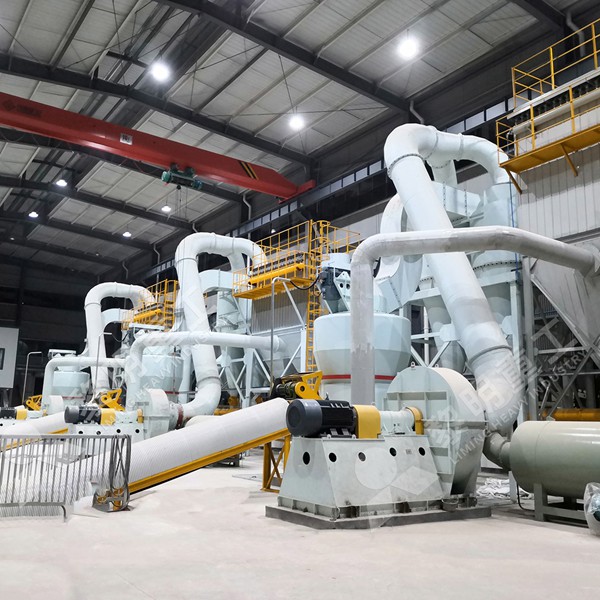
Let's use a realistic example to bring all the information together. A cement plant with a 6000 t/d clinker line wants to increase the use of pet coke in the precalciner. The required pet coke dosage is around 25 t/h. The plant receives delayed coke with an HGI of 50, moisture of 3%, and maximum lump size of 40 mm. After reviewing Liming's product line, the engineering team selects an LM vertical roller mill with a normal capacity of 30 t/h. The grinding target is 2% R90. Hot gas from the preheater or a hot gas generator is used to keep the final moisture below 1%. The system includes a pulse dust collector and nitrogen injection for start-up and shutdown. Rejected material from the classifier is recycled back to the grinding table. This gives stable operation, uniform fineness, and a clean plant environment.
Safety and Environmental Notes for Pet Coke Grinding
Pet coke dust can be dangerous if the system is not properly designed. The good news is that pet coke has low volatile matter, so it is less explosive than coal during grinding. But that does not mean the risk is zero. A closed system is important.
- Use a closed circuit. The air is recycled, not vented directly to the atmosphere.
- The pulse dust collector ensures that fine dust is captured and that emissions comply with national environmental standards.
- Once the mill is in operation, keep the oxygen level inside the system as low as practical. Carbon monoxide and oxygen detectors should be linked to the automatic control system.
- Avoid idle operation. Stop feeding before stopping the fan, and never leave material in a hot mill.
- Have a written procedure for hot spot detection. Pet coke dust can smolder and create a safety risk if left unattended.
Conclusion: Pet Coke Grinding Is about System, Not Just Mill
Pet coke grinding for cement is not simply a matter of replacing coal with another fuel. The mill must be selected with the correct capacity, fineness, and safety design. In most cases, the LM Vertical Roller Mill from Liming Heavy Industry is the most suitable option because of its high capacity, integrated drying and classification, and strong track record in coal and slag grinding. For smaller or special situations, the other mills in the line-up can work as well. The best approach is to evaluate the exact fuel properties, decide the fineness target, and design the whole system as a closed loop. If you do that, pet coke can be a reliable and cost-effective fuel for cement production.
Frequently Asked Questions
1. Can a vertical roller mill grind pet coke safely?
Yes, if the system is designed as a closed circuit and includes oxygen and carbon monoxide monitoring. The LM vertical roller mill can be configured with an inert gas line, a pulse dust collector, and automatic pressure control. Because pet coke has low volatile matter, the explosion risk is lower than coal, but the operating staff must still follow safe start-up and shutdown procedures.
2. What is the ideal fineness for pet coke in a cement kiln?
Most cement plants target a fineness between 1.5% and 3% residue on a 90 micrometer sieve. If the pet coke is used in the calciner, a slightly coarser fineness can work. For the main burner, fineness near 2% R90 is often preferred to keep the flame stable and complete the combustion quickly.
3. Is Raymond Mill strong enough for pet coke?
Raymond Mill can grind pet coke, but its capacity is limited to the range of 1.2-4.5 t/h, and it is less energy efficient than a vertical roller mill. It is suitable for small operations, pilot testing, or low substitution rates. For a large cement kiln, an LM or MTW mill is more practical.
4. How does the LM vertical mill handle high moisture in pet coke?
The LM vertical mill integrates drying with grinding. Hot gas can be supplied from a hot gas generator or from preheater exhaust. This gas passes through the mill, removes surface moisture, and then transports the fine powder to the separator. The automatic control system adjusts the gas temperature to keep the final moisture low.
5. What are the main maintenance points for a pet coke grinding mill?
The grinding table, rollers, and separator blades need regular inspection because pet coke is abrasive. The wear parts should be checked for pitting, cracks, or uneven wear. Also, check the dust collector bags and CO sensors. Running the mill with a stable bed and proper grinding pressure will reduce maintenance frequency.


