Published on: October 26, 2023
In the chemical industry, coal grinding systems play a pivotal role in transforming raw coal into fine powders essential for various chemical processes, such as gasification, combustion, and synthesis. Liming Heavy Industry Co., Ltd., a leader in crushing and grinding equipment manufacturing since 1987, offers a comprehensive suite of coal grinding solutions designed to enhance efficiency, safety, and environmental compliance. Our systems integrate advanced milling technologies, automatic control, and dust collection to deliver consistent particle sizes, high throughput, and low energy consumption. From vertical roller mills to micro powder grinders, we provide tailored solutions that meet the rigorous demands of chemical applications, ensuring reliable operation and superior product quality.
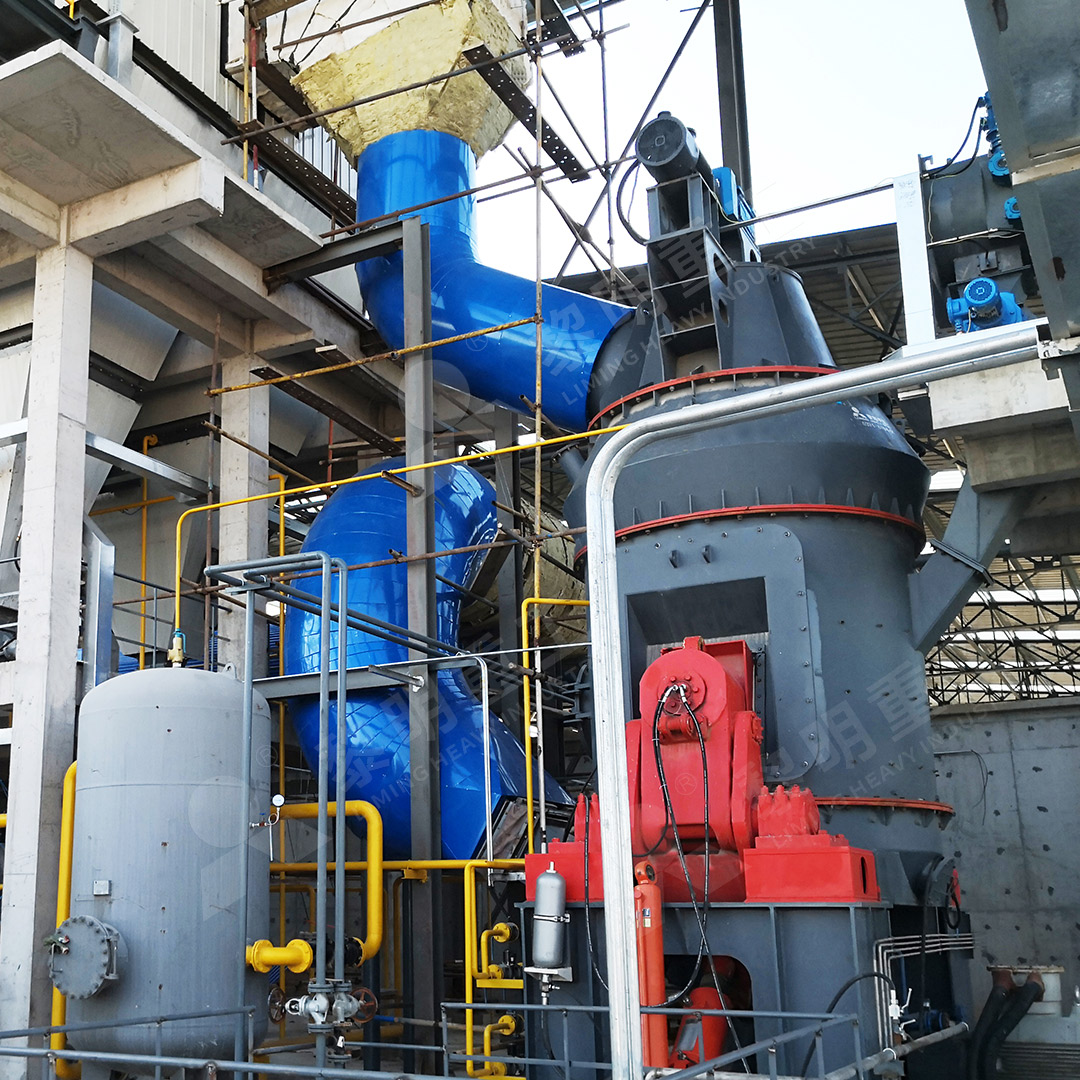
Introduction to Coal Grinding in Chemical Industry
Coal is a versatile energy source and feedstock in chemical manufacturing, used in processes like coal-to-chemicals and syngas production. The grinding stage is critical, as it determines the surface area and reactivity of coal particles. A well-designed coal grinding system must handle variations in coal moisture, hardness, and feed size while minimizing operational costs. Liming Heavy Industry, headquartered in Zhengzhou’s HI-TECH Industry Development Zone with over 147,000 square meters of manufacturing space, specializes in large and medium-sized grinding equipment. Our portfolio includes the LM Vertical Roller Mill, Raymond Mill, MTW European Type Trapezium Mill, MW Micro Powder Mill, and Ball Mill, each optimized for specific coal grinding tasks in chemical plants.
Key Equipment for Coal Grinding
LM Vertical Roller Mill
The LM Vertical Roller Mill is a flagship product for coal grinding in chemical applications. It integrates drying, grinding, powder selection, and conveying into one unit, simplifying process flow. With a capacity range of 10-400 T/H and input size of 30-55 mm, it excels in handling coal and slag. Its advanced automatic electric control system ensures stable operation, while the milling device reduces energy consumption. For chemical industries requiring fine coal powder for gasifiers or boilers, the LM mill delivers consistent fineness with low maintenance. It is particularly effective for non-metallic minerals and coal preparation, meeting the stringent standards of chemical reactors.
Raymond Mill
For smaller-scale or batch operations, the Raymond Mill is a cost-effective choice. It processes materials with Mohs hardness under 7 and humidity below 6%, producing fineness from 613 μm to 44 μm. With a capacity of 1.2-4.5 T/H and input size of 15-25 mm, it is suitable for pulverized coal preparation in chemical processes. Its simplicity and reliability make it ideal for calcium carbonate and gypsum crushing, which are common in chemical industry additives. The Raymond Mill incorporates a feeder and classifier, ensuring uniform particle distribution.
MTW European Type Trapezium Mill
The MTW European Type Trapezium Mill is an upgrade over traditional Raymond mills, offering higher productivity and environmental performance. With a capacity of 3-55 TPH and input size of 30-50 mm, it is designed for large-scale non-metallic mineral powder making. Its patented technology includes a bevel gear drive and oil lubrication system, reducing friction and noise. In chemical industries, it is used for limestone desulfurization and solid fuel grinding. The closed-loop system, equipped with a pulse dust collector, ensures compliance with environmental regulations, making it a sustainable choice.
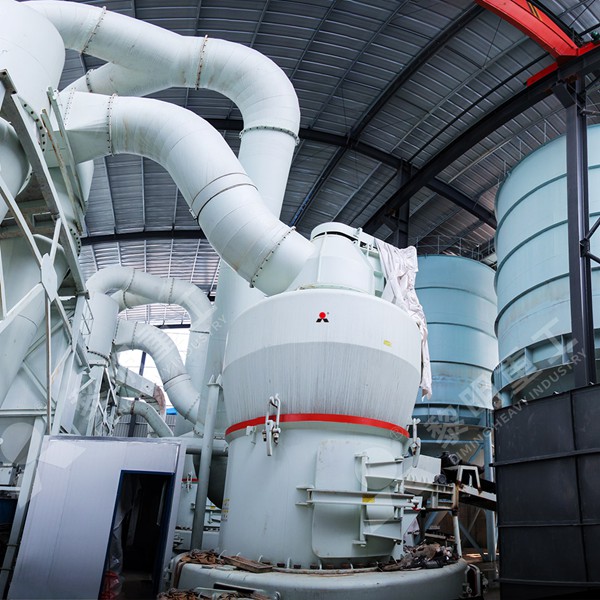
MW Micro Powder Mill
For ultra-fine grinding needs, the MW Micro Powder Mill is unmatched. It achieves fineness up to d97 ≤ 5 μm, adjustable between 325-3250 mesh. With a capacity of 0.5-25 T/H and input size of 10-20 mm, it is ideal for pulverized coal preparation requiring high surface area. Its working principle involves a reducer-driven turnplate that rotates dozens of rollers against a ring raceway. The incorporated pulse precipitator ensures low dust emissions. Chemical plants producing coal-water slurry or activated carbon benefit from this mill’s precision.
Ball Mill
The Ball Mill remains a workhorse for coarse coal grinding, with a capacity of 0.65-50 T/H and input size ≤ 25 mm. Its horizontal rotating design uses steel balls to impact and grind materials. While it consumes more energy than vertical mills, it is robust and suitable for applications where coarse particles are acceptable, such as in cement or chemical construction materials. The ladder and ripple liners enhance grinding efficiency.
Working Principles and System Integration
Liming Heavy Industry’s coal grinding systems are designed for seamless integration. The MTW mill, for example, includes a jaw crusher, vibrating feeder, hopper, and dust collector, working in a closed circuit. Big lump coal is first crushed by the jaw crusher to the required size, then delivered via variable-frequency belt feeder to the mill. Airflow carries particles upward; those too coarse for the separator fall back for regrinding, while fine particles are collected. The pulse dust collector captures fugitive dust, making the system eco-friendly. The LM vertical mill uses a similar closed-loop, with air blowers recycling air, reducing heat loss. For the MW mill, a hammer crusher pre-crushes material, and an elevator transports it to the hopper. The centrifugal force at the upper turnplate distributes material evenly to the raceway for pulverization.
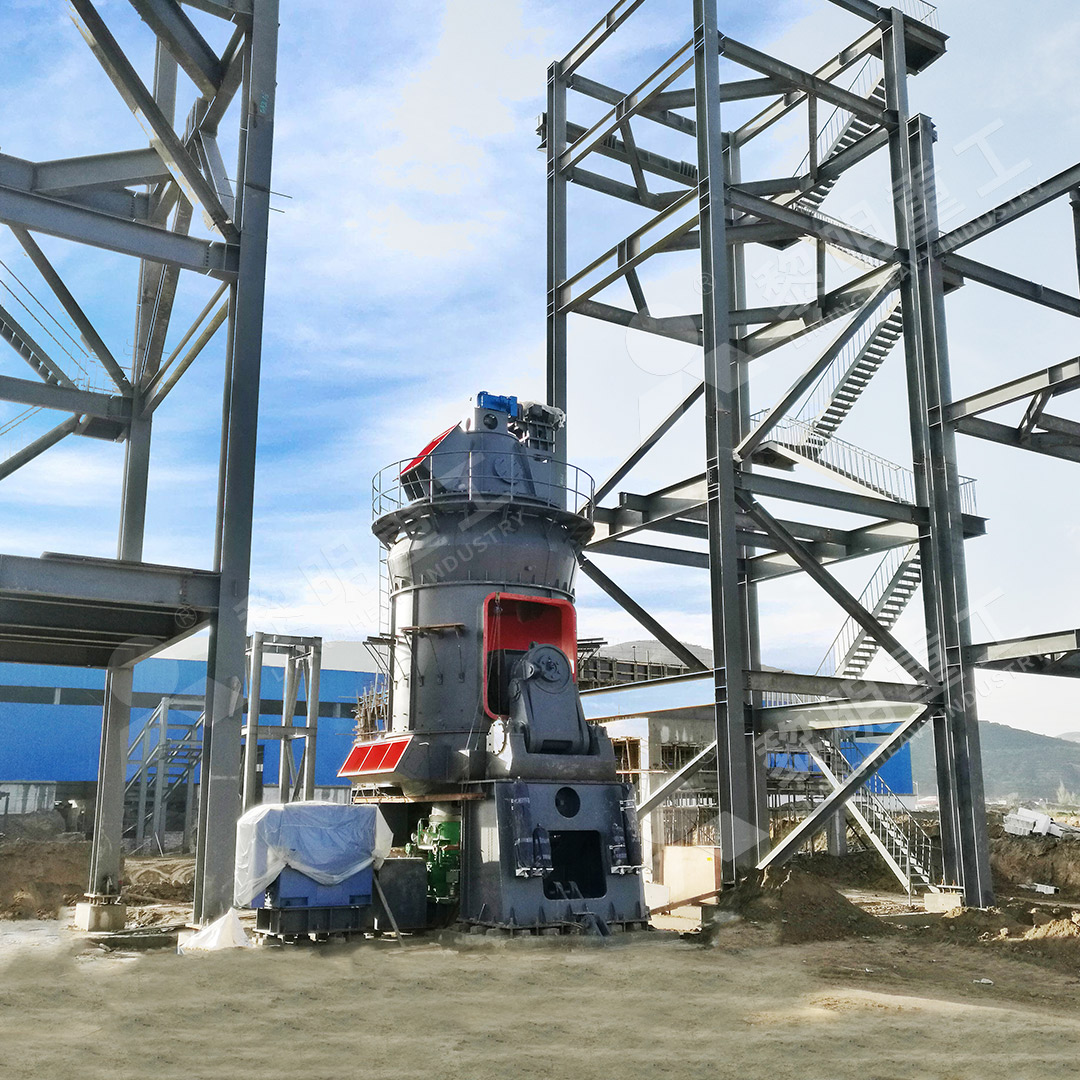
Applications and Benefits
In chemical industry, our coal grinding systems are applied in:
- Coal Gasification: Fine coal powder increases reaction surface area, improving syngas yield.
- Desulfurization: Ground limestone is used to capture sulfur dioxide in fluidized bed boilers.
- Pulverized Coal Injection: For blast furnaces, consistent particle size reduces coke consumption.
- Chemical Feedstocks: Coal-to-chemicals processes require specific fineness for catalysts.
Key benefits include:
- High efficiency: Vertical roller mills reduce energy use by 20-30% compared to ball mills.
- Environmental compliance: Pulse dust collectors meet EPA standards.
- Low maintenance: Automatic lubrication and wear-resistant parts extend service life.
- Customizability: Adjustable fineness and capacity suit diverse chemical processes.
Quality and Innovation
Liming Heavy Industry adheres to a scientific research and development strategy, collaborating with universities and leveraging a mature team to drive innovation. Our headquarters in Zhengzhou is ISO-certified, ensuring precision manufacturing. With 30 years of experience, we have pioneered advancements like the MTW mill’s bevel gear system and the LM mill’s intelligent control. We remain committed to leading the machinery manufacturing industry globally.
Frequently Asked Questions (FAQ)
- Q: What is the typical particle size output for a coal grinding system in chemical industry?
A: Depending on the mill type, outputs range from 44 μm (325 mesh) for Raymond Mill to below 5 μm for MW Micro Powder Mill, with adjustments possible for specific applications. - Q: How does your system handle high-moisture coal?
A: The LM Vertical Roller Mill integrates drying, using hot air from the air blower to evaporate moisture efficiently, handling coal with up to 20% moisture. - Q: Are your grinding systems environmentally friendly?
A: Yes, all our mills are equipped with pulse dust collectors and operate in closed circuits to minimize emissions, meeting international environmental standards. - Q: What is the maintenance schedule for a typical coal grinding mill?
A: Routine checks include roller and ring wear every 6 months, with oil changes every 500-1000 hours. Automatic lubrication systems reduce frequency. - Q: Can I use your equipment for both coal and other materials in a chemical plant?
A: Absolutely, our mills are versatile and can process limestone, gypsum, slag, and non-metallic minerals, making them suitable for multi-purpose chemical operations.


