Published on: October 26, 2023
In the realm of industrial boiler operations, the efficiency and reliability of fuel preparation directly impact combustion quality, emission control, and overall system performance. Coal grinding mills serve as the critical bridge between raw coal storage and the boiler furnace, transforming lump coal into fine, consistent powder that ensures stable combustion and optimal heat transfer. As industrial facilities worldwide strive for higher productivity and stricter environmental compliance, selecting the right grinding technology becomes paramount. LIMING HEAVY INDUSTRY CO., LTD., a pioneering force established in 1987, offers a comprehensive suite of coal grinding solutions tailored for industrial boiler applications. Our portfolio, grounded in three decades of engineering excellence, includes vertical roller mills, Raymond mills, European-type trapezium mills, micro powder mills, and ball mills—each engineered with precision to meet specific capacity, fineness, and operational demands. This article provides an in-depth exploration of coal grinding technology for industrial boilers, focusing on equipment selection, working principles, and practical considerations drawn from our extensive experience in cement, power generation, metallurgy, and chemical sectors.
The Critical Role of Coal Grinding in Boiler Systems
Industrial boilers, whether used for steam generation in power plants, process heating in chemical facilities, or district heating systems, require a consistent and finely ground fuel supply. Coarse coal particles lead to incomplete combustion, increased slagging, higher unburned carbon losses, and elevated emissions of pollutants such as nitrogen oxides and sulfur dioxide. Conversely, excessively fine grinding consumes unnecessary energy and may cause handling challenges. Therefore, the coal grinding mill must deliver a balanced particle size distribution—typically 70-80% passing through a 200-mesh sieve for pulverized coal boilers—while maintaining throughput rates that match boiler demand. Modern grinding mills also integrate drying, classification, and conveying functions, creating a closed-loop system that enhances energy efficiency and reduces dust emissions. LIMING Heavy Industry’s mills are designed with these holistic requirements in mind, incorporating advanced automation, wear-resistant materials, and environmental protection features such as pulse dust collectors.
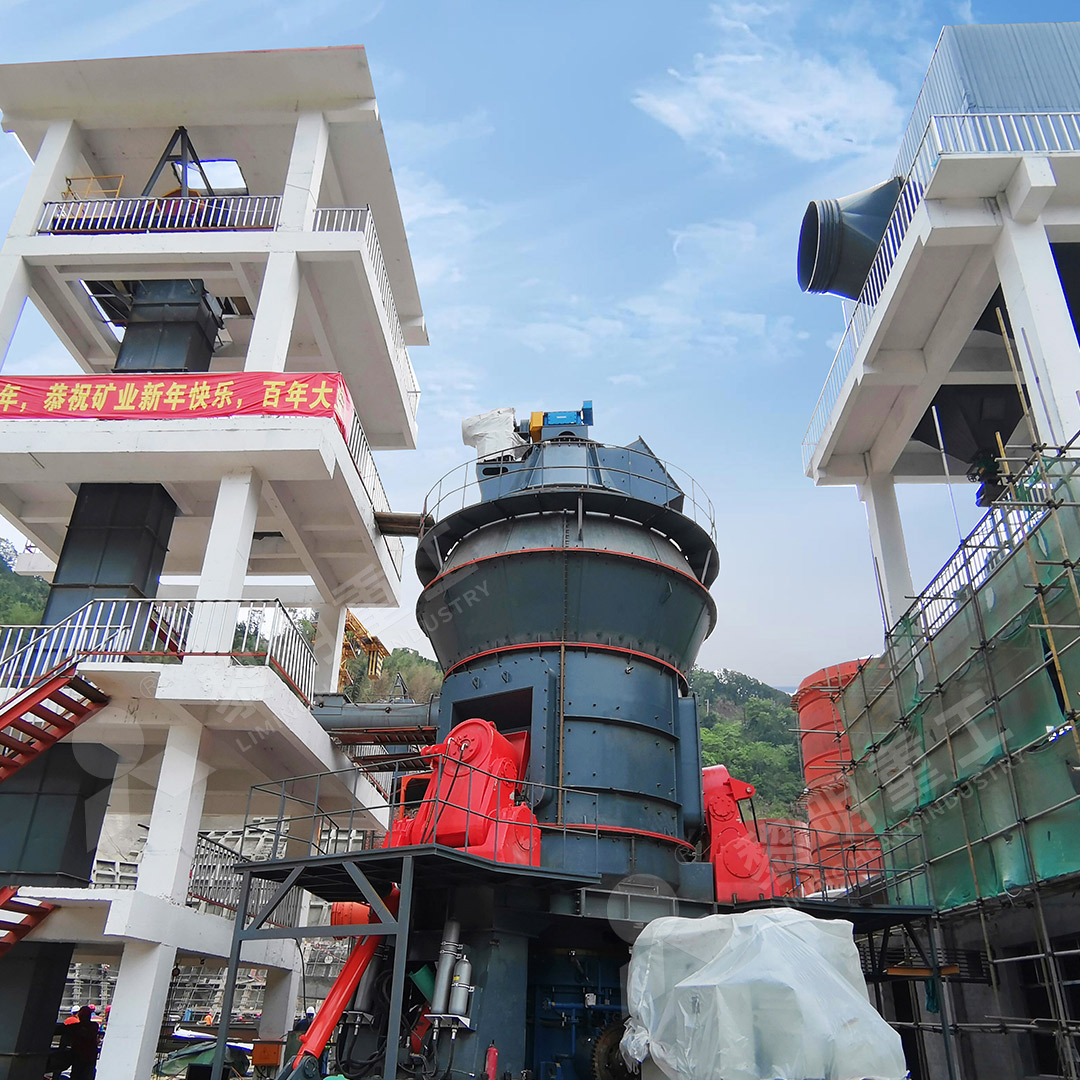
Key Grinding Technologies for Coal Preparation
LM Vertical Roller Mill
For large-scale industrial boiler applications requiring high capacity and continuous operation, the LM Vertical Roller Mill stands out as a flagship solution. This mill integrates drying, grinding, powder selection, and material conveying within a single compact unit. The grinding table rotates under a hydraulic system, while two to four grinding rollers apply pressure to crush and shear the coal bed. Hot gases from the boiler or an external source enter the mill to dry the coal, and an integrated classifier returns oversize particles for further grinding. The LM vertical mill offers a capacity range of 10-400 T/H with input sizes up to 55mm, making it ideal for power plants and large industrial complexes. Its automatic electric control system ensures stable product fineness and minimal operator intervention. In coal preparation for industrial boilers, the LM series excels in processing non-metallic minerals, coal, and slag—three key areas where consistent particle size directly influences combustion dynamics.
Raymond Mill
The Raymond Mill, a time-tested workhorse in mineral grinding, remains a popular choice for smaller to medium-sized industrial boiler systems. This mill is suitable for grinding non-flammable and non-explosive materials with Mohs hardness below 7 and moisture content under 6%, which includes most bituminous coals and lignite. Its output fineness ranges from 613μm to 44μm (30 to 325 mesh), offering flexibility for different boiler types. The Raymond mill operates on a simple principle: a rotating grinding ring and stationary rollers crush coal by centrifugal force, while a blower circulates air to carry fine particles upward through a classifier. Oversize particles fall back for regrinding. With capacities between 1.2 and 4.5 T/H and input sizes of 15-25mm, the Raymond mill is particularly well-suited for smaller boiler installations, such as those in food processing, textile manufacturing, or district heating plants. Its robust construction and low maintenance requirements make it a dependable choice for facilities seeking cost-effective coal grinding without sacrificing quality.
MTW European Type Trapezium Mill
The MTW European Type Trapezium Mill represents the next generation of grinding technology, evolving from traditional Raymond and pendulum mills. Designed with patented trapezium-shaped rollers and a curved grinding ring, the MTW mill improves grinding efficiency by increasing the contact area between rollers and material. This design reduces energy consumption per ton of coal processed while achieving higher throughput—up to 55 T/H—and product fineness suitable for power plant desulfurization and pulverized coal injection. The MTW mill’s working principle involves a closed-loop system: a jaw crusher reduces large coal lumps to 30-50mm, then a variable-frequency belt feeder delivers material uniformly into the mill. Ground particles are lifted by airflow, and those meeting fineness criteria pass through the separator to be collected as finished product, while coarse particles return for regrinding. A pulse dust collector ensures compliance with environmental standards. For boiler operators upgrading from older Raymond mills, the MTW series offers a clear path to higher productivity and lower specific energy consumption.
MW Micro Powder Mill
In specialized industrial boiler applications demanding ultra-fine coal powder—such as in advanced combustion systems or co-firing with biomass—the MW Micro Powder Mill delivers exceptional performance. This medium-speed micro-grinding mill, incorporating Swedish grinding technology, achieves product fineness from d97 ≤5μm to a range of 325-3250 mesh. With capacities from 0.5 to 25 T/H and input sizes of 10-20mm, the MW mill is ideal for high-value applications where particle size distribution directly affects combustion efficiency and emission profiles. The mill’s working principle involves a motor-driven reducer rotating dozens of rollers against a grinding ring; pre-crushed material from a hammer crusher is fed evenly onto an upper turnplate, then forced outward by centrifugal force to the raceway for pulverization. The MW mill’s pulse precipitator ensures clean operation. While not the primary choice for all industrial boilers, this mill excels in niche applications such as producing micronized coal for specialized burners or enhancing reactivity in chemical processes tied to boiler operation.
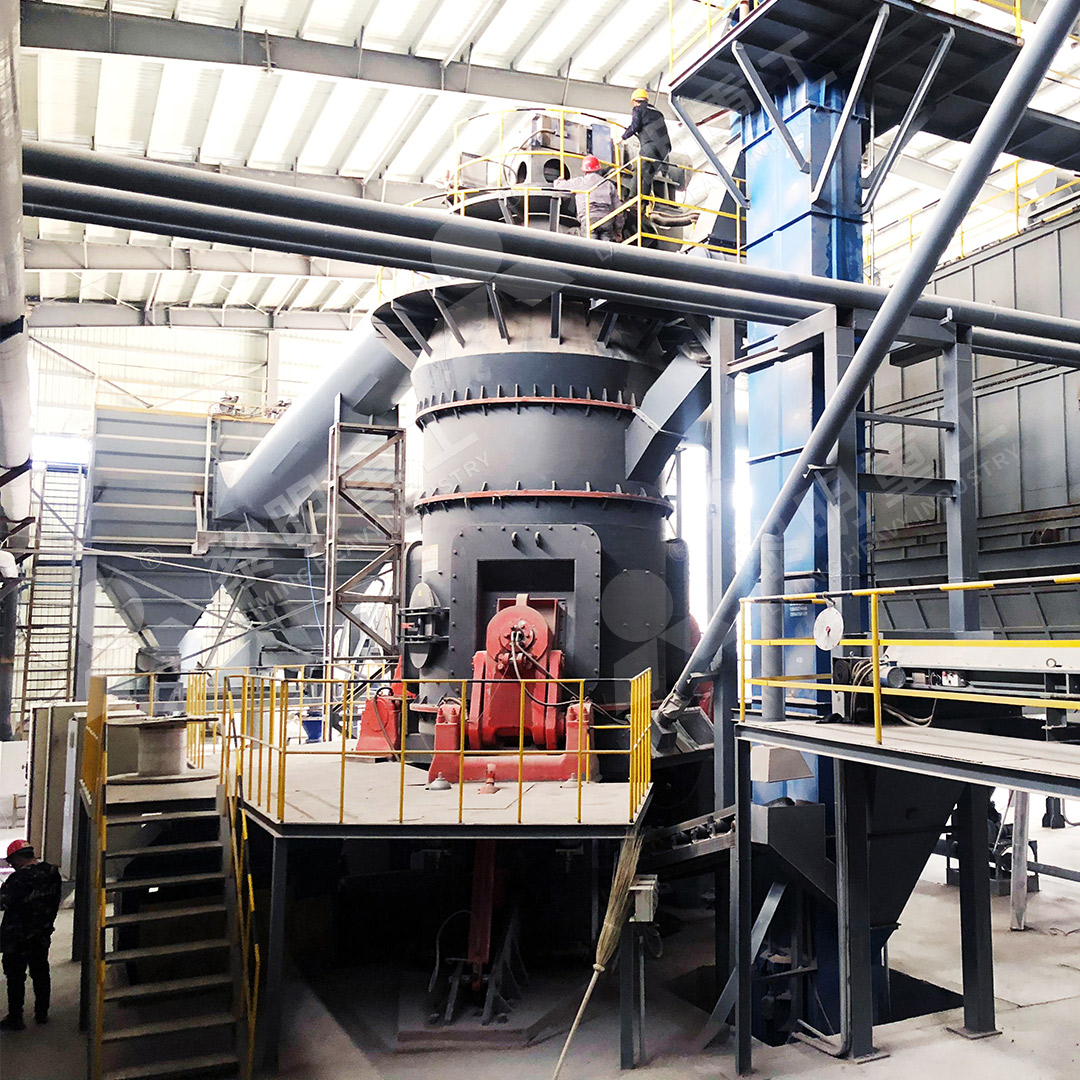
Ball Mill
The ball mill remains a staple in coal grinding for industrial boilers, particularly in cement plants and large power stations where high reliability and simple operation are valued. This horizontal rotating device uses steel balls to impact and grind coal fed through a quill shaft. The grinding chamber is lined with ladder or ripple liners, and as the barrel rotates, centrifugal force lifts the balls to a height before they cascade down, crushing coal particles through impact and attrition. The ball mill handles input sizes up to 25mm and offers capacities ranging from 0.65 to 50 T/H. Its advantages include low initial investment, simple maintenance, and the ability to handle various coal types, including high-moisture or abrasive grades. However, compared to vertical roller mills, ball mills typically consume more energy per ton and generate higher noise levels. For many industrial boiler operators, the ball mill provides a proven, straightforward solution that can be integrated into existing coal handling systems with minimal disruption.
Selecting the Right Mill for Your Boiler
Choosing the optimal coal grinding mill for industrial boiler applications requires careful evaluation of several factors: required throughput, desired product fineness, coal properties (hardness, moisture, abrasiveness), available space, environmental regulations, and energy costs. For high-capacity continuous operations, the LM Vertical Roller Mill offers the best balance of efficiency, reliability, and automation. For medium-scale facilities, the MTW European Type Trapezium Mill provides an excellent upgrade path from older technologies. Smaller plants or those with lower coal consumption may find the Raymond Mill or Ball Mill to be more economical. The MW Micro Powder Mill should be reserved for applications demanding ultra-fine coal powder. Regardless of the chosen technology, LIMING Heavy Industry provides comprehensive support, from mill selection and system design to installation and after-sales service. Our equipment complies with international environmental standards, featuring closed-loop air systems, pulse dust collectors, and low-noise operation.
Global Leadership in Grinding Technology
LIMING HEAVY INDUSTRY CO., LTD., headquartered in the HI-TECH Industry Development Zone of Zhengzhou with an additional workshop in Shangjie Industry Park covering a combined area of 147,000 m², has been at the forefront of grinding equipment manufacturing for over 30 years. Our joint-stock corporation integrates research, manufacturing, and sales, guided by a strategy of scientific research and development aimed at improving product competitiveness. We emphasize 'scientific research tackling key problems, technological progress and technological improvement' along with 'production, learning and research' as core initiatives. Leveraging a mature scientific team, we continuously innovate to keep pace with industry frontiers. Our mills have been deployed worldwide in cement, electricity, metallurgy, chemical, and non-metallic mineral industries, with a special focus on coal, slag, and non-metallic minerals. Whether your industrial boiler requires pulverized coal for direct injection or fine powder for advanced combustion systems, LIMING Heavy Industry has the technology, experience, and commitment to deliver reliable, efficient grinding solutions.
Frequently Asked Questions
Q1: What is the typical fineness required for coal used in industrial boilers?
A: For most pulverized coal-fired industrial boilers, the target fineness is 70-80% passing through a 200-mesh sieve (74 microns). However, specific requirements depend on boiler design, coal type, and combustion system. Large utility boilers may require finer grinding, while stoker-fired boilers can use coarser coal.
Q2: Can a single coal grinding mill serve multiple boilers?
A: Yes, especially with larger capacity mills like the LM Vertical Roller Mill. A mill with sufficient output can feed a common pulverized coal storage system that supplies several boilers. However, careful system design is needed to ensure consistent fuel distribution and to account for varying demand from individual boilers.
Q3: How does coal moisture content affect mill selection and operation?
A: High moisture coal (above 10-15%) requires mills equipped with hot gas drying capabilities. Vertical roller mills and Raymond mills can incorporate hot air or flue gas from the boiler to dry coal during grinding. If moisture exceeds 20%, a dedicated drying system or pre-drying step may be necessary.
Q4: What routine maintenance is required for a coal grinding mill?
A: Regular maintenance includes inspecting and replacing wear parts such as grinding rollers, rings, liners, and classifier blades; checking lubrication systems and seals; cleaning dust collector filters; monitoring vibration levels and motor currents; and verifying product fineness through sieve analysis. Most mills require scheduled downtime every 1-3 months for thorough inspection.
Q5: Is LIMING Heavy Industry’s equipment suitable for grinding biomass or waste fuels mixed with coal?
A: Yes, many of our mills can accommodate co-firing applications. For example, the LM vertical mill and MTW trapezium mill can process mixtures of coal with biomass (such as wood pellets or agricultural residues) if the feeding system and classifier are properly configured. Consult our engineering team to evaluate specific fuel blends and adjust mill parameters accordingly.


