Published: October 5, 2023
Metallurgical coke is a critical raw material in the steelmaking industry, used in blast furnaces to reduce iron ore and provide heat. To achieve the desired quality and consistency, coke must be ground into a fine, uniform powder before injection or blending. The coal roller mill has emerged as the premier equipment for this task, offering high efficiency, low energy consumption, and precise particle size control. LIMING Heavy Industry Co., Ltd., a global leader in crushing and grinding technology since 1987, provides advanced coal roller mill solutions specifically engineered for metallurgical coke processing. Our mills integrate drying, grinding, and classifying into a single unit, delivering capacities from 10 to 400 tons per hour with input sizes up to 55 mm. This article explores the technical features, operational benefits, and application scenarios of our coal roller mill for metallurgical coke, drawing on decades of research and practical field experience.
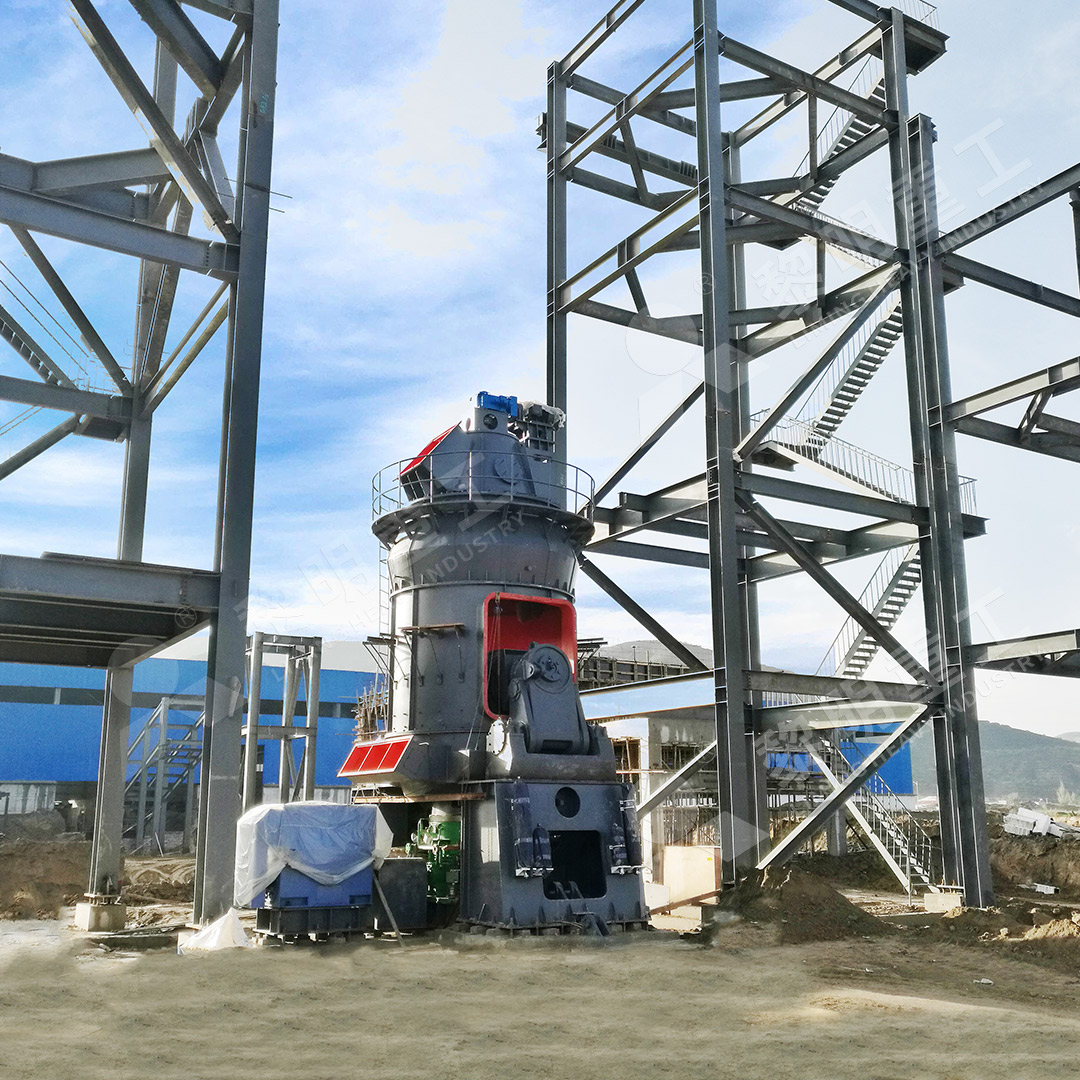
For metallurgical coke producers, the choice of grinding equipment directly impacts product quality and plant profitability. Traditional ball mills or Raymond mills often struggle with the hard, abrasive nature of coke, leading to high wear rates and frequent downtime. In contrast, the LM Vertical Roller Mill from LIMING is designed to handle the specific challenges of coke grinding. Its patented milling device uses a rotating table and stationary rollers to crush and grind material under controlled pressure. The automatic electric control system adjusts feed rate, grinding pressure, and classifier speed in real time, ensuring consistent product fineness—typically 200 mesh or finer—required for optimal coke combustion and reactivity in blast furnaces. The mill’s closed-circuit operation with a dynamic separator means oversize particles are returned for further grinding, achieving utilization rates above 95%.
One of the standout features of the LM Vertical Roller Mill is its ability to combine drying with grinding. Metallurgical coke often contains residual moisture from the coking process, which can cause clogging in conventional mills. Our vertical mill uses a hot air stream (up to 350°C) that enters the grinding chamber from below, drying the material as it rises. This integrated drying-grinding system eliminates the need for separate dryers, reducing capital costs and floor space requirements. The mill also features a wear-resistant lining made of high-chrome steel, extending service life by 30% compared to standard liners. For metallurgical coke with a Hardgrove Grindability Index (HGI) typically between 40 and 60, our mill achieves specific energy consumption of 20–30 kWh per ton, significantly lower than ball mills which may require 40–50 kWh per ton. Fluid dynamic simulations show that the optimized airflow pattern minimizes pressure drop and ensures uniform particle distribution, crucial for downstream processes like pulverized coal injection (PCI) systems.
Beyond the technical specifications, the operational experience of LIMING Heavy Industry sets us apart. With a headquarter covering 80,000 m² in Zhengzhou‘s HI-TECH Zone and a second workshop in Shangjie covering 67,000 m², our company has accumulated over 30 years of manufacturing expertise. We adhere to a modern scientific management system that emphasizes precision manufacturing and continuous innovation. For metallurgical coke applications, we often recommend the LM130K or LM150K models, which are specifically calibrated for coal and coke grinding. These mills feature a hydraulic tensioning system that automatically adjusts roller pressure based on material bed thickness, preventing vibration and ensuring smooth operation even when feed quality varies. An auxiliary drive allows the mill to start under load, eliminating the need to empty the grinding chamber before restart—an advantage during shutdowns or maintenance. The entire system is enclosed and equipped with a pulse dust collector, meeting stringent environmental regulations in countries like China, India, and Germany where coke plants are concentrated.
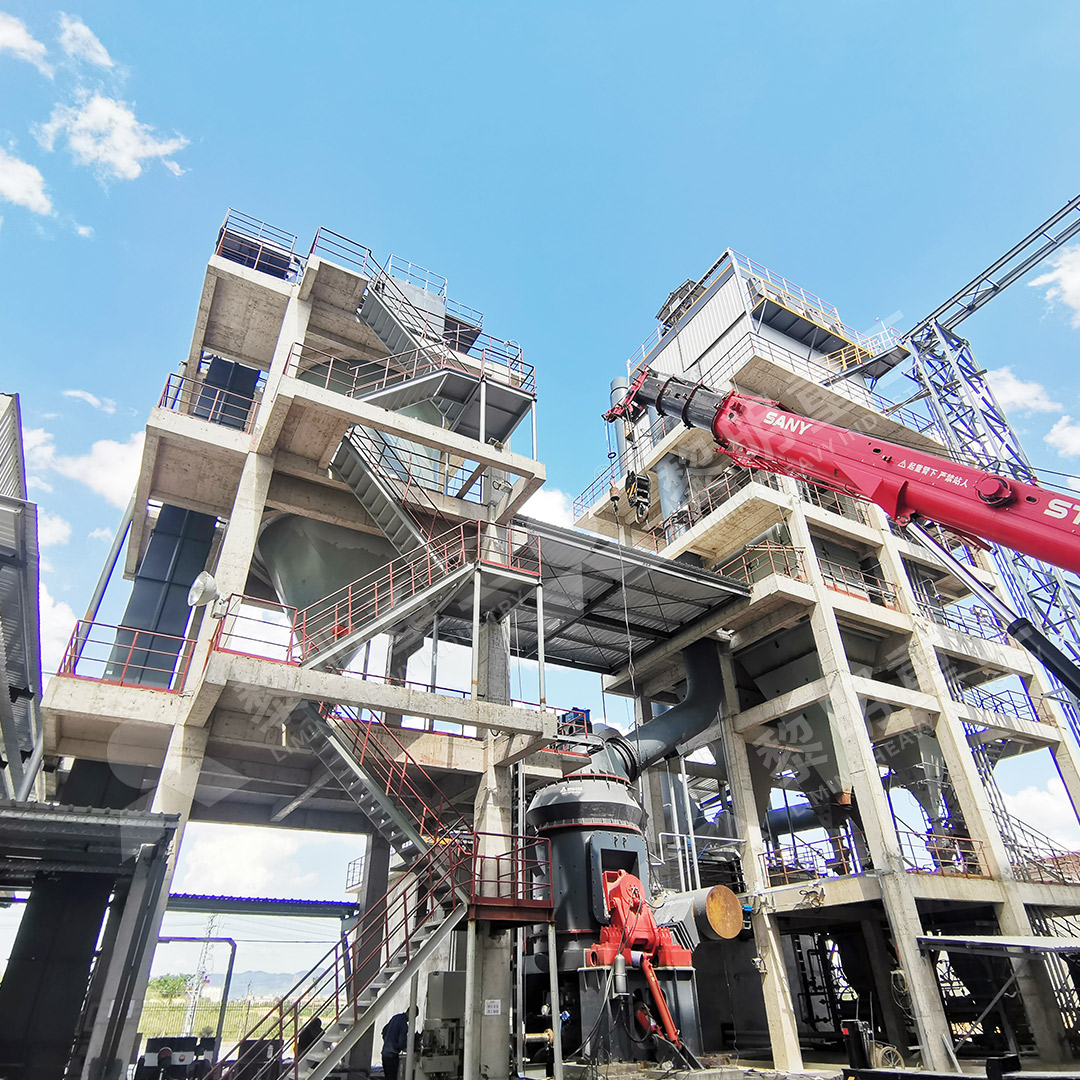
Another important consideration for metallurgical coke processors is the flexibility to switch between coke, coal, and other materials. The LM mill’s modular design allows quick changeover of grinding rollers and liners for different feedstock. For example, when processing petroleum coke (a byproduct of oil refining) as a supplement to metallurgical coke, the mill can be adjusted to handle higher abrasion without significant efficiency loss. Our Raymond Mill and MTW European Type Trapezium Mill are also options for smaller-scale operations, with capacities from 1.2 to 55 tons per hour. However, for large-scale integrated steel plants demanding continuous operation with minimal downtime, the vertical roller mill remains the top choice. We have supplied mills to coke plants in more than 30 countries, with cumulative installations exceeding 2,000 units. Our scientific research team, focused on “scientific research tackling, technological progress, and improvement,” continuously optimizes mill parameters through finite element analysis and material testing, ensuring that each mill delivered meets the specific coke quality metrics (ash content, volatile matter, sulfur content) of the client’s feed.
In the competitive landscape of metallurgical coke grinding, LIMING Heavy Industry’s coal roller mill stands out for its reliability, efficiency, and long-term cost savings. The mill’s automatic lubrication system reduces manual intervention, while the remote monitoring interface allows operators to track parameters like motor current, bearing temperature, and product fineness from a central control room. This digital capability is increasingly important as steel plants adopt Industry 4.0 practices. We also provide comprehensive after-sales support, including spare parts availability from our global warehouses, on-site commissioning, and training for maintenance teams. For a metallurgical coke plant processing 200,000 tons per year, switching from a ball mill to an LM vertical roller mill can reduce electricity costs by up to 40% and increase grinding efficiency by 25%, based on actual client feedback from operations in Shandong and Hebei provinces. Our dedication to “production, learning, and research” ensures that every mill incorporates the latest advancements in tribology, thermodynamics, and control engineering.
Looking ahead, the demand for high-quality metallurgical coke remains strong as steel production increasingly shifts to countries with access to coking coal reserves. LIMING Heavy Industry is committed to advancing milling technology for this sector, with ongoing research into ultra-fine grinding for coke breeze utilization and co-grinding of coke with limestone for desulfurization applications. Our micro powder mill (MW series) can achieve fineness down to 5 μm, opening new possibilities for coke in specialty carbon products and battery materials. Regardless of the scale or complexity of your project, our team is ready to provide tailored solutions that maximize your return on investment while minimizing environmental impact. Contact us for a feasibility study or pilot plant testing using your specific metallurgical coke samples.
FAQ: Coal Roller Mill for Metallurgical Coke
1. What is the typical fineness range achieved when grinding metallurgical coke with an LM vertical roller mill?
The LM vertical roller mill can produce coke powder with fineness ranging from 80% passing 200 mesh (74 microns) to 99% passing 325 mesh (44 microns), depending on the classifier speed setting. For PCI applications, 200 mesh is standard, while for briquetting, a coarser grind may be used.
2. How does the LM mill handle the high moisture content often found in metallurgical coke?
The mill uses a hot air stream (up to 350°C) that enters the grinding chamber from below, simultaneously drying and grinding the material. This integrated system can reduce moisture from up to 15% down to less than 1% in a single pass, eliminating the need for a separate drying step.
3. What maintenance is required for the grinding rollers and table in a coal roller mill processing abrasive coke?
Grinding rollers and table liners are made of high-chrome alloy steel and typically require replacement every 8,000 to 12,000 operating hours, depending on coke abrasiveness. The mill features external roller repair capability, allowing roller replacement without entering the grinding chamber, reducing downtime by about 50% compared to conventional designs.
4. Can the LM vertical mill be used to grind both coal and metallurgical coke interchangeably?
Yes, the mill’s adjustable hydraulic pressure and variable-speed classifier allow easy changeover between coal (HGI 40-70) and metallurgical coke (HGI 40-60). However, for optimal wear life when grinding coke exclusively, we recommend using a harder liner material. The mill’s control system can store recipes for different materials, enabling push-button changeover.
5. What is the typical power consumption for grinding metallurgical coke in an LM vertical roller mill compared to a traditional ball mill?
For a typical metallurgical coke with HGI 50, the LM vertical roller mill consumes 22-28 kWh per ton, while a ball mill for the same task consumes 38-45 kWh per ton. This represents a 35-40% reduction in energy consumption. Additionally, the vertical mill reduces auxiliary power for classifiers and conveyors by about 20% due to its integrated design.


