Published: October 26, 2023
In the ever-evolving landscape of industrial mineral processing, the production of carbon black filler demands precision, efficiency, and unwavering reliability. Carbon black, a critical reinforcing agent in rubber compounds, plastics, and coatings, requires meticulous grinding to achieve consistent particle size distribution and optimal surface area. The coal grinding mill, specifically engineered for carbon black filler applications, serves as the technological backbone of this process. At Liming Heavy Industry, we have dedicated over three decades to perfecting grinding equipment that meets the stringent requirements of carbon black processing. Our comprehensive portfolio—spanning LM Vertical Roller Mills, Raymond Mills, MTW European Type Trapezium Mills, MW Micro Powder Mills, and Ball Mills—offers tailored solutions for producing high-quality carbon black filler. These systems integrate advanced drying, grinding, classification, and conveying functions into a seamless operation, ensuring superior throughput, energy efficiency, and product consistency. Whether processing petroleum coke, coal tar pitch, or natural gas-derived carbon black, our mills are designed to handle the material's unique physical and chemical properties while adhering to rigorous environmental and quality standards. This article explores the technical nuances, operational benefits, and applications of coal grinding mills for carbon black filler, drawing on Liming Heavy Industry's extensive experience and engineering expertise.
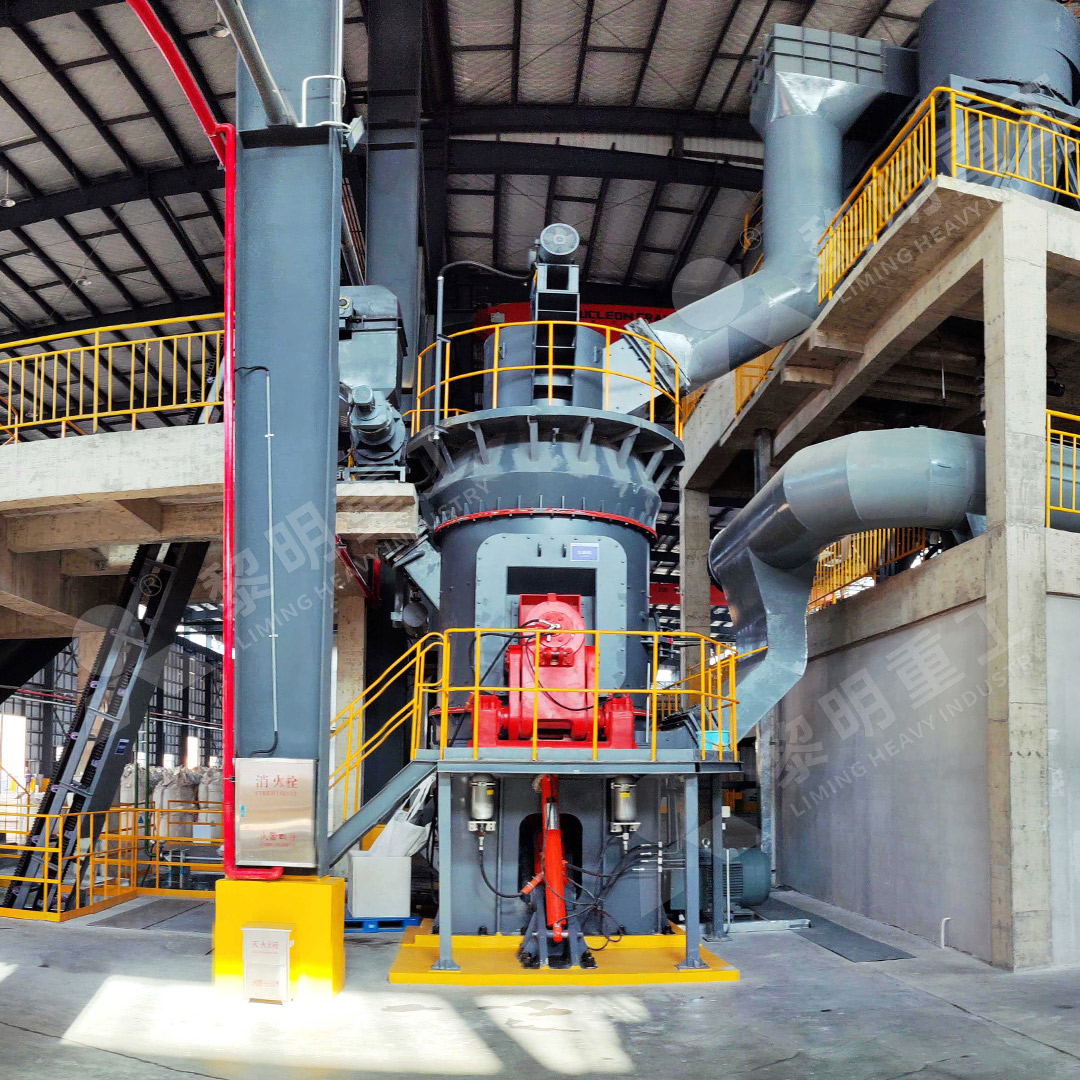
Understanding Carbon Black Filler and Its Grinding Requirements
Carbon black filler is produced through the incomplete combustion or thermal decomposition of hydrocarbons, resulting in fine particulate carbon with a high surface area-to-volume ratio. Its primary role is to enhance mechanical properties—such as tensile strength, abrasion resistance, and modulus—in rubber products like tires and conveyor belts. For optimal performance, the filler must exhibit uniform particle size, typically ranging from 10 to 500 nanometers, and controlled agglomeration. The coal grinding mill must therefore achieve extreme fineness (often below 325 mesh or 44 microns) while minimizing contamination from metallic wear parts. Additionally, the grinding process must manage the material's high volatility and potential for dust explosion through inert gas blanketing or closed-loop systems. Liming Heavy Industry's mills address these challenges through precision engineering: the LM Vertical Roller Mill, for instance, employs a hydraulic grinding mechanism that reduces friction and heat generation, preserving carbon black's chemical integrity. The MW Micro Powder Mill, with its medium-speed rotating rollers and raceway configuration, delivers ultra-fine powders (down to d97 ≤ 5 microns) ideal for high-performance filler applications.
Key Grinding Mill Technologies for Carbon Black
LM Vertical Roller Mill: The Workhorse for Large-Scale Production
The LM Vertical Roller Mill represents a paradigm shift in carbon black grinding, consolidating drying, milling, and classification into a single compact unit. Its rotating grinding table and fixed rollers create a material bed that is crushed and sheared into fine particles. The internal classifier returns oversized particles for regrinding, ensuring narrow particle size distribution. With capacities ranging from 10 to 400 tons per hour and input sizes up to 55 mm, this mill is ideal for high-volume carbon black filler operations. Its automatic electric control system stabilizes parameters like grinding pressure, air flow, and separator speed, achieving consistent product quality. For carbon black, the LM mill's advanced drying capability—utilizing hot air from the system or an external source—removes residual moisture (often below 1%) while maintaining low oxygen levels to prevent combustion. The mill's wear parts are constructed from high-chrome alloys or ceramics, minimizing iron contamination that could degrade filler performance in rubber compounds.
MTW European Type Trapezium Mill: Optimized for Medium-Scale Processing
As the evolution of traditional Raymond mills, the MTW European Type Trapezium Mill incorporates patented technologies for enhanced stability and environmental compliance. Its trapezium-shaped grinding rollers and rings reduce material slippage, improving grinding efficiency by 20–30% compared to conventional designs. The mill's built-in classifier achieves fineness ranges from 80 to 400 mesh, adjustable via variable-frequency drive. For carbon black filler, the MTW mill excels in processing materials with Mohs hardness below 7 and moisture under 6%, typical for petroleum coke derivatives. Its closed-loop pneumatic system, combined with a pulse dust collector, captures fine particles and prevents fugitive emissions—a critical advantage for meeting modern environmental regulations. The mill's input size of 30–50 mm and throughput of 3–55 tons per hour make it suitable for mid-size operations producing filler for specialty rubber or plastic masterbatches.
MW Micro Powder Mill: Precision for Ultra-Fine Filler
When carbon black filler requires superfine particle sizes—such as those used in high-durability tire treads or conductive plastics—the MW Micro Powder Mill delivers. This medium-speed mill, inspired by Swedish grinding technology, grinds materials between multiple rollers and a rotating raceway ring. Product fineness can be adjusted from 325 mesh (44 microns) down to 3250 mesh (4 microns), with d97 values as low as 5 microns. The mill's reducer-driven turnplate ensures uniform feeding and distribution of material, while the integrated pulse precipitator captures submicron particles. For carbon black, the MW mill's low operating temperature (typically below 80°C) prevents thermal degradation of the carbon structure, preserving its reinforcing properties. Its capacity of 0.5–25 tons per hour suits smaller batches or pilot-scale operations where quality control is paramount.
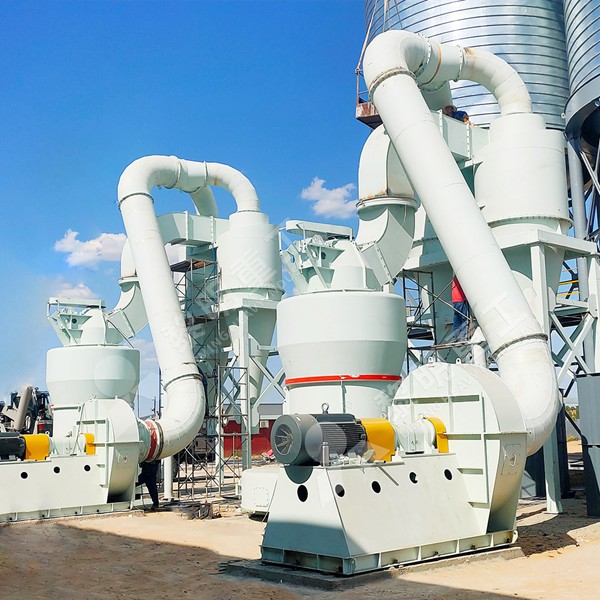
Raymond Mill and Ball Mill: Traditional Reliability
For carbon black filler applications requiring standard fineness (around 100–200 mesh), the Raymond Mill remains a cost-effective option. Its pendulum-type grinding process is simple, with output fineness adjustable between 613 and 44 microns. The Ball Mill, conversely, offers versatility for wet or dry grinding of carbon black and other materials. Its rotating drum charged with steel balls impacts and grinds the feed to sizes below 25 mm. While not as efficient as vertical mills for high-fineness carbon black, these traditional mills are still used in secondary grinding circuits or for pre-grinding before advanced classification. Liming Heavy Industry's ball mills feature ladder and ripple liners, along with various steel ball gradations, to optimize energy use and product consistency.
Working Principle and System Integration
The grinding process for carbon black filler begins with size reduction in a jaw crusher, reducing lumps to 10–55 mm. The crushed material enters a storage hopper and is fed via a vibrating feeder—or variable-frequency belt feeder in MTW mills—into the grinding chamber. In the LM vertical mill, material spreads across the rotating table and is compressed between rollers and the table surface. Hot gas (or air) lifts the fine particles to the classifier, where oversized particles drop back for regrinding. In the MW micro powder mill, the motor drives a reducer that rotates the turnplate and rollers; material falls onto the raceway ring under centrifugal force and is crushed into powder. The ground product is transported to a cyclone collector or bag filter, with the air stream recycled via a blower. The entire system is closed-loop, minimizing dust emissions and energy losses. Each mill type includes a dedicated pulse dust collector, ensuring that carbon black filler production complies with stringent environmental standards.
Applications and Industry Benefits
Coal grinding mills for carbon black filler serve diverse industries beyond rubber manufacturing. In the plastics sector, ultra-fine carbon black acts as a UV stabilizer and conductive filler in cable insulation and automotive components. In the coatings industry, it provides pigment strength and anticorrosive properties. Liming Heavy Industry's equipment supports these applications by offering modular system designs—each mill can be integrated with drying, conveying, and packaging units tailored to specific throughput and fineness targets. The LM vertical mill, for instance, is widely adopted in large-scale tire production plants where consistent filler quality is non-negotiable. The MTW mill, with its smaller footprint, suits chemical plants producing masterbatch granules. The MW mill's ability to achieve submicron particles makes it valuable for research institutions developing next-generation conductive polymers.
Quality Assurance and Innovation
Liming Heavy Industry's commitment to quality is embedded in its modern manufacturing facilities in Zhengzhou and Shangjie, covering over 147,000 square meters. Our scientific research team focuses on industry-leading innovations—such as variable-frequency drive systems for energy savings, laser-analyzed grinding profiles for longevity, and automated control loops for part-per-million product consistency. Every coal grinding mill for carbon black filler undergoes rigorous testing on our pilot-scale grinding circuit, simulating customer-specific feedstock and operating conditions. This approach ensures that our machines deliver the specified capacity, fineness, and power consumption from day one. We also provide comprehensive aftermarket support, including wear parts replacement and digital monitoring services to maximize uptime.
Environmental and Operational Considerations
Carbon black grinding generates fine dust that poses both health and explosion risks. Liming Heavy Industry mills incorporate inert gas blanketing (nitrogen or CO2) and pressure relief panels to mitigate explosion hazards. The closed-loop air circulation system, combined with high-efficiency bag filters, reduces particulate emissions to below 10 mg/Nm³. Our mills also feature noise-dampening housings and vibration sensors, protecting operators and equipment. Energy efficiency is another hallmark—the LM vertical mill consumes 30–50% less energy than conventional ball mills for carbon black grinding, translating to lower production costs and smaller carbon footprint.
Conclusion
Selecting the right coal grinding mill for carbon black filler is a strategic decision that impacts product quality, operational costs, and regulatory compliance. Liming Heavy Industry, with over 30 years of expertise and a comprehensive range of mills—from the robust LM Vertical Roller Mill to the precision-focused MW Micro Powder Mill—provides solutions for every scale and specification. Our machines integrate cutting-edge technology, proven reliability, and environmental stewardship, ensuring that carbon black filler producers can meet the most demanding customer requirements. By partnering with us, you gain access to a legacy of engineering excellence and a team dedicated to advancing the science of mineral grinding.
FAQ
- What is the typical fineness range achievable for carbon black filler using Liming Heavy Industry mills? Our mills offer adjustable fineness from 613 microns (approximately 28 mesh) down to 4 microns (3250 mesh). The LM Vertical Roller Mill typically achieves 80–400 mesh, while the MW Micro Powder Mill can reach d97 ≤ 5 microns, suitable for ultra-fine filler applications.
- How does the LM Vertical Roller Mill handle the high moisture content sometimes present in carbon black feedstocks? The LM mill integrates hot air into the grinding chamber, allowing simultaneous drying and grinding. This system can reduce moisture levels from up to 15% down to below 1%, using the generated heat efficiently. The automatic control system adjusts air temperature and volume based on real-time moisture sensors.
- What safety features are included for carbon black grinding, given the material's combustible nature? Liming Heavy Industry mills are equipped with inert gas (nitrogen or CO2) injection systems to reduce oxygen concentration inside the mill below the minimum explosive limit (typically below 8% O2). Additionally, explosion venting panels, spark detection, and suppression systems are standard options. The closed-loop design further minimizes dust leakage.
- Can the MTW European Type Trapezium Mill be retrofitted into an existing carbon black filler production line? Yes, the MTW mill's modular design allows for integration with existing crushers, feed systems, and downstream classification equipment. Its compact footprint and flexible foundation requirements facilitate retrofitting. Our engineering team can customize the mill's inlet and outlet configurations to match your plant layout.
- What maintenance is required for the wear parts in a coal grinding mill processing carbon black? Wear parts—such as grinding rollers, rings, and liners—typically require inspection every 1,000–2,000 operating hours, depending on the mill type and carbon black hardness. Liming Heavy Industry provides wear parts with surface hardness of 55–65 HRC, extending service life. Scheduled maintenance includes checking oil viscosity in the reducer, cleaning the pulse dust collector filters, and verifying classifier blade wear. Our digital monitoring system alerts operators when part replacement is needed.


