Coal ultrafine grinding for fuel injection is a critical process in modern power generation and industrial combustion systems, where reducing particle size to micron or sub-micron levels significantly improves combustion efficiency, reduces emissions, and enhances fuel handling properties. This article provides a comprehensive overview of the technology, equipment, and best practices for achieving ultrafine coal grinding, drawing on decades of experience from a leading manufacturer in the field. Key benefits include increased surface area for faster ignition, more complete carbon burnout, lower NOx and SOx formation, and the ability to use lower-grade coals in existing burners. We examine the working principles, machine specifications, and system integration for the most effective grinding solutions, supported by practical insights from over 30 years of industrial applications.
Coal remains a dominant fuel source for electricity generation and industrial heat, but environmental regulations and efficiency demands have driven the need for advanced preparation techniques. Ultrafine grinding—typically producing particles below 0.075 mm (200 mesh) and often down to 10–50 micrometers—enables fuel injection systems to achieve near-complete combustion. When coal particles are ground to this fineness, they behave almost like a gas, allowing for precise control of fuel-to-air ratios and flame stability. This not only maximizes thermal output per ton of coal but also minimizes unburned carbon in ash, reducing waste and disposal costs. Moreover, finer particles facilitate the release of volatile matter earlier in the combustion process, lowering peak flame temperatures and consequently reducing thermal NOx formation. For plant operators, the move to ultrafine grinding can mean a 5–15% improvement in boiler efficiency and a corresponding drop in CO2 emissions per megawatt-hour.
The core technology behind effective coal ultrafine grinding lies in the design of the mill and its auxiliary systems. Vertical roller mills (VRMs) are particularly well-suited for this task due to their integrated drying, grinding, and classification functions. For instance, the LM vertical roller mill, a flagship product of our company, employs a unique milling device and an automatic electric control system that ensures consistent product fineness. The mill operates by feeding raw coal (with an input size of 30–55 mm) onto a rotating grinding table, where it is crushed between the table and tapered rollers. Hot gas enters the mill to dry the coal, and the resulting fine particles are carried upward to an integrated classifier. Oversized particles are returned for further grinding, while the product meeting the desired fineness is collected in a bag filter or cyclone. This closed-circuit design ensures energy efficiency and minimal dust emissions, critical for plant safety. With capacities ranging from 10 to 400 tons per hour, the LM mill can handle the demands of large utility boilers while maintaining a product fineness of 80% passing 200 mesh or finer, ideal for fuel injection systems.
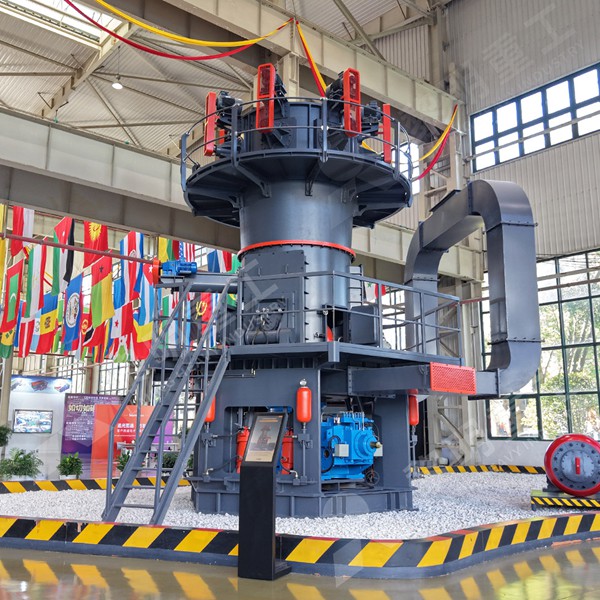
For smaller-scale operations or retrofits where space is limited, other grinding technologies offer flexibility. The Raymond mill, a classic and robust design, remains a workhorse for coal grinding in many industries. It is capable of producing fineness between 613 μm and 44 μm (approximately 30–325 mesh), suitable for standard pulverized coal injection systems. However, for true ultrafine grinding targeting fuel injection applications, the MTW European-type trapezium mill and the MW micro powder mill provide superior performance. The MTW mill, an upgrade of traditional Raymond and pendulum mills, features a patented grinding roller and ring design that increases grinding efficiency by 30% compared to conventional models. Its capacity range of 3–55 TPH and input size up to 50 mm make it ideal for medium-scale coal preparation. The mill's working principle involves a jaw crusher reducing feed size, then a belt feeder delivering material into the mill for grinding between rings and rollers. A high-efficiency separator ensures that only particles below the cutoff size exit the system, while oversized material recirculates. The pulse dust collector integrated into the system guarantees that ambient air quality standards are met, which is a non-negotiable requirement in modern plants.
When the target is ultra-fine powder, the MW micro powder mill excels. This equipment is built on advanced Swedish grinding technology and can achieve a product fineness of up to d97 ≤ 5 μm (approximately 2,500 mesh), with adjustable settings for particle sizes from 325 to 3,250 mesh. For coal fuel injection, such extreme fineness is not always required, but the ability to adjust accurately allows operators to optimize combustion for different coal ranks. The mill's working mechanism involves a main shaft driven by a motor through a reducer, which rotates multiple rollers against a grinding ring. Feed material, crushed in a hammer crusher, enters the mill via an elevator and vibrating feeder, and is ground by the roller-ring assembly. The fine particles are carried by an air stream to a classifier, with the oversized portion falling back for further grinding. The closed-loop system includes a pulse precipitator for dust control, making the process environmentally friendly. This mill is especially advantageous for blending coal with biomass or other fuels, as the consistent particle size distribution ensures homogeneous mixing and stable combustion.
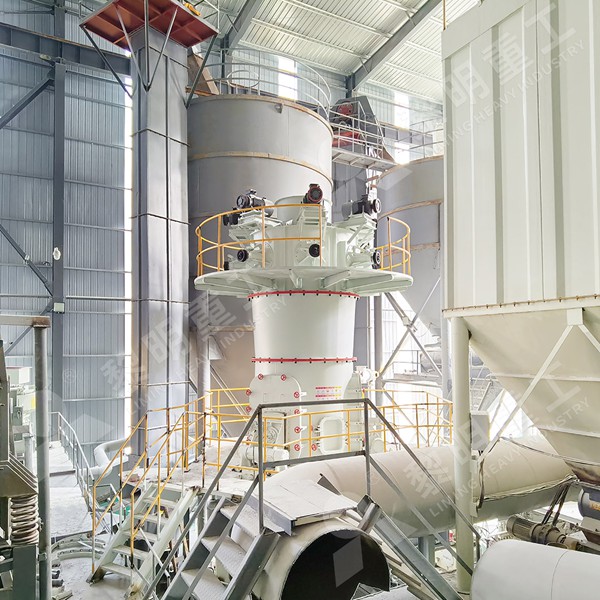
System integration is just as important as the mill itself. A typical coal ultrafine grinding circuit for fuel injection includes a crusher (jaw or hammer crusher), a hopper, a variable-frequency belt feeder, the grinding mill, a classifier (built-in for VRM or external for some mills), a baghouse or electrostatic precipitator for dust collection, air blowers or fans, and a control panel with PLC. For coal applications, safety measures such as inert gas blanketing (using nitrogen or CO2), explosion venting, and temperature monitoring are mandatory due to the risk of coal dust explosions. Our company's design philosophy incorporates these safety features as standard, with automatic shutdown sequences if temperature or pressure thresholds are exceeded. The control system adjusts feed rate, gas flow, and classifier speed in real-time to maintain product quality, ensuring that the fuel injection system receives a consistent stream of ultrafine coal.
Over the past 30 years, our company has established a reputation as a leader in this field, with our equipment operating in cement plants, power stations, and industrial boilers across the globe. Based in the HI-TECH Industry Development Zone of Zhengzhou, with a second workshop in Shangjie Industry Park, we have the capacity to produce large and medium-sized grinding mills that meet international standards. Our scientific research team focuses on tackling key challenges such as wear resistance of grinding parts, energy consumption reduction, and achieving sub-micron particle sizes. Recent innovations include the use of composite materials for grinding rolls that extend service life by 40% compared to traditional alloys, and adaptive control algorithms that optimize mill performance based on real-time coal moisture analysis. For plant managers considering an upgrade to ultrafine grinding, the total cost of ownership—including capital, maintenance, and energy—is typically recouped within 12–18 months through fuel savings and improved boiler availability. Both technical support and after-sales service are available globally to ensure seamless commissioning and operation.
In conclusion, coal ultrafine grinding for fuel injection is a proven technology that delivers tangible benefits in combustion efficiency, emission reduction, and fuel flexibility. Whether you need a large-scale LM vertical roller mill for a new power plant, a rugged Raymond mill for an existing facility, an efficient MTW mill for a medium-scale operation, or a precision MW micro powder mill for ultra-fine applications, the right equipment can transform your fuel preparation process. With a foundation of over three decades of innovation and a commitment to quality, our company provides not just machines but complete solutions tailored to your specific coal type and combustion system.
Frequently Asked Questions (FAQ)
- What is the typical particle size required for coal ultrafine grinding in fuel injection systems?
For modern fuel injection systems, the target fineness is usually 80% passing 200 mesh (74 μm) or finer. For ultra-efficient combustion or co-firing with biomass, particle sizes down to 10–50 μm (d90) are common, which can be achieved with MW micro powder mills or well-tuned vertical roller mills. - How does ultrafine coal grinding reduce NOx emissions?
Ultrafine grinding promotes earlier and more complete combustion, which lowers peak flame temperatures. Lower peak temperatures reduce thermal NOx formation. Additionally, finer particles allow for better mixing with air, enabling staged combustion strategies that further suppress NOx. - What safety measures are required for grinding coal to ultrafine sizes?
Coal dust is explosive. Essential safety features include inert gas blanketing (N2 or CO2) in the mill and baghouse, explosion vents, temperature monitoring with automatic shutdown, antistatic equipment, and proper grounding. All LIMING mills for coal applications are designed with these safety systems as standard. - Can existing Raymond or ball mills be upgraded for ultrafine grinding?
Retrofitting is possible but often limited. Traditional Raymond mills can be upgraded with high-efficiency classifiers and improved roller suspensions, but for true ultrafine output (e.g., d90 < 30 μm), dedicated mills like the MTW or MW series are more economical and reliable due to their advanced design and energy efficiency. - What is the typical energy consumption for ultrafine coal grinding?
Energy consumption varies with coal hardness, moisture, and target fineness. For a vertical roller mill producing 80% passing 200 mesh, it ranges from 20–40 kWh/ton. For ultra-fine grinding below 30 μm, consumption may rise to 50–80 kWh/ton. However, the overall system efficiency improvement in the boiler often offsets this increased grinding energy.


