Published: October 26, 2023
Coal grinding mills play a critical role in syngas production by providing finely pulverized coal feedstock with controlled particle size distribution for gasification reactors. The efficiency of syngas generation—whether for power generation, chemical synthesis, or hydrogen production—directly depends on the quality and consistency of coal grinding. A well-designed coal grinding mill ensures optimal surface area exposure, uniform feeding, and reduced energy consumption in downstream gasification processes. This article explores the technical requirements for coal grinding in syngas applications, examines key mill types suitable for this duty, and highlights how advanced grinding technologies from Liming Heavy Industry address the specific challenges of preparing coal for gasification systems.
Technical Requirements for Coal Grinding in Syngas Systems
Syngas production, typically through gasification processes such as entrained-flow, fluidized-bed, or fixed-bed reactors, demands coal feedstock with precise specifications. The grinding process must achieve a fineness typically in the range of 70–90% passing through 200 mesh (74 μm), with moisture content reduced to below 2% for efficient gasification. Oversized particles can lead to incomplete carbon conversion, slagging issues, and reduced cold gas efficiency, while excessively fine particles may cause handling difficulties and increased dust explosion risks. Additionally, the coal grinding mill must handle variations in coal hardness (HGI values ranging from 30 to 100), moisture content (up to 20% as-received), and ash content without compromising throughput or product quality. For integrated gasification combined cycle (IGCC) plants or coal-to-chemicals projects, the grinding system must operate reliably 24/7 with minimal downtime, making equipment durability and easy maintenance essential.
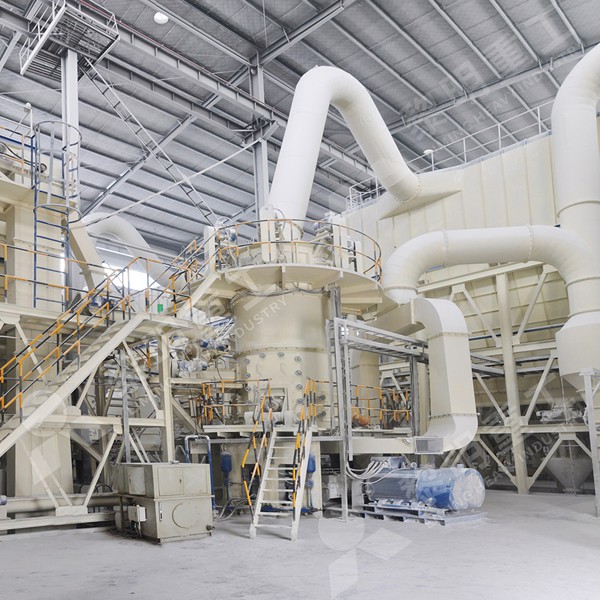
Key Mill Types for Coal Grinding in Syngas Applications
1. LM Vertical Roller Mill
The LM Vertical Roller Mill from Liming Heavy Industry is particularly well-suited for coal grinding in syngas production due to its integrated drying, grinding, and classification capabilities. With a capacity range of 10–400 T/H and feed sizes up to 55 mm, this mill can handle run-of-mine coal directly while simultaneously reducing moisture from 15–20% to below 2% using hot gases from the gasification process or external heat sources. The mill's hydraulic grinding system applies adjustable pressure to the grinding rollers, ensuring consistent particle size distribution even with varying coal feed characteristics. The built-in dynamic classifier allows precise control of product fineness, typically producing a coal powder with 80% passing 200 mesh or finer. For large-scale syngas plants requiring 100–300 tons per hour of pulverized coal, the LM vertical mill offers a compact footprint (reducing installation space by up to 50% compared to ball mill systems), lower specific energy consumption (typically 20–30% less than ball mills), and quieter operation. The mill body is designed with wear-resistant liners and the grinding rollers can be easily flipped or replaced to extend service life, minimizing maintenance shutdowns.
2. MTW European Type Trapezium Mill
For medium-scale syngas operations or coal gasification units producing 5–50 TPH of syngas, the MTW European Type Trapezium Mill presents an economical and efficient solution. This mill upgrades traditional Raymond mill technology with trapezium-shaped grinding rollers and rings, which increase grinding efficiency by 20–30% and reduce energy consumption. The MTW mill can process coal with feed sizes of 30–50 mm and produce fineness adjustable from 80 mesh to 600 mesh (180–25 μm). Its closed-circuit system, consisting of the mill, separator, air blower, and pulse dust collector, ensures that the grinding process meets strict environmental standards while recovering fine coal particles that would otherwise be lost. The variable-frequency belt feeder provides precise control over feed rate, essential for maintaining stable operating conditions in downstream gasifiers. For syngas projects where space is limited or budget constraints require a balance between capital investment and operating costs, the MTW mill offers proven reliability with over three decades of field experience in coal grinding applications worldwide.
3. Ball Mill Systems
Traditional ball mills remain relevant in certain syngas configurations, particularly where extremely fine grinding (d50 < 10 μm) is required for slurry-fed gasifiers or where the coal contains abrasive minerals that would rapidly wear roller-type mills. Liming Heavy Industry ball mills, with capacities from 0.65–50 T/H and feed sizes up to 25 mm, utilize steel balls as grinding media to crush and grind coal through impact and attrition. The mill is a horizontal rotating device with ladder or ripple liners that protect the shell while enhancing grinding efficiency. Advanced ball mill circuits for syngas often incorporate closed-circuit operation with high-efficiency air classifiers to minimize over-grinding and reduce energy consumption. While ball mills generally have higher specific energy consumption (25–35 kWh/t for coal grinding) compared to vertical roller mills (15–20 kWh/t), they offer greater flexibility in grinding various coal types and can operate reliably with minimal operator intervention. For smaller syngas plants (10–50 MW thermal input) or as part of a hybrid grinding system, ball mills provide a cost-effective solution with well-understood maintenance requirements.
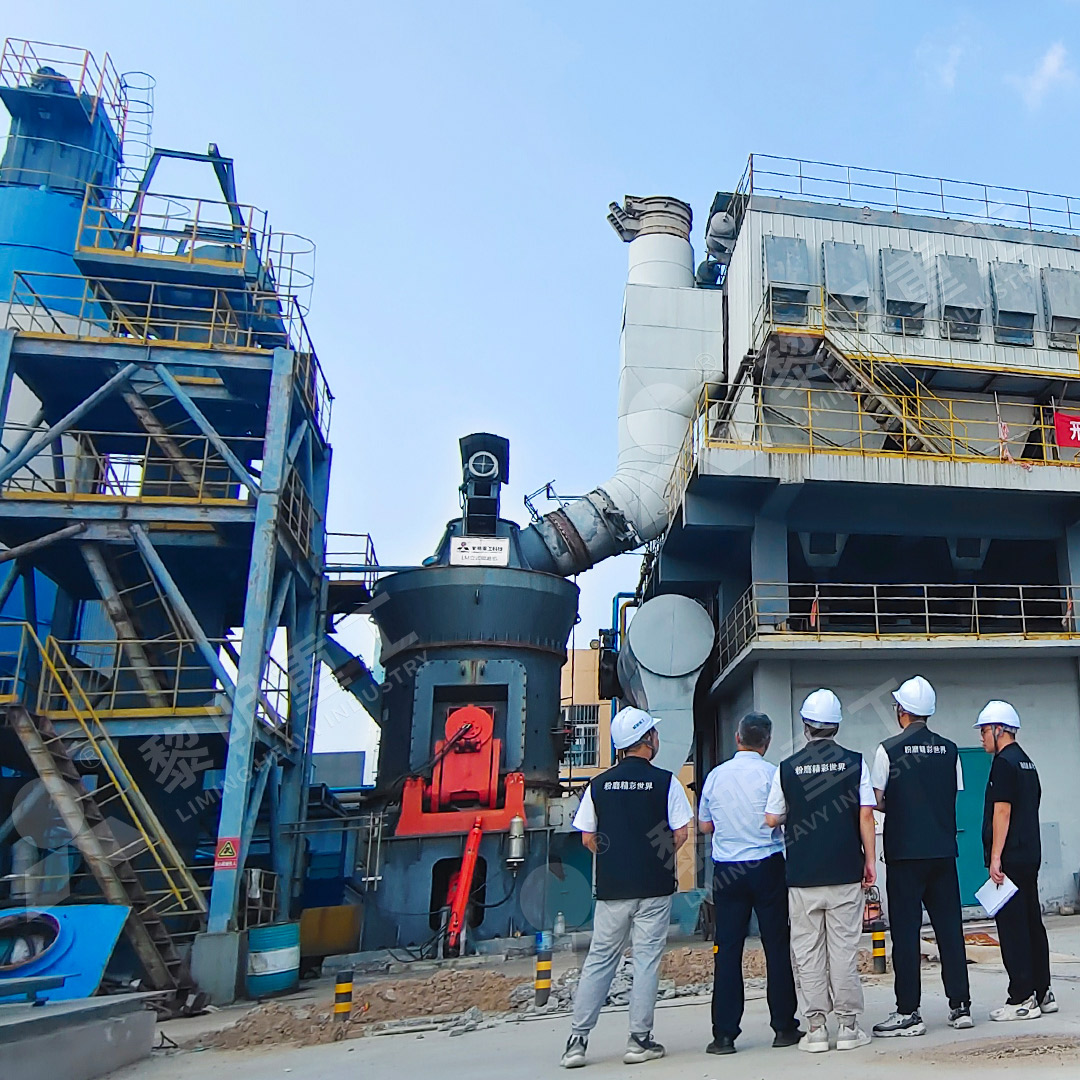
Process Integration and Auxiliary Systems
The coal grinding mill for syngas production operates as part of a comprehensive preparation system. Raw coal from storage silos is typically crushed by a jaw crusher or hammer crusher to below 20–55 mm before entering the mill. A belt feeder with variable frequency drive ensures uniform feeding, with the mill inlet connected to a hot gas generator or waste heat recovery system to provide the thermal energy for moisture removal. The pulverized coal, carried by the gas stream, passes through the classifier where oversized particles are returned to the grinding zone. Fine coal is collected in a bag filter or cyclone before being pneumatically conveyed to the gasifier feed system. The closed-loop gas circuit minimizes heat loss and dust emissions. Liming Heavy Industry provides complete turnkey systems including motors, electric cabinets, dust collectors, and control automation, with PLC-based systems that monitor mill vibration, temperature, pressure, and power consumption in real time to optimize grinding performance for varying coal feed conditions.
Benefits of Proper Coal Grinding for Gasification
Optimized coal grinding delivers quantifiable benefits to syngas production: improved carbon conversion efficiency (typically 95–99% versus 80–90% with poor grinding), reduced slagging and fouling in the gasifier, lower oxygen consumption (up to 10% reduction for entrained-flow gasifiers), and enhanced syngas quality with higher H₂+CO content and reduced tar formation. The ability to adjust fineness in real time allows operators to respond to changes in coal quality without shutting down the gasifier. Furthermore, modern grinding mills from Liming Heavy Industry incorporate energy recovery and waste heat utilization features that reduce the overall carbon footprint of syngas production by 5–15% compared to older grinding technologies. With over 30 years of experience in manufacturing grinding equipment and a track record of installations in coal chemical, power generation, and steel industries globally, Liming Heavy Industry's coal grinding mills are engineered to meet the demanding requirements of continuous syngas production while maintaining high availability (typically >95% uptime) and low operating costs.
FAQ: Coal Grinding Mill for Syngas Production
Q1: What is the typical required fineness for coal used in syngas gasification?
A1: For most entrained-flow gasifiers, coal fineness should be 70–90% passing through 200 mesh (74 μm), with a maximum particle size of 300 μm. Fluidized-bed gasifiers may accept coarser grind, typically 0–6 mm, but uniform particle distribution is still critical for efficient gas-solid reactions.
Q2: Can a single coal grinding mill handle multiple coal types for syngas production?
A2: Yes, advanced mills like the LM Vertical Roller Mill can handle coal with HGI values from 30 to 100 by adjusting grinding pressure, classifier speed, and air flow. However, switching from high-volatile bituminous to petcoke or anthracite may require re-optimization of mill parameters to maintain capacity and fineness.
Q3: What is the energy consumption of coal grinding for syngas systems?
A3: Specific energy consumption typically ranges from 15–25 kWh/ton for vertical roller mills and 25–35 kWh/ton for ball mills, depending on coal hardness, moisture content, and target fineness. Hot gas generation for drying adds additional thermal energy, often sourced from waste heat in the gasification plant.
Q4: How does moisture content affect coal grinding performance?
A4: Moisture above 5–6% in the mill feed reduces grinding efficiency, increases power consumption, and risks plugging the mill or classifier. Most gravity syngas plants require coal dried to below 2% moisture, which is achieved in the mill itself using hot gas at 300–400°C inlet temperature. The LM vertical mill can handle up to 20% moisture at the feed while producing dry product.
Q5: What maintenance is required for coal grinding mills in syngas service?
A5: Routine maintenance includes inspecting grinding rollers and rings for wear (typically every 1,500–3,000 operating hours), checking classifier blades, lubricating bearings, and cleaning air filters. Major overhauls are recommended every 8,000–12,000 hours, involving replacement of wear parts and inspection of the gearbox. Liming Heavy Industry mills are designed with easy-access maintenance features to minimize downtime in continuous syngas operations.


