Published on October 4, 2023
In the realm of thermal power generation, the coal grinding plant stands as a critical component for ensuring efficient combustion and optimal energy output. This article provides a comprehensive overview of the technologies and equipment used in coal grinding for thermal power plants, drawing on the expertise of Liming Heavy Industry Co., Ltd., a leader in crushing and grinding machinery since 1987. We explore key systems such as vertical roller mills, Raymond mills, European trapezium mills, micro powder mills, and ball mills, each tailored to meet the demands of coal preparation. These solutions integrate drying, grinding, and classification into streamlined processes, enabling power plants to achieve high productivity, low energy consumption, and environmental compliance. By examining applications, working principles, and capacity ranges, we aim to guide engineers and plant operators in selecting the right equipment for their coal grinding needs, ultimately enhancing thermal power efficiency.
Overview of Coal Grinding in Thermal Power
Coal grinding is a fundamental process in thermal power plants, where raw coal is pulverized into fine powder to improve combustion efficiency and reduce emissions. The ground coal, often referred to as pulverized fuel, is blown into the boiler furnace, where it burns more completely than lump coal. This process not only increases heat release rates but also minimizes unburned carbon and pollutant formation. At Liming Heavy Industry, our decades of experience in manufacturing grinding equipment have resulted in a suite of machines designed to handle coal's hardness, moisture content, and abrasiveness. From large-scale vertical mills processing up to 400 tons per hour to compact Raymond mills for smaller operations, our portfolio addresses diverse plant requirements. The choice of grinding technology depends on factors like coal type (e.g., bituminous, sub-bituminous, or lignite), required fineness (typically 70-80% passing 200 mesh), and plant capacity. In the following sections, we detail key equipment and their roles in coal grinding for thermal power.
Key Coal Grinding Technologies
1. LM Vertical Roller Mill
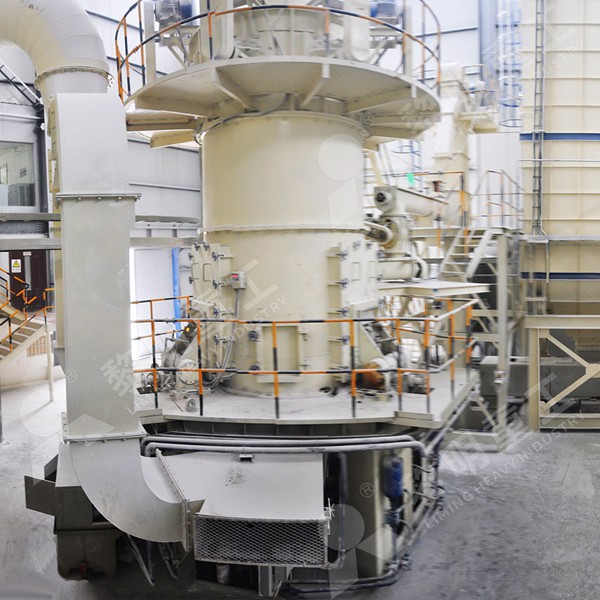
The LM Vertical Roller Mill is a flagship product for coal grinding in thermal power plants, integrating drying, grinding, powder selection, and conveying in a single unit. With a capacity range of 10-400 T/H and an input size of 30-55 mm, it excels in processing coal, slag, and non-metallic minerals. The mill features a new milling device and an automatic electric control system, ensuring stable operation and precise fineness adjustment. In thermal power applications, the LM mill reduces energy consumption by up to 30% compared to traditional ball mills, while its closed-circuit design minimizes dust emissions. Its ability to handle high-moisture coals (up to 15%) makes it ideal for lignite-fired plants. The vertical structure saves floor space, a critical advantage in retrofitting existing power stations. Liming's focus on innovation has made this mill a standard for large-scale coal preparation, with installations across Asia, Africa, and South America.
2. Raymond Mill
For smaller thermal power plants or coal handling units, the Raymond Mill offers a reliable solution for pulverized coal preparation. Handling capacities from 1.2 to 4.5 T/H with an input size of 15-25 mm, this mill processes non-flammable and non-explosive materials under 7 Mohs hardness and less than 6% humidity. The output fineness ranges from 613 μm to 44 μm (30-350 mesh), adjustable to meet combustion requirements. In power plants, the Raymond Mill is often used for grinding coal for desulfurization or for feeding small-scale boilers. Its low capital cost and simple operation make it a popular choice for emerging markets. The mill's classic pendulum design ensures consistent grinding while the built-in classifier maintains product quality. For thermal power operators prioritizing reliability over ultra-high capacity, the Raymond Mill remains a proven workhorse.
3. MTW European Type Trapezium Mill
As an upgrade to traditional Raymond and pendulum mills, the MTW European Type Trapezium Mill delivers high productivity and environmental benefits for coal grinding. With capacities between 3-55 TPH and input sizes up to 50 mm, it is engineered for large-scale non-metallic mineral powder making, including limestone desulfurization and solid fuel grinding in power plants. The system includes a grinding mill, separator, air blower, jaw crusher, vibrating feeder, hopper, and pulse dust collector, operating in a closed loop to recycle air and reduce emissions. The trapezium grinding ring and roller design increase grinding efficiency while lowering vibration and noise. In thermal power applications, the MTW mill is particularly effective for coal blends with varying moisture levels, thanks to its integrated drying capability. Liming's commitment to technological advancement is evident in this mill's patented features, which improve wear life and reduce maintenance downtime.
4. MW Micro Powder Mill
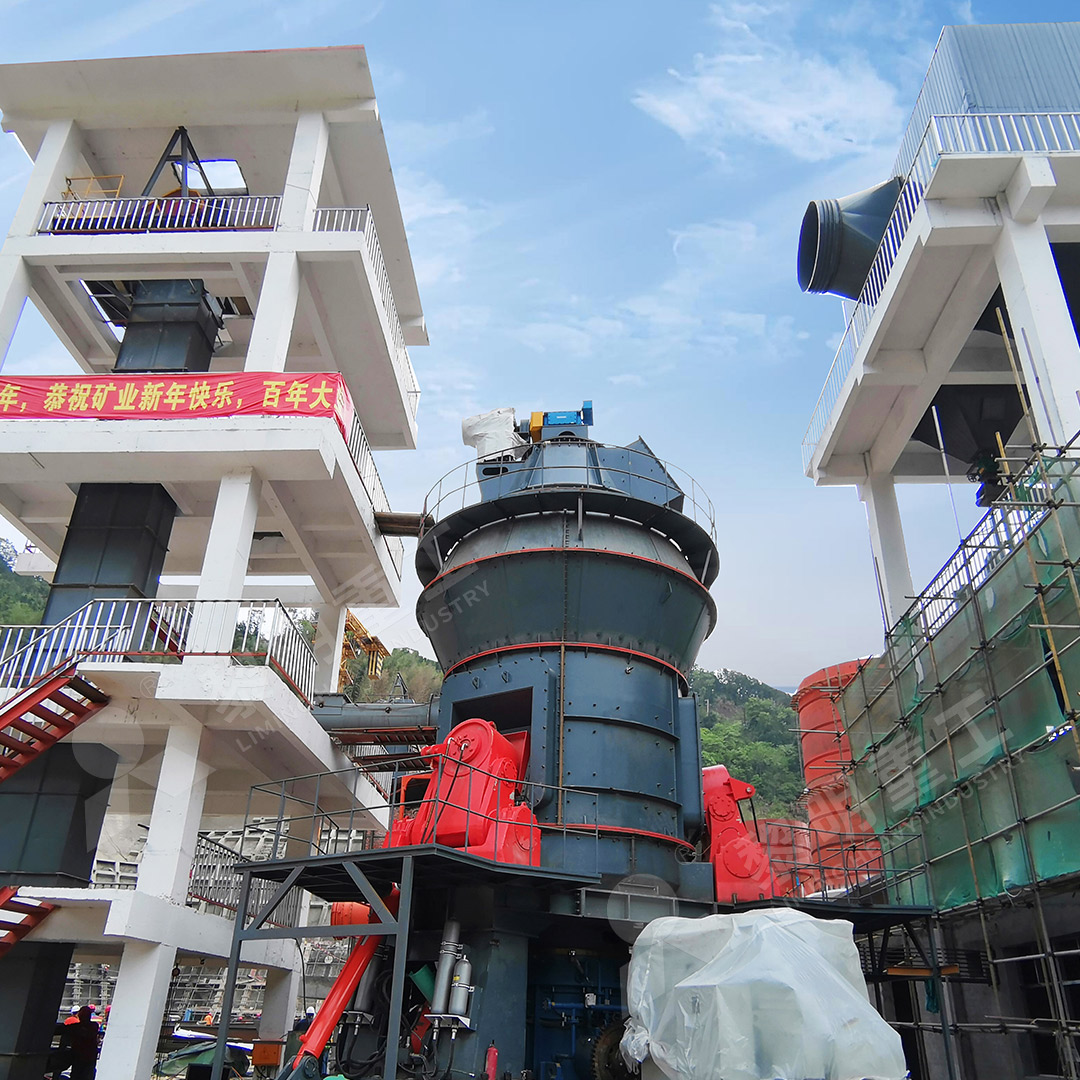
For thermal power plants requiring ultra-fine coal powder, the MW Micro Powder Mill provides a solution with fineness up to d97 ≤ 5 μm (adjustable from 325-3250 mesh). Its capacity ranges from 0.5 to 25 T/H with an input size of 10-20 mm. Employing advanced Swedish grinding technology, this medium-speed micro-grinding mill is ideal for specialized applications like superfine pulverized coal injection in blast furnaces or co-firing with biomass. The MW mill uses a reducer-driven main shaft to rotate dozens of rollers against the ring raceway, crushing material into powder. Equipped with a pulse precipitator, the system ensures clean operation, meeting strict environmental regulations in countries like China and India. Although less common for standard thermal power, this mill offers unique value for research facilities or plants exploring high-efficiency coal processing.
5. Ball Mill
The Ball Mill remains a classic choice for coal grinding in thermal power plants, especially for wet or dry grinding of coal and other materials. Handling capacities from 0.65 to 50 T/H with input sizes ≤ 25 mm, the ball mill is a horizontal rotating device with a central quill shaft feeding material into the chamber. Inside, ladder or ripple liners and steel balls of varying sizes grind the coal through impact and attrition as the barrel rotates. The ground material is discharged through a board, completing the process. In thermal power, ball mills are used in coal-fired boilers, cement preparation, and desulfurization systems. Their robust design tolerates abrasive coals and operates reliably over long periods. However, they typically consume more energy and occupy more floor area than vertical mills, making them less favorable in modern plants unless retrofitting constraints dictate their use. Liming's ball mills feature optimized gear drives and liners to improve efficiency and reduce wear costs.
Working Principle of a Typical Coal Grinding Line
A complete coal grinding line for thermal power typically includes a jaw crusher for primary crushing, a vibrating feeder for controlled feeding, the grinding mill (e.g., MTW or LM), a separator for fineness control, an air blower for material transport, a dust collector for emission control, and final powder collection. The process begins with crushing raw coal to the mill's input size. The variable-frequency belt feeder ensures even, continuous feeding into the mill chamber, where coal is ground between rings and rollers. Air flow carries fine particles upward; those passing the separator are collected as product, while oversize particles fall back for regrinding. The air is recycled through the blower, maintaining a closed system that minimizes heat loss. The pulse dust collector captures ultrafine particles, ensuring compliance with environmental standards. This integrated design, championed by Liming Heavy Industry, reduces auxiliary power consumption and operator intervention, aligning with the industry's push for smarter, greener energy production.
Conclusion: Optimizing Coal Grinding for Thermal Power
Selecting the right coal grinding plant is pivotal for thermal power efficiency and sustainability. Liming Heavy Industry's portfolio—from high-capacity LM vertical mills to flexible Raymond and MTW mills—offers tailored solutions for various coal types, plant sizes, and environmental constraints. By prioritizing innovation, reliability, and environmental compliance, our equipment helps power plants achieve lower operating costs, reduced emissions, and stable energy output. As the energy sector transitions toward cleaner practices, advanced grinding technologies will continue to play a key role in maximizing the value of coal as a fuel source. For further guidance on implementing these systems, engineers are encouraged to consult with Liming's experts to match equipment to specific site conditions.
Frequently Asked Questions (FAQ)
- What is the typical fineness requirement for coal powder in thermal power plants?
For pulverized coal combustion, fineness usually requires 70-80% passing through a 200-mesh sieve (74 μm). Some plants may need finer grinding (<50 μm) for high-efficiency boilers or co-firing applications. - How does coal moisture content affect grinding mill selection?
High-moisture coals like lignite (up to 30-40% moisture) require mills with integrated drying capability, such as the LM Vertical Roller Mill, which uses hot air to dry and grind simultaneously. Ball mills may need pre-drying systems. - What environmental controls are built into modern coal grinding plants?
Modern systems include pulse dust collectors, bag filters, and closed-loop air circulation to minimize dust emissions. Equipment like the MTW mill and MW Micro Powder Mill comply with national environmental standards for PM2.5 and other pollutants. - Can the same grinding mill handle different coal types?
Yes, many Liming mills can process bituminous, sub-bituminous, and lignite coals by adjusting parameters like grinding pressure, separator speed, and air temperature. However, abrasion-resistant components may be needed for hard coals. - What is the typical maintenance schedule for a coal grinding mill?
Routine maintenance includes weekly inspections of wear parts (rollers, rings, liners), monthly lubrication checks, and quarterly overhauls of the separator and dust collector. For high-usage plants, annual replacement of grinding elements ensures consistent performance.


