Published on May 20, 2025
In the industrial landscape of lime production, the efficiency and reliability of coal grinding equipment directly impact the thermal economy and operational stability of the entire lime kiln system. A high-performance coal vertical mill serves as the critical bridge between raw coal storage and the kiln burner, determining combustion quality, fuel consumption, and emissions. This comprehensive overview examines how advanced vertical roller mill technology, specifically designed for coal pulverization, revolutionizes lime kiln operations by integrating drying, grinding, classification, and conveying into a single, compact system. Drawing on decades of engineering expertise from leading manufacturers like Liming Heavy Industry, we explore the working principles, application advantages, and technical considerations for selecting the optimal coal vertical mill for modern lime kiln plants. The analysis highlights key performance parameters such as capacity ranges, energy efficiency, and automation capabilities that make these mills indispensable for achieving superior fuel preparation and consistent kiln performance.
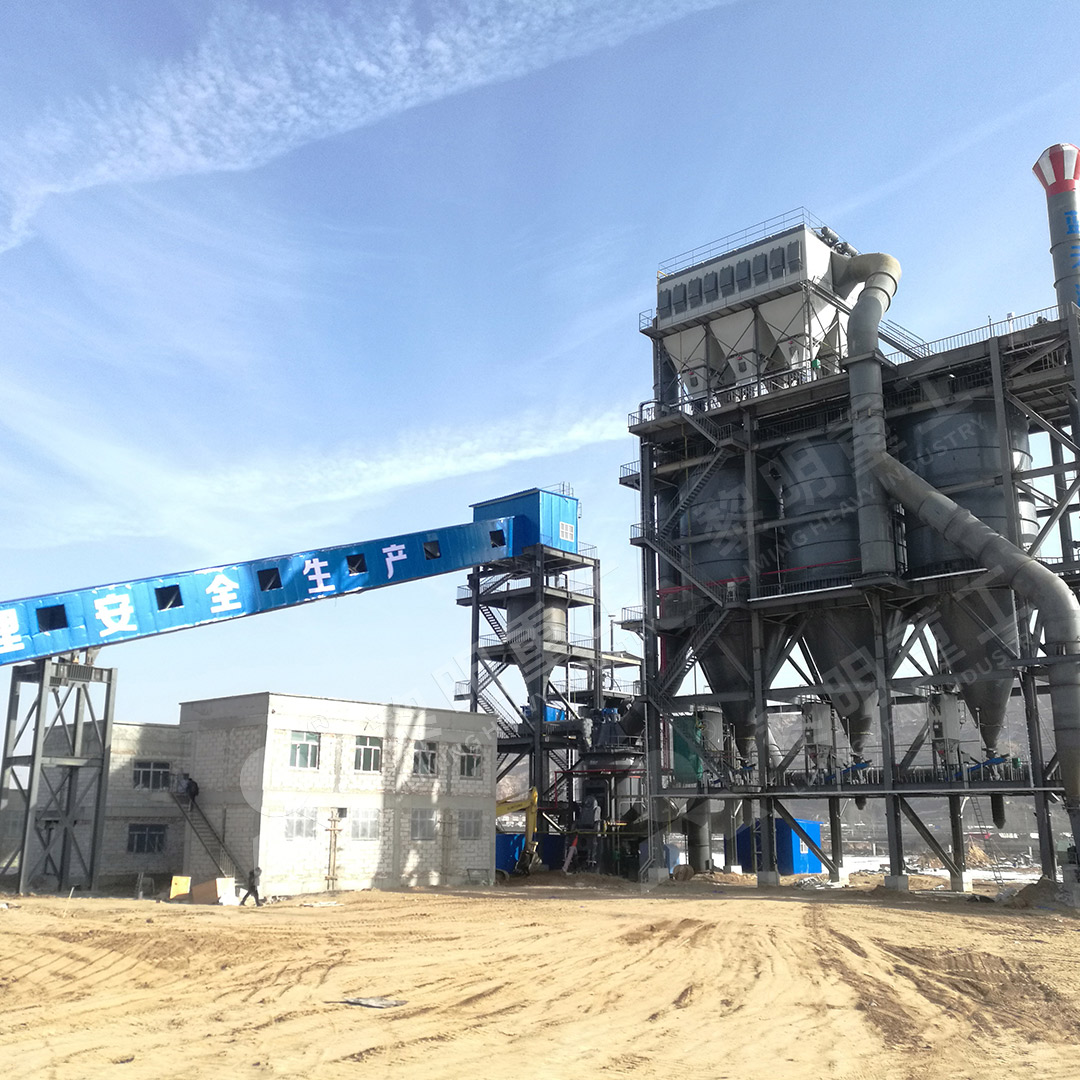
The Critical Role of Coal Vertical Mills in Lime Kiln Operations
Lime kilns require a consistent, finely ground coal supply to maintain the high temperatures necessary for calcium carbonate calcination. The coal vertical mill for lime kiln is specifically engineered to handle the unique challenges of coal grinding, including varying moisture content, abrasiveness, and volatile matter. Unlike conventional ball mills or Raymond mills, the vertical mill configuration offers superior drying capacity, allowing operators to process high-moisture coals without pre-drying systems. This integrated drying, grinding, and classifying capability reduces the overall equipment footprint and energy consumption, making it ideal for both new lime plant installations and retrofitting existing facilities. The mill's ability to produce coal fineness in the range of 80%% passing through 200 mesh ensures complete combustion in the kiln, minimizing unburned carbon in the ash and reducing fuel costs.
Technical Specifications and Working Principle of Our Coal Vertical Mill
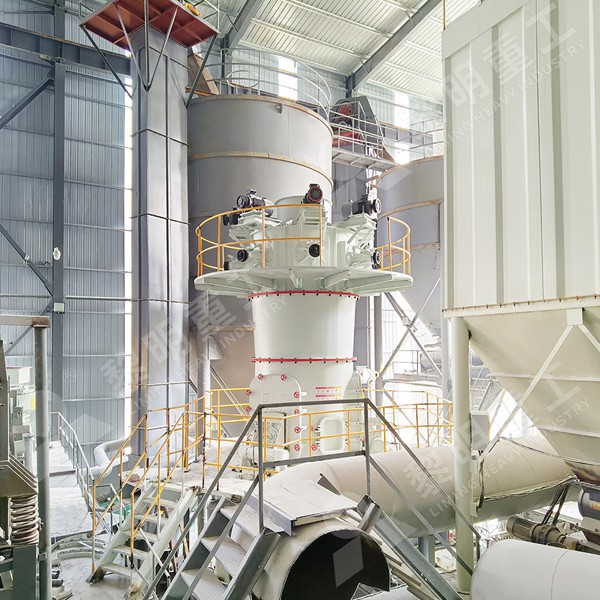
Liming Heavy Industry's LM Vertical Roller Mill, adapted for coal grinding in lime kiln applications, embodies over three decades of innovation in grinding technology. The mill features a unique milling device and an automatic electric control system that integrates drying, grinding, powder selection, and conveying into a single flow. With a capacity range of 10 to 400 tons per hour and an input size accommodating materials up to 55mm, this mill is optimized for the specific demands of coal preparation. The working principle involves the raw coal being fed into the mill through a variable-frequency belt feeder, ensuring even distribution across the grinding table. The grinding rollers rotate against the table, crushing the coal into fine particles under high pressure. A stream of hot gas, typically from the kiln's exhaust or a dedicated hot air generator, enters the mill to dry the coal and transport the pulverized material upward to the dynamic classifier. Oversized particles are rejected and returned to the grinding zone, while fine coal powder enters the classifier, where adjustable vanes ensure the desired fineness. The finished product is then conveyed to a coal powder bin or directly to the kiln burner through a pneumatic conveying system.
Key Advantages for Lime Kiln Coal Preparation
The coal vertical mill for lime kiln offers distinct advantages over traditional grinding equipment. First, its integrated design eliminates the need for separate drying and grinding units, dramatically reducing capital investment and installation space. Second, the mill's low specific energy consumption, often 30-50%% lower than ball mills for coal grinding, directly translates to reduced operational costs for lime manufacturers. Third, the automatic control system ensures stable product quality regardless of variations in raw coal properties, maintaining consistent fineness and moisture content. Fourth, the mill's robust construction and wear-resistant components, such as high-chrome grinding rollers and segmented table liners, extend maintenance intervals and reduce downtime. Fifth, the enclosed system with pulse dust collector meets stringent environmental regulations, capturing fine coal dust that would otherwise be lost as emissions. Finally, the mill's ability to handle coals with high moisture content (up to 20%%) without pre-drying expands the range of economically viable fuel sources for lime kilns.
Integration with Lime Kiln Systems and Process Optimization
Successful deployment of a coal vertical mill for lime kiln requires careful consideration of the entire fuel preparation and combustion system. The mill must be sized to match the kiln's heat demand, taking into account coal calorific value, ash content, and burnout characteristics. Typically, the coal mill is designed with a capacity margin of 10-20%% to accommodate variations in coal quality and production rate fluctuations. The mill's outlet temperature is tightly controlled between 60-80°C to prevent premature volatile release while ensuring adequate drying. The hot gas source can be a combination of kiln exhaust gas and a separate hot air generator, with the proportion controlled to maintain stable mill operation. Modern control systems incorporate real-time monitoring of mill differential pressure, vibration levels, and classifier speed to optimize grinding efficiency and prevent operational upsets. Data from the mill control system can be integrated with the kiln's distributed control system (DCS) for coordinated fuel supply management, enabling automatic adjustment of coal feed rate based on kiln temperature and production demand.
Comparing Coal Vertical Mills with Alternative Technologies for Lime Plants
When evaluating grinding equipment for lime kiln coal preparation, the vertical roller mill stands out against alternatives like Raymond mills, ball mills, and micro powder mills. Raymond mills, while simpler in design, have limited capacity and lower grinding efficiency for coal, typically handling only 1.2 to 4.5 tons per hour with a fineness range suitable only for basic applications. Ball mills, though capable of producing very fine coal, consume significantly more energy (often 30-50 kWh/ton versus 15-25 kWh/ton for vertical mills) and require more frequent liner replacements. Micro powder mills, designed for ultra-fine grinding, are over-specified for coal preparation and lack the heat exchange capacity necessary for drying high-moisture coals. The LM Vertical Roller Mill, with its capacity range of 10-400 T/H, is specifically optimized for the throughput and fineness requirements (75-90%% passing 200 mesh) typical of lime kiln burners. Its wear parts life is typically 8,000 to 12,000 operating hours for coal grinding, providing excellent total cost of ownership when compared against alternative technologies.
Installation, Maintenance, and Operational Best Practices
Proper installation and maintenance of a coal vertical mill for lime kiln are essential for achieving design performance and reliability. The mill foundation must be designed to withstand dynamic loads, with appropriate vibration isolation from adjacent structures. The hot gas ducting should include flexible connections to accommodate thermal expansion, and the coal conveying pipelines must maintain minimum transport velocities to prevent settling. Maintenance programs should focus on periodic inspection and replacement of grinding rollers and table liners, typically every 6-12 months depending on coal abrasiveness. Hydraulic system maintenance, including oil changes and seal inspections, is critical for maintaining grinding pressure stability. The classifier rotating assembly should be balanced annually to prevent vibration issues. Operators should monitor mill pressure drop, which normally ranges from 4000-7000 Pa for coal grinding, as a key indicator of internal material loading. Sudden increases in mill differential pressure often indicate overfeeding or classifier clogging. The coal mill's explosive atmosphere requires special safety provisions, including explosion venting panels, inert gas injection systems, and carbon monoxide monitoring to prevent coal dust explosions.
Case Studies and Performance Data from Lime Kiln Applications
Installations of the LM Vertical Roller Mill for coal grinding in lime kiln applications have demonstrated consistent performance improvements over traditional systems. In a typical 600 tpd lime kiln plant, replacing a ball mill system with an LM vertical mill resulted in a 35%% reduction in specific power consumption for coal grinding, from 35 to 22.5 kWh/ton. The improved fineness control allowed the kiln to operate with 5%% less coal consumption for the same lime output, as finer coal particles enhanced combustion efficiency. Maintenance costs decreased by 40%% due to longer wear part life and simplified access for replacements. The integrated drying system enabled the plant to use local coal with 18%% moisture content, previously considered unsuitable, reducing fuel transportation costs by 25%%. Another installation in a European lime factory reported a 98%% availability factor for the coal mill over two years of operation, with only scheduled shutdowns for preventive maintenance. These real-world results underscore the technology's value proposition for lime producers seeking to improve their competitive position through lower energy costs and higher process reliability.
Future Trends and Technological Advancements
The evolution of coal vertical mill technology for lime kilns continues to focus on automation, energy efficiency, and environmental performance. Recent developments include the integration of artificial intelligence-based model predictive control systems that optimize mill operation in real-time based on coal quality variations and kiln heat demand. Advanced wear mapping technologies using laser scanning allow predictive maintenance scheduling, eliminating unscheduled downtime. The introduction of ceramic composite wear materials extends the service life of grinding components by an additional 30-50%% in abrasive coal applications. Hybrid drying systems combining waste heat recovery from kiln exhaust with supplementary hot air generation offer further energy savings. For lime plants targeting carbon neutrality, coal mills are being designed for future conversion to biomass or waste-derived fuels, with flexible grinding roller configurations and enhanced safety systems for handling alternative fuels with different volatile contents. These innovations ensure that the coal vertical mill remains a cornerstone technology for lime kiln operations while adapting to evolving regulatory and sustainability requirements.
Conclusion: Selecting the Right Coal Vertical Mill for Your Lime Kiln
The selection of a coal vertical mill for lime kiln applications is a strategic decision that impacts plant profitability, operational stability, and environmental compliance. Factors to consider include coal characteristics (moisture, hardness, volatile matter), required throughput, available hot gas sources, and specific energy cost structures. The LM Vertical Roller Mill from Liming Heavy Industry, with its proven track record in over 30 years of installations worldwide, offers a compelling solution that balances initial investment with long-term operational efficiency. The mill's integrated design, automatic control, and robust construction make it particularly suitable for lime kiln applications where reliability and consistent product quality are paramount. By selecting a manufacturer with deep expertise in grinding technology and comprehensive after-sales support, lime producers can ensure optimal system performance from commissioning through decades of operation. For specific project requirements, detailed feasibility studies including coal sample testing and simulation modeling can provide the data needed to specify the optimal mill configuration for any lime kiln operating scenario.
Frequently Asked Questions (FAQ)
Q1: What is the typical coal fineness required for lime kiln combustion?
A1: For most lime kiln burners, the required coal fineness is 80-90%% passing through 200 mesh (75 microns). A coal vertical mill can precisely achieve this specification through its dynamic classifier adjustment. Finer coal ensures complete combustion, reduces unburned carbon loss, and improves flame stability.
Q2: Can a coal vertical mill handle high-moisture coal without pre-drying?
A2: Yes, modern coal vertical mills are designed to handle coals with moisture content up to 20%%. The integrated hot gas system dries the coal during the grinding process by introducing hot air (typically 200-350°C) from the kiln exhaust or a hot air generator. This eliminates the need for a separate pre-drying system.
Q3: What safety measures are incorporated in coal vertical mills for explosion prevention?
A3: Coal vertical mills include multiple safety features: explosion venting panels that release overpressure, inert gas injection (typically nitrogen or CO2) for fire suppression, carbon monoxide and oxygen monitoring sensors, and anti-static grounding. The mill operates with controlled oxygen levels below 12%%, and the CO monitoring system triggers automatic shutdown if abnormal concentrations are detected.
Q4: How often do the grinding components need replacement in a coal vertical mill?
A4: The service life of grinding rollers and table liners depends on coal abrasiveness and operational conditions. For typical bituminous coal grinding, components last 8,000 to 12,000 operating hours. More abrasive coals (high ash, high quartz content) may require replacement every 6,000-8,000 hours. Regular inspection at 2,000-hour intervals is recommended to plan maintenance.
Q5: What is the typical power consumption of a coal vertical mill compared to a ball mill?
A5: A coal vertical mill typically consumes 15-25 kWh per ton of coal ground, while a ball mill for the same application consumes 30-50 kWh per ton. This represents a 30-50%% energy saving. Additional savings come from the vertical mill's ability to combine drying, grinding, and classification in one unit, eliminating power consumption for separate auxiliary equipment.


