Published: October 26, 2023
In the modern construction industry, the demand for high-quality marble powder as a filler, binder, and decorative aggregate has never been greater. The marble vertical mill stands as a cornerstone solution for processing marble waste and raw marble into fine, consistent powders that meet stringent construction specifications. Liming Heavy Industry Co., Ltd., an enterprise founded in 1987 and headquartered in the Zhengzhou HI-TECH Industry Development Zone, has engineered a suite of grinding solutions that excel in efficiency, environmental compliance, and operational stability. By integrating drying, grinding, classification, and conveying into a single compact system, the marble vertical mill reduces energy consumption by up to 30% compared to traditional ball mill systems while delivering a product fineness suitable for dry mortar, artificial stone, and wall putty production. This article provides a comprehensive technical overview of the marble vertical mill for construction, its working principles, applications, and advantages in the construction materials sector. It is written for plant managers, procurement engineers, and construction material producers seeking reliable, large-scale grinding equipment with proven performance in non-metallic mineral processing.
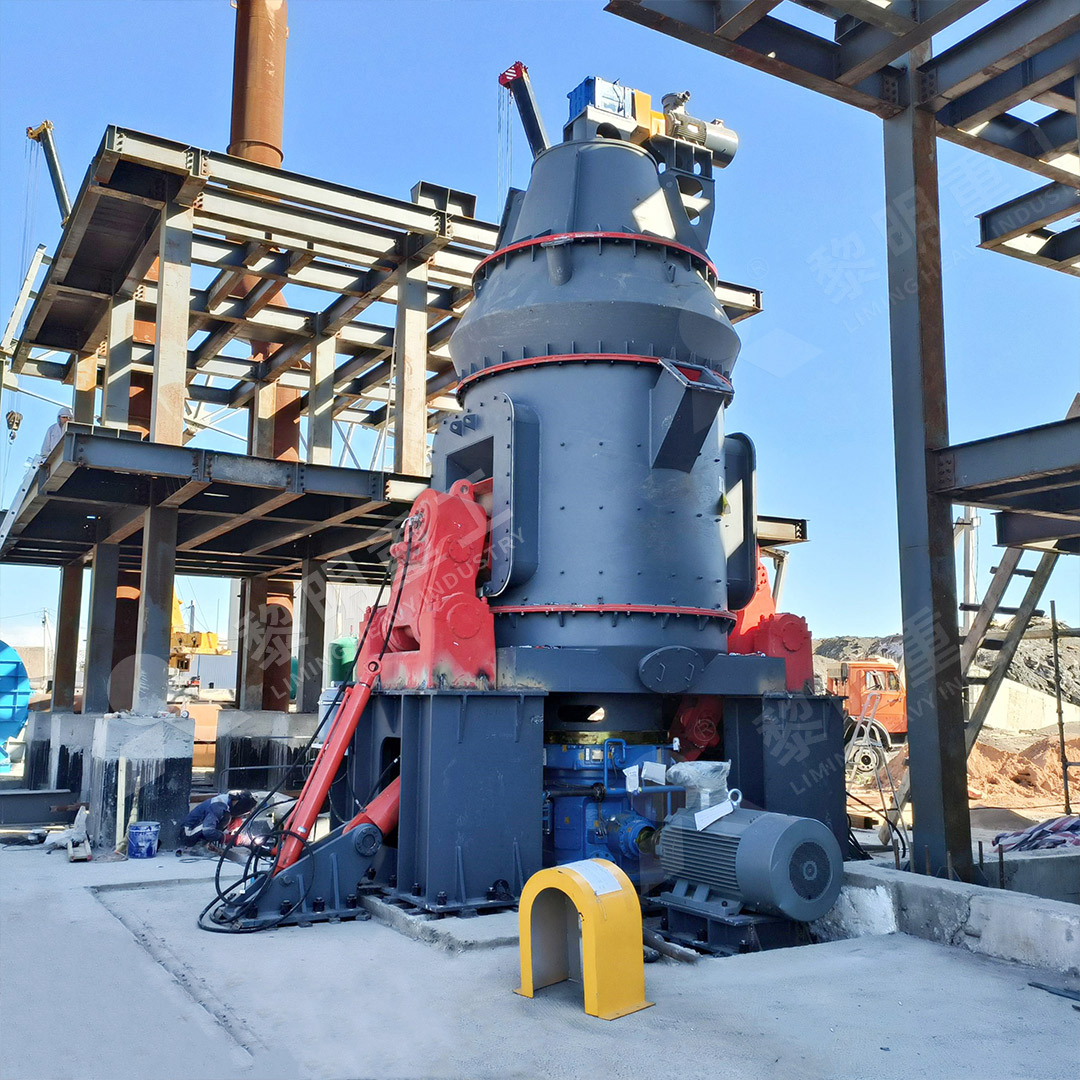
Technical Specifications and Design Philosophy
Liming Heavy Industry's LM Vertical Roller Mill is the flagship product for marble processing in construction applications. With a capacity range of 10 to 400 tons per hour and input size from 30 to 55 mm, the mill is designed to handle medium-hard materials like marble (Mohs hardness 3–4) with exceptional efficiency. The core innovation lies in the new milling device and automatic electric control system, which synergize to maintain stable material bed thickness, optimize grinding pressure, and minimize vibration. The mill integrates drying, grinding, powder selection, and conveying functions, eliminating the need for auxiliary drying systems when processing marble with surface moisture up to 5%. This integrated design not only saves capital expenditure but also reduces the building footprint, which is critical for construction material plants with limited space.
The grinding table and rollers are cast from high-chrome alloy steel, offering extended service life even when processing abrasive marble residues. The hydraulic system provides variable grinding pressure, allowing operators to adjust fineness and output in real time. For construction applications requiring fineness between 200 mesh and 800 mesh, the classifier rotor speed can be tuned to achieve precise cut points. This flexibility makes the LM mill suitable for producing base materials for self-leveling floor compounds, joint fillers, and polymer-modified cementitious mixtures.
Operational Principles and Material Flow
Marble feed enters the mill through the central inlet, spreads evenly across the rotating grinding table under centrifugal force, and passes beneath the rollers. The grinding mechanism relies on bed compression rather than impact, which minimizes noise and dust generation. Hot air from the air blower or waste heat source enters the mill from below, lifting the ground particles to the dynamic separator. Coarse particles fall back to the table for regrinding, while fine particles pass through the separator and are collected as finished product. The closed-loop pneumatic system, combined with a pulse dust collector, ensures that emissions comply with national environmental protection standards, a feature increasingly important for construction industry regulations.
In the specific case of marble vertical mill for construction, the system can be equipped with a variable-frequency belt feeder to control feed rate precisely. This is particularly beneficial when processing marble with varying moisture content from quarry waste or slurry. The mill can run continuously for weeks without unscheduled maintenance, supported by Liming's robust after-sales service network.
Applications in the Construction Sector
Marble powder produced by vertical mill technology is extensively used in the following construction applications:
- Dry-mix mortar production: Marble powder serves as a filler to improve workability and water retention in tile adhesives, renders, and plasters.
- Artificial stone and terrazzo: Fine marble aggregates with controlled particle size distribution are essential for engineered stone with consistent color and strength.
- Wall putty and paint: Micro-fine marble powder (325 mesh to 800 mesh) is used as an extender in water-based putty, reducing shrinkage and enhancing adhesion.
- Calcium carbonate filler for PVC pipes and profiles: The construction industry uses marble powder as a cost-effective filler in building profiles and window frames.
- Desulfurization in power plants serving construction material factories: Captive power plants at large construction material facilities often use marble powder for flue gas desulfurization, and the vertical mill can dual-purpose as both grinding and drying equipment.
Compared to traditional raymond mills or pendulum mills, the LM vertical mill offers superior energy efficiency and throughput at the same installed power. For example, a typical limestone grinding line using MTW European type trapezium mill processes 3–55 TPH with 30–50 mm input; the LM mill's capacity envelope extends much higher, making it the preferred choice for centralized grinding stations serving multiple construction material production lines.
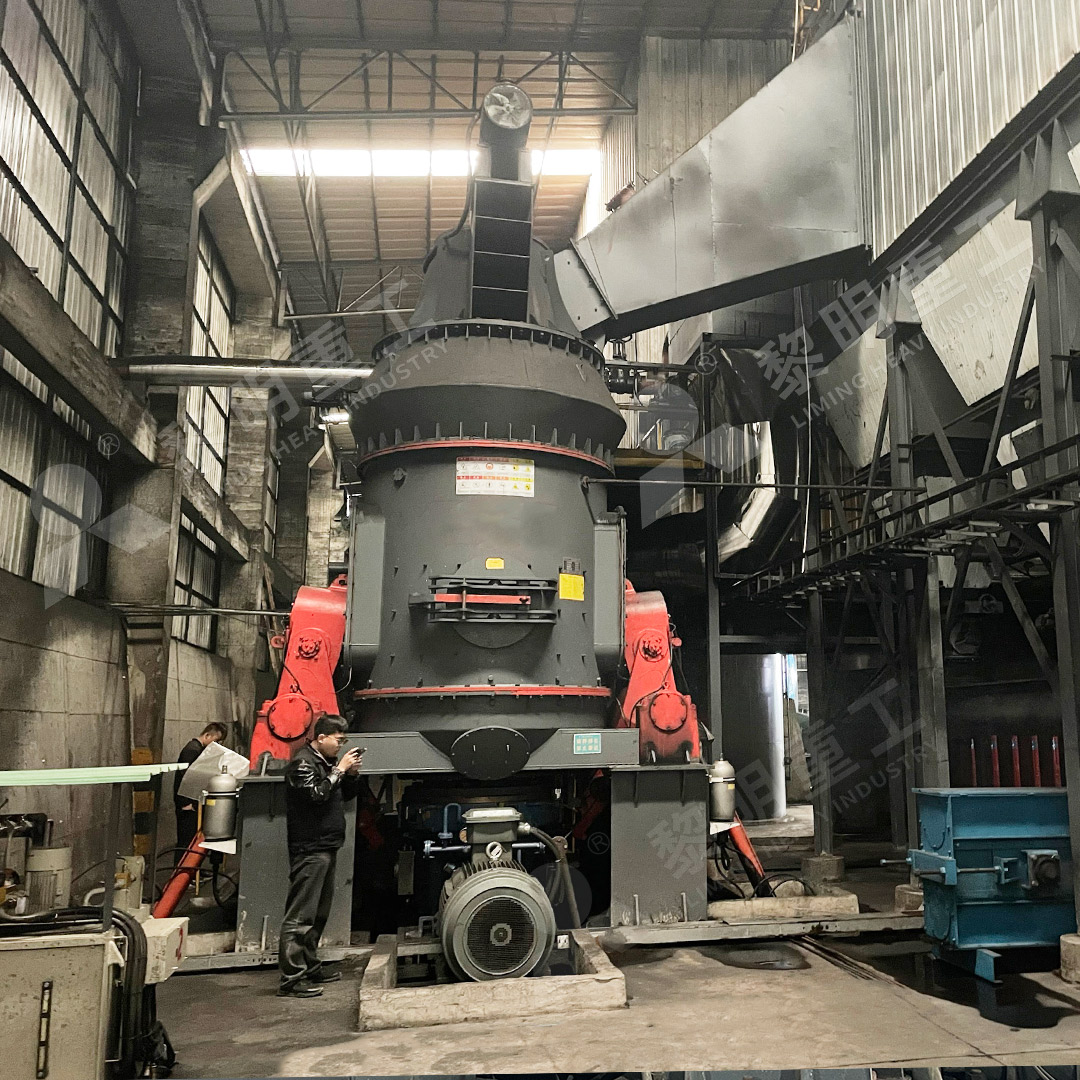
Quality Control and Finished Product Characteristics
The automatic electric control system continuously monitors mill vibration, hydraulic pressure, separator speed, and air temperature. For construction applications, the target residual moisture content of marble powder is usually below 0.5%, with fineness of 200 mesh oversize less than 10% for standard filler grades. The LM mill consistently meets these targets due to its efficient drying and classification. The product exhibits uniform particle shape, which improves packing density in cementitious systems, leading to higher compressive strength in the final construction material.
Liming Heavy Industry emphasizes scientific research and development, with a mature scientific team focusing on technological breakthroughs. The company holds several patents related to roller tire profile design, hydraulic loading systems, and separator blade geometry. These innovations directly translate to operational advantages for the end user: lower specific energy consumption, longer maintenance intervals, and higher yield of desired fractions.
Comparison with Other Grinding Technologies for Marble
While ball mills have been traditionally used for marble grinding, they suffer from high energy consumption and wider particle size distribution. The LM vertical mill offers a narrower particle size distribution, which is critical for applications like joint filler where oversize particles can cause surface defects. The Micro Powder Mill (MW series) from Liming is ideal for superfine marble powder below 325 mesh, achieving D97 ≤ 5 μm for specialized construction materials like high-end floor coatings. However, for general construction filler production with capacities above 50 TPD, the LM vertical mill is the most cost-effective solution. The Raymond mill remains suitable for small-scale operations (1.2–4.5 TPH) where capital cost is more constrained than operating cost.
Conclusion
For construction material producers looking to expand marble powder production with modern, efficient, and environmentally compliant equipment, the marble vertical mill from Liming Heavy Industry represents a proven, scalable solution. With over three decades of manufacturing experience, a production base spanning 147,000 m² across two workshops, and a global sales network, Liming delivers not only equipment but also process expertise. The LM vertical roller mill, in particular, balances high throughput, precision classification, and low operating cost, making it the workhorse of the construction grinding industry. Whether the application is dry mortar, artificial stone, or filler for polymer composites, this mill technology provides the consistency and reliability that the construction sector demands.
Frequently Asked Questions
- Q: What is the typical power consumption of a marble vertical mill compared to a ball mill for construction-grade powder?
A: The LM vertical mill typically consumes 30-40% less energy than a ball mill of equivalent capacity, due to the efficient grinding bed mechanism and integrated drying system. - Q: Can the LM vertical mill handle marble with high moisture content from wet processing?
A: Yes. The mill can process marble with up to 5% surface moisture by utilizing hot air from the system or an external heat source. For higher moisture, a pre-drying step may be recommended. - Q: What fineness ranges are achievable for construction applications?
A: Standard construction filler requires 200 mesh (75 μm) with less than 10% residue. The LM mill can achieve residues below 5% at 200 mesh, and can go down to 800 mesh for premium products. - Q: How often does the grinding roller need to be replaced when processing marble?
A: For marble with Mohs hardness 3-4, roller tires typically last 8,000 to 12,000 operating hours before requiring replacement, depending on the marbled content of quartz impurities. - Q: Does Liming Heavy Industry provide turnkey installation and commissioning for marble vertical mills?
A: Yes. Liming offers comprehensive services including foundation design, equipment installation, system commissioning, and operator training. Our technical team supports the entire project lifecycle.


