Dolomite is a natural source of calcium and magnesium, and when it is ground into a consistent powder, it can be used as an animal feed mineral supplement, a flow aid, and a pellet binder. The success of this application depends on one thing: particle size control. A dolomite grinding mill must produce powder in the target mesh range without generating too much dust or too many oversized particles. This article summarizes the essential points about choosing and operating a dolomite grinding mill for animal feed, and it explains how Liming Heavy Industry equipment can be matched to your capacity and fineness requirements.
Why Particle Size Matters in Feed-Grade Dolomite
Different animals need different mineral particle sizes. Poultry, swine, cattle, and aquatic species do not absorb coarse mineral particles well. If dolomite is too coarse, it may pass through the digestive system without releasing enough calcium and magnesium. If it is too fine, it can create dust, reduce flowability in bins, and affect pellet quality. For most animal feed applications, a target between 80 and 200 mesh is common, which is roughly 180 to 75 microns. Some premix manufacturers ask for 200 to 325 mesh when dolomite is used as a carrier or anti-caking agent. Your mill choice should start from this specification.
Selecting the Right Dolomite Grinding Mill
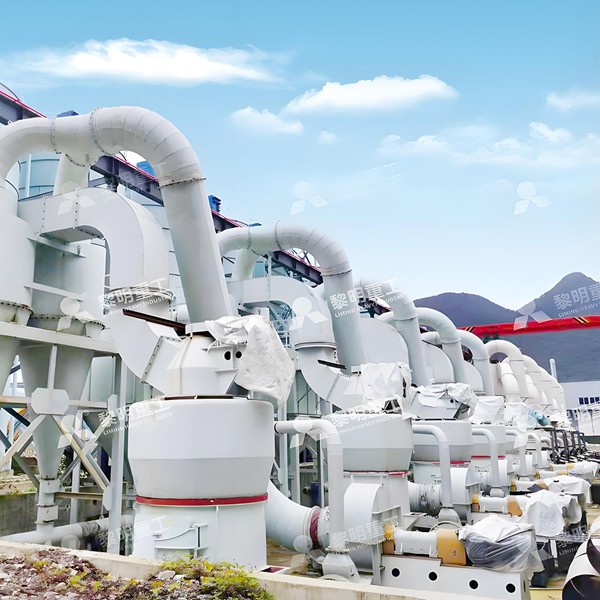
I have seen feed producers choose a mill before defining their particle size target, and then discover later that the fineness is not stable. The better approach is to match the equipment to the required output size, capacity, and raw material condition. Liming Heavy Industry offers five types of mills that can process dolomite for animal feed.
Raymond Mill for Small and Medium-Sized Feed Mills
The Raymond mill is a simple and reliable grinding solution. It can process non-flammable and non-explosive minerals with a Mohs hardness below 7 and a moisture content below 6%, so dry dolomite is an ideal application. The feed size is 15 to 25 mm, the output fineness is adjustable from 613 to 44 microns, and the capacity is about 1.2 to 4.5 tons per hour. For a feed mill that needs 100 to 200 mesh dolomite flour, this machine is easy to operate and maintain.
MTW European Type Trapezium Mill for Higher Throughput
When production needs grow, the MTW European type trapezium mill is the upgraded version of the traditional Raymond mill and pendulum mill. It has patented technology, stable performance, and higher productivity. The capacity is 3 to 55 tons per hour, and the input size can be 30 to 50 mm. The complete MTW system includes a jaw crusher, vibrating feeder, mill, separator, air blower, dust collector, powder collector, and electric control cabinet. The airflow is recycled in a closed loop, and a pulse dust collector helps the plant meet environmental requirements. This is an excellent choice for commercial feed ingredient producers and toll milling companies.
MW Micro Powder Mill for Ultra-Fine Dolomite
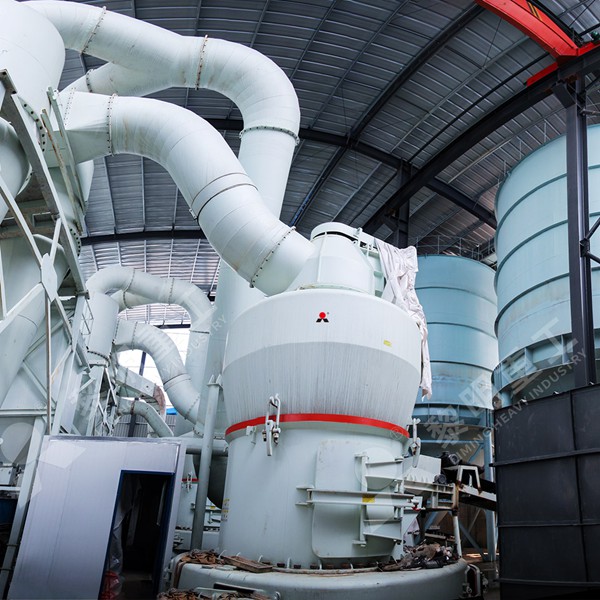
If your feed formula needs a very fine dolomite carrier or a high-surface-area mineral powder, the MW micro powder mill can produce material from 325 to 3250 mesh, with a particle size as fine as d97 ≤ 5 microns. The capacity is 0.5 to 25 tons per hour, and the input size should be within 10 to 20 mm after primary crushing. The machine uses rollers rotating against a grinding ring, and the system is equipped with a pulse precipitator for cleaner production. This mill is suited for specialty premix manufacturers who need ultra-fine mineral ingredients.
LM Vertical Roller Mill for Large-Scale Grinding
For big projects, the LM vertical roller mill combines drying, grinding, powder selection, and conveying in one automatic system. It can produce 10 to 400 tons per hour and accepts an input size of 30 to 55 mm. It is especially popular for non-metallic minerals, coal, and slag, and it can be configured for a large central grinding station serving multiple feed plants. The integrated automatic electric control makes operation simpler when the mill runs continuously.
Ball Mill for Flexible Premix Plants
The ball mill is a horizontal rotating device that uses steel balls to impact and grind materials. It is widely used in mineral processing, construction, and chemical industries, and it can handle all kinds of ores and other materials. The capacity is 0.65 to 50 tons per hour, and the feed size should be 25 mm or less. For a premix plant that processes several different minerals, the ball mill is a flexible option when it is combined with a classifier to control the final fineness.
How the Dolomite Grinding System Works
The grinding process is straightforward. Raw dolomite is first crushed by a jaw crusher to the size required by the mill. For an MTW mill, that size is 30 to 50 mm. The crushed material is sent to a hopper, and a variable-frequency belt feeder feeds it evenly and continuously into the grinding chamber. Inside the chamber, the dolomite is ground between the ring and the rollers. An air flow carries the fine particles upward to the separator. Oversized particles fall back and are ground again, and the powder that passes the separator becomes the finished product. The air then returns to the blower in a closed loop. A pulse dust collector removes fine dust from the exhaust, so the whole system operates cleanly and safely in a feed processing environment.
Why Choose Liming Heavy Industry
Liming Heavy Industry was founded in 1987 and has focused on large and medium-sized crushing and grinding equipment for more than 30 years. The company is a modern joint-stock enterprise with research, manufacturing, and sales capabilities. The headquarter is in the HI-TECH Industry Development Zone of Zhengzhou, covering 80,000 square meters, and the workshop in Shangjie Industry Park covers another 67,000 square meters. This manufacturing depth matters when you need a robust mill for continuous feed production. With a mature scientific research team, Liming continues to develop and improve its milling technology, which helps feed producers get consistent powder quality and reliable operation.
Conclusion
Dolomite grinding for animal feed is not difficult if you choose the right machine. A Raymond mill works well for small and medium feed mills. The MTW European type trapezium mill is a stronger option for high-throughput feed mineral plants. The MW micro powder mill is for ultra-fine products, while the LM vertical roller mill and the ball mill serve larger and more flexible operations. Start with your target mesh size and hourly capacity, then let the Liming engineering team help you design the most suitable grinding line.
Frequently Asked Questions
1. What mesh size of dolomite is usually used for animal feed?
Most feed mills use dolomite powder between 80 and 200 mesh. Some premix producers prefer 200 to 325 mesh for anti-caking or carrier applications.
2. Can one grinding mill process dolomite and other feed minerals?
Yes, if the other minerals have similar hardness and moisture. Raymond mill, MTW mill, and ball mill can switch between dolomite, limestone, gypsum, and other non-metallic minerals if you clean the line between batches.
3. Do I need a dryer before the dolomite grinding mill?
If the moisture content is below 6%, a Raymond or MTW mill can usually handle it. For wetter material, you may need a separate drying step or an LM vertical roller mill with integrated drying.
4. Is the closed-loop grinding system safe?
Our systems are designed with pulse dust collectors and a closed airflow loop to reduce dust emissions. You should still follow local safety regulations and maintain the equipment regularly.
5. How do I choose the capacity of a dolomite grinding mill?
Calculate the tons per hour your feed line actually needs, then add a reasonable margin. Raymond mill covers 1.2 to 4.5 tons per hour, MTW covers 3 to 55 tons per hour, and MW covers 0.5 to 25 tons per hour.


