Published on: October 26, 2023
Marble, a metamorphic rock prized for its elegance and durability, has found a significant role in the production of high-quality roofing materials. When processed into fine powder, marble acts as a key filler and coating agent in asphalt shingles, roofing tiles, and waterproof membranes, enhancing their UV resistance, fire retardancy, and structural integrity. The choice of grinding equipment directly impacts the fineness, purity, and cost-efficiency of the final product. For roofing manufacturers, selecting a reliable marble grinding mill is not merely a technical decision—it is a strategic investment in product quality and operational throughput. Liming Heavy Industry, with over three decades of expertise in crushing and grinding machinery, offers a comprehensive range of mills tailored to meet the demanding requirements of the roofing material sector. From the high-capacity LM Vertical Roller Mill to the precision-focused Micro Powder Mill, our solutions are engineered to deliver consistent particle size distribution, energy savings, and environmental compliance. This article explores how different marble grinding mills from Liming can optimize roofing material production, covering key parameters, working principles, and application-specific benefits.
Marble powder for roofing applications typically requires a fineness ranging from 200 mesh (74 μm) to 800 mesh (18 μm), depending on whether it is used as a filler in asphalt or as a coating on granules. The grinding process must also remove impurities and ensure moisture content below 1%. Liming’s portfolio addresses these needs through four primary mill types: LM Vertical Roller Mill, MTW European Type Trapezium Mill (Raymond upgrade), MW Micro Powder Mill, and the classic Ball Mill. Each offers distinct advantages in capacity, energy consumption, and fineness control.
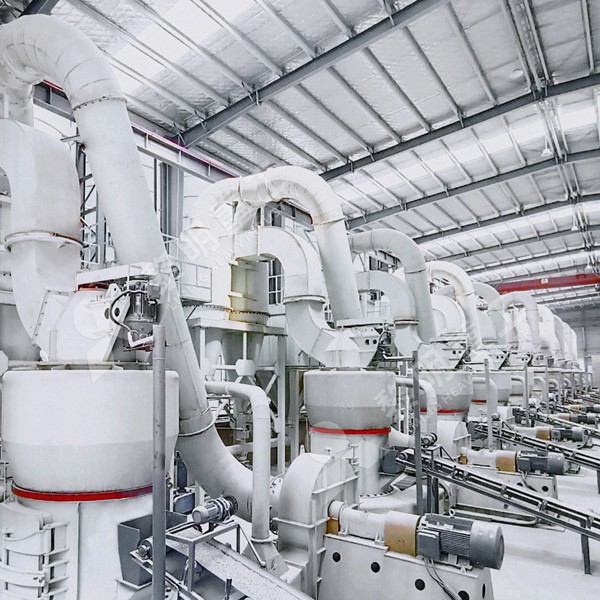
LM Vertical Roller Mill: High-Capacity Solution for Large-Scale Roofing Production
For roofing material manufacturers handling high throughputs, the LM Vertical Roller Mill is an ideal primary grinding unit. With a capacity range of 10 to 400 T/H and input size up to 55 mm, it integrates drying, grinding, powder selection, and conveying into a single compact system. This eliminates the need for multiple separate machines, reducing floor space and capital expenditure. The LM mill uses a unique milling device that employs hydraulic pressure to crush marble between a rotating table and grinding rollers. The automatic electric control system ensures stable operation and consistent product fineness (typically 80-600 mesh), which is crucial for uniform dispersion in roofing bitumen. In desulfurization applications for power plants—also relevant to some roofing material processes—the LM mill has proven its reliability in handling abrasive materials like marble. Its low energy consumption (up to 50% less than ball mills) and minimal vibration make it suitable for continuous, 24/7 operation in demanding industrial environments.
Raymond Mill and MTW European Type Trapezium Mill: Classic Reliability with Modern Upgrades
The Raymond Mill has been a workhorse in mineral grinding for decades, and Liming’s version refines this legacy with robust construction and easy maintenance. With a capacity of 1.2 to 4.5 T/H and input size of 15-25 mm, it is well-suited for small to mid-scale roofing material operations. The Raymond Mill processes marble of Mohs hardness under 7 and humidity below 6%, producing fineness between 613 μm and 44 μm (30-325 mesh). This range covers the majority of roofing filler requirements. However, the true evolution comes with the MTW European Type Trapezium Mill, an upgrade that increases capacity to 3-55 T/H while maintaining the same input size of 30-50 mm. The MTW mill features patented trapezium-shaped rollers and rings that improve grinding efficiency by 30% compared to traditional Raymond mills. Its enclosed system, complete with pulse dust collector, complies with stringent environmental standards—critical for factories located near urban areas. The MTW mill’s variable-frequency belt feeder ensures even material distribution, preventing blockages and reducing downtime. For roofing material producers seeking to modernize without a complete equipment overhaul, the MTW mill offers a cost-effective path to higher output and better product quality.
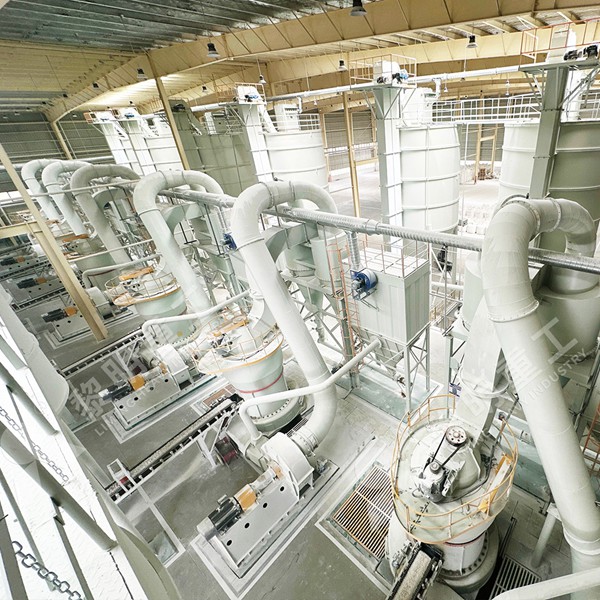
Micro Powder Mill: Precision Grinding for Ultra-Fine Roofing Coating
Roofing materials that require super-fine marble powder—such as high-end reflective coatings or granule pre-treatment—call for the MW Micro Powder Mill. This mill is based on advanced Swedish grinding technology and is designed for ultra-fine processing down to d97 ≤ 5 μm (approximately 2,500 mesh) with adjustable fineness between 325 and 3,250 mesh. The capacity ranges from 0.5 to 25 T/H, and input size is limited to 10-20 mm, so pre-crushing with a jaw crusher is recommended. The MW mill employs a multi-roller grinding mechanism driven by a reducer, where rollers rotate against a raceway to achieve high-intensity comminution. The integrated pulse precipitator ensures dust-free operation, making it ideal for facilities prioritizing worker safety and environmental compliance. For roofing manufacturers, the ability to produce consistent sub-micron marble powder opens opportunities for innovative products like self-cleaning shingles or lightweight tiles. However, the MW mill’s relatively lower capacity means it is best used for specialized product lines rather than bulk filler production.
Ball Mill: Versatility for Wet or Dry Grinding in Cement and Roofing
Ball mills remain a staple in the construction materials industry due to their proven reliability and flexibility. Liming’s Ball Mill, with a capacity of 0.65-50 T/H and input size ≤ 25 mm, can handle marble grinding in both dry and wet processes. For roofing material production, dry grinding is more common, but wet grinding may be used if the marble slurry is subsequently processed into coatings. The ball mill operates on a horizontal rotating device where steel balls cascade and impact the material. The use of ladder and ripple liners optimizes the grinding action for marble’s specific hardness. While ball mills generally consume more energy than vertical roller mills (up to 30% higher), they offer a lower initial capital cost and simpler maintenance. For small-scale roofing manufacturers or those processing multiple materials (e.g., mixing marble with clay or cement), the ball mill’s versatility is a key advantage. Additionally, ball mills can achieve fineness from 50 to 400 mesh, making them suitable for standard roofing filler applications. The closed-circuit operation with a classifier allows tight control over particle size distribution.
Selecting the Right Mill for Your Roofing Material Application
The choice of marble grinding mill depends on several factors: desired production capacity, required fineness, budget constraints, and environmental regulations. For high-volume production of standard roofing filler (200-325 mesh), the LM Vertical Roller Mill or MTW European Type Trapezium Mill offers the best balance of efficiency and cost per ton. For ultra-fine specialized products, the MW Micro Powder Mill is unrivaled. When capital is limited and volume is low, the Raymond Mill or Ball Mill provides a reliable entry point. Liming Heavy Industry supports each mill with a complete system of jaw crusher, vibrating feeder, hopper, dust collector, and electric cabinet, ensuring seamless integration into existing production lines. Our scientific research team continuously improves mill designs to reduce wear rates and energy consumption, backed by 30+ years of experience serving industries from cement to non-metallic minerals. Whether you produce asphalt shingles, clay tiles, or synthetic roofing membranes, our grinding solutions are engineered to meet the exacting standards of modern roofing material manufacturing.
Conclusion
Investing in the right marble grinding mill is essential for roofing material manufacturers aiming to enhance product quality, optimize production costs, and meet environmental standards. Liming Heavy Industry’s diverse portfolio—from the high-capacity LM Vertical Roller Mill to the precision-focused MW Micro Powder Mill—provides tailored solutions for every scale and specification. With robust after-sales support and a commitment to technological innovation, we help our clients achieve consistent, high-purity marble powder that elevates their roofing products above the competition. Contact us today to discuss your specific grinding requirements and discover how our mills can transform your production line.
Frequently Asked Questions (FAQ)
- What is the ideal fineness of marble powder for asphalt shingle filler?
For asphalt shingle filler, marble powder typically needs to be ground to 200-325 mesh (74-44 μm). This ensures proper dispersion in bitumen and provides enhanced UV protection and fire resistance. Liming’s Raymond and MTW mills can achieve this range with high consistency. - Can Liming mills handle marble with high moisture content?
Yes, the LM Vertical Roller Mill and MTW mill are designed to dry material during grinding, handling moisture up to 6-8% without issues. For higher moisture levels, a separate drying system may be recommended. The Raymond Mill is also suitable for marble with less than 6% humidity. - How does the LM Vertical Roller Mill reduce energy consumption compared to ball mills?
The LM mill uses a vertical grinding roller system that utilizes gravity and hydraulic pressure instead of tumbling motion, reducing energy consumption by up to 50%. It also integrates drying and classification in one unit, lowering auxiliary power needs. - Is the MW Micro Powder Mill suitable for high-volume roofing production?
The MW Micro Powder Mill has a capacity range of 0.5-25 T/H, which is ideal for specialized ultra-fine product lines but not for bulk filler production. For large volumes, consider the LM or MTW mills, and use the MW for premium-grade coatings or custom formulations. - What auxiliary equipment does Liming provide for a complete marble grinding system?
Liming supplies a comprehensive system including jaw crusher, vibrating feeder, hopper, pulse dust collector, air blower, pipe system, powder collector, and electric cabinet. All components are matched to the mill’s capacity to ensure seamless operation and compliance with environmental regulations.


