Published on: October 26, 2023
In the ceramic industry, the quality of glaze directly determines the final appearance, durability, and market value of the finished product. A marble grinding mill for ceramic glaze is not merely a piece of equipment; it is the cornerstone of a consistent, finely tuned production line. Liming Heavy Industry Co., Ltd., with over three decades of engineering excellence, offers a suite of grinding solutions tailored to the stringent demands of ceramic glaze production. Whether processing marble, calcium carbonate, or other non-metallic minerals, our mills deliver the precise particle size distribution, high throughput, and energy efficiency required for modern ceramic manufacturing. From the robust Raymond Mill to the ultra-fine MW Micro Powder Mill, our technologies ensure that every batch of glaze meets the exacting standards of viscosity, color consistency, and firing behavior. This article delves into the technical nuances, operational benefits, and application-specific advantages of using Liming Heavy Industry's marble grinding mills for ceramic glaze preparation, providing a comprehensive guide for industry professionals seeking to optimize their grinding processes.
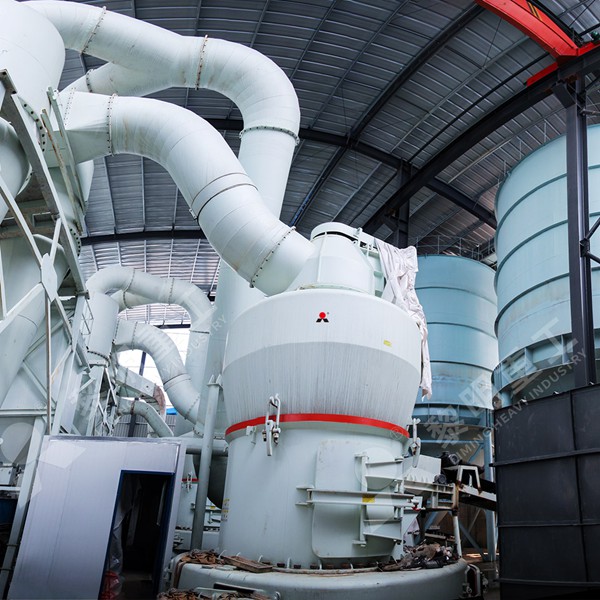
Why Marble Grinding Mills Are Essential for Ceramic Glaze
Ceramic glaze is a complex suspension of minerals, fluxes, and colorants that must be ground to a specific fineness to ensure even application and proper fusion during firing. Marble, primarily composed of calcium carbonate, serves as a common flux and filler in glaze recipes, lowering the melting point and improving the gloss and smoothness of the final surface. However, raw marble must be processed into a fine, uniform powder—typically with a particle size ranging from 10 to 50 microns—to prevent defects such as pinholes, crawling, or uneven color distribution. A dedicated marble grinding mill for ceramic glaze integrates crushing, grinding, classifying, and dust collection into a single, efficient system. This eliminates the need for multiple processing stages, reduces material waste, and ensures a consistent output that can be directly incorporated into glaze slurries. Liming Heavy Industry's mills, such as the MTW European Type Trapezium Mill and the Ball Mill, are engineered to handle the abrasiveness of marble while maintaining high purity and low contamination, critical factors for high-end ceramic applications.
Liming Heavy Industry: A Legacy of Grinding Excellence
Founded in 1987, Liming Heavy Industry Co., Ltd. has grown from a local manufacturer into a global leader in crushing and grinding equipment. Our headquarters, spanning 80,000 square meters in the HI-TECH Industry Development Zone of Zhengzhou, houses our research, design, and administrative operations. A second workshop in the Shangjie Industry Park covers an additional 67,000 square meters, dedicated to precision manufacturing and assembly. Over the past 36 years, we have adhered to a philosophy of modern scientific management, precision engineering, and continuous innovation. Our scientific research team focuses on tackling key technical challenges, advancing productivity, and staying at the forefront of industry trends. This commitment has positioned Liming as a trusted partner for ceramic manufacturers worldwide, providing machinery that combines durability, automation, and environmental compliance. When you choose a marble grinding mill for ceramic glaze from Liming, you are investing in decades of refinement and a proven track record of performance.
Key Grinding Mill Technologies for Ceramic Glaze
LM Vertical Roller Mill
The LM Vertical Roller Mill is a versatile solution for large-scale ceramic glaze production. It integrates drying, grinding, powder selection, and conveying in a single unit, making it ideal for processing moist marble or blended materials. With a capacity range of 10 to 400 T/H and an input size of 30–55 mm, the LM mill is designed for high-efficiency operations. Its automatic electric control system ensures precise particle size regulation, while the roller and grinding table design minimizes vibration and wear. For ceramic glaze manufacturers requiring bulk throughput with consistent fineness—typically 80–200 mesh (74–177 microns)—the LM mill offers unmatched reliability. The closed-loop system, coupled with a pulse dust collector, aligns with stringent environmental standards, reducing emissions and energy consumption. This mill is particularly suited for enterprises producing large volumes of standard glaze bases.
Raymond Mill
The classic Raymond Mill remains a staple in the ceramic industry due to its simplicity, low maintenance, and proven performance. It is suitable for grinding non-flammable and non-explosive materials with a Mohs hardness of less than 7 and humidity below 6%, which perfectly describes marble for glaze. The output fineness ranges from 613 μm (30 mesh) to 44 μm (325 mesh), allowing for flexible adjustment based on glaze requirements. With a capacity of 1.2 to 4.5 T/H and an input size of 15–25 mm, the Raymond Mill is ideal for medium-scale ceramic workshops or as a dedicated grinding line for specialty glazes. Its pendulum design ensures uniform grinding, and the integrated separator recirculates oversized particles for additional processing. This mill is energy-efficient and requires minimal floor space, making it a cost-effective choice for small to medium-sized ceramic manufacturers.
MTW European Type Trapezium Mill
As an upgrade to the traditional Raymond and Pendulum mills, the MTW European Type Trapezium Mill incorporates patented technology for enhanced stability, productivity, and environmental performance. It is the preferred solution for large-scale non-metallic mineral powder making, including marble grinding for ceramic glaze. The mill features a variable-frequency belt feeder, ensuring even and continuous material flow, and a high-efficiency separator that guarantees a steep particle size distribution. With a capacity of 3 to 55 TPH and an input size of 30–50 mm, the MTW mill produces fineness from 80 to 400 mesh, suitable for both base glazes and refined surface coatings. The working principle involves a closed-loop system: big lump materials are crushed by a jaw crusher, fed into the mill, ground between rings and rollers, and then classified by the separator. Oversized particles return for regrinding, while fine powder is collected via a pulse dust collector. This system not only maximizes yield but also minimizes environmental impact, meeting modern factory emission standards.
MW Micro Powder Mill
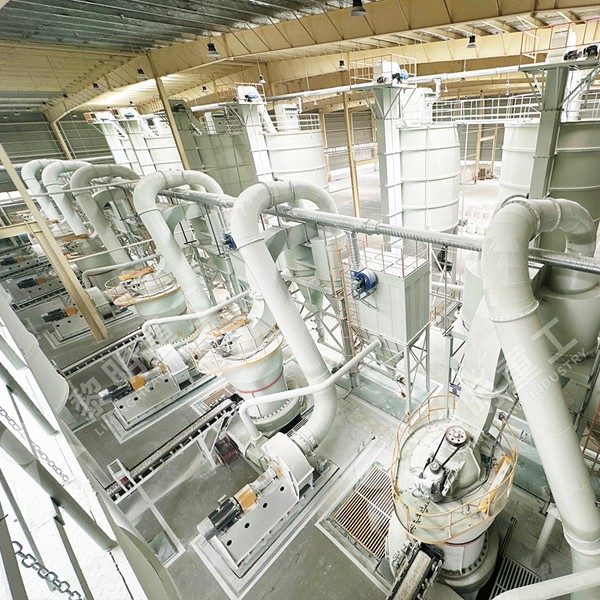
For ultra-fine glaze applications, the MW Micro Powder Mill (Medium Speed Micro-Grinding Mill) is the ultimate tool. It incorporates advanced Swedish grinding technology and is capable of producing particles as fine as d97 ≤ 5 μm (2500 mesh or finer), with adjustability between 325 and 3250 mesh. This level of fineness is essential for high-gloss, transparent glazes used in premium tableware, sanitaryware, and artistic ceramics. The mill's capacity ranges from 0.5 to 25 T/H, with an input size of 10–20 mm. The working principle involves a reducer driving the main shaft and turnplate, which causes dozens of rollers to rotate against the raceway of the ring. Material is crushed by a hammer crusher, fed into the hopper, and then evenly distributed onto the central part of the upper turnplate. Under centrifugal force, the material falls into the raceway and is crushed into fine powder. The MW mill is tightly sealed and equipped with a pulse precipitator, ensuring a green and environmentally friendly production process. It is the ideal choice for manufacturers specializing in ultra-premium ceramic products.
Ball Mill
The Ball Mill is a classic and widely used grinding plant in the ceramic industry, particularly for batch processing of glaze slurries. It is key equipment for milling after materials are crushed and can grind a wide variety of ores and materials. For marble grinding for ceramic glaze, the Ball Mill excels in producing fine, homogeneous powders with controllable fineness. Its capacity ranges from 0.65 to 50 T/H, with an input size of ≤ 25 mm. The mill consists of a horizontal rotating cylinder with ladder or ripple liners and steel balls of different sizes. As the barrel rotates, centrifugal force lifts the balls to a certain height, where they impact and grind the marble particles. The ground material is discharged through a discharge board, completing the grinding cycle. The Ball Mill is robust, reliable, and capable of handling high moisture or sticky feeds. It is particularly valued for its ability to produce glaze with excellent particle packing and flow properties, critical for consistent application.
Conclusion: Selecting the Right Mill for Your Glaze Production
Choosing the appropriate marble grinding mill for ceramic glaze depends on your production scale, desired fineness, and budget. For high-volume, continuous operation, the LM Vertical Roller Mill or MTW European Type Trapezium Mill offers the best combination of capacity, efficiency, and automation. For medium or specialty batches, the Raymond Mill or Ball Mill provides proven reliability and flexibility. And for ultra-fine, premium glazes, the MW Micro Powder Mill is unmatched in its precision and quality. Liming Heavy Industry Co., Ltd. supports each of these machines with comprehensive after-sales service, spare parts availability, and technical consultation. Our team can help you design a complete grinding line—from crushing and feeding to classifying and dust collection—tailored to your specific ceramic glaze requirements. With our machinery, you achieve not only consistent product quality but also reduced operational costs and compliance with environmental regulations. Trust Liming Heavy Industry to be your partner in ceramic glaze excellence.
Frequently Asked Questions (FAQ)
- What particle size is typically required for marble used in ceramic glaze?
Ceramic glaze generally requires marble powder with a fineness between 80 mesh (177 microns) and 325 mesh (44 microns), depending on the glaze type. For high-gloss or transparent glazes, finer particles in the range of 10 to 20 microns may be needed. Our MW Micro Powder Mill can achieve fineness down to d97 ≤ 5 μm. - Can the same mill be used for marble and other glaze raw materials?
Yes, many of our mills, such as the Ball Mill and Raymond Mill, are versatile enough to handle various non-metallic minerals like calcite, dolomite, and talc. However, the specific wear parts and grinding parameters may need adjustment. Consult our technical team for a customized solution. - How does the pulse dust collector in Liming mills improve glaze production?
The pulse dust collector captures fine particles from the air stream, preventing dust emissions and ensuring a clean working environment. It also recovers product that would otherwise be lost, increasing yield by up to 5–10% and reducing material waste. - What is the typical energy consumption for grinding marble on an MTW mill?
Energy consumption varies based on feed size, target fineness, and throughput. On average, the MTW European Type Trapezium Mill consumes 20–35 kWh per ton of marble ground to 200 mesh. Liming mills are designed with energy-saving features, including efficient roller bearings and enclosed systems. - Do you provide installation and training for your grinding mills?
Yes, Liming Heavy Industry offers comprehensive installation guidance, commissioning, and operator training for all our grinding mills. Our after-sales engineers can travel to your site to ensure correct setup and optimal operation. We also provide remote technical support for ongoing maintenance.


