Published: October 12, 2023
In modern cement manufacturing, the preheating stage represents a critical energy-intensive process that directly influences clinker quality, fuel efficiency, and overall plant economics. Coal, as the primary fuel for cement preheaters and calciners, must be ground to a fine, consistent powder with controlled moisture content to ensure stable combustion and optimal flame temperature. Vertical roller mills (VRMs) have emerged as the dominant technology for coal grinding in cement plants due to their high drying capacity, low energy consumption, and compact footprint. Liming Heavy Industry Co., Ltd., a leading manufacturer with over three decades of experience in crushing and grinding equipment, offers the LM vertical roller mill specifically engineered for coal preparation in cement preheating systems. This article provides a comprehensive overview of coal VRM technology, its working principles, key advantages, and practical considerations for cement producers.
1. The Role of Coal Grinding in Cement Preheating
Cement preheating typically involves a series of cyclones and a precalciner where raw meal is heated to around 900°C before entering the rotary kiln. The required thermal energy is supplied by burning pulverized coal, which must have a fineness of 80–90% passing through a 200-mesh sieve (74 μm) and a residual moisture content below 2%. Improperly ground coal leads to incomplete combustion, increased NOx emissions, and higher specific heat consumption. Therefore, the coal grinding system must be reliable, flexible, and capable of handling varying coal types—from bituminous to anthracite and petcoke blends. Vertical roller mills address these challenges by integrating grinding, drying, and classification in a single unit, eliminating the need for separate drying systems and reducing energy losses.
2. How a Coal Vertical Roller Mill Works
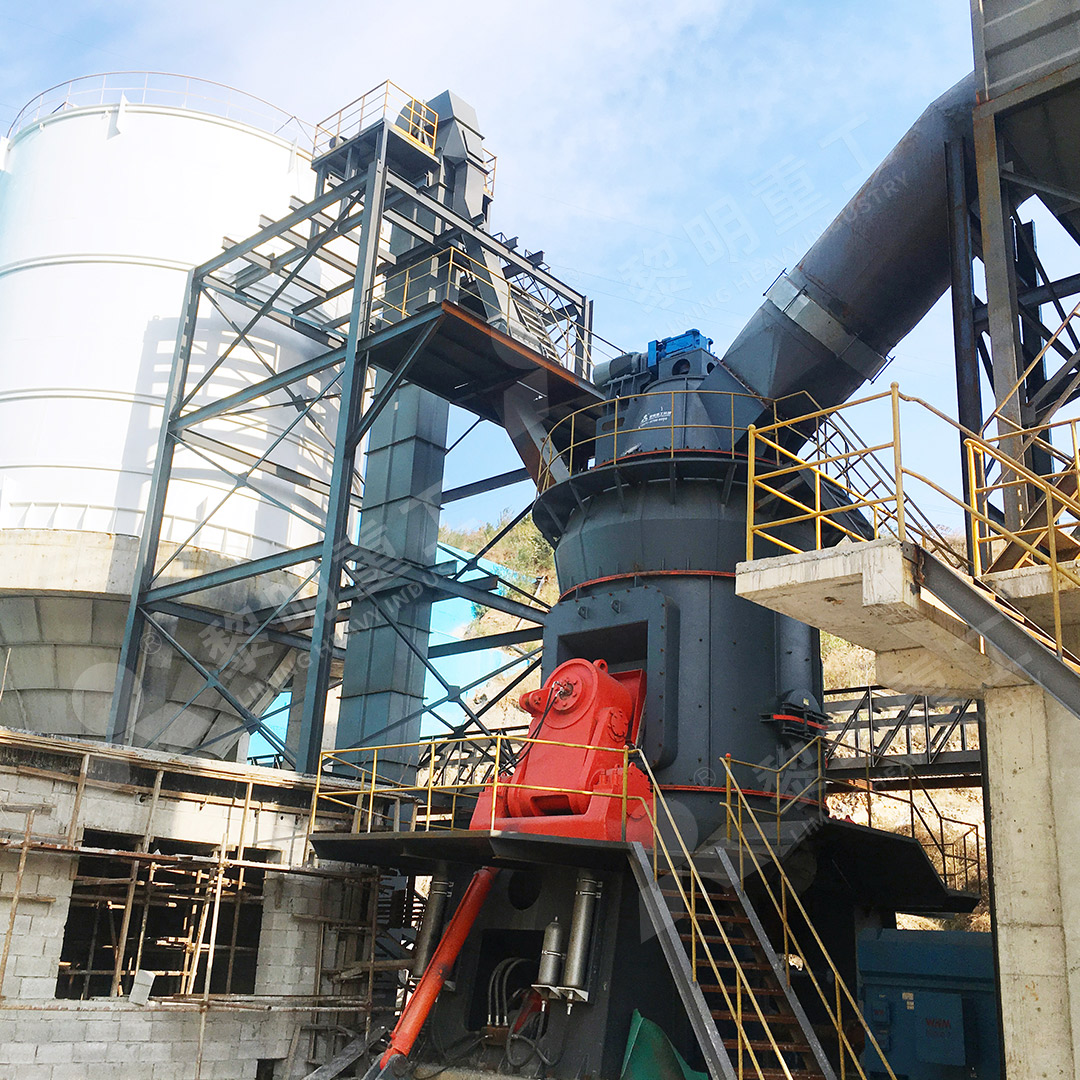
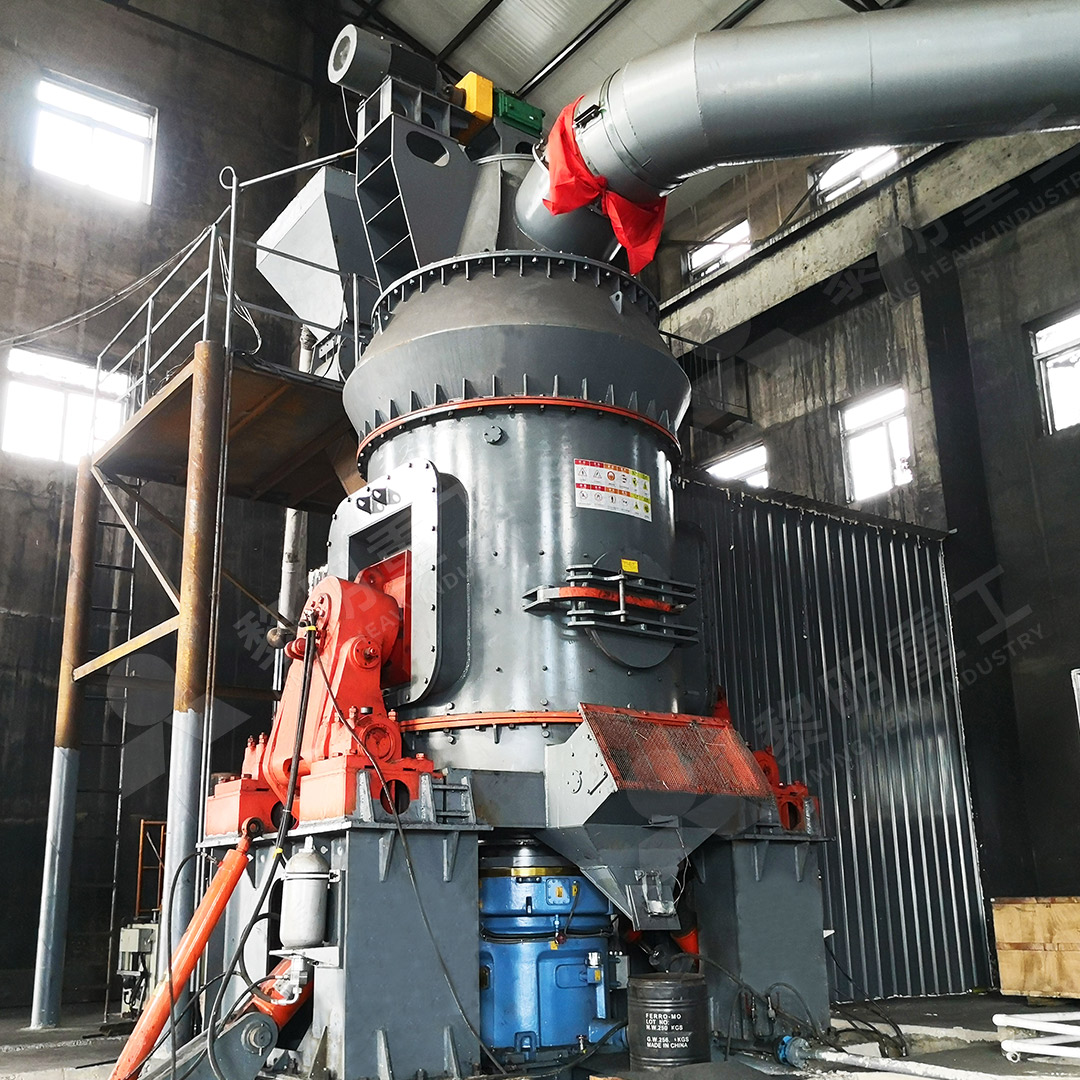
The LM vertical roller mill operates on the principle of material bed grinding. Raw coal, typically with a feed size of 30–55 mm, enters the mill through a central chute and falls onto the rotating grinding table. Centrifugal force spreads the material evenly beneath the hydraulically loaded grinding rollers. As the table rotates, the rollers traverse the coal bed, crushing and shearing it into fine particles. Hot gases (typically from the kiln or preheater exhaust) are introduced into the mill’s lower housing, ascending through the grinding zone. These gases serve a dual purpose: they dry the coal and carry the fine particles upward to the integrated dynamic classifier. The classifier separates oversized particles, which are returned to the grinding table for further size reduction, while the fine product passes through and is collected in a bag filter or cyclone before being conveyed to the coal silo. The entire system operates under negative pressure, ensuring dust-free operation and safe handling of volatile coal dust.
3. Key Features of Liming’s LM Vertical Roller Mill for Coal
Liming Heavy Industry’s LM vertical roller mill incorporates decades of engineering refinement and field-proven performance. Its core design elements include:
- Advanced Grinding Mechanism: The mill utilizes a conical roller profile with a wide grinding ring to ensure stable material bed formation even when processing high-moisture or low-grindability coals. The roller tire and table liner are made of highly wear-resistant alloy steel, extending service life beyond 8,000 hours under normal conditions.
- Integrated Drying System: The mill accepts inlet gas temperatures up to 450°C, enabling effective removal of surface and inherent moisture from coal with up to 20% moisture content. This eliminates the need for a separate rotary dryer, simplifying plant layout and reducing capital expenditure.
- High-Efficiency Dynamic Classifier: The LM mill is equipped with a motor-driven rotating cage classifier that provides precise control over product fineness (from 80% passing 200 mesh to 95% passing 325 mesh). The classifier’s speed can be adjusted in real time to accommodate changes in coal quality or combustion requirements.
- Automatic Electric Control System: A PLC-based control system continuously monitors mill load, differential pressure, outlet temperature, and vibration levels. It automatically adjusts the feed rate, roller pressure, and classifier speed to maintain stable operation, minimizing operator intervention and ensuring consistent product quality.
- Compact, Modular Design: The LM mill’s vertical arrangement significantly reduces floor space compared to ball mill systems. Its modular construction allows for quick installation and easy maintenance access to all wear parts.
4. Performance Parameters and Capabilities
The LM vertical roller mill for coal grinding offers a capacity range of 10–400 T/H, making it suitable for small-scale upgrading projects as well as large new cement lines. The typical fineness for cement preheating fuel is 80–90% passing 200 mesh, with the flexibility to produce finer grinds for specialized applications such as direct injection into calciner burners. Specific energy consumption is 20–30% lower than that of traditional ball mills, averaging 8–12 kWh per ton of coal depending on feed moisture and grindability (HGI). The mill’s drying capacity ensures product moisture below 1% even when processing high-moisture sub-bituminous coals. Furthermore, the no-load power consumption is minimized through the use of a variable-frequency drive on the main motor, contributing to further energy savings during reduced output periods.
5. Operational Benefits for Cement Plants
Adopting a coal vertical roller mill from Liming provides several tangible advantages:
- Enhanced Combustion Efficiency: The precise fineness control and uniform particle size distribution lead to faster ignition and more complete combustion, reducing coal consumption by 3–5% compared to conventional grinding systems.
- Reduced Maintenance Costs: The sealed, pressurized grinding chamber and wear-resistant components lower the frequency of part replacement. The hydraulic loading system eliminates the need for mechanical springs, reducing downtime for adjustments.
- Environmental Compliance: The closed-loop pneumatic conveying and integrated bag filter ensure that dust emissions remain below 10 mg/Nm³. The mill’s low noise level (≤85 dB) and vibration-free operation improve working conditions.
- Flexibility in Fuel Blending: Cement plants increasingly rely on alternative fuels such as petcoke, biomass pellets, or waste-derived coals. The LM mill can handle these materials in blend ratios up to 30% without modifications, thanks to its robust grinding table and adjustable classifier.
6. Practical Considerations for Selection and Installation
When choosing a coal vertical roller mill for a cement preheating application, engineers should evaluate the following factors: coal grindability (Hardgrove Index), inlet moisture content, required fineness, and plant altitude (affects pressure drop). Liming provides pre-engineered mill foundations and standardized electrical cabinets to accelerate project schedules. The company also offers on-site commissioning support and training for plant operators. A typical installation includes the VRM, a hot gas generator or ducting from the kiln, a coal bag filter, and a pneumatic transport system to the preheater burner. Safety systems, such as inert gas purging and explosion venting panels, are integrated per ATEX or local standards.
7. Conclusion
The coal vertical roller mill has become the industry standard for cement preheating fuel preparation, offering unmatched energy efficiency, reliability, and process flexibility. Liming Heavy Industry’s LM vertical roller mill, backed by 30+ years of manufacturing expertise and a comprehensive after-sales service network, delivers proven performance in hundreds of cement plants worldwide. As the cement sector continues to push for lower carbon footprints and higher productivity, the LM mill stands as a key enabler for achieving optimized thermal operations. For cement producers seeking to retrofit existing ball mill systems or design new lines, the LM VRM represents a sound investment with rapid payback through reduced energy and maintenance costs.
Frequently Asked Questions (FAQ)
Q1: What is the typical service life of wear parts in a coal vertical roller mill?
A1: Under normal operating conditions with bituminous coal (HGI 50–60), the grinding roller tires and table liners in Liming’s LM mill can last 8,000–10,000 hours before needing replacement. High-abrasiveness coals (e.g., petcoke) may reduce this to 5,000–6,000 hours. Regular inspection and proper hydraulic pressure tuning can extend wear life.
Q2: Can the LM vertical roller mill handle high-moisture coal without a separate dryer?
A2: Yes. The LM mill is designed to accept inlet gas temperatures up to 450°C, allowing it to dry coal with moisture content as high as 20% directly inside the grinding chamber. The integrated drying system eliminates the need for an external dryer, simplifying the plant layout and reducing heat losses.
Q3: How does the mill prevent coal dust explosions?
A3: The LM mill operates under negative pressure, preventing coal dust leakage. It is equipped with explosion vents, CO and O₂ monitoring, and an inert gas (N₂ or CO₂) purging system that activates during start-up, shutdown, or upset conditions. The PLC also controls outlet temperature to stay below the auto-ignition point of the coal being processed.
Q4: What is the specific power consumption compared to a ball mill?
A4: For coal grinding, the LM vertical roller mill typically consumes 8–12 kWh per ton of product, which is 20–30% lower than a ball mill (12–16 kWh/t). The actual savings depend on factors such as feed moisture, product fineness, and mill load. Additionally, the VRM has lower no-load power due to its variable-frequency drive.
Q5: Does Liming provide support for upgrading an existing ball mill station to a VRM?
A5: Absolutely. Liming Heavy Industry offers comprehensive retrofit solutions, including structural analysis, foundation design, mechanical installation, and Process Control integration. The company’s engineers conduct site surveys to optimize the transition, minimizing production downtime. Many cement plants have successfully converted their coal grinding stations to LM VRMs with a typical payback period of 1–2 years.


