Published: October 2023
As the global energy landscape shifts toward decarbonization, hydrogen has emerged as a versatile and clean fuel for power generation, industrial processes, and transportation. Among the various hydrogen production pathways, coal gasification remains one of the most mature and economically viable methods, particularly in regions with abundant coal reserves. A key enabler of efficient coal-to-hydrogen conversion is the reliable and precise grinding of coal into fine powder, which is then fed into gasifiers to produce syngas (a mixture of hydrogen and carbon monoxide). Choosing the right coal grinding mill directly impacts the energy efficiency, particle size distribution, and overall cost-effectiveness of the entire hydrogen production chain. Liming Heavy Industry Co., Ltd., with over three decades of experience in manufacturing large and medium-sized crushing and grinding equipment, offers a comprehensive portfolio of mills—including LM Vertical Roller Mill, MTW European Type Trapezium Mill, Raymond Mill, MW Micro Powder Mill, and Ball Mill—each engineered to meet the rigorous demands of coal pulverization for hydrogen production at varying scales and fineness requirements.
The Role of Coal Grinding in Hydrogen Production
In a typical coal-to-hydrogen plant, raw coal must first be crushed and ground to a specific particle size (often 50–200 microns) before being injected into a gasifier. The gasification process involves reacting coal with steam and oxygen at high temperature and pressure to produce syngas, which is then shifted and purified to yield high-purity hydrogen. The grinding stage is critical because the surface area and uniformity of coal particles directly influence the gasification kinetics, carbon conversion efficiency, and slag formation behavior. Overgrinding wastes energy, while undergrinding reduces reactivity and increases residence time. Therefore, a coal grinding mill designed for hydrogen production must offer precise control over fineness, stable operation under varying moisture and hardness conditions, and high throughput with low specific energy consumption.
Liming Heavy Industry’s Milling Solutions for Coal-to-Hydrogen
Headquartered in the HI-TECH Industry Development Zone of Zhengzhou, covering 80,000 m², with an additional workshop of 67,000 m² in Shangjie Industry Park, Liming Heavy Industry has been at the forefront of grinding technology since 1987. Our product line reflects decades of research, innovation, and field-proven performance in coal, cement, metallurgy, and chemical applications. Below, we examine how each mill type serves the coal grinding needs of hydrogen production.
LM Vertical Roller Mill – The Workhorse for Large-Scale Hydrogen Projects
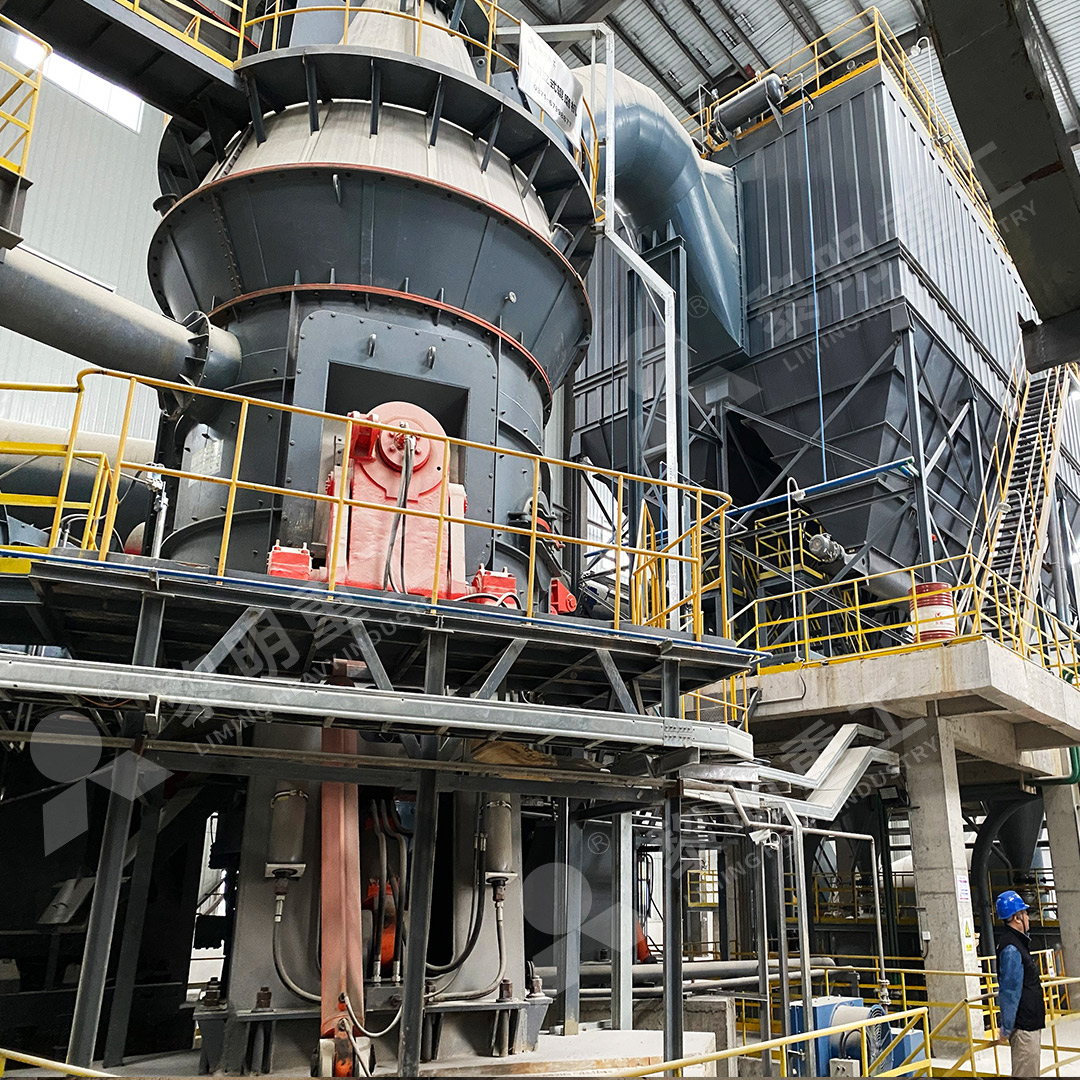
With a capacity range of 10–400 T/H and an input size of 30–55 mm, the LM Vertical Roller Mill is ideally suited for large-scale coal-to-hydrogen plants where continuous, high-volume grinding is required. Its integrated drying, grinding, classification, and conveying system simplifies the process flow and reduces auxiliary equipment. The automatic electric control system ensures consistent product fineness (typically 80–200 mesh) even when coal moisture fluctuates. The mill’s patented roller and table design minimizes vibration and wear, translating to lower maintenance costs and higher uptime—critical for hydrogen production facilities operating 24/7.
MTW European Type Trapezium Mill – Balanced Performance for Mid-Scale Plants
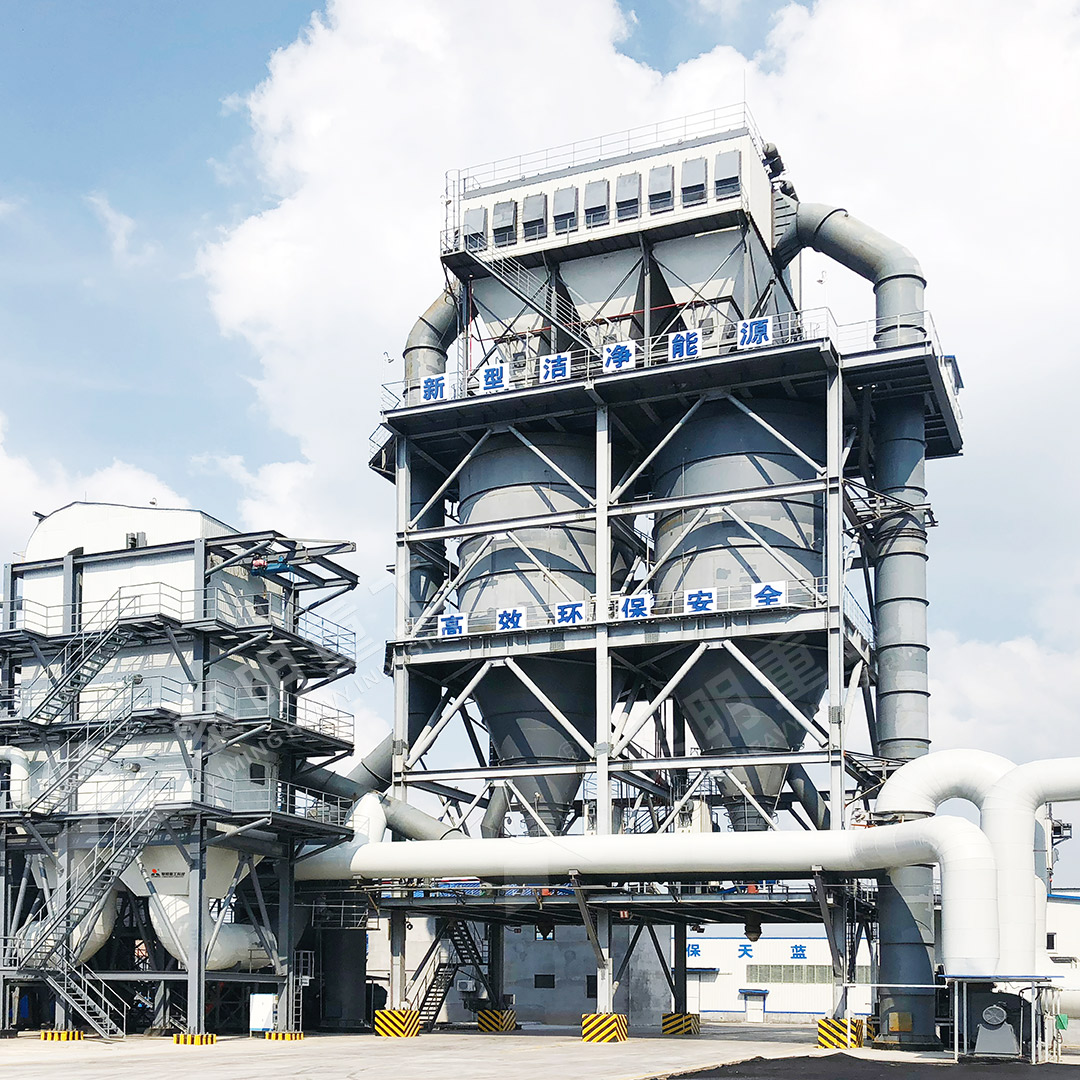
For mid-size hydrogen production units or retrofit projects, the MTW European Type Trapezium Mill (capacity 3–55 T/H, input size 30–50 mm) offers an excellent compromise between investment and operating cost. As the upgrade of traditional Raymond and pendulum mills, it features a bevel gear transmission system, curved shovel, and a multi-head classifier that delivers a narrow particle size distribution. The closed system with pulse dust collector complies with strict environmental standards, making it suitable for coal grinding in urban or ecologically sensitive areas. Many power plant desulfurization and solid fuel grinding applications have already adopted this mill, and its reliability extends seamlessly to hydrogen production.
Raymond Mill – Legacy Dependability for Smaller Operations
With a capacity of 1.2–4.5 T/H and input size of 15–25 mm, the Raymond Mill remains a classic choice for small-scale coal hydrogen production or pilot plants. Its simple structure, low initial investment, and ease of maintenance make it attractive for research facilities and modular hydrogen units. The output fineness range of 613–44 μm allows flexibility to meet different gasifier requirements. While not designed for the highest throughput, Raymond mills from Liming have been refined over three decades to ensure stable grinding of non-flammable, non-explosive coal with moisture below 6%.
MW Micro Powder Mill – Ultra-Fine Coal for Advanced Gasification
Emerging gasification technologies, such as entrained-flow gasifiers, often demand coal particles finer than 50 microns to achieve near-complete carbon conversion. The MW Micro Powder Mill (capacity 0.5–25 T/H, input size 10–20 mm) is engineered for this niche. With a product fineness adjustable between 325 mesh and 3250 mesh (d97 ≤ 5 μm), it can produce ultra-fine coal powder that enhances reactivity and reduces oxygen consumption. The medium-speed micro-grinding technology, inspired by Swedish innovation, combined with a pulse precipitator, ensures a green and efficient operation. This mill is particularly valuable for hydrogen production from low-rank coals or coal-biomass blends.
Ball Mill – Traditional Robustness for Pre-Grinding or Co-Grinding
The Ball Mill (capacity 0.65–50 T/H, input size ≤ 25 mm) remains a versatile option for coal grinding in hydrogen production, especially when used as a pre-grinder before a vertical mill or for grinding coal along with other additives. Its horizontal rotating drum with steel balls provides a reliable, well-understood grinding action. Although less energy-efficient than vertical mills for fine grinding, ball mills are often employed in smaller plants or as part of a two-stage grinding system to reduce the specific power consumption of the main mill.
Why Liming Heavy Industry for Your Coal-to-Hydrogen Project?
Our company’s persistence in scientific research, combined with a mature R&D team that focuses on technological breakthroughs, ensures that every mill is optimized for the challenging conditions of coal grinding. We adopt a “production, learning, and research” approach, constantly benchmarking against the technological frontier of the industry. Key advantages include:
- Customizable Fineness Control: All our mills offer adjustable classifier speeds or separator settings to achieve the exact particle size required by your gasifier.
- Energy Efficiency: The LM Vertical Mill, for instance, can reduce specific energy consumption by up to 30% compared to traditional ball mills, directly lowering the operating cost of hydrogen production.
- Environmental Compliance: Pulse dust collectors and closed-loop airflow systems are standard options, helping plants meet stringent emission regulations.
- Proven Reliability: With over 30 years of manufacturing experience and a global customer base, Liming mills have demonstrated durability in continuous operation.
- Comprehensive Support: From site selection and layout design to installation and after-sales service, our team provides end-to-end assistance.
Conclusion
As the world accelerates toward a hydrogen economy, the role of efficient coal grinding cannot be overstated. Whether you are designing a large-scale commercial hydrogen plant or a pilot facility, Liming Heavy Industry offers a range of coal grinding mills that deliver the precision, reliability, and efficiency demanded by modern gasification processes. Our decades of experience, robust manufacturing base, and commitment to innovation make us a trusted partner in the clean energy transition.
Frequently Asked Questions
- What particle size is typically required for coal used in hydrogen production via gasification?
Most entrained-flow gasifiers require coal powder with 70–90% passing through 200 mesh (74 μm), while fluidized-bed gasifiers may accept coarser material up to 6 mm. Finer grinding improves carbon conversion but increases energy consumption; our mills can be tuned to your specific target. - Can Liming mills handle high-moisture coal?
Yes. The LM Vertical Roller Mill features an integrated drying system that can handle coal with up to 15–20% moisture by using hot air or flue gas. For higher moisture, we can recommend pre-drying systems or alternate mill configurations. - Which mill is best for a hydrogen plant with a capacity of 100,000 Nm³/h of hydrogen?
At that scale, you would likely need a coal throughput of 20–40 T/H. The LM Vertical Roller Mill (100–400 T/H class) is the most economical choice, as it combines grinding, drying, and classification in one unit, reducing footprint and auxiliary equipment. - Do you provide complete grinding systems or just the mill?
We supply complete systems including crushers, feeders, hoppers, conveyors, dust collectors, electric cabinets, and piping. We also offer engineering support to integrate the grinding line with your gasification island. - What is the expected service life of grinding parts in coal applications?
With proper maintenance, wear parts such as rollers and liners typically last 6,000–12,000 operating hours depending on coal abrasiveness and fineness. We use high-chrome alloy materials to extend life and can provide wear monitoring services.


