Published: March 15, 2025
In the brick manufacturing industry, coal grinding mills play a pivotal role in converting raw coal into fine, consistent pulverized fuel that feeds kilns and dryers, ensuring uniform combustion and energy efficiency. As a leading supplier of industrial grinding solutions, Liming Heavy Industry offers a comprehensive range of mills—including vertical roller mills, Raymond mills, European trapezium mills, micro powder mills, and ball mills—each engineered to meet the specific demands of coal preparation for brick production. This article explores the key technical considerations, optimal mill selection, and operational benefits for brick producers seeking reliable, high-performance coal grinding equipment. By leveraging advanced automation, closed-loop systems, and environmentally compliant dust collection, Liming’s mills deliver particle sizes from 44 μm down to 5 μm, with capacities spanning 0.5 T/H to 400 T/H, making them ideal for both small-scale brick plants and large industrial operations.
Why Coal Grinding Matters in Brick Manufacturing
Brick production relies on high-temperature kilns to sinter clay or shale, and pulverized coal is a primary fuel source in many regions. The quality of coal grinding directly affects combustion stability, thermal efficiency, and emission levels. Inconsistent coal particle size can lead to incomplete burning, increased fuel consumption, and higher pollutant output. Furthermore, when coal is used as an additive in brick body (internal fuel), precise fineness ensures homogeneous mixing and reduces fuel waste. Therefore, selecting a coal grinding mill that provides reliable, adjustable output with low operational costs is critical.
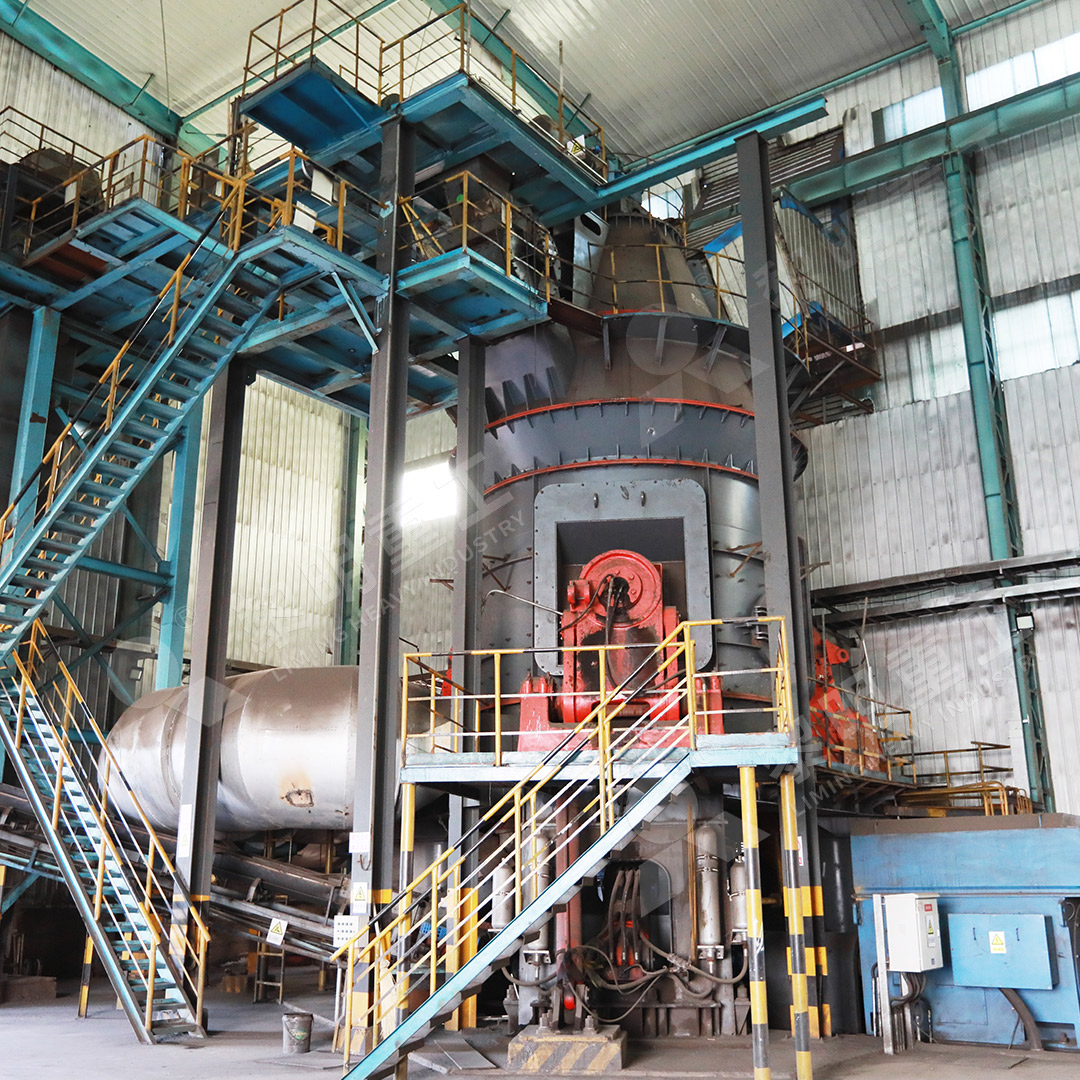
Key Technical Features for Coal Grinding
Liming Heavy Industry’s coal grinding mills incorporate several advanced features tailored to brick production:
- Drying, grinding, and classification in one unit: For example, the LM Vertical Roller Mill integrates these functions, reducing system complexity and floor space.
- Variable frequency drive (VFD) feeders: Ensure precise and uniform feed of coal, preventing mill overload and ensuring stable operation.
- High-efficiency separators: Deliver precise particle size distribution (e.g., 80% passing 200 mesh for brick kiln fuel), adjustable via rotor speed.
- Closed-circuit airflow systems: Equipped with pulse-jet dust collectors to meet environmental standards and reduce material loss.
- Wear-resistant materials: Grinding rollers and liners made of high-chrome alloy extend service life, minimizing downtime in continuous brick production.
Selecting the Right Mill for Your Brick Plant
The choice of coal grinding mill depends on factors such as required capacity, input coal size, moisture content, hardness, and desired fineness. Below is an overview of Liming’s most suitable models:
LM Vertical Roller Mill
Best for large-scale brick plants needing high throughput (10–400 T/H) and ability to handle raw coal up to 55 mm. It is ideal for coal with moderate to high moisture (up to 15%) because it combines drying with grinding. The automatic electric control system ensures stable operation and low energy consumption per ton.
Raymond Mill
A classic choice for medium-to-small brick factories with capacity 1.2–4.5 T/H and input size 15–25 mm. It produces fineness from 613 μm to 44 μm, sufficient for most kiln firing. Its simple structure and low maintenance make it cost-effective for plants with limited technical staff.
MTW European Type Trapezium Mill
This upgrade of traditional Raymond mills offers higher productivity (3–55 TPH) and better energy efficiency. It is suitable for grinding coal with a hardness below 7 Mohs and moisture less than 6%. The trapezoidal grinding ring and roller design increase grinding efficiency by 20–30% compared to Raymond mills.
MW Micro Powder Mill
For plants requiring ultra-fine coal powder (325–3250 mesh) for special brick applications (e.g., refractory bricks or color additives), the MW mill can achieve d97 ≤ 5 μm. Capacity ranges 0.5–25 T/H. Its pulse dust collector ensures clean operation.
Ball Mill
Historically used in coal grinding, ball mills are still viable for brick plants with existing infrastructure. Capacity: 0.65–50 T/H, input ≤25 mm. They are robust and can handle abrasive coals, but have higher energy consumption and larger footprint. Liming’s ball mills feature ladder liners and various steel ball specifications to optimize grinding efficiency.
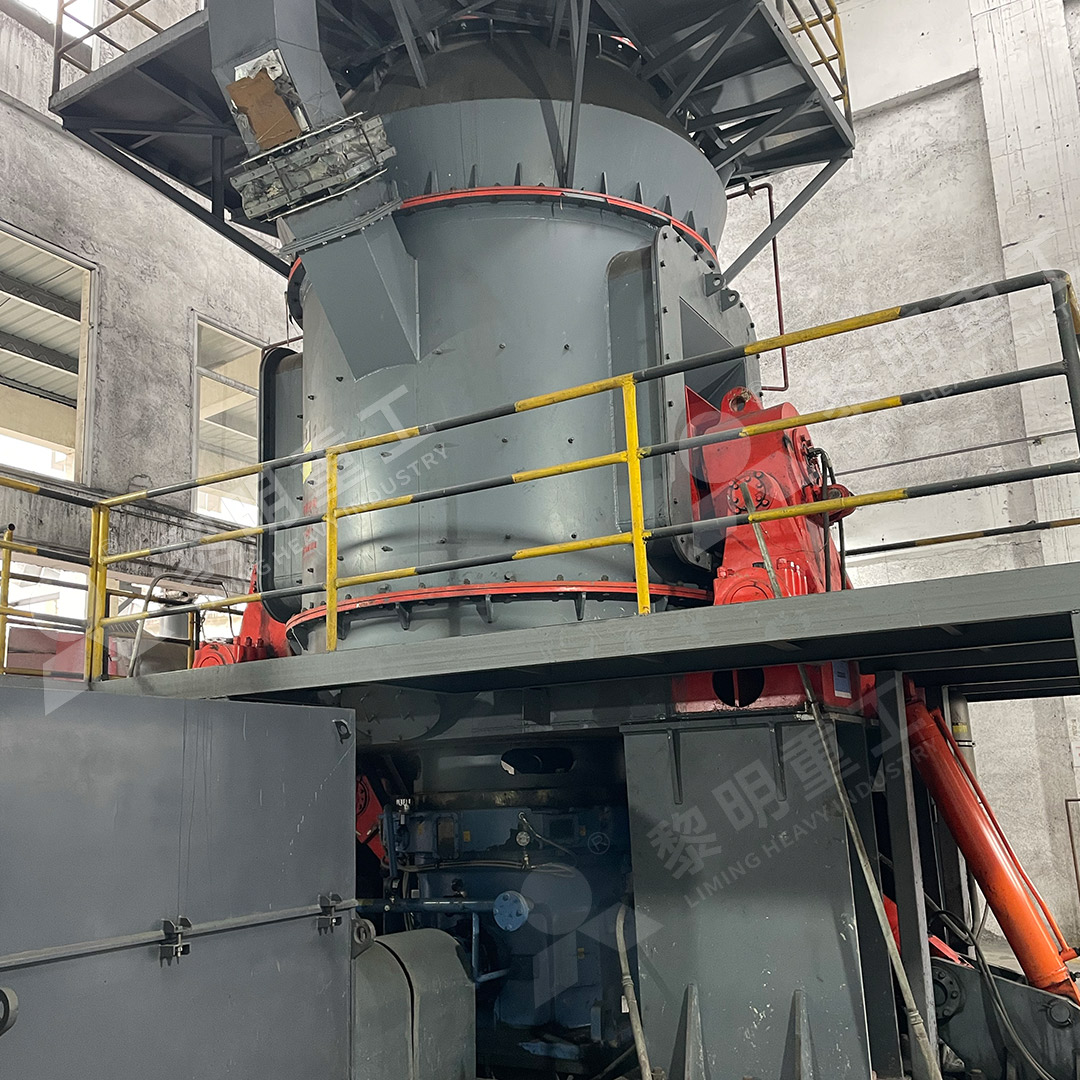
Working Principle: From Coal to Pulverized Fuel
Regardless of the mill type, the process typically follows these steps:
- Raw coal is crushed to required size by a jaw crusher and stored in a hopper.
- Through a variable-frequency feeder, coal is continuously and evenly fed into the mill grinding chamber.
- Grinding media (rollers, rings, or balls) reduce coal to powder under centrifugal force or impact.
- Hot air from a preheater or kiln waste gas enters the mill to dry the coal and carry the fine particles to a separator.
- Over‑size particles return to the grinding zone; fine particles pass through and are collected as finished product in a cyclone or bag filter.
- Clean air is recycled to the air blower, forming a closed loop that minimizes dust emission.
Environmental and Economic Benefits
Modern coal grinding mills from Liming are designed to reduce both operational costs and environmental impact. The use of pulse-jet dust collectors meets stringent national emission standards, which is increasingly important for brick plants facing regulatory scrutiny. Additionally, the high grinding efficiency and precise classification lower specific energy consumption (kWh per ton of coal), directly reducing fuel costs. The closed-circuit system also prevents coal dust leakage, improving workplace safety and hygiene.
Case in Point: Tailored Solutions for Brick Producers
Over 30 years of experience, Liming Heavy Industry has supplied coal grinding mills to hundreds of brick manufacturing facilities worldwide. One typical configuration for a mid-size brick plant (annual output 60 million bricks) uses an MTW European Type Trapezium Mill (capacity 15 T/H) paired with a hot air generator and bag filter. The plant reports a 12% reduction in coal consumption and 98% kiln temperature stability, directly attributable to consistent coal fineness (90% passing 200 mesh).
Conclusion
Choosing the right coal grinding mill is a strategic decision that impacts brick production efficiency, fuel cost, and environmental compliance. Liming Heavy Industry offers a diverse portfolio of mills backed by three decades of engineering excellence, from the high-capacity LM vertical roller mill to the ultra-fine MW micro powder mill. By considering capacity, fineness, moisture, and space constraints, brick manufacturers can select a solution that optimizes their specific operation. With advanced automation, robust construction, and comprehensive after-sales support, Liming mills deliver reliable performance, making them a trusted partner in the global brick industry.
Frequently Asked Questions (FAQ)
- What fineness of coal is typically required for brick kilns?
Most brick kilns burn pulverized coal with a fineness of 80–90% passing 200 mesh (74 μm). For internal fuel in bricks, a slightly coarser grind (60–70% passing 200 mesh) may be acceptable, but consistent particle size is critical for uniform combustion. - Can Liming’s coal grinding mills handle high-moisture coal?
Yes. The LM Vertical Roller Mill and the MTW European Type Trapezium Mill are designed to dry and grind coal with moisture content up to 15%, by introducing hot air into the grinding chamber. For higher moisture, a separate drying system can be integrated. - What is the typical energy consumption of a coal grinding mill for brick production?
Energy consumption varies by mill type and fineness. For example, the LM vertical mill typically consumes 25–35 kWh per ton of coal ground to 200 mesh, while ball mills may require 35–50 kWh/ton. Liming’s mills are optimized to minimize specific energy through advanced grinding technology. - How often do grinding rollers need replacement in a Raymond or MTW mill?
With proper maintenance and using high-chrome wear parts, grinding rollers in Raymond and MTW mills typically last 3,000–6,000 hours of operation, depending on coal abrasiveness. Liming provides wear-resistant options that extend service life by up to 30% compared to standard materials. - Can a single coal grinding mill serve multiple kilns in a brick plant?
Yes, if the mill capacity is sufficiently large and the plant layout allows pneumatic or mechanical conveying of pulverized coal to multiple storage silos. Liming often designs centralized coal grinding systems that feed several kilns, reducing equipment duplication and maintenance costs.


