Published on February 20, 2025
In the foundry industry, coal grinding mills play a critical role in preparing pulverized coal used as a carbon additive and mold release agent in sand casting processes. The quality and consistency of ground coal directly affect casting surface finish, mold strength, and overall production efficiency. Liming Heavy Industry Co., Ltd., a leading manufacturer of large and medium-sized crushing and grinding equipment since 1987, offers a comprehensive range of mills tailored for foundry sand coal grinding applications. This article provides an in-depth analysis of how Liming's milling technologies—including LM Vertical Roller Mill, MTW European Type Trapezium Mill, Raymond Mill, MW Micro Powder Mill, and Ball Mill—meet the specific requirements of the foundry sand industry, focusing on fineness control, moisture handling, throughput capacity, and energy efficiency.
Understanding the Foundry Sand Coal Grinding Requirement
Foundry sand systems often require ground coal (typically bituminous coal or anthracite) with a fineness of 80% to 90% passing 200 mesh (74 microns) or finer. The coal powder serves multiple functions: it provides a reducing atmosphere in the mold cavity, prevents sand fusion, improves casting surface quality, and enhances mold collapsibility. The grinding process must remove moisture (usually below 2% to 3%) and achieve a consistent particle size distribution without over-grinding, which could lead to dust losses or inconsistent burn characteristics. Liming Heavy Industry's equipment portfolio addresses these challenges with proven designs that integrate drying, grinding, classification, and conveying into efficient systems.
LM Vertical Roller Mill: High-Capacity Solution for Foundry Sand Coal
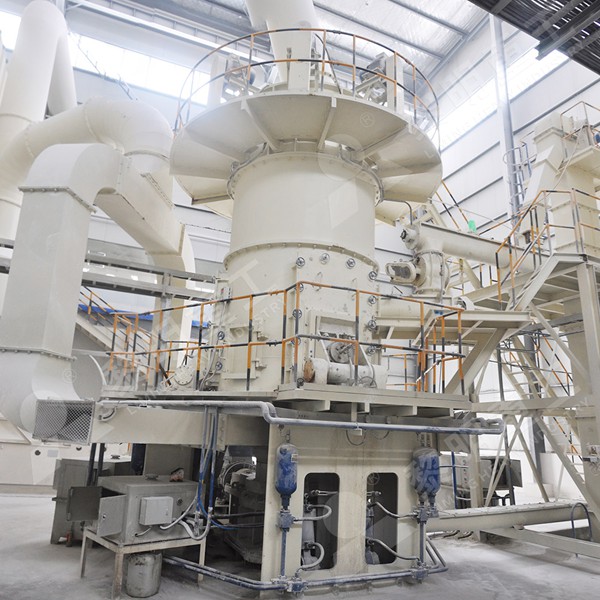
The LM Vertical Roller Mill is an ideal choice for large-scale foundry operations requiring consistent coal powder output. With a capacity range of 10 to 400 tons per hour and input sizes up to 55 mm, this mill integrates drying, grinding, and classification in a single unit. Its advanced automatic electric control system ensures stable operation under varying feed conditions. For foundry sand coal grinding, the LM mill can efficiently reduce high-moisture coal (up to 15% to 20%) to the target fineness while maintaining low specific energy consumption. The vertical roller design minimizes metal-to-metal contact, reducing wear and maintenance downtime. Foundries processing large volumes of coal for multiple molding lines benefit from the LM mill's ability to produce a uniform product with tight particle size distribution, essential for consistent casting quality.
The LM mill's separator system allows precise adjustment of product fineness, typically achieving 80% passing 200 mesh or finer. Its low noise level and enclosed operation comply with modern environmental standards, an important consideration for urban-adjacent foundries. Additionally, the mill's ability to handle coal with varying grindability indices makes it suitable for sourcing coal from different suppliers without sacrificing product consistency.
MTW European Type Trapezium Mill: Versatility and Efficiency for Medium-Scale Foundries
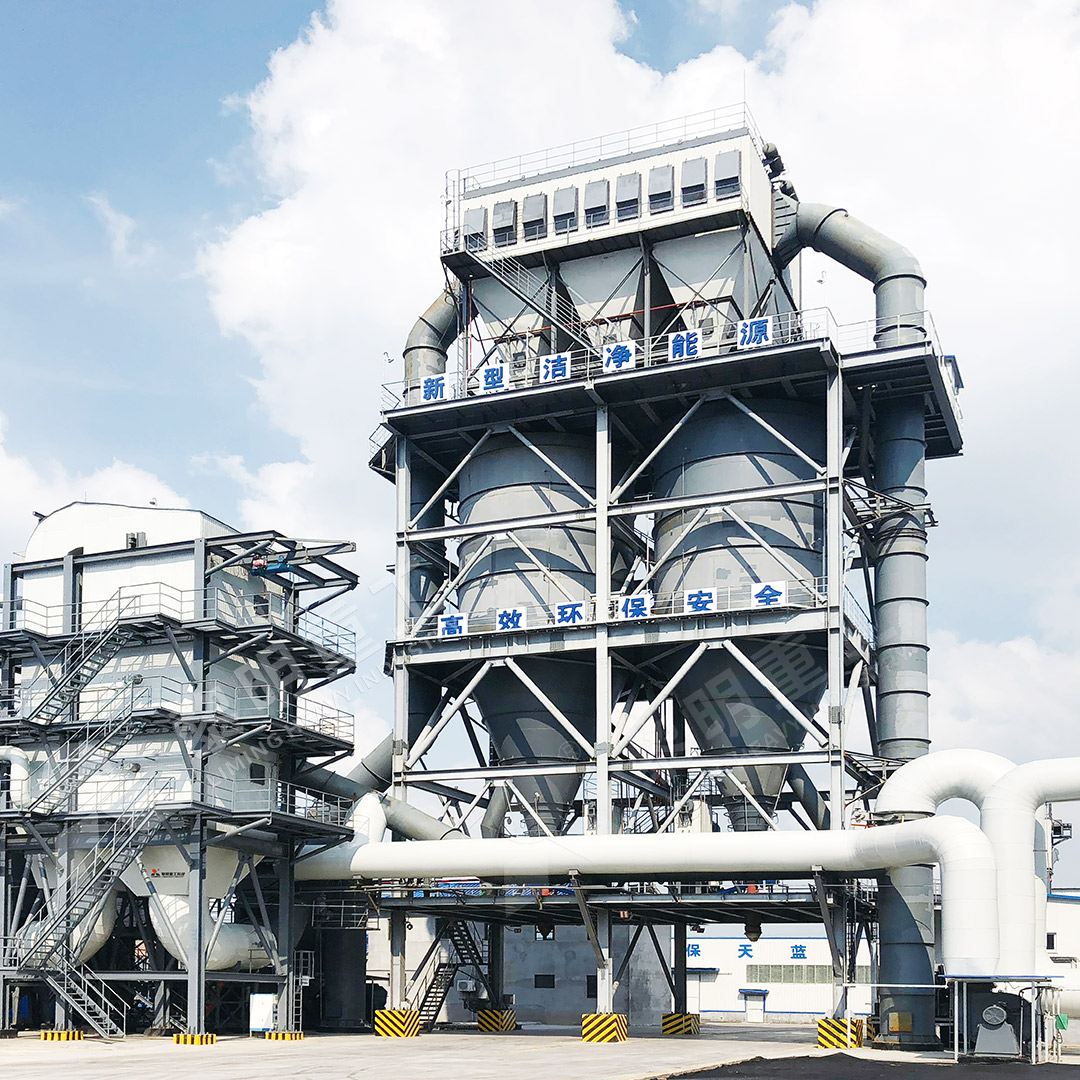
For medium-scale foundries or operations requiring flexibility between different coal grades, the MTW European Type Trapezium Mill offers an excellent balance of capacity (3 to 55 tons per hour) and fineness control (output fineness from 613μm to 44μm, adjustable). This mill is the upgraded version of traditional Raymond and pendulum mills, incorporating patented technology for improved stability and productivity. Its working principle involves a grinding ring and roller system that crushes coal between the ring and rollers, with a closed-loop air system that recirculates airflow through the separator and dust collector, minimizing emissions and heat loss.
In foundry sand applications, the MTW mill excels at grinding coal to the typical 200-mesh target while handling input sizes up to 50 mm. The variable-frequency belt feeder ensures uniform feeding, which is critical for maintaining consistent product quality. The pulse dust collector system, standard on MTW mills, captures fine particles and returns them to the product stream, reducing waste and ensuring compliance with environmental regulations. Foundries that process both bituminous coal and anthracite can rely on the MTW mill's robust design to handle the abrasiveness of harder coal grades without excessive wear.
One of the key advantages of the MTW mill in the foundry context is its quick product changeover capability. When shifting between different coal sources or required fineness levels, operators can adjust the separator speed and feed rate efficiently, minimizing production interruption.
Raymond Mill and MW Micro Powder Mill: Specialized Solutions for Smaller Foundries and Fine Grinding
For smaller foundries or operations with lower throughput requirements (1.2 to 4.5 tons per hour), the Raymond Mill remains a reliable and cost-effective choice. It is suitable for non-flammable and non-explosive materials with Mohs hardness under 7 and humidity below 6%, which covers most coal types used in foundry sand. The output fineness range of 613μm to 44μm allows operators to tailor the product to specific casting requirements. Though less integrated than the LM or MTW mills, the Raymond Mill's simplicity and ease of maintenance make it a practical option for foundries with limited technical support.
When the foundry process demands coal powder finer than 200 mesh—such as for special casting alloys or intricate mold geometries—the MW Micro Powder Mill (medium speed micro-grinding mill) can achieve fineness down to d97 ≤ 5μm (approximately 325 mesh to 3250 mesh). With a capacity of 0.5 to 25 tons per hour, it is suitable for foundries that either require ultra-fine coal for specific mold coatings or those researching advanced casting methods. The MW mill's design, incorporating Swedish grinding technology and a pulse precipitator, ensures environmentally friendly operation even at very fine particle sizes.
Ball Mill: Traditional Robustness for Heavy-Duty Foundry Coal Grinding
In some foundries, especially those handling large volumes of coal for multiple shift operations, the Ball Mill offers proven durability and low operating cost. With a capacity of 0.65 to 50 tons per hour and input size up to 25 mm, the ball mill uses steel balls to impact and grind coal in a horizontal rotating barrel. While it does not integrate drying or classification as efficiently as vertical roller mills, its simple mechanical design makes it easy to maintain and repair in house. For foundries with existing drying and classification equipment, the ball mill can be a cost-effective component of the grinding circuit.
Ball mill grinding produces a relatively broad particle size distribution, which may be acceptable for many foundry sand applications where a range of particle sizes contributes to mold stability. However, operators must monitor moisture levels carefully to avoid coating the balls and liners with coal paste, which can reduce grinding efficiency. Liming's ball mill designs include ladder and ripple liners to improve material flow and reduce packing, along with various steel ball grades to optimize impact and grinding action for different coal types.
Selection Criteria for Foundry Sand Coal Grinding Mills
When selecting a coal grinding mill for foundry sand, several factors must be considered: desired throughput, required fineness, moisture content of the feed coal, available floor space, energy cost, and environmental regulations. For high-throughput operations (>20 TPH) with high-moisture coal, the LM Vertical Roller Mill is typically the preferred choice due to its integrated drying capability and low specific energy consumption. For medium-throughput operations (5-20 TPH) requiring frequent product changeovers, the MTW European Type Trapezium Mill offers the best balance of flexibility and efficiency. For low-throughput operations (<5 TPH) or when capital cost is the primary constraint, Raymond Mill or Ball Mill solutions remain viable, though with higher energy and labor costs per ton of product.
Liming Heavy Industry's engineering team provides customized system designs that include upstream crushing equipment (such as jaw crushers for initial size reduction), hoppers, vibrating feeders, dust collection systems, and product storage silos. The company's experience since 1987, combined with its modern manufacturing facilities covering over 80,000 m² in Zhengzhou's HI-TECH Industry Development Zone and an additional 67,000 m² workshop in Shangjie Industry Park, ensures reliable supply and technical support.
Conclusion
Coal grinding for foundry sand is a specialized application that demands mills capable of producing consistent, fine powder with controlled moisture content. Liming Heavy Industry Co., Ltd. offers a comprehensive range of grinding solutions—from the high-capacity LM Vertical Roller Mill to the versatile MTW European Type Trapezium Mill, the reliable Raymond Mill, the ultra-fine MW Micro Powder Mill, and the robust Ball Mill—each suited to different operational scales and requirements. By leveraging these technologies, foundries can optimize their coal grinding processes, improve casting quality, reduce energy consumption, and meet environmental standards. With decades of experience and a commitment to scientific research and innovation, Liming Heavy Industry remains a trusted partner for the global foundry industry.
Frequently Asked Questions (FAQ)
1. What fineness of coal powder is typically required for foundry sand applications?
Most foundry sand processes require coal powder with 80% to 90% passing 200 mesh (74 microns). Finer powder (up to 325 mesh or finer) may be needed for specialized casting alloys or complex mold geometries. The LM Vertical Roller Mill and MTW European Type Trapezium Mill can both achieve this range with consistent output.
2. Can the same mill be used to grind different types of coal (e.g., bituminous and anthracite) for foundry sand?
Yes. The MTW European Type Trapezium Mill and LM Vertical Roller Mill are designed to handle coals with varying grindability indices. However, adjustments to separator speed, feed rate, and grinding pressure may be required when switching between coal types to maintain target fineness and throughput.
3. How does moisture content in coal affect the grinding process for foundry sand?
High moisture content (above 6% to 8%) can cause issues such as material sticking, reduced grinding efficiency, and agglomeration in the mill. The LM Vertical Roller Mill incorporates integrated drying to handle feed moisture up to 15% to 20%, while other mills may require separate drying equipment or blending with drier coal.
4. What environmental considerations should be taken into account when selecting a coal grinding mill for foundry sand?
Dust emissions and noise are primary concerns. Liming's mills are equipped with pulse dust collectors that capture fine particles and return them to the product stream, complying with national environmental standards. The LM mill and MTW mill also feature enclosed designs that minimize fugitive dust and reduce noise levels compared to traditional ball mills.
5. What is the typical payback period for investing in a modern coal grinding mill for a foundry sand operation?
While payback periods vary based on local energy costs, labor rates, and throughput volumes, foundries typically see a return on investment within 18 to 36 months due to reduced energy consumption, lower maintenance costs, improved product consistency, and reduced waste. Liming Heavy Industry provides feasibility studies and technical support to help customers assess their specific return on investment.


