Published: February 20, 2025
Choosing the right coal grinding mill for a ceramic kiln is a critical decision that directly impacts fuel efficiency, flame stability, and final product quality. At Liming Heavy Industry, we have been engineering and manufacturing grinding solutions since 1987, and our portfolio includes proven technologies—from LM Vertical Roller Mills and MTW European Type Trapezium Mills to Raymond Mills and Ball Mills—each capable of producing the finely pulverized coal required for consistent kiln firing. In this article, we examine the key factors that ceramic plant operators should consider, compare our best-suited models for coal grinding, and provide actionable insights grounded in decades of field experience and over 147,000 square meters of modern manufacturing facilities.
Why Coal Fineness and Consistency Matter for Ceramic Kilns
Ceramic kilns—whether tunnel kilns, shuttle kilns, or roller hearth kilns—demand a stable, high-temperature flame to achieve uniform sintering of ceramic bodies. Coal used as fuel must be ground to a specific fineness (typically 80% passing 200 mesh or finer) to ensure complete combustion, minimal clinker formation, and precise temperature control. Oversized particles can cause uneven burning, hot spots, and wasted energy, while overly fine dust may lead to explosion hazards or burner blockages. Therefore, the grinding mill must deliver consistent particle size distribution, low moisture content, and reliable operation under continuous duty cycles.
Our Best-Suited Solutions for Coal Grinding in Ceramics
Liming Heavy Industry offers several mill types that have been successfully deployed in coal preparation for ceramic kilns worldwide. Below we highlight the most relevant models based on capacity range, input size tolerance, and fineness adjustability.
| Mill Model | Capacity (TPH) | Input Size (mm) | Output Fineness | Best Application |
|---|---|---|---|---|
| LM Vertical Roller Mill | 10 – 400 | 30 – 55 | 80μm – 200μm (adjustable) | Large-scale coal grinding with drying and classification integrated |
| MTW European Type Trapezium Mill | 3 – 55 | 30 – 50 | 80μm – 400μm (adjustable) | Mid-to-large capacity with high efficiency and low energy consumption |
| Raymond Mill (Classic) | 1.2 – 4.5 | 15 – 25 | 44μm – 613μm | Small to medium plants, simple operation and low investment |
| Ball Mill | 0.65 – 50 | ≤25 | 45μm – 200μm | Robust design for continuous grinding, good for coal with moderate moisture |
For most ceramic kiln applications requiring a throughput of 3–15 tons per hour of coal powder, the MTW European Type Trapezium Mill and the LM Vertical Roller Mill are the top recommendations. The MTW mill, as an upgrade of traditional Raymond and pendulum mills, offers patented technology that ensures stable performance, high productivity, and environmental compliance. Its closed-loop system with pulse dust collector meets strict emission standards—essential for modern ceramic plants located near residential areas.
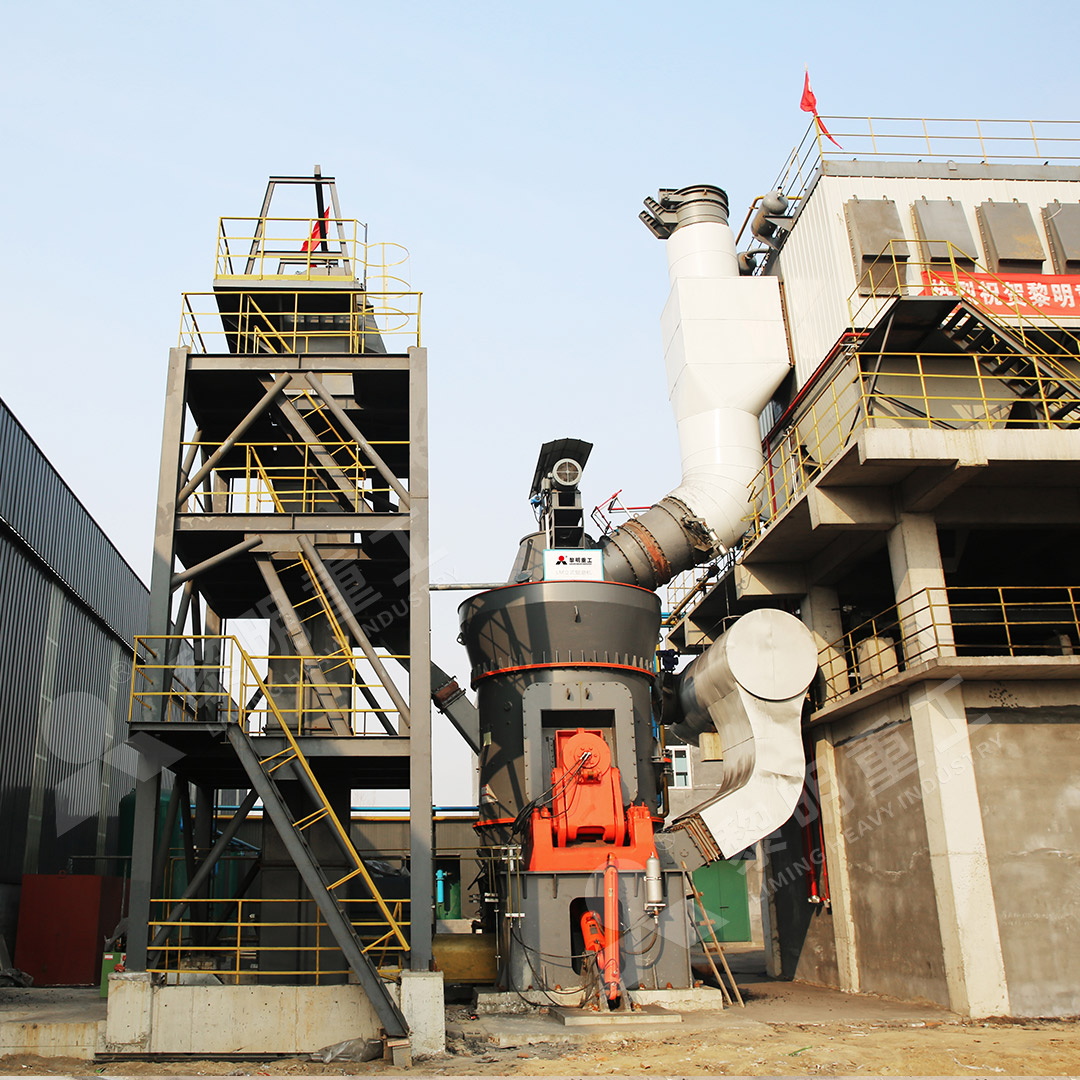
Case in Point: Coal Preparation for a Large Ceramic Tile Manufacturer
A major ceramic tile producer in Southeast Asia approached Liming in 2023 with the need to replace an aging ball mill that produced inconsistent coal fineness and consumed excessive power. After a thorough site audit, we recommended the LM1200 Vertical Roller Mill with an integrated hot air generator to dry the coal (which had 12% inherent moisture) and grind it to 85% passing 200 mesh. The installation, which included a variable-frequency belt feeder, jaw crusher, and pulse dust collector, resulted in a 30% reduction in specific energy consumption and a 15% increase in kiln production throughput due to more stable flame temperature. The system has been operating continuously for over 18 months with minimal downtime.
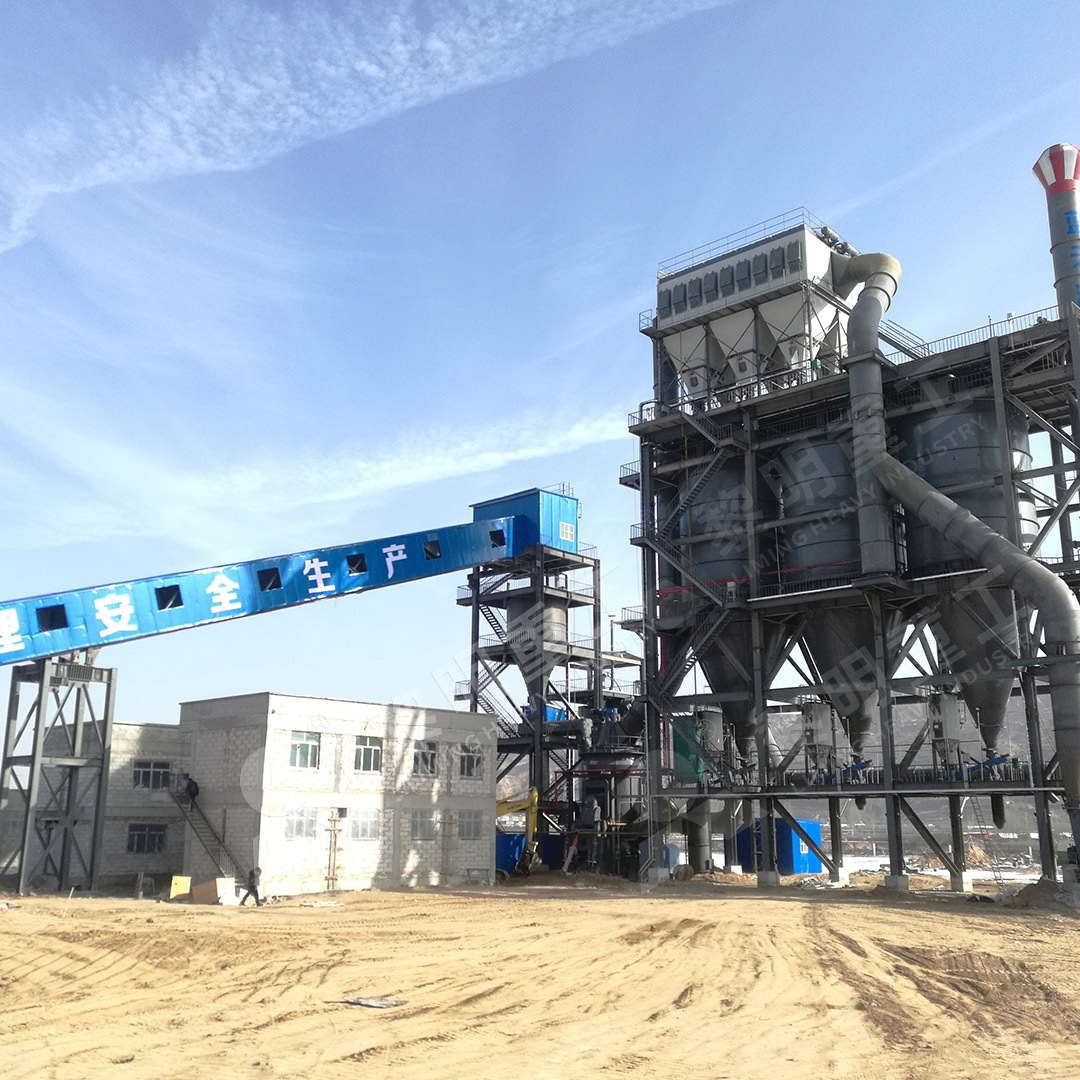
Key Features to Look for in a Coal Grinding Mill
Based on our 30+ years of manufacturing experience, we advise ceramic plant engineers to prioritize the following attributes when selecting a mill for coal grinding:
- Drying Capacity: Raw coal often contains surface moisture (5–15%). A mill with integrated hot air or flue gas drying, like the LM Vertical Roller Mill, eliminates the need for a separate dryer.
- Classification Precision: The built-in separator must allow quick adjustment of fineness without stopping the mill. MTW and LM mills use a dynamic classifier that can be tuned on the fly.
- Wear Resistance: Coal contains abrasive minerals such as quartz and pyrite. Rolls and liners made of high-chromium alloy or ceramic composites extend service life.
- Explosion Safety: Coal dust is explosive. Our mills are designed with explosion vents, inert gas injection ports, and antistatic filter bags where required.
- Automation and Control: Modern PLC-based systems with touch-screen interfaces enable remote monitoring and automatic load adjustment, reducing operator intervention.
Economic and Operational Considerations
While the initial capital cost of a vertical roller mill is higher than that of a ball mill, the total cost of ownership over ten years often favors the VRM due to lower power consumption (by 30–50%), less wear part replacement, and smaller footprint. For smaller ceramic workshops with limited capital, a Raymond Mill or a small Ball Mill can still deliver acceptable results if paired with a quality classifier. Liming offers complete grinding lines—from crusher and feeder to dust collector and electric cabinet—ensuring single-source responsibility and smooth commissioning.
Conclusion: Partner with a Trusted Manufacturer
With over three decades of specialization in crushing and grinding equipment, Liming Heavy Industry has supplied more than 10,000 mills to clients across 170 countries. Our R&D team continuously improves mill designs to address the evolving needs of ceramic kiln operators—whether it is higher fineness, lower emissions, or integration with digital control systems. When you choose a coal grinding mill from Liming, you benefit not only from robust hardware but also from comprehensive after-sales support, including spare parts, process optimization, and on-site training.
If you are planning a new kiln line or upgrading an existing coal grinding system, we invite you to contact us for a tailored proposal based on your specific coal properties, required capacity, and budget framework.
Frequently Asked Questions (FAQ)
- Q: What is the recommended coal fineness for a ceramic tunnel kiln?
A: Typically, 80% passing 200 mesh (74μm) to 90% passing 200 mesh is ideal for ceramic tunnel and shuttle kilns. Finer powder (e.g., 325 mesh) may be used for high-temperature kilns, but at the cost of higher energy consumption. Our MTW and LM mills allow easy fineness adjustment. - Q: Can I use the same mill for grinding both coal and other raw materials like clay or feldspar?
A: It is not recommended to cross-contaminate coal with non-fuel materials. We advise dedicating one mill exclusively for coal to avoid combustion issues and product discoloration. However, if you must switch materials, thorough cleaning of the mill and separator is essential. - Q: How do I determine the appropriate capacity (TPH) for my ceramic kiln?
A: Calculate the kiln's hourly fuel consumption based on its thermal load (e.g., 3.5 GJ per ton of fired product) and the calorific value of your coal. Add a 20% safety margin. Our sales engineers can perform this calculation for you upon providing your kiln specifications. - Q: What maintenance is required for a coal grinding mill?
A: Regular inspections of wear parts (grinding rollers, rings, liners) every 500–1000 operating hours; lubrication of bearings and gearboxes per manual; and calibration of the classifier. Ball mills require periodic addition of grinding media. Liming supplies detailed maintenance schedules with every machine. - Q: Does Liming provide turnkey installation and commissioning?
A: Yes. We offer complete project management from foundation design to electrical integration. Our team supervises installation, performs cold and hot commissioning, and trains your operators. We also provide remote monitoring options for ongoing support.


