Published: October 26, 2023
In the production of putty powder, the selection of a suitable grinding mill directly impacts product fineness, output efficiency, and overall cost management. Among the available technologies, the marble roller mill—specifically engineered for processing marble, limestone, and other non-metallic minerals—stands out as a preferred solution for putty powder manufacturing. This article provides a comprehensive overview of how marble roller mills function, their key advantages for putty powder applications, and how Liming Heavy Industry's advanced grinding equipment addresses the specific demands of the industry, including energy efficiency, precise particle size control, and operational reliability. Drawing on decades of engineering expertise, Liming's product lineup offers tailored solutions that integrate modern automation and environmental compliance, making them a cornerstone for putty powder production lines worldwide.
Putty powder, a widely used building material, requires a fine and consistent particle size to ensure smooth application, strong adhesion, and aesthetic finish. The raw material, typically marble or limestone, must undergo rigorous grinding to achieve a fineness ranging from 200 to 400 mesh. A marble roller mill—such as the LM Vertical Roller Mill or MTW European Type Trapezium Mill—is ideally suited for this task. These mills combine crushing, grinding, drying, and classifying into a single compact system, significantly reducing capital investment and operational footprint. The vertical roller mill, for instance, features a unique grinding mechanism where rollers rotate against a rotating grinding table, ensuring uniform material distribution and efficient particle size reduction. This design minimizes energy consumption while maximizing throughput, a critical factor for high-volume putty powder production.
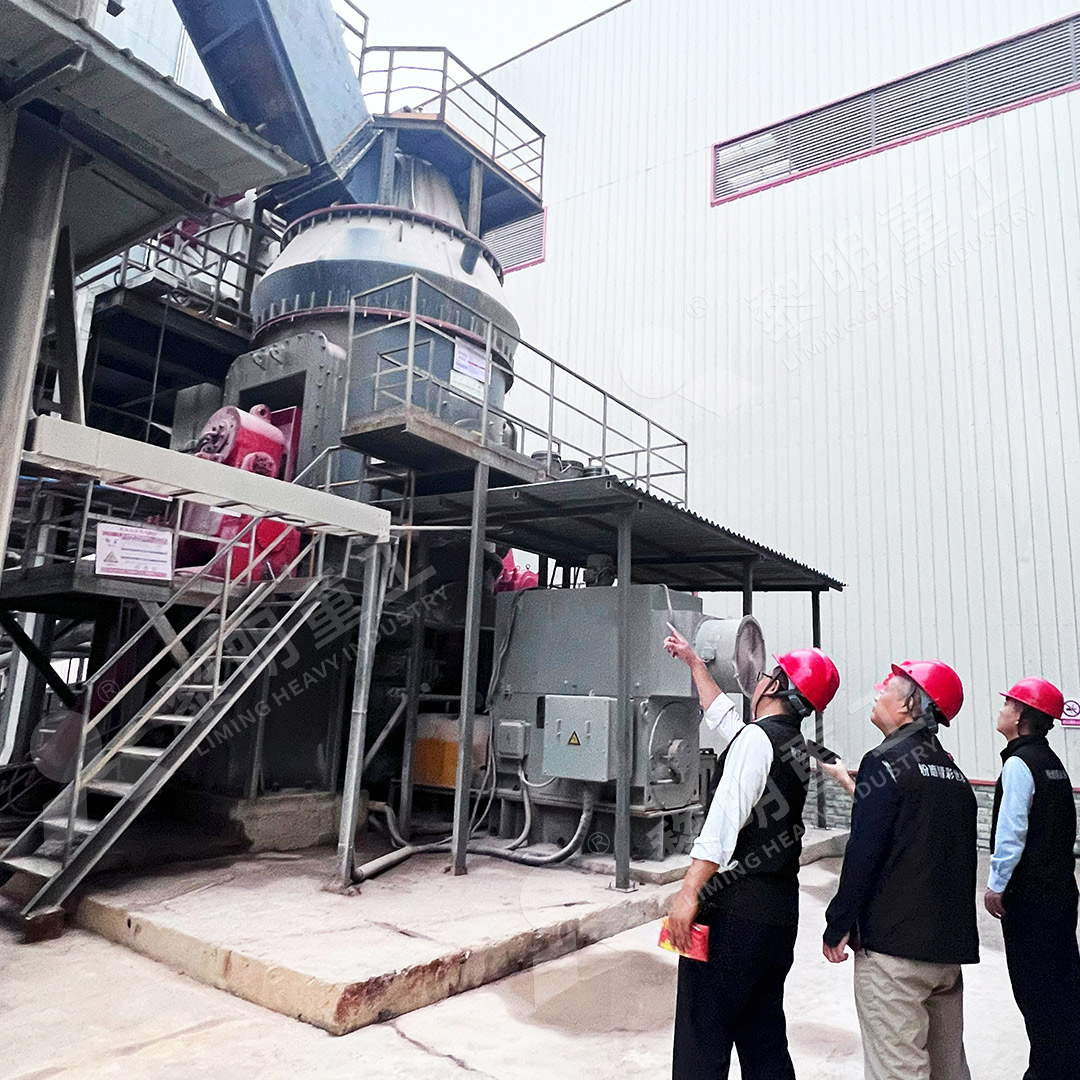
Liming Heavy Industry, established in 1987, has leveraged over three decades of experience to refine its grinding technologies. The company's LM Vertical Roller Mill, with a capacity range of 10–400 T/H and input size up to 55 mm, is a flagship solution for large-scale putty powder operations. Its automatic electric control system ensures precise regulation of grinding pressure and classifier speed, enabling consistent product fineness. Additionally, the mill integrates drying capabilities, making it suitable for raw materials with varying moisture content. For mid-scale productions, the MTW European Type Trapezium Mill offers a capacity of 3–55 T/H, with an input size of 30–50 mm, delivering a fineness between 613 μm and 44 μm. This mill upgrades traditional Raymond mill designs with patented technology, including a bevel gear transmission system and an independent lubrication station, enhancing durability and reducing maintenance downtime. Both mills are equipped with pulse dust collectors, meeting stringent environmental standards—a non-negotiable requirement in modern putty powder plants.
The working principle of these marble roller mills is straightforward yet highly effective. After primary crushing by a jaw crusher, the material is fed into the mill via a vibrating feeder. Inside the grinding chamber, rollers apply pressure to the material bed, crushing it against the grinding ring or table. The ground particles are then carried upward by an air stream to a dynamic classifier. Coarse particles are rejected and returned for regrinding, while fine particles pass through and are collected as finished product in a cyclone or bag filter. This closed-loop system not only ensures high efficiency but also minimizes dust emissions. The variable-frequency drive on the feeder and the automatic control of the classifier speed allow operators to fine-tune the fineness according to putty powder specifications, typically achieving a D90 of 45–75 μm. Moreover, the wear-resistant materials used in roller and ring construction extend service life, reducing replacement costs over time.
For putty powder producers focusing on superfine applications, the MW Micro Powder Mill is another viable option. With an output fineness adjustable from 325 to 3250 mesh (d97 ≤ 5 μm), and a capacity of 0.5–25 T/H, this mill incorporates Swedish grinding technology. Its multiple roller design and high-pressure spring system enable efficient grinding of hard materials like marble. The pulse precipitator ensures clean operation, aligning with global sustainability trends. However, for the majority of putty powder formulations, which require moderate fineness, the LM Vertical Mill and MTW Mill remain the most cost-effective choices. Liming Heavy Industry also offers Raymond mills and ball mills for smaller-scale or specialized applications, but the roller mill technology provides the best balance of productivity, energy savings, and product quality for putty powder.
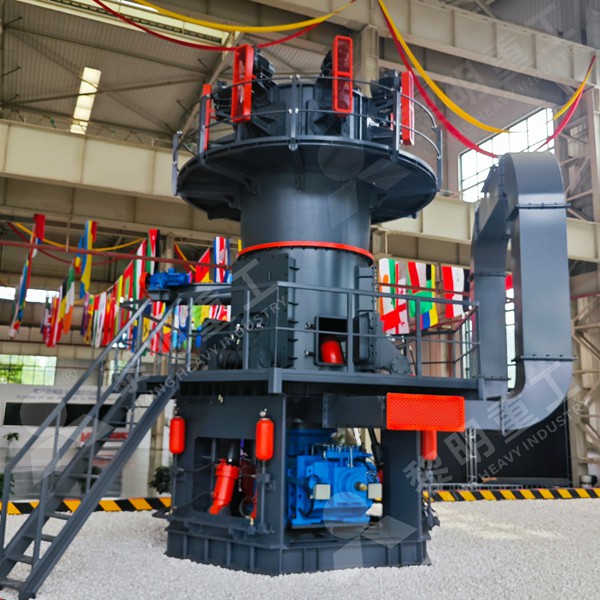
From a strategic perspective, investing in a marble roller mill from Liming Heavy Industry offers putty powder manufacturers several long-term advantages. First, the company's ISO 9001-certified manufacturing facilities in Zhengzhou ensure high build quality and precision. Second, the integrated research, development, and sales model means customers receive end-to-end support, from mill selection to installation and after-sales service. Third, the modular design of the mills allows for scalability, enabling producers to expand capacity as market demand grows. Liming's commitment to scientific research and technological innovation is evident in features like the automatic lubrication system, which reduces operator intervention, and the intelligent control panel that monitors vibration, temperature, and power consumption in real time. These advancements translate to reduced unplanned downtime and lower total cost of ownership.
In conclusion, the marble roller mill is an indispensable asset for putty powder production, offering unmatched efficiency, flexibility, and environmental compliance. Liming Heavy Industry's proven track record, extensive product portfolio, and focus on customization make it a trusted partner for manufacturers worldwide. Whether you require a high-capacity vertical mill for industrial-scale output or a medium-capacity trapezium mill for precise fineness control, Liming's solutions are engineered to meet the evolving demands of the building materials sector. By choosing the right roller mill technology, putty powder producers can enhance product consistency, reduce energy costs, and strengthen their competitive position in the market.
FAQ
1. What raw materials can a marble roller mill process for putty powder?
Marble roller mills from Liming Heavy Industry can process marble, limestone, calcite, dolomite, and other non-metallic minerals with Mohs hardness under 7 and moisture content below 6%. These are the primary components for standard and premium putty powder formulations.
2. How does the fineness adjustment work in a roller mill for putty powder?
Fineness is controlled by adjusting the speed of the dynamic classifier and the grinding pressure. The LM Vertical Mill and MTW Mill allow operators to set the fineness between 200 and 400 mesh (74–44 μm) for putty powder, ensuring consistent particle size distribution optimal for application.
3. What is the typical energy consumption of a marble roller mill compared to a ball mill?
Marble roller mills, especially vertical roller mills, consume 30–50% less energy than traditional ball mills for the same throughput. This is due to the efficient grinding mechanism where material is ground on a bed rather than by impact, reducing friction and energy loss.
4. Can the same roller mill be used for both putty powder and other applications?
Yes, Liming's roller mills are versatile. The LM Vertical Mill and MTW Mill can switch between different materials and fineness requirements with minimal changeover time, making them suitable for producers who also process cement, coal, or desulfurization agents.
5. What maintenance is required for a marble roller mill in putty powder production?
Routine maintenance includes inspecting and replacing wear parts like rollers and grinding rings every 6–12 months depending on throughput, checking the lubrication system, and cleaning the pulse dust collector. Liming provides detailed manuals and remote support to minimize downtime.


