Published: October 12, 2023
Marble grinding mills are essential equipment in the production of terrazzo flooring, a decorative and durable surface material that has been used for centuries in both residential and commercial spaces. The process involves grinding marble scraps or aggregates into fine powder or controlled particle sizes, which are then mixed with cement or epoxy binders to create terrazzo composites. For contractors, architects, and flooring manufacturers, selecting the right grinding mill is critical to achieving consistent quality, optimal particle distribution, and high production efficiency. Liming Heavy Industry Co., Ltd., a leading manufacturer with decades of experience in crushing and grinding technologies, offers a range of mills tailored to meet the demands of terrazzo production. From traditional Raymond mills to advanced vertical roller mills and micro powder grinders, Liming’s equipment is engineered for precision, durability, and energy efficiency. This article explores how different marble grinding mills can be applied to terrazzo flooring manufacturing, highlighting their working principles, capacities, and advantages. Whether you are producing fine marble powder for polished terrazzo or coarser aggregates for rustic finishes, understanding the capabilities of each mill type will help you optimize your production line and deliver superior flooring results.
Terrazzo flooring has gained popularity for its aesthetic versatility and long lifespan. It typically consists of marble, quartz, granite, glass, or other chips set in a binder and polished smooth. The use of marble as the primary aggregate is common due to its natural beauty and workability. To prepare marble for terrazzo, the material must be crushed and ground to specific mesh sizes, ranging from coarse chips (1-3 mm) to fine powders (200-400 mesh). The grinding stage is where Liming Heavy Industry’s expertise shines. Our portfolio includes machines that can handle marble hardness (Mohs 3-4) and humidity levels below 6%, making them ideal for this application. Below, we delve into the most suitable mills for marble grinding in terrazzo production, each with unique features that cater to different scale operations and output requirements.
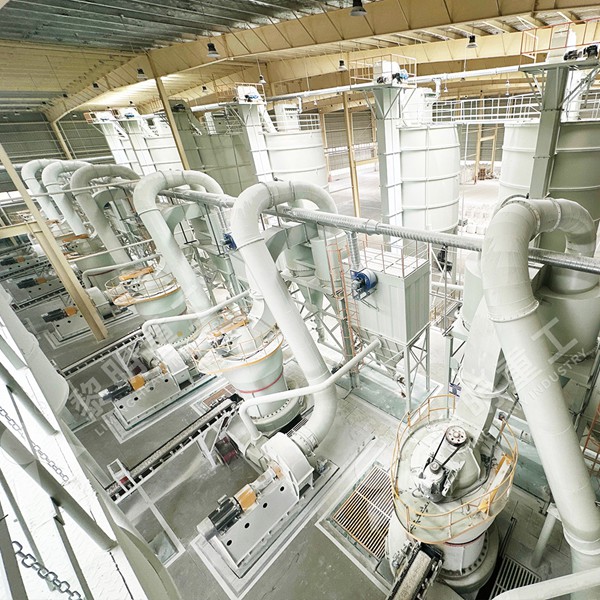
Raymond Mill for Marble Powder in Terrazzo
The Raymond mill, a classic in the grinding industry, remains a popular choice for small to medium-scale terrazzo producers. Liming’s Raymond mill is designed for processing non-flammable and non-explosive materials with Mohs hardness under 7 and humidity less than 6%, which perfectly covers marble. It produces output fineness between 613 μm (30 mesh) and 44 μm (325 mesh), suitable for blending in terrazzo mixes. With a capacity range of 1.2 to 4.5 T/H and input sizes of 15-25 mm, this mill is ideal for workshops that require consistent marble powder for custom terrazzo batches. The working principle relies on a rotating grinding roller that presses against a stationary ring, crushing materials by extrusion and grinding. The built-in air classifier ensures only particles meeting the fineness specification exit the system, while oversized materials are returned for further grinding. This closed-loop design minimizes waste and dust, aligning with modern environmental standards. For a terrazzo plant focusing on high-quality polished floors, the Raymond mill offers reliability and ease of maintenance.
MTW European Type Trapezium Mill for Large-Scale Terrazzo Production
As the upgrade of traditional Raymond and pendulum mills, Liming’s MTW European Type Trapezium Mill brings advanced technology to the terrazzo industry. Its patented trapezium-shaped rollers and rings increase grinding efficiency by ensuring materials are ground more uniformly. The mill is designed for large-scale applications, with a capacity ranging from 3 to 55 TPH and input size up to 50 mm. This makes it suitable for centralized processing plants that supply marble powder to multiple terrazzo contractors. The MTW mill integrates a pulse dust collector, meeting strict environmental regulations. The working system includes a jaw crusher for primary size reduction, a vibrating feeder for controlled feeding, and a separator for precise classification. Air flow circulates in a closed loop, reducing energy consumption. For terrazzo manufacturers looking to expand production without sacrificing quality, the MTW mill offers high throughput and consistent fineness (typically 80-425 mesh). The ability to adjust fineness via separator speed allows flexibility for different terrazzo formulations, from fine-grinded epoxy terrazzo to coarser cement-based mixes.
LM Vertical Roller Mill for Energy-Efficient Marble Grinding
Liming’s LM Vertical Roller Mill represents the cutting edge of grinding technology, combining drying, grinding, powder selection, and conveying in one unit. With a capacity of 10 to 400 T/H and input sizes of 30-55 mm, it is the go-to solution for high-capacity terrazzo raw material processing. The vertical design reduces floor space by up to 50% compared to ball mills, while the automatic electric control system ensures optimal operation with minimal human intervention. The mill works by rotating a grinding table and applying hydraulic pressure to rollers, crushing marble through compression and shear. The integrated separator (rotor type) classifies particles by centrifugal force, achieving fineness from 200 to 400 mesh easily. An important advantage for terrazzo production is the low noise level and low vibration, which is beneficial in urban or noise-sensitive areas. Additionally, the LM mill can handle moist materials (up to 15% moisture) thanks to its hot air drying capability, making it versatile for recycled marble waste that might contain some moisture. For large terrazzo flooring manufacturers who prioritize energy savings and high output, the LM vertical roller mill is a strategic investment.
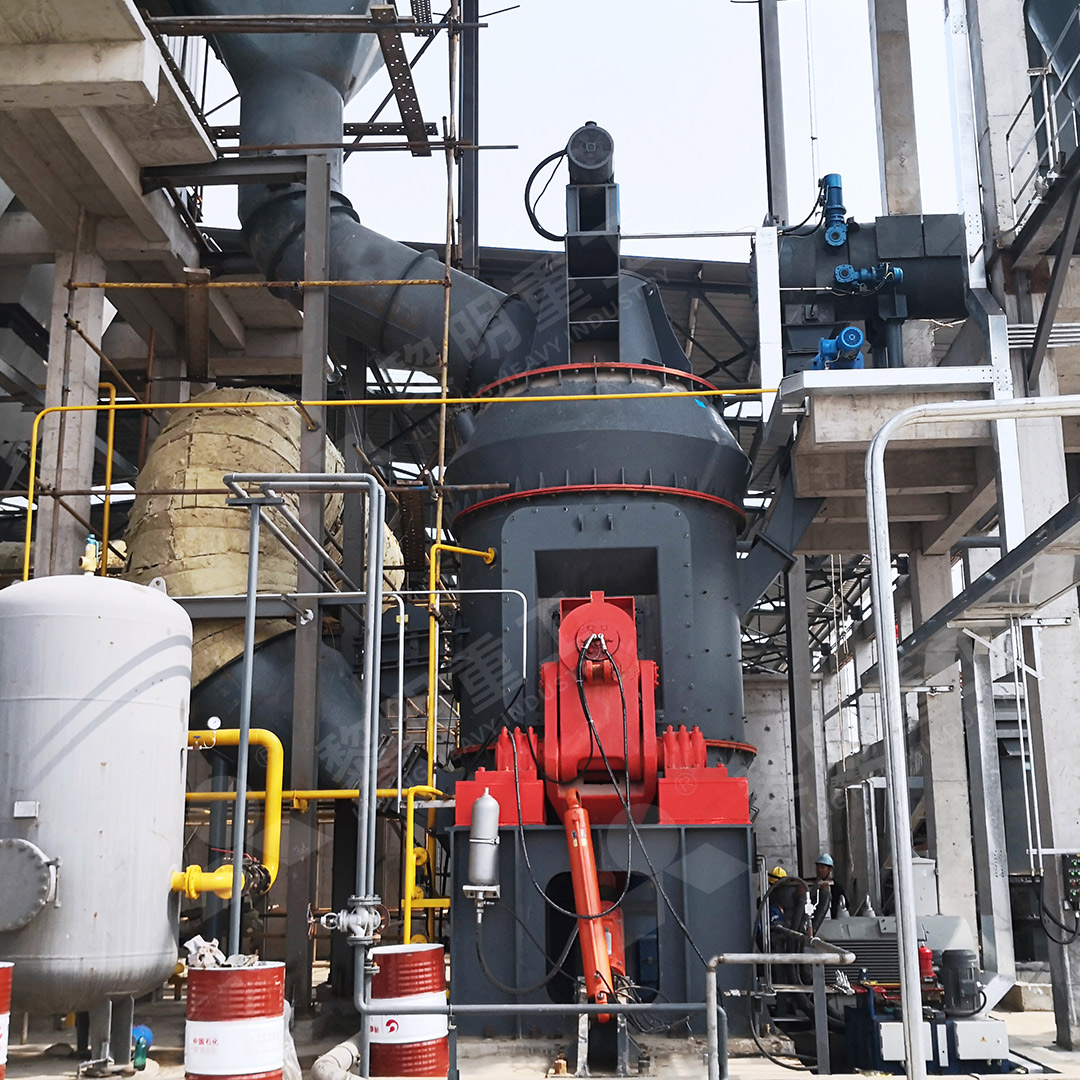
Micro Powder Grinding Mill for Ultrafine Marble in Premium Terrazzo
For high-end terrazzo applications that require superfine marble powder (325-2500 mesh), Liming’s MW Micro Powder Mill is the optimal choice. It uses medium-speed micro-grinding technology inspired by Swedish designs, achieving a fineness of d97 ≤ 5 μm. With a capacity of 0.5 to 25 T/H and input size of 10-20 mm, it is suitable for specialty terrazzo blends that demand a smooth, luxurious finish. The mill’s working principle involves multiple rollers (up to 36) rotating against a grinding ring, driven by a reducer and turnplate. Material is fed centrally and distributed by centrifugal force, being crushed between rollers and the ring. The pulse precipitator ensures dust-free operation. For terrazzo producers targeting the luxury market, where marble dust acts as both filler and pigment medium, the micro powder mill offers unmatched fineness control. The ability to adjust mesh size from 325 to 3250 allows experimentation with different textures, from satin-smooth to honed finishes. Moreover, the mill’s stability and low operating costs make it economically viable for continuous production in specialty flooring workshops.
Ball Mill for Versatile Marble Grinding in Terrazzo Production
The ball mill is a classic workhorse in grinding, and Liming’s version is no exception. With a capacity of 0.65 to 50 T/H and input size up to 25 mm, it is well-suited for medium-sized terrazzo plants that handle varied raw materials. The ball mill uses steel balls as grinding media inside a horizontal rotating barrel. As the barrel rotates, centrifugal force lifts the balls to a certain height, then they cascade down, impacting and grinding the marble. Ladder or ripple liners are installed to enhance grinding efficiency. The ball mill can produce a wide range of particle sizes, from coarse (1-2 mm) for exposed aggregate terrazzo to fine powder (100-200 mesh) for dense mixes. It is particularly useful when grinding marble along with other aggregates like quartz or glass in the same batch. Maintenance is straightforward due to the simple mechanical design. While not as energy-efficient as vertical roller mills, the ball mill remains a cost-effective choice for small-to-medium enterprises entering the terrazzo market. Liming’s ball mill can be paired with a classifier to achieve closed-circuit grinding, ensuring consistent particle size distribution critical for terrazzo aesthetics and strength.
Why Choose Liming Heavy Industry for Terrazzo Grinding Needs?
With over 30 years of history, Liming Heavy Industry brings reliability and innovation to every machine. Our headquarters in Zhengzhou covers 80,000 m², plus a 67,000 m² workshop in Shangjie, allowing us to manufacture large and medium-sized equipment with precision. We prioritize scientific research and development, consistently improving product competitiveness through technological breakthroughs. Each mill we produce—whether Raymond, MTW, LM, MW, or ball mill—undergoes rigorous quality control to ensure stable performance under demanding conditions. Our team of engineers can assist in customizing grinding solutions for your specific terrazzo formulation, taking into account marble hardness, desired fineness, and production scale. From pre-sales consultation to after-sales service, we are committed to helping you achieve a seamless terrazzo manufacturing process. Furthermore, our equipment complies with international environmental standards, reducing dust and noise pollution—an increasingly important factor in modern production facilities.
Conclusion
Selecting the right marble grinding mill is a cornerstone of successful terrazzo flooring production. Whether you need high-capacity grinding for large projects or fine powders for premium finishes, Liming Heavy Industry offers a diverse range of mills that combine efficiency, durability, and environmental friendliness. By leveraging advanced technologies like the LM vertical roller mill or the MW micro powder mill, you can enhance product quality while lowering operational costs. As the terrazzo market continues to grow—driven by demand for sustainable, aesthetic flooring—investing in reliable grinding equipment will give you a competitive edge. For more information on our products and how they can be integrated into your terrazzo production line, contact Liming Heavy Industry today.
FAQs
1. What type of marble grinding mill is best for terrazzo flooring with a coarse aggregate finish?
For coarse aggregate terrazzo, a ball mill or Raymond mill set to a lower mesh size (e.g., 30-60 mesh) is ideal. These mills can produce larger, irregular particles that create the characteristic speckled look in terrazzo. The ball mill offers flexibility in adjusting grinding time for desired coarseness, while the Raymond mill provides consistent output for smaller batches.
2. Can I use the same mill for both marble powder and other aggregates like quartz or glass in terrazzo?
Yes, many of Liming’s mills, particularly the LM vertical roller mill and ball mill, are versatile enough to grind various materials. However, you should consider that different aggregates have varying hardness (quartz is harder than marble). The LM mill with adjustable hydraulic pressure and the ball mill with different steel ball sizes can adapt to these materials. We recommend cleaning the mill between material changes to prevent cross-contamination.
3. What fineness of marble powder is typically required for epoxy-based terrazzo versus cement-based terrazzo?
Epoxy-based terrazzo generally requires finer powder (200-400 mesh) for a smoother, more homogeneous finish that highlights the aggregate chips. Cement-based terrazzo often uses coarser powder (80-200 mesh) because the cement binder itself contributes to texture. The MW micro powder mill is excellent for epoxy systems, while the MTW trapezium mill works well for cement-based applications.
4. How does Liming Heavy Industry ensure environmental compliance in its grinding mills?
All Liming mills, especially the MTW and LM series, are equipped with advanced pulse dust collectors that capture fine particles, meeting national environmental standards. The closed-circuit air flow systems reduce dust emissions, and the mills operate with lower noise levels compared to older models. We also offer optional soundproof enclosures for sensitive environments.
5. What maintenance is required for a marble grinding mill used in daily terrazzo production?
Daily maintenance includes checking grinding roller and ring wear, lubricating bearings, and inspecting the classifier and dust collector filters. Weekly tasks involve cleaning the feeding hopper and checking belt tension. For ball mills, periodic replacement of steel balls and liner plates is needed based on throughput. Liming provides detailed manuals and after-sales support to help you maintain optimal mill performance.


