The High Brightness Marble Pulverizer represents a specialized solution for the marble processing industry, specifically engineered to achieve the stringent brightness standards required for premium white marble powder. This advanced pulverizing system integrates precise grinding technology with intelligent classification to produce marble powder with brightness values exceeding 95%, while maintaining consistent particle size distribution from 325 mesh to 3250 mesh. By combining crushing, grinding, classification, and dust collection into a single continuous system, the pulverizer eliminates material contamination and ensures the highest possible whiteness retention. The equipment is designed to handle marble feed sizes up to 55mm, delivering throughput capacities ranging from 0.5 T/H to 400 T/H depending on the chosen configuration. This technical capability makes the High Brightness Marble Pulverizer essential for industries demanding superior white pigments, including paint manufacturing, paper coating, plastic compounding, and architectural decorative materials.
Marble powder brightness directly determines its market value and application scope. Traditional grinding methods often introduce iron contamination or produce uneven particle shapes that scatter light poorly, resulting in diminished whiteness. The High Brightness Marble Pulverizer addresses these challenges through meticulous engineering. The grinding chamber employs non-metallic wear-resistant liners and specially formulated ceramic grinding rollers that minimize metal-to-metal contact, effectively preventing iron contamination during the milling process. This contamination control is critical because even trace amounts of iron oxides can reduce marble powder brightness by 3-5 percentage points. Furthermore, the pulverizer incorporates an intelligent air classifier that separates particles by aerodynamic principles rather than mechanical screening, ensuring that only particles meeting the exact fineness specification exit the system. The classifier's cut point can be adjusted remotely, allowing operators to fine-tune particle size without interrupting production.
The thermal management system within the pulverizer maintains optimal operating temperatures below 85°C, preserving the crystalline structure of calcium carbonate that contributes to light reflectance. When marble is subjected to excessive heat during grinding, surface degradation occurs, creating micro-fractures that scatter light instead of reflecting it. By controlling temperature rise through optimized airflow and cooling jacket designs, the pulverizer preserves the natural optical properties of the marble. Additionally, the closed-loop negative pressure system prevents fine powder leakage while allowing moisture to be extracted efficiently, ensuring the final product remains below 0.5% moisture content. Dry marble powder with controlled moisture exhibits superior flowability and dispersion characteristics, which are essential for downstream applications such as PVC compounding and latex paint formulation.
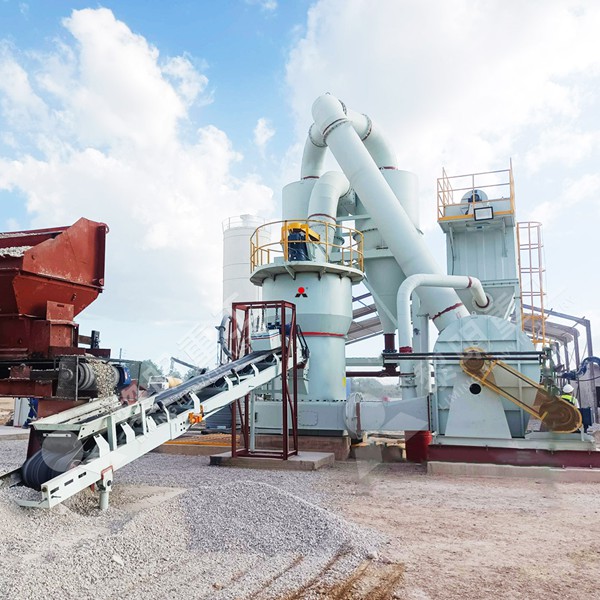
Industrial-scale production of bright marble powder requires careful consideration of feed preparation. The pulverizer system includes a dedicated pre-crushing stage using a jaw crusher that reduces quarry-run marble blocks to 30-55mm particles before entering the main grinding unit. This staged reduction prevents overloading of the grinding mill while ensuring uniform feed distribution across the grinding rollers. The variable-frequency belt feeder provides precise material flow control, adjusting feed rate based on real-time mill load measurements. This intelligent feeding system prevents both starvation and overfeeding conditions, maintaining stable grinding pressure and consistent product quality throughout extended production runs. The control system logs operational parameters including current draw, grinding pressure, classifier speed, and product fineness, enabling data-driven optimization of production parameters for different marble sources.
Key to achieving ultra-high brightness is the removal of colored impurities that naturally occur in marble deposits. The pulverizer system can be configured with magnetic separation stages that remove iron-bearing minerals before they enter the grinding zone. When combined with dry beneficiation techniques, overall brightness can be improved from 90% raw material to 98% finished powder. The mineralogical purity is further enhanced by the precise classification system, which removes darker ultrafine particles that tend to concentrate in the lower mesh fractions. This selective classification capability ensures that the final product meets the most demanding whiteness specifications required by international pigment standards.
Application-specific configurations allow the High Brightness Marble Pulverizer to serve diverse industries. For the paper industry requiring 1250 mesh powder with brightness above 97%, the system operates with classifier speeds optimized for this ultra-fine cut point. For plastic pipe manufacturing requiring 800 mesh powder, the throughput can be increased substantially while maintaining brightness above 95%. The modular design allows rapid reconfiguration between different product specifications, typically requiring less than 30 minutes for changeover. This flexibility makes the pulverizer suitable for marble processing plants handling multiple product grades within single production facilities.
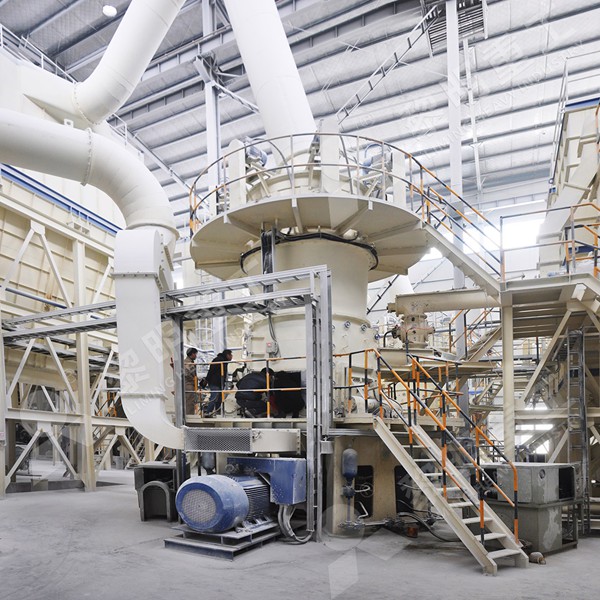
Environmental compliance is integral to the pulverizer design. The pulse jet dust collection system captures 99.97% of airborne particles, ensuring emissions well below regulatory limits. Recycled air is filtered before recirculation, minimizing heat loss and reducing energy consumption by up to 15% compared to open-loop systems. The grinding mill body is insulated to reduce noise emission to below 85 dB at one meter distance, complying with workplace noise regulations. These features make the High Brightness Marble Pulverizer suitable for installation in urban or environmentally sensitive areas without requiring extensive additional soundproofing or air treatment infrastructure.
Maintenance requirements are minimized through modular component design. Grinding rollers and rings have service lives exceeding 8000 operational hours when processing marble with hardness below 4 on the Mohs scale. The classifier rotor blades are constructed from abrasion-resistant alloy steel and can be replaced individually without removing the complete assembly. Lubrication systems feature automatic grease delivery to all bearing points, with level sensors alerting operators when reservoir levels are low. The hydraulic pressure system for roller tensioning requires only annual oil changes. This maintenance philosophy reduces downtime and extends equipment longevity, supporting continuous operation in high-demand production environments.
The pulverizer's technical specifications support utilization in diverse geological contexts. Whether processing dolomitic marble, calcite marble, or serpentine marble varieties, the grinding efficiency remains high due to the machine's ability to adjust roller pressure between 80 and 120 bar. For particularly abrasive marble types, optional tungsten carbide roller surfaces can be specified, extending service intervals by 40% compared to standard chrome alloy rollers. The main drive motor power ranges from 75 kW for the smallest configuration to 550 kW for high-capacity systems, with corresponding installed transformer capacities specified to accommodate startup currents without voltage dips.
Quality control integration is available through the optional online brightness analyzer, which uses spectrophotometric measurement to continuously monitor product whiteness at the discharge point. This instrument provides real-time feedback to the control system, automatically adjusting classifier speed and feed rate to maintain brightness within ±0.5% of target value. Data logs can be exported for batch certification, providing traceable quality documentation for customers requiring stringent raw material specifications. The analyzer calibrates automatically using a certified white standard tile, eliminating drift over time.
The High Brightness Marble Pulverizer is supported by a global service network providing installation supervision, operator training, and spare parts availability within 48 hours for critical components. Technical documentation includes detailed electrical schematics, mechanical drawings, and preventive maintenance schedules tailored to specific installation conditions. Remote monitoring capabilities allow factory engineers to assess system performance and provide diagnostic support without requiring on-site visits. This comprehensive support infrastructure ensures that operators can maintain peak production efficiency while consistently achieving the brightness standards that differentiate premium marble powder in global markets.
Frequently Asked Questions
Q1: What is the maximum brightness level achievable with the High Brightness Marble Pulverizer?
A: The system can consistently produce marble powder with brightness levels reaching 96-98% when processing high-quality raw marble. With optional magnetic separation and optimized grinding parameters, brightness exceeding 99.5% has been achieved for select marble sources requiring ultra-white applications.
Q2: How does the pulverizer prevent iron contamination during grinding?
A: The grinding chamber uses non-metallic ceramic liners and ceramic or tungsten carbide rollers that eliminate direct metal-to-metal contact. The entire material flow path from feed inlet to discharge is designed with wear-resistant polymer or ceramic surfaces that prevent iron pickup, preserving the natural whiteness of the calcium carbonate.
Q3: What feed size range does the pulverizer accept?
A: The standard system accepts feed material up to 55mm in size when using the integrated pre-crushing stage. For larger quarry-run material, an optional primary jaw crusher can be configured upstream to reduce blocks up to 300mm down to the required 30-55mm feed specification.
Q4: Can the same machine produce different mesh sizes without component changes?
A: Yes, the classifier speed and airflow parameters can be adjusted to produce fineness from 325 mesh up to 3250 mesh. Changing from a coarse to a fine product typically requires less than 30 minutes and involves only control parameter adjustments, not mechanical component replacement.
Q5: What is the typical energy consumption per ton of marble powder produced?
A: Energy consumption depends on target fineness and raw material hardness. For 1250 mesh powder, typical specific energy consumption ranges from 45 to 65 kWh per ton. For 800 mesh powder, consumption decreases to 30-45 kWh per ton. The variable-frequency drives and optimized airflow system contribute to maintaining these industry-competitive figures.


