Published: 2025-02-18
White marble, renowned for its purity and brightness, is a premium raw material for producing high-quality filler used in industries such as paints, coatings, plastics, rubber, and construction. The grinding of white marble into fine powder demands specialized equipment that ensures consistent particle size, minimal contamination, and high throughput. Liming Heavy Industry, a trusted name in crushing and grinding technology since 1987, offers a comprehensive range of white marble grinding machines engineered to meet the exacting standards of filler production. From robust vertical roller mills to precision micro powder grinders, our solutions integrate advanced automation, energy efficiency, and environmental compliance—delivering superior performance for large-scale industrial applications.
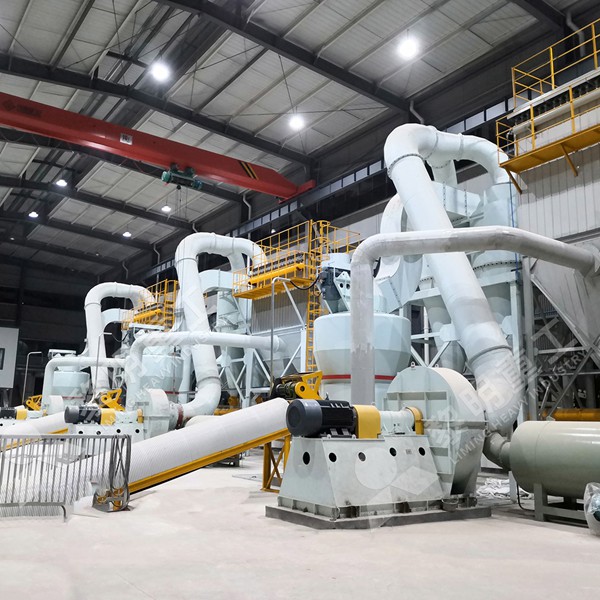
Why White Marble Filler Demands Specialized Grinding
White marble filler is valued for its high whiteness, low abrasiveness, and chemical inertness. However, its hardness (typically 3–4 on the Mohs scale) and crystalline structure require milling equipment that balances grinding efficiency with product purity. Traditional grinding methods often introduce iron contamination or produce inconsistent particle distributions, compromising the filler's quality. Liming's grinding machines address these challenges through innovative design—ceramic-lined chambers, wear-resistant alloys, and closed-loop systems that prevent cross-contamination. Whether targeting a fineness of 325 mesh (44μm) for industrial fillers or ultra-fine grades down to 5μm for high-end applications, our equipment ensures uniform particle geometry and exceptional brightness retention.
Core Technologies for White Marble Grinding Machines
1. LM Vertical Roller Mill
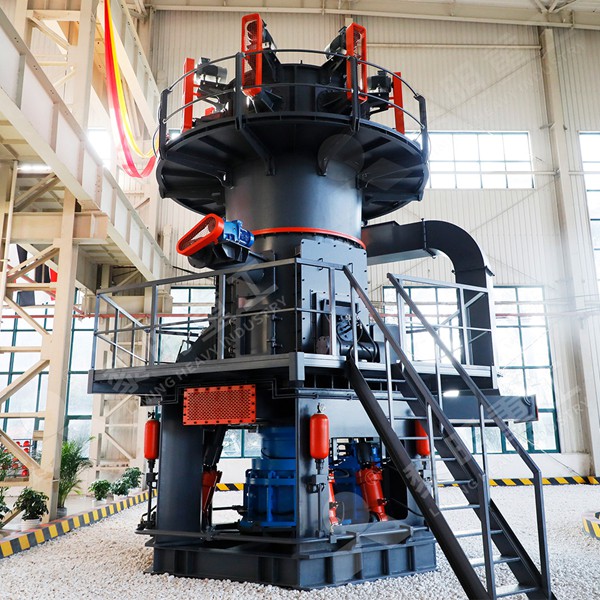
Our LM Vertical Roller Mill is a breakthrough solution for large-capacity white marble grinding, with capacities ranging from 10 to 400 tons per hour. It integrates drying, grinding, and powder selection in a single unit, reducing energy consumption by up to 50% compared to ball mills. The mill's hydraulic roller system applies controlled pressure to the material bed, achieving fineness of 80–600 mesh (adjustable via classifier speed). For white marble filler, the LM series excels in producing high-volume powders with low moisture content (<0.5%) and exceptional homogeneity—ideal for cement, plastics, and desulfurization applications.
2. MTW European Type Trapezium Mill
An upgrade of traditional Raymond mills, the MTW Trapezium Mill delivers capacities of 3–55 tons per hour with fineness ranging from 1.6mm to 0.045mm (10–325 mesh). Its patented trapezoidal grinding ring and roller design maximize contact area, reducing vibration and extending service life. The machine operates under negative pressure, and its pulse dust collector ensures emissions comply with national environmental standards. For white marble filler, the MTW mill is a cost-effective choice for medium-scale operations requiring consistent quality, such as in calcium carbonate processing for paints and building materials.
3. MW Micro Powder Mill
When ultra-fine white marble filler is needed—down to d97 ≤ 5μm (2500 mesh)—the MW Micro Powder Mill stands out. Based on advanced Swedish technology, this mill achieves fineness adjustable between 325 and 2500 mesh (44–5μm) with capacities of 0.5–25 tons per hour. The mill's multi-stage grinding and classification system ensures narrow particle size distribution, critical for high-value filler applications in adhesives, sealants, and cosmetic-grade products. The integrated pulse dust collector and soundproofing make it an environmentally friendly choice for urban installations.
Advantages of Liming White Marble Grinding Solutions
- High Purity: Ceramic or wear-resistant alloy linings prevent iron contamination, preserving whiteness above 92%.
- Energy Efficiency: Advanced drive systems and optimized grinding geometries reduce power consumption by 20–40%.
- Flexibility: Interchangeable classifiers and variable frequency drives allow quick adjustment of fineness for different filler grades.
- Automation: PLC-controlled systems with remote monitoring minimize human intervention and ensure repeatable quality.
- Dust-Free Operation: Closed-loop pneumatic circuits and pulse-jet bag filters capture airborne particles, complying with workplace safety standards.
Working Principle Overview
Liming's grinding machines follow a systematic process: raw white marble lumps (up to 55mm feed size) are first crushed by a jaw crusher to the required input size. A variable-frequency belt feeder conveys the material into the mill's grinding chamber. In vertical mills, materials are ground between rollers and a rotating table; in Raymond-style mills, grinding occurs between rings and rollers. Pneumatic flow carries the ground powder to a dynamic classifier—oversized particles fall back for regrinding, while finely ground powder passes through to a cyclone collector or bag filter. The system operates under negative pressure, ensuring no dust leakage. For micro powder mills, an additional multi-stage classification achieves ultra-fine fractions.
Applications Across Industries
White marble filler produced by Liming machines serves diverse sectors: in paints and coatings, it improves opacity and viscosity control; in plastics, it enhances stiffness and reduces shrinkage; in rubber, it acts as a non-abrasive extender. The construction industry uses it for joint compounds, cement additives, and decorative plasters. Additionally, the desulfurization sector benefits from high-specific-surface marble powders that neutralize sulfur oxides efficiently. Liming's equipment also supports calcium carbonate processing for pharmaceuticals and food-grade applications, where purity is paramount.
Commitment to Quality and Innovation
With over 30 years of manufacturing excellence, Liming Heavy Industry has refined its white marble grinding machines through continuous R&D. Our 80,000 m² headquarters in Zhengzhou and 67,000 m² workshop in Shangjie house advanced CNC machining centers, assembly lines, and testing facilities. Every mill undergoes rigorous quality checks, including particle size analysis and noise/vibration testing. Our technical team collaborates with clients to customize solutions—such as moisture removal systems for wet marbles or explosion-proof designs for combustible dust environments. We also provide full lifecycle support, from commissioning to spare parts supply.
FAQ
1. What is the typical fineness range achievable for white marble filler using your machines?
Our equipment can produce white marble filler from 10 mesh (2mm) down to 2500 mesh (5μm). The LM Vertical Mill covers 80–600 mesh, the MTW Mill achieves 10–325 mesh, and the MW Micro Powder Mill reaches 325–2500 mesh. Adjustments are made via variable classifier speed and airflow settings.
2. How do you prevent iron contamination during grinding?
Liming uses ceramic-lined chambers and tungsten carbide or alloy steel grinding elements for models processing white marble. For the MW Micro Powder Mill, optional stainless steel contact parts are available. We also install magnetic separators after grinding to remove any accidental metallic particles.
3. Can your machines handle wet marble or materials with high moisture content?
Standard grinding mills assume input materials with <6% moisture. For wetter marble (up to 15% moisture), we recommend the LM Vertical Roller Mill, which features an integrated hot air drying system. Alternatively, a separate dryer can be added upstream. Our team can assess your raw material conditions.
4. What after-sales support and maintenance services do you offer?
We provide remote monitoring via PLC, annual maintenance contracts, on-site technician training, and a stock of wear parts like grinding rings, rollers, and classifiers. Our global service network ensures customer-specific downtime reduction plans. Lifespan of key wear parts is 6–12 months depending on throughput.
5. Is your grinding equipment compliant with environmental regulations?
Yes. All models are equipped with pulse-jet bag dust collectors (emission <10 mg/Nm³) and operate under negative pressure. Noise levels are below 85 dB(A) with optional soundproof enclosures. The MW and LM series meet EU CE and ISO 14001 environmental standards. We also offer closed-loop water cooling systems for heat-sensitive applications.


