Published: October 12, 2023
Gypsum grinding mills play a pivotal role in the production of high-quality gypsum powder used as a fertilizer filler, enabling precise particle size control, enhanced soil conditioning, and improved nutrient delivery. LIMING HEAVY INDUSTRY CO., LTD., established in 1987, is a leading manufacturer of large and medium-sized crushing and grinding equipment, offering advanced solutions such as LM Vertical Roller Mill, Raymond Mill, MTW European Type Trapezium Mill, MW Micro Powder Mill, and Ball Mill. These machines are engineered to process gypsum into fine powder with uniform consistency, meeting the rigorous demands of the fertilizer industry. With decades of experience, a modern scientific management system, and a commitment to innovation, LIMING Heavy Industry provides reliable, efficient, and environmentally friendly grinding equipment that optimizes production while reducing energy consumption. This comprehensive article explores the technical specifications, working principles, and applications of gypsum grinding mills, helping fertilizer manufacturers select the ideal solution for their filler needs.
Gypsum, a soft sulfate mineral composed of calcium sulfate dihydrate, is widely utilized in agriculture as a soil amendment and fertilizer filler due to its ability to supply calcium and sulfur, improve soil structure, and enhance water infiltration. The grinding process transforms raw gypsum into a fine powder, typically ranging from 44 μm to 5 μm, depending on the mill configuration and requirements. LIMING Heavy Industry's grinding mills are designed to handle gypsum with varying feed sizes and moisture content, delivering consistent output fineness that meets international standards. The company's product portfolio includes mills with capacities from 0.5 T/H to 400 T/H, suitable for small-scale operations to large industrial plants. By integrating cutting-edge technologies such as automatic control systems, pulse dust collectors, and energy-saving drives, LIMING mills ensure high productivity, low noise, and compliance with environmental regulations. Whether for direct application or as a filler in compound fertilizers, gypsum powder processed by LIMING equipment enhances the effectiveness of fertilizers, promoting sustainable agriculture.
Among the range of solutions, the LM Vertical Roller Mill stands out for its high capacity and multifunctionality. It integrates drying, grinding, powder selection, and conveying into a single unit, making it ideal for processing gypsum in large-scale fertilizer production. The mill can handle input sizes up to 55 mm and achieves capacities between 10 and 400 T/H, with a fineness adjustable from 200 mesh to 400 mesh. Its patented milling device and intelligent electric control system minimize energy consumption while maximizing throughput. The LM mill is particularly suitable for non-metallic mineral processing, ensuring that gypsum filler maintains consistent quality for blending with other nutrients.
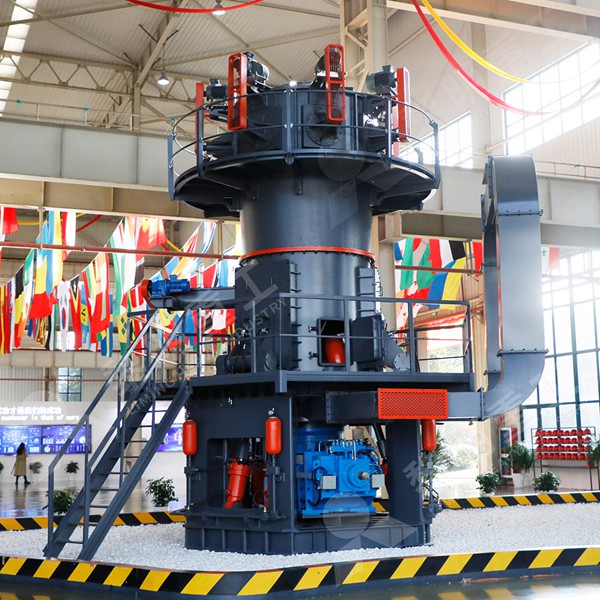
For medium-capacity operations, the Raymond Mill offers a proven solution with over three decades of industrial application. This mill processes non-flammable, non-explosive materials like gypsum with a Mohs hardness under 7 and humidity below 6%. The output fineness ranges from 613 μm to 44 μm, with a capacity of 1.2 to 4.5 T/H and an input size of 15–25 mm. Raymond Mill is widely used in calcium carbonate and gypsum crushing processing, power plant desulfurization, and non-metallic ore pulverizing. Its robust construction and simple operation make it a cost-effective choice for fertilizer filler production, especially for small to medium-sized enterprises seeking reliable performance without complex maintenance.
The MTW European Type Trapezium Mill represents an upgrade from traditional Raymond and pendulum mills, incorporating patented technology for enhanced stability, productivity, and environmental protection. With a capacity ranging from 3 to 55 TPH and an input size of 30–50 mm, the MTW mill is designed for large-scale non-metallic mineral powder making, including gypsum for fertilizer fillers. It features a closed-loop system with a jaw crusher, vibrating feeder, hopper, dust collector, and pulse filtration, ensuring minimal dust emission and compliance with national environmental standards. The mill's trapezium-shaped rollers and ring improve grinding efficiency, while the separator guarantees precise classification of finished powder. This makes MTW a preferred choice for fertilizer plants aiming for high purity and uniform particle distribution.
For superfine powder requirements, the MW Micro Powder Mill delivers exceptional fineness down to d97 ≤ 5 μm (325–3250 mesh), ideal for premium fertilizer fillers that require enhanced dispersion and reactivity. With a capacity of 0.5 to 25 T/H and an input size of 10–20 mm, this mill incorporates advanced Swedish grinding technology and a pulse precipitator for green operation. Its working principle involves a reducer driving multiple rollers to rotate against a ring raceway, crushing small material fed via an elevator and vibrating feeder. The MW mill is particularly suited for gypsum processing in high-end fertilizer applications, where ultrafine particles improve soil interaction and nutrient release rates.
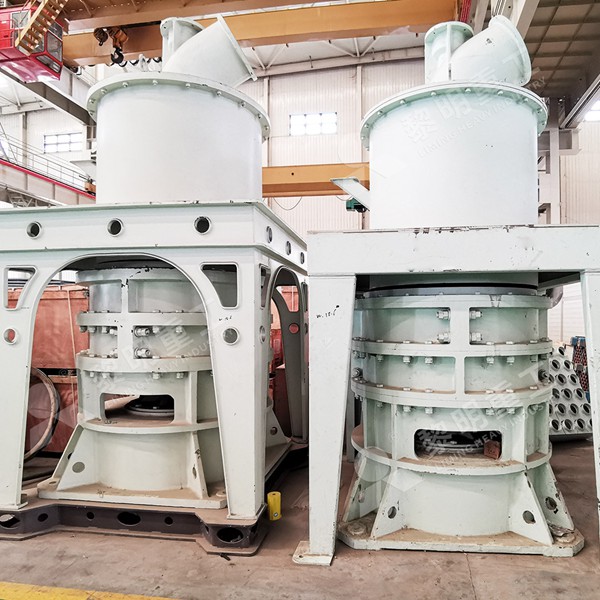
The Ball Mill remains a workhorse in the grinding industry, offering versatility for cement, coal, desulfurization, and non-metallic mineral processing. For gypsum filler production, the ball mill handles input sizes up to 25 mm and delivers capacities from 0.65 to 50 T/H. It is a horizontal rotating device with steel balls of various specifications, operated via a gear transmission system. The material is fed through a quill shaft and ground by impact and friction inside the barrel, with final discharge through a board. While it may not achieve the fineness of specialized mills like MW or MTW, the ball mill is valued for its durability, low maintenance, and suitability for large-volume grinding of gypsum to produce standard fertilizer filler grades.
LIMING Heavy Industry's commitment to scientific research and development ensures that each mill is optimized for gypsum processing. The company's modern plant in Zhengzhou, covering 80,000 m², and another workshop in Shangjie Industry Park spanning 67,000 m², reflect its capacity for precision manufacturing. Over 30 years of experience, LIMING has become a domestic and international leader, focusing on scientific tackling of key problems, technological progress, and production-learning-research integration. The company's mature scientific team continuously develops innovative solutions, targeting industry frontiers to enhance overall technological capability. This dedication results in grinding equipment that not only meets but exceeds the demands of gypsum filler production, offering energy savings, reduced environmental impact, and consistent product quality.
In practice, selecting the right gypsum grinding mill depends on factors like desired fineness, capacity, feed size, and production budget. For fertilizer filler applications, the LM Vertical Roller Mill is optimal for high-volume, consistent output, while the MW Micro Powder Mill is ideal for specialized ultrafine products. The MTW European Type Trapezium Mill balances high capacity with energy efficiency, and the Raymond Mill offers affordability and ease of use. LIMING's team provides comprehensive support, from system design to after-sales service, ensuring that each customer achieves the best return on investment. By leveraging advanced machinery, fertilizer manufacturers can produce gypsum filler that enhances soil health, crop yields, and agricultural sustainability, reinforcing the role of gypsum in modern farming.
In conclusion, LIMING Heavy Industry's gypsum grinding mills represent the pinnacle of grinding technology for fertilizer filler production, combining decades of expertise with innovation to deliver tailor-made solutions. From the robust ball mill to the ultrafine MW Micro Powder Mill, each machine is engineered for efficiency, reliability, and environmental compliance. By adopting these mills, fertilizer producers can optimize their gypsum processing operations, ensuring high-quality fillers that support global agricultural needs. As the industry evolves, LIMING continues to pioneer advancements, maintaining its position as a trusted partner in the crushing and grinding sector.
Frequently Asked Questions (FAQ)
1. Which LIMING mill is best for producing gypsum filler for fertilizer?
The choice depends on your required fineness and capacity. For standard filler (200–400 mesh), the Raymond Mill or MTW European Type Trapezium Mill is recommended. For ultrafine filler (above 325 mesh), the MW Micro Powder Mill is ideal.
2. Can gypsum grinding mills handle high moisture content?
Yes, the LM Vertical Roller Mill integrates a drying function, making it suitable for gypsum with up to 20% moisture. Other mills like the Raymond Mill operate best with humidity below 6%.
3. What is the typical energy consumption per ton of gypsum processed?
Energy consumption varies by mill type and model. For example, the LM Vertical Roller Mill is designed for energy efficiency, reducing power usage by up to 30–40% compared to traditional ball mills. Specific figures depend on operational settings.
4. How does LIMING ensure environmental compliance during grinding?
All LIMING mills are equipped with pulse dust collectors and closed-loop systems that minimize dust emission and noise. The MW Micro Powder Mill includes a pulse precipitator for greener operation, meeting national environmental standards.
5. What is the typical lifespan of a gypsum grinding mill from LIMING?
With proper maintenance, LIMING grinding mills can operate reliably for over 10–15 years. The company offers comprehensive after-sales support, including spare parts and technical guidance, to maximize equipment longevity.


