Published: October 26, 2023
The modern gypsum powder grinding system represents a paradigm shift from manual, batch-based processing to fully automated, continuous-flow industrial solutions. An automatic gypsum powder grinding system integrates advanced crushing, grinding, classifying, and conveying equipment into a single, intelligent production line. By leveraging variable frequency drives, programmable logic controllers (PLCs), and centralized dust collection, these systems ensure consistent product fineness (typically 80-400 mesh), maximize energy efficiency, and strictly comply with environmental standards. As a leader in the heavy machinery sector for over three decades, Liming Heavy Industry has engineered comprehensive gypsum grinding solutions that range from 1.2 T/H to over 400 T/H, designed to handle everything from crude gypsum rock to high-value superfine powder. This article provides an in-depth technical analysis of automatic gypsum powder grinding systems, detailing core equipment, working principles, and the integration of smart control technologies.
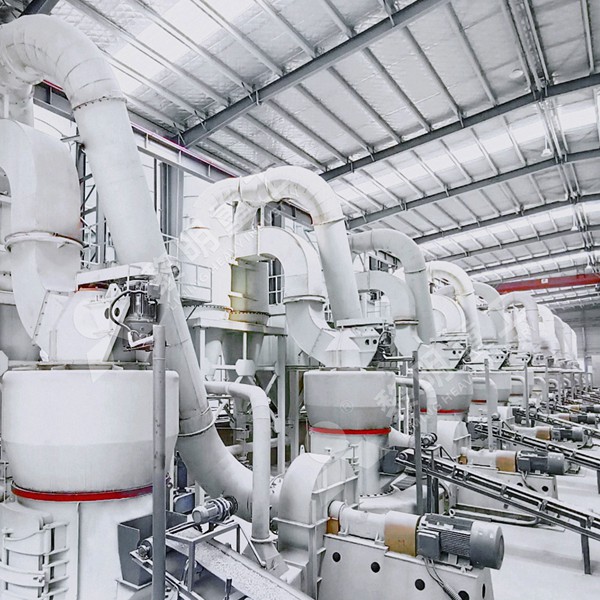
System Architecture and Core Components
A sophisticated automatic gypsum powder grinding system is not merely a single mill; it is a carefully orchestrated assembly of mechanical and electrical units. The core architecture typically includes a primary crusher (Jaw Crusher or Hammer Crusher) for size reduction, a bucket elevator for material transport, a vibrating feeder for controlled input, the main grinding mill, a classifier (or separator), a pulse dust collector, and a centralized electric control cabinet. At Liming Heavy Industry, we have refined this architecture across multiple product lines, from the robust LM Vertical Roller Mill, which integrates drying and grinding, to the highly efficient MTW European Type Trapezium Mill, known for its low energy consumption and high output in gypsum processing. The key to automation lies in the closed-loop control system: sensors monitor mill load, separator speed, and air flow in real-time, automatically adjusting the feeder speed to maintain optimal grinding conditions. This eliminates human error and ensures that the 'Automatic gypsum powder grinding system' operates at peak efficiency 24/7.
Grinding Mill Technologies for Gypsum
When selecting the core mill for an automatic gypsum powder grinding system, the choice depends on target fineness, capacity, and feed moisture. For large-scale, high-capacity operations requiring outputs of 10-400 T/H (often for cement or power plant desulfurization), the LM Vertical Roller Mill is the preferred solution. Its automatic electric control system manages the separator speed and roller pressure to produce a consistent product from gypsum rock, with the added benefit of simultaneous drying if moisture content is high. For medium-capacity operations (3-55 T/H) where ultra-fine grinding is less critical, the MTW European Type Trapezium Mill excels. Its patented grinding roller and ring design, combined with a frequency-conversion belt feeder, allows for precise material feed. The system's pulse dust collector automatically cleans the filter bags, ensuring emissions comply with strict environmental regulations. For superfine gypsum powder (325-3250 mesh), the MW Micro Powder Mill is the specialist, using a multi-roller rotating system to achieve ultra-high fineness. Regardless of the mill, the automatic system controls the air blower, analyzer, and dust collector to maintain a stable negative pressure, preventing dust leakage and improving the working environment.
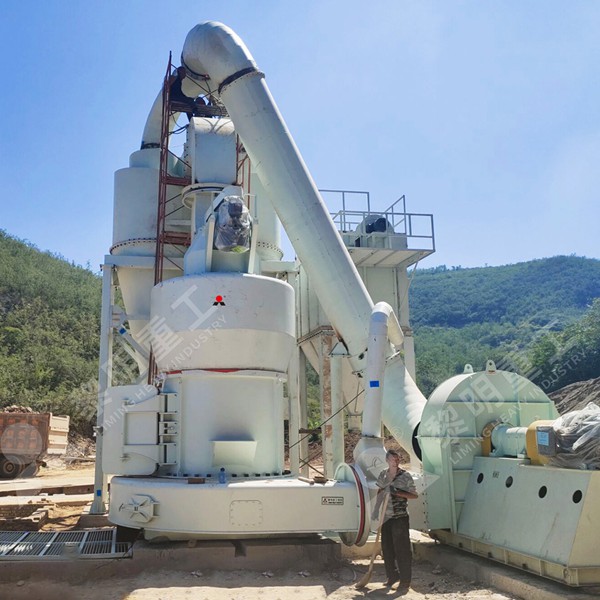
Intelligent Automation and Control Logic
The hallmark of a modern automatic gypsum powder grinding system is its intelligent control logic. The PLC system manages the entire sequence: start-up is interlocked to prevent damage (dust collector starts first, then the blower, then the mill, and finally the feeder). During operation, the system monitors critical parameters such as main motor current, bearing temperature, and differential pressure across the separator. If the load becomes too high, the system automatically reduces the feeding rate; if the product is too coarse, it increases separator speed. This 'Automatic gypsum powder grinding system' also integrates safety features like vibration monitoring and emergency shut-off protocols. The closed-circuit airflow design is another key automation feature: the air blower recirculates air from the separator, while excess air is automatically vented through the filter. This automation not only saves energy but also guarantees that the finished gypsum powder meets strict quality specifications for applications like plasterboard manufacturing and cement retarder production. Liming Heavy Industry's commitment to 'Scientific Research and development' has led to the integration of remote monitoring capabilities, allowing operators to oversee system performance via a central control room or even a mobile device.
Working Principle: From Lump to Powder
Understanding the working principle of an automatic gypsum powder grinding system helps in optimizing its operation. The process begins with the jaw crusher, which reduces large gypsum lumps (up to 30-55mm input size) into smaller granules. These granules are then conveyed by a bucket elevator into a storage hopper. From the hopper, a variable-frequency belt feeder drops the material evenly into the grinding chamber of the mill (e.g., MTW Mill). Inside the chamber, the material is ground between the grinding roller and the ring. The ground material is then carried upward by the air flow generated by the blower. In the separator (classifier), fine powder passes through the separator blades and is collected as finished product in the cyclone collector or pulse dust collector. Coarse particles that cannot pass the separator fall back down to the grinding table for further grinding. This continuous cycle is fully automated: the PLC ensures that the balance between feeding, grinding, classifying, and dust collection is maintained automatically. The system removes moisture through the heated airflow (if necessary) and ensures that the final product is dry, pure, and precisely graded.
Applications and Industry Benefits
Automatic gypsum powder grinding systems are indispensable in modern industrial processes. In the construction industry, they provide the base material for plaster, drywall, and ceiling tiles. In the cement industry, gypsum powder (as a retarder) is critical for controlling setting times. Power plants also use gypsum powder for flue gas desulfurization (FGD). For each application, Liming Heavy Industry offers tailored solutions: the Raymond Mill for standard fineness (up to 44μm), the Ball Mill for robust grinding in cement and beneficiation, and the LM Vertical Mill for high-capacity, integrated drying and grinding. The benefits of automation are clear: reduced labor costs, consistent product quality, lower energy consumption per ton, and extended equipment life due to predictive maintenance alarms. Our company's decades of experience in manufacturing large and medium-sized crushing and grinding equipment ensure that every 'Automatic gypsum powder grinding system' we deliver is built for durability, precision, and seamless operation.
Conclusion
In conclusion, the automatic gypsum powder grinding system represents the apex of modern mineral processing technology. By integrating robust mechanical design with intelligent PLC-based automation, these systems deliver unmatched productivity and quality. Liming Heavy Industry, with its 30+ year legacy and modern manufacturing facilities in Zhengzhou, continues to lead the market by providing solutions that are not only technologically advanced but also environmentally responsible. Whether your requirement is for a small 1.2 T/H Raymond Mill system or a large 400 T/H Vertical Roller Mill line, our engineering team can design and deliver a complete, turnkey automatic grinding system tailored to your gypsum processing needs.
Frequently Asked Questions (FAQ)
- What is the typical fineness range achievable with an automatic gypsum powder grinding system?
Depending on the mill type (Raymond, MTW, LM Vertical, or MW Micro Powder Mill), the fineness can be adjusted continuously from approximately 80 mesh (180 μm) up to 3250 mesh (5 μm). For standard construction gypsum, 80-200 mesh is common, while for superfine applications like desulfurization, 325-600 mesh is typical. - How does the system automatically control moisture content in the gypsum feed?
The system uses a hot air supply from an external furnace or waste heat source. The automatic control system monitors the temperature and humidity of the air outlet from the mill. If the moisture content is high, it automatically increases the air temperature or reduces the feed rate to maintain the desired dryness of the final powder. - What safety features are integrated into the automatic grinding system?
Standard safety features include interlocked start-up and shutdown sequences (preventing dangerous reverse operation), vibration sensors on the mill motor, over-current protection, bearing temperature monitoring, and emergency stop buttons. The pulse dust collector also prevents fire or explosion by controlling dust concentration. - Can the same system be used for grinding other materials besides gypsum?
Yes, the same automatic grinding system can be adapted for processing other non-flammable, non-explosive materials with Mohs hardness under 7 (e.g., limestone, calcite, barite, dolomite, kaolin). However, the mill parameters (separator speed, feed rate, roller pressure) need to be recalibrated by the control system for each new material to ensure optimal efficiency. - How long does it take to commission a new automatic gypsum grinding line from Liming Heavy Industry?
Commissioning time depends on the system's scale and complexity. A standard medium-capacity line (e.g., MTW series) typically requires 7-15 days for on-site installation and tuning of the automatic control system. Our engineers provide full training for the client's operators, ensuring a smooth transition to fully automatic production.


