Gypsum is a cornerstone material in the production of decorative panels, prized for its fire resistance, acoustic properties, and ease of shaping. However, the transformation of raw gypsum into a fine, consistent powder suitable for high-grade panel manufacturing demands specialized grinding equipment. Liming Heavy Industry Co., Ltd., a leader in crushing and grinding technology since 1987, offers a comprehensive range of gypsum grinding mills designed to meet the stringent requirements of the decorative panel industry. From large-scale roller mills to ultra-fine micro powder grinders, our solutions integrate drying, grinding, and classifying into a single, efficient system. This article explores how our advanced mills — including the LM Vertical Roller Mill, MTW European Type Trapezium Mill, and MW Micro Powder Mill — deliver the precise particle size, throughput, and energy efficiency essential for producing superior decorative gypsum panels. Whether you need coarse powder for base layers or ultra-fine material for surface finishes, Liming provides the reliability, scalability, and environmental compliance that modern panel manufacturers demand.
Why Gypsum Grinding Matters for Decorative Panels
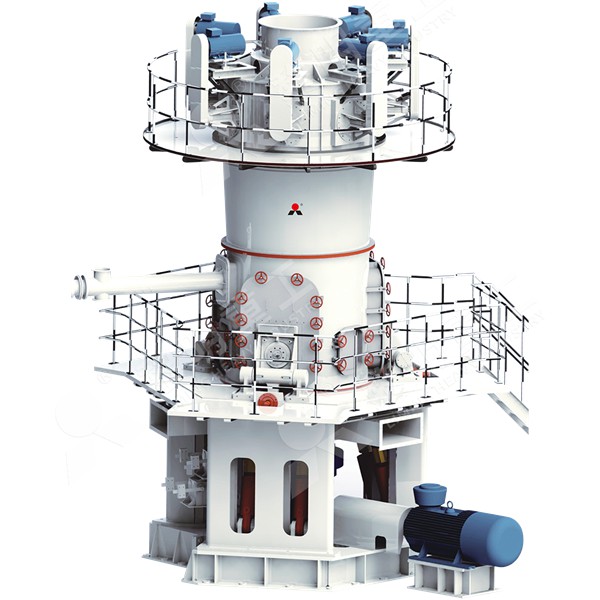
Decorative gypsum panels are used extensively in interior design for ceilings, wall partitions, and ornamental moldings. The quality of the final panel directly depends on the fineness and uniformity of the gypsum powder. Coarse or inconsistent particles lead to weak spots, poor surface finish, and increased waste. Our grinding mills are specifically engineered to produce gypsum powder with controlled particle size distribution — typically from 80 mesh (180 μm) for standard boards down to 325 mesh (44 μm) or finer for premium decorative panels. The LM Vertical Roller Mill, for example, can handle feed sizes up to 55 mm and deliver capacities from 10 to 400 tonnes per hour, making it ideal for high-volume operations. Its integrated drying capability removes moisture from natural gypsum, a critical step because the material must be thoroughly dry before pressing. The mill’s automatic electric control system ensures consistent product quality with minimal operator intervention, reducing production costs and enhancing repeatability.
Key Technologies from Liming Heavy Industry
With over three decades of manufacturing expertise, Liming has developed proprietary technologies that set our gypsum mills apart. The MTW European Type Trapezium Mill is a direct upgrade from traditional Raymond mills, featuring patented trapezoid-shaped rollers and rings that increase grinding surface area and reduce energy consumption. This mill is particularly suited for gypsum, which has a Mohs hardness of 2, because it requires less power to grind while still achieving high throughput (3–55 TPH). For applications demanding ultra-fine powders — such as decorative panels with smooth, paint-ready surfaces — the MW Micro Powder Mill excels. It can reach a fineness of up to 3250 mesh (d97 ≤ 5 μm) via its medium-speed grinding design, which uses multiple rollers rotating against a stationary ring. This mill operates at lower speeds than conventional ball mills, reducing wear and heat generation, which is crucial for preserving gypsum’s chemical properties. All our mills incorporate pulse dust collectors to meet strict environmental standards, capturing fine particles and preventing fugitive emissions during grinding.
Grinding Process and Equipment Integration
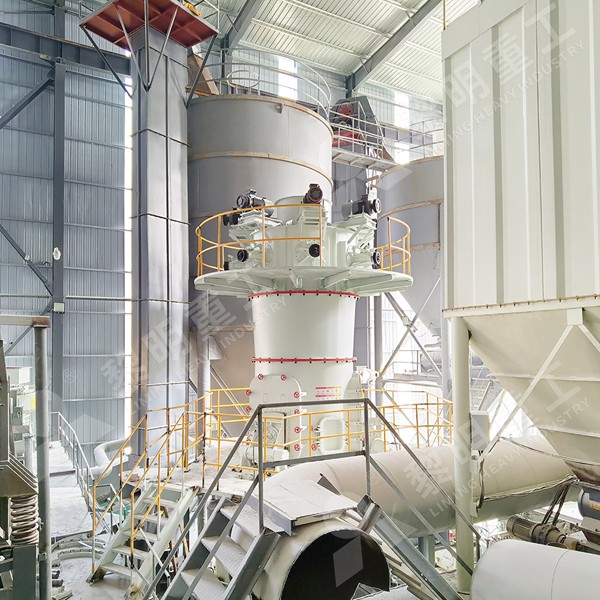
A typical gypsum grinding line for decorative panels comprises several stages to convert run-of-mine gypsum into ready-to-use powder. First, a jaw crusher reduces large lumps (up to 300 mm) to the mill’s input size — typically 10–55 mm depending on the mill chosen. A variable-frequency belt feeder then delivers the crushed material uniformly into the mill. Inside the grinding chamber, the rollers and ring work in tandem: the centrifugal force causes the rollers to press against the ring, crushing and grinding the gypsum into fine powder. An integrated air classifier separates particles based on size; oversized material falls back for regrinding, while acceptable fines are conveyed by airflow to a powder collector. The closed-loop air system recirculates to the blower, minimizing energy waste. For decorative panel production, the MTW mill is a popular choice because of its balance between fineness (80–400 mesh) and capacity. For example, a panel manufacturer requiring 20 TPH of 200-mesh gypsum can rely on an MTW175 model, which has a main motor power of 185 kW and a separator power of 45 kW. The entire system is controlled from a central electric cabinet, allowing operators to adjust fineness settings without halting production.
Comparative Analysis of Liming Gypsum Mills
Choosing the right mill depends on your specific production goals:
- LM Vertical Roller Mill: Best for large-scale, continuous operations. It integrates drying and grinding, handling moisture up to 15%. Capacity: 10–400 TPH. Input size: 30–55 mm. Output fineness: 80–400 mesh.
- Raymond Mill: A classic choice for small to medium plants. Suitable for gypsum with max 6% moisture. Capacity: 1.2–4.5 TPH. Input size: 15–25 mm. Output fineness: 44–613 μm.
- MTW European Type Trapezium Mill: Ideal for medium-to-large panel lines needing reliable fine grinding. Capacity: 3–55 TPH. Input size: 30–50 mm. Output fineness: 100–400 mesh.
- MW Micro Powder Mill: For ultra-fine decorative finishes where particle size below 5 μm is required. Capacity: 0.5–25 TPH. Input size: 10–20 mm. Output fineness: 325–3250 mesh.
- Ball Mill: Lower-cost option for coarse grinding or as part of a two-stage system. Capacity: 0.65–50 TPH. Input size: ≤25 mm. Output fineness: adjustable via rotation speed and grinding media.
For most decorative panel applications, we recommend the MTW or LM series due to their high efficiency and low operating costs. Both maintain the consistent particle shape necessary for smooth panel surfaces.
Quality Control and After-Sales Support
Liming’s commitment to quality starts in our 80,000 m² headquarters in Zhengzhou’s HI-TECH Industry Development Zone, complemented by a 67,000 m² workshop in Shangjie. Our products undergo rigorous testing during assembly, and each mill is tuned to guarantee performance within specified tolerances. We also provide comprehensive support — from site planning to commissioning and operator training. Our technical team can simulate your specific gypsum feedstock using our pilot-scale mills to recommend the optimal configuration. Spare parts are stocked globally to minimize downtime, and our maintenance programs extend equipment lifespan. This end-to-end service ensures that your gypsum grinding mill for decorative panels remains productive for decades.
Environmental and Economic Benefits
Decorative panel manufacturers are increasingly pressured to adopt sustainable practices. Liming’s mills contribute to green production in several ways: the integrated pulse dust collectors capture over 99% of fine particles, and the closed-loop air system reduces power consumption by up to 30% compared to open-loop designs. The LM Vertical Mill and MTW Mill both feature advanced sealing to prevent dust leaks, making them compliant with global environmental standards. Economically, these mills lower the total cost of ownership through energy savings and reduced maintenance. For example, the MTW mill’s grinding rollers and rings are made from high-chrome alloy, extending service life by 1.5 times over conventional materials. Combined with higher throughput, this translates to a lower cost per ton of finished gypsum powder.
FAQ
1. What fineness of gypsum powder is required for decorative panels?
It depends on the panel type. Standard ceiling boards typically use 80–100 mesh (180–150 μm), while high-end decorative panels with smooth surfaces require 200–325 mesh (74–44 μm). For ultra-fine finishes, 600 mesh (20 μm) or finer can be achieved using the MW Micro Powder Mill.
2. Can Liming mills handle gypsum with high moisture content?
Yes. The LM Vertical Roller Mill is designed to dry and grind gypsum with moisture up to 15% by using hot air from the kiln or a separate heater. For other mills, pre-drying or blending with dry material may be necessary if moisture exceeds 6%.
3. What is the typical power consumption per ton of gypsum ground to 200 mesh?
Power consumption varies by mill type and feed size. For the MTW European Type Trapezium Mill at 20 TPH capacity (200 mesh), energy consumption is approximately 18–22 kWh per ton, including the main mill, separator, and auxiliary equipment. The LM series is similarly efficient, often under 20 kWh per ton for comparable fineness.
4. How often do the grinding rollers and rings need replacement?
With gypsum (Mohs 2), high-chrome alloy components in our MTW and LM mills typically last 3,000–5,000 operating hours before needing replacement. The actual service life depends on feed contamination, operating pressure, and tonnage processed. Liming provides wear-part inspection checklists and can supply replacement parts within 48 hours to most regions.
5. Do you offer turnkey installation support for a gypsum panel production line?
Absolutely. Liming Heavy Industry provides complete turnkey solutions, including site survey, foundation design, equipment supply, installation, commissioning, and operator training. Our project management team coordinates with local contractors to ensure the grinding system integrates seamlessly with your panel forming and drying lines.


