Published: October 5, 2023
Gypsum, a naturally occurring mineral composed of calcium sulfate dihydrate, has long been recognized as a vital soil conditioner for improving soil structure, reducing compaction, and enhancing water infiltration in agricultural and horticultural applications. The effectiveness of gypsum as a soil amendment is directly linked to its particle size and uniformity, which necessitate precise grinding processes. At Liming Heavy Industry Co., Ltd., we specialize in providing high-performance gypsum grinding mills engineered to transform raw gypsum into a fine, consistent powder ideal for soil conditioning. Our comprehensive range of grinding equipment, including the LM Vertical Roller Mill, Raymond Mill, MTW European Type Trapezium Mill, MW Micro Powder Mill, and Ball Mill, offers tailored solutions to meet diverse capacity and fineness requirements. This article explores the technical advantages, operational principles, and application benefits of using our gypsum grinding mills for soil conditioner production, drawing on over three decades of manufacturing expertise and innovation in the crushing and grinding industry.
The Role of Gypsum in Soil Conditioning
Gypsum serves as a multifunctional soil conditioner that addresses common agricultural challenges such as sodic soil remediation, improved root penetration, and reduced surface crusting. When applied in finely ground form, gypsum reacts with excess sodium in soil, displacing it and promoting aggregation of soil particles. This process enhances porosity, aeration, and drainage, leading to healthier crop yields. The optimal particle size for gypsum soil conditioners typically ranges between 100 and 300 mesh (150–44 microns), which requires efficient milling equipment capable of achieving consistent fineness without generating excessive heat or moisture loss. Our gypsum grinding mills are designed to meet these specifications, offering adjustable fineness settings through integrated classifiers and separators.
Liming Heavy Industry: A Legacy of Excellence
Founded in 1987, Liming Heavy Industry Co., Ltd. has established itself as a leader in the manufacturing of large and medium-sized crushing and grinding equipment. Our headquarters, situated in the HI-TECH Industry Development Zone of Zhengzhou, spans 80,000 square meters, complemented by an additional 67,000-square-meter workshop in the Shangjie Industry Park. Over the past 30 years, we have adhered to modern scientific management systems, precision manufacturing processes, and a commitment to pioneering innovation. Our scientific research team focuses on tackling technological challenges, and we continuously improve product competitiveness through strategic R&D initiatives. Our gypsum grinding mills embody this dedication, incorporating advanced features such as automatic electric control systems, energy-efficient drives, and environmentally compliant dust collection technologies.
Selecting the Right Gypsum Grinding Mill for Soil Conditioner
Choosing the appropriate mill depends on factors such as required capacity, input material size, desired fineness, and operational environment. Below is an analysis of our key products suitable for gypsum processing:
LM Vertical Roller Mill
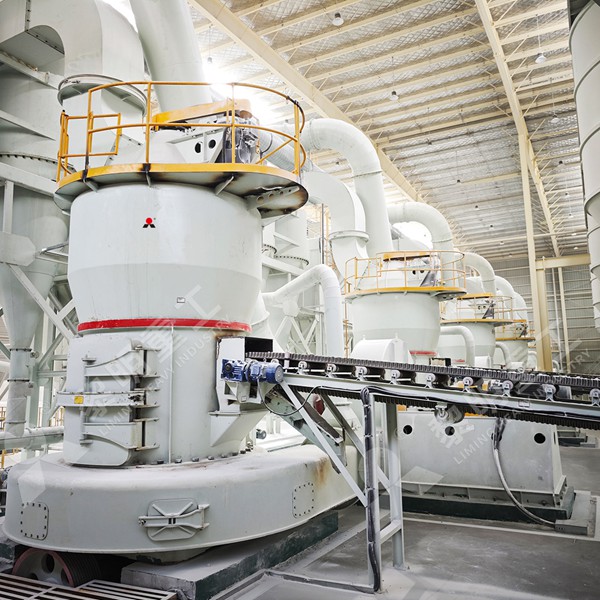
The LM Vertical Roller Mill is an ideal choice for large-scale gypsum grinding operations, offering capacities from 10 to 400 T/H and handling input sizes up to 55 mm. Its patented milling device integrates drying, grinding, powder selection, and conveying into a single system. This mill is particularly effective for processing gypsum with moisture content up to 6%, as it utilizes hot air for drying during the grinding process. The automatic electric control system ensures stable operation and precise fineness adjustment, making it suitable for producing soil conditioner grades ranging from 100 to 400 mesh. Applications include cement, electricity, metallurgy, chemical, and non-metallic mineral ore industries.
Raymond Mill
For small to medium-scale operations, the Raymond Mill remains a reliable and cost-effective solution. With a capacity range of 1.2 to 4.5 T/H and input sizes of 15–25 mm, this mill produces output fineness between 613 μm and 44 μm (approximately 25–325 mesh). It is suitable for processing gypsum with Mohs hardness up to 7 and humidity below 6%. The Raymond Mill is widely used in calcium carbonate and gypsum crushing processing, power plant desulfurization, and non-metallic ore pulverizing. Its simple structure and easy maintenance make it a popular choice for on-site soil conditioner production.
MTW European Type Trapezium Mill
As the upgrade of traditional Raymond and pendulum mills, the MTW European Type Trapezium Mill offers enhanced capacity (3–55 T/H) and input size handling (30–50 mm) with patented technology. This mill features an advanced classifier and air blower system that ensures uniform particle distribution and high productivity. Its working principle involves materials being crushed by a jaw crusher, then fed into the mill via a variable-frequency belt feeder, where they are ground between rings and rollers. The closed-loop air flow system, combined with a pulse dust collector, meets strict environmental standards. This mill is ideal for limestone desulfurization and gypsum powder making, delivering consistent fineness suitable for soil conditioning.
MW Micro Powder Mill
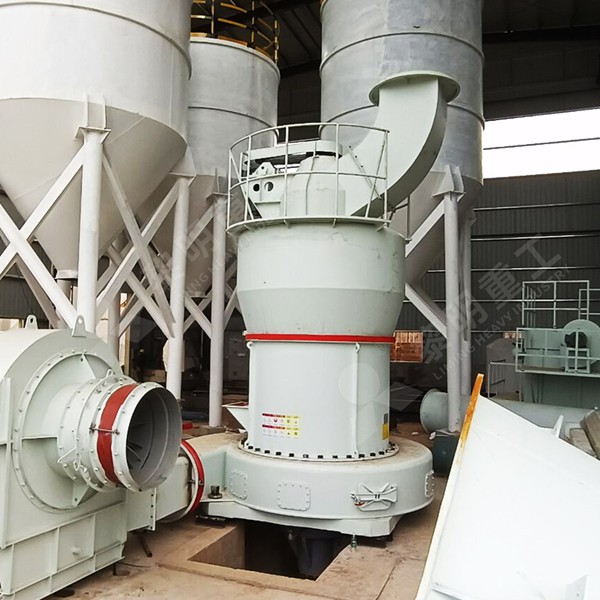
When ultra-fine gypsum powder is required for specialized soil applications, the MW Micro Powder Mill excels. With capacities from 0.5 to 25 T/H and input sizes of 10–20 mm, this mill achieves fineness up to d97 ≤ 5 μm (approximately 2,500 mesh), with adjustable range between 325 and 3,250 mesh. It incorporates advanced Swedish grinding technology and an efficient pulse precipitator for eco-friendly operation. The mill's design includes multiple rollers rotating against a raceway ring, driven by a reducer and turnplate system, ensuring consistent particle size reduction. This product is particularly effective for high-value soil conditioners requiring precise particle distribution.
Ball Mill
The Ball Mill is a versatile option for gypsum grinding, offering capacities from 0.65 to 50 T/H with input sizes up to 25 mm. It operates as a horizontal rotating device, where steel balls impact and grind material within a chamber lined with ladder or ripple liners. The fineness of finished products can be adjusted by controlling grinding time and speed. Ball mills are suitable for cement, coal, desulfurization, and non-metallic mineral applications, including gypsum processing for soil amendment. Their robust construction ensures longevity in continuous operation environments.
Operational Benefits and Quality Assurance
All our gypsum grinding mills are designed with user-friendly interfaces and low maintenance requirements. Key operational benefits include:
- Energy Efficiency: Our mills utilize advanced motor and drive systems to minimize power consumption while maximizing throughput.
- Environmental Compliance: Integrated pulse dust collectors and closed-loop air systems reduce emissions and comply with national environmental protection standards.
- Consistent Product Quality: Automatic control systems monitor fineness in real-time, ensuring that gypsum soil conditioners meet agricultural specifications.
- Durability and Reliability: Components such as grinding rollers, rings, and bearings are manufactured from wear-resistant materials, extending service life.
Liming Heavy Industry maintains rigorous quality control throughout production, from raw material procurement to final assembly. Our scientific research team continuously develops innovative solutions to enhance mill performance, including variable-frequency drives for precise feeding and automated lubrication systems.
Conclusion
Gypsum grinding mills play a pivotal role in producing high-quality soil conditioners that improve agricultural productivity and environmental sustainability. Whether you require a high-capacity vertical roller mill for large-scale operations or a compact Raymond mill for on-site processing, Liming Heavy Industry offers a comprehensive portfolio of equipment backed by decades of engineering expertise. Our commitment to innovation, environmental stewardship, and customer satisfaction ensures that every mill we deliver meets the highest standards of performance and reliability. For more information on selecting the appropriate gypsum grinding solution for your soil conditioner production needs, contact our team of experts today.
Frequently Asked Questions (FAQ)
1. What is the recommended fineness of gypsum for soil conditioner applications?
The ideal fineness for gypsum used as a soil conditioner typically ranges from 100 to 300 mesh (150–44 microns). Finer particles react more quickly with soil sodium ions, while coarser particles provide longer-term release. Our mills, such as the Raymond Mill and MTW European Type Trapezium Mill, can adjust fineness within this range to meet specific agricultural requirements.
2. Can your gypsum grinding mills handle moisture in the raw gypsum?
Yes, our mills are designed to handle gypsum with moisture content up to 6% without compromising performance. The LM Vertical Roller Mill incorporates hot air drying during grinding, while other models utilize efficient air flow systems to prevent clogging and ensure consistent output.
3. What is the typical capacity range for gypsum grinding mills suitable for soil conditioner production?
Our product line covers capacities from 0.5 T/H for small-scale micro powder mills up to 400 T/H for large vertical roller mills. For most agricultural operations, capacities between 3 and 55 T/H provided by the MTW European Type Trapezium Mill are common. We recommend consulting our engineers to select the optimal configuration based on your production volume.
4. How does the MTW European Type Trapezium Mill compare to traditional Raymond mills in terms of efficiency?
The MTW European Type Trapezium Mill offers several advantages over traditional Raymond mills, including higher capacity (up to 55 T/H versus 4.5 T/H), larger input size handling, and improved energy efficiency through patented roller and ring designs. It also features a closed-loop air system with pulse dust collection, ensuring lower emissions and higher productivity for soil conditioner grinding.
5. Do you provide after-sales support and spare parts for gypsum grinding mills?
Absolutely. Liming Heavy Industry offers comprehensive after-sales services, including commissioning, operator training, and a global network of spare parts suppliers. Our technical team is available to assist with troubleshooting, maintenance schedules, and upgrades to ensure long-term mill performance.


