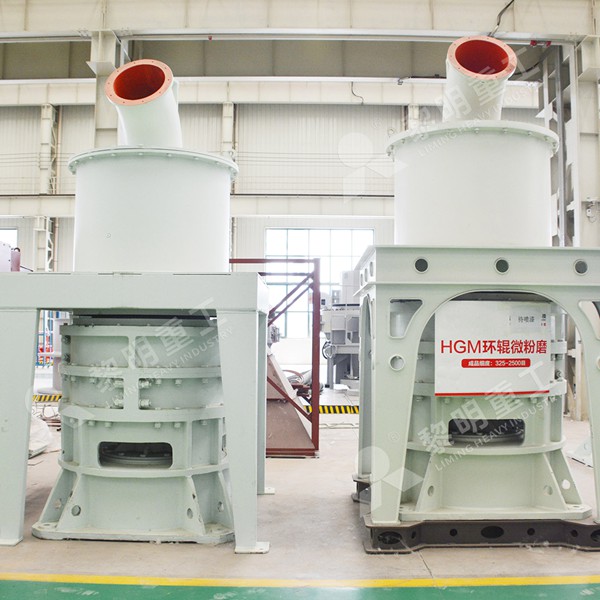
When it comes to processing gypsum into ultra-fine powder, the choice of grinding equipment directly determines product quality, energy efficiency, and overall production cost. The gypsum ultrafine grinding mill stands as the definitive solution for industries demanding high-purity, superfine gypsum powder within the range of 325 mesh to 3250 mesh. At Liming Heavy Industry, we have engineered our micro powder grinding mill series specifically to tackle the unique challenges of gypsum grinding—its moderate hardness, its tendency to generate heat during milling, and the need for precise particle size distribution. This article dives deep into the technical specs, working principles, and real-world applications of the gypsum ultrafine grinding mill, drawing from our 30+ years of manufacturing experience. Whether you are in construction materials, desulfurization for power plants, or specialty chemical production, understanding how this mill works and how it compares to other options like Raymond mill or vertical roller mill will help you make an informed investment.
Why Gypsum Needs Ultrafine Grinding
Gypsum (calcium sulfate dihydrate) is a soft mineral with a Mohs hardness of around 2. While it is easy to crush, achieving true ultrafine powder—where 97% of particles pass through a 5-micron screen—requires specialized machinery. Conventional grinding methods like ball mills or Raymond mills can handle standard fineness (100–400 mesh), but they struggle with consistency and energy consumption when targeting superfine grades. The gypsum ultrafine grinding mill, built on the MW Micro Powder Mill platform, overcomes these limitations. It integrates advanced Swedish grinding technology with a medium-speed rotating mechanism, ensuring that the material is ground repeatedly between rollers and a ring raceway. This design minimizes heat buildup, which is critical because gypsum can dehydrate if exposed to excessive temperature, altering its chemical properties. Furthermore, the built-in pulse dust collector ensures that the process remains environmentally compliant, capturing even the finest particles that would otherwise become airborne dust.
How the Gypsum Ultrafine Grinding Mill Works
The working principle of the gypsum ultrafine grinding mill is both elegant and robust. A main motor drives the reducer, which rotates the central turnplate. Dozens of grinding rollers are attached to the turnplate via pins, and as the turnplate spins, these rollers rotate against the fixed ring raceway. The material—gypsum pre-crushed to 10–20mm by a hammer crusher—is fed into the hopper and then evenly delivered to the central part of the upper turnplate by a vibrating feeder. Centrifugal force pushes the material outward to the raceway, where it is crushed into powder between the rollers and the ring. An air classifier (separator) sits above the grinding zone. Airflow carries the fine particles upward; those that meet the fineness requirement pass through the separator and are collected as finished product. Oversized particles fall back to the raceway for further grinding. The system operates in a closed loop: air from the blower recycles through the mill, minimizing energy waste. The pulse dust collector ensures that only clean air exits the system, meeting even strict emission standards.
Application Scenarios for Gypsum Ultrafine Powder
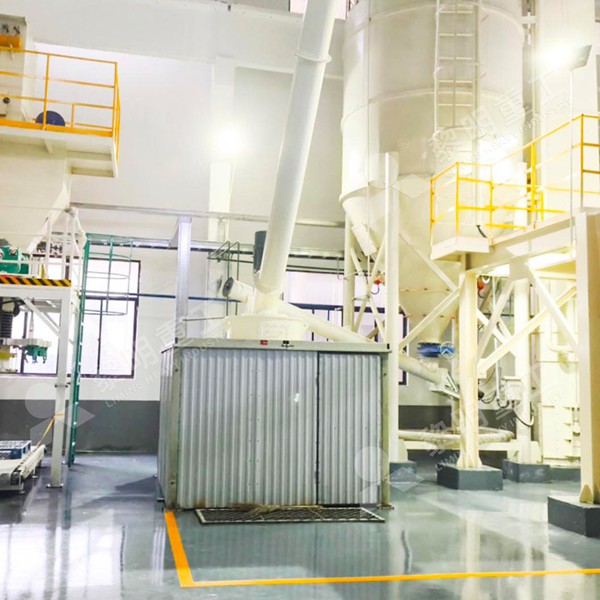
The gypsum ultrafine grinding mill is not a one-trick pony. Its output fineness can be adjusted from 325 mesh up to 3250 mesh (d97 ≤ 5μm), making it suitable for a broad range of industries. In the construction sector, ultrafine gypsum powder is used in high-performance plasters, joint compounds, and self-leveling floor underlayments, where particle size affects setting time and workability. For power plants, flue gas desulfurization (FGD) processes often require gypsum powder with a specific surface area and reactivity—ultrafine grinding ensures maximum contact between the slurry and sulfur dioxide. In the pharmaceutical and food industries, gypsum can serve as a calcium supplement or a coagulant in tofu production, and the purity and consistency achieved by ultrafine milling are non-negotiable. Additionally, in the field of non-metallic mineral processing, gypsum is sometimes ground together with calcium carbonate or talc to create composite fillers for plastics and paints. Our MW Micro Powder Mill has handled all these applications successfully across dozens of countries where Liming Heavy Industry equipment is installed.
Comparison with Other Grinding Mills
To fully appreciate the gypsum ultrafine grinding mill, it helps to compare it with other popular mill types from our product line. The Raymond Mill (capacity 1.2–4.5 T/H, input size 15–25mm) is excellent for medium-fineness grinding (613μm to 44μm) and is often more cost-effective for standard gypsum powder used in construction. However, when you need superfine material, the Raymond mill simply cannot achieve the fineness without excessive energy consumption and wear. The European Type Trapezium Mill (MTW series) is a step up—its capacity ranges from 3 to 55 TPH, and it handles larger feed sizes (30–50mm). MTW mills are ideal for large-scale gypsum processing where the target fineness is around 100–200 mesh. But for anything finer than 325 mesh, the micro powder grinding mill (MW series) is the clear winner. The Vertical Roller Mill (LM series) offers high capacity (10–400 T/H) and integrates drying with grinding, which is beneficial if your gypsum has high moisture. Yet, for pure ultrafine grinding, the LM mill is overkill and less efficient at producing particle sizes below 10 microns. Finally, the Ball Mill is the workhorse of the industry—it can grind almost anything, but its energy consumption is substantially higher than the gypsum ultrafine grinding mill for achieving the same fineness, and it requires more frequent liner and media replacement. In short: if your production target is ultrafine gypsum powder with tight particle distribution, the MW Micro Powder Mill is the most cost-effective and technically optimized solution.
Key Technical Specifications
Let’s look at the numbers. The gypsum ultrafine grinding mill (MW series) has a capacity range of 0.5 to 25 tons per hour, depending on the model and the desired fineness. The input size should be 10–20mm, which means you will need a primary crusher (such as a jaw crusher or hammer crusher) upstream. The fineness adjustment is stepless between 325 and 3250 mesh, and the system is equipped with a variable-frequency feeder to control the feed rate precisely. The pulse dust collector ensures that the emission concentration stays well below national standards. The entire grinding line occupies a relatively compact footprint, which is a significant advantage for plants with space constraints. Power consumption varies with fineness but generally ranges from 200 to 600 kWh per ton for ultrafine products—substantially lower than alternative technologies. Also, because the grinding rollers and ring are made of wear-resistant materials, the maintenance interval is extended, and the cost per ton of finished product remains competitive.
Installation and After-Sales Support
Liming Heavy Industry has been manufacturing grinding equipment since 1987, and our experience means we understand the practicalities of installation and commissioning. For a gypsum ultrafine grinding mill, the typical setup includes a hopper, vibrating feeder, hammer crusher (if the raw gypsum is too large), bucket elevator, the main mill, separator, blower, pulse dust collector, and control cabinet. Our engineers provide on-site guidance for foundation work, electrical connections, and piping. We also offer training for your operators on fineness adjustment, routine maintenance (roller and ring replacement, lubrication), and troubleshooting. Spare parts are stocked at our headquarters in Zhengzhou and at regional warehouses in key markets. Many of our clients—whether in the Middle East, Southeast Asia, Africa, or South America—have reported consistent performance over years of operation, with only scheduled downtime for inspection. Plus, the closed-loop airflow design minimizes exposure of operators to dust, making the workplace safer.
Cost Considerations and ROI
While we do not disclose specific prices here, it is worth discussing the factors that influence the overall investment. The gypsum ultrafine grinding mill requires a higher initial capital outlay compared to a Raymond mill or ball mill of similar capacity. However, the return on investment is realized through lower energy consumption per ton of superfine product, reduced maintenance costs (due to fewer moving parts and better wear protection), and the ability to sell high-value ultrafine gypsum powder at a premium. For example, in the construction chemicals market, ultrafine gypsum powder can command prices 20–40% higher than standard gypsum powder. Additionally, the integrated dust collection eliminates the need for external baghouses or electrostatic precipitators, saving both capital and operating expenses. When you factor in the support from Liming Heavy Industry’s research team—who continuously work on improving roller profiles, ring geometries, and classifier efficiency—you are not just buying a machine; you are investing in a technology partnership.
Conclusion
The gypsum ultrafine grinding mill represents the pinnacle of milling technology for soft minerals. It combines high capacity, ultra-fine output, environmental compliance, and operational reliability in a single system. Whether you are expanding an existing gypsum processing plant or building a new one from scratch, the MW Micro Powder Mill from Liming Heavy Industry deserves a place at the top of your shortlist. Backed by a company with over three decades of manufacturing excellence and a commitment to scientific innovation, this mill is built to deliver consistent results for years to come.
Frequently Asked Questions
1. What is the typical lifespan of the grinding rollers and ring in a gypsum ultrafine grinding mill?
The lifespan depends on the abrasive content of the gypsum and the required fineness. In most cases, grinding rollers can last 3,000–6,000 operating hours, while the ring can last 5,000–8,000 hours. Regular inspection and timely replacement are recommended to maintain optimal efficiency.
2. Can the same mill be used to grind other materials like calcium carbonate or barite?
Yes, the MW Micro Powder Mill is designed for multiple non-metallic minerals with Mohs hardness below 7 and humidity under 6%. You can switch between gypsum, calcium carbonate, talc, barite, and many other materials by adjusting the classifier speed and feed rate. However, cleaning the mill between material changes is advised to avoid cross-contamination.
3. What is the moisture content limit for gypsum fed into an ultrafine grinding mill?
We recommend a moisture content of less than 2% for optimal grinding performance. Higher moisture can cause material to stick to the grinding ring and reduce throughput. If your gypsum has higher moisture, consider integrating a drying step (e.g., using a hot air flow system or a separate dryer) before grinding.
4. How does the pulse dust collector affect the overall energy consumption?
The pulse dust collector consumes a small fraction of the total system energy—typically less than 5%. It uses compressed air pulses to clean the filter bags periodically, which ensures consistent suction pressure and prevents clogging. Overall, it is a low-energy, high-benefit component that keeps the operation environmentally compliant.
5. What is the recommended pre-crushing equipment for gypsum before the ultrafine mill?
We recommend a hammer crusher or a jaw crusher set to produce an output size of 10–20mm. A hammer crusher is generally more cost-effective for soft materials like gypsum, while a jaw crusher may be preferred if the raw gypsum contains hard impurities. The crushed material should then be conveyed to the mill hopper via a bucket elevator.


