Published: October 26, 2023
Desulfurization gypsum, a byproduct of flue gas desulfurization (FGD) processes in coal-fired power plants, presents both an environmental challenge and a valuable resource for industries such as construction and cement manufacturing. Effectively grinding this material into a fine, uniform powder is critical for its reuse in wallboard, cement retarder, and soil amendment applications. Advanced grinding equipment, including vertical roller mills, Raymond mills, European type trapezium mills, micro powder mills, and ball mills, each offer distinct advantages for processing FGD gypsum, depending on desired fineness, capacity, and energy efficiency. This article explores the technological capabilities and operational principles of these specialized grinding systems, focusing on how modern machinery from industry leaders like Liming Heavy Industry can optimize desulfurization gypsum processing to achieve high purity, consistent particle size, and compliance with environmental standards.
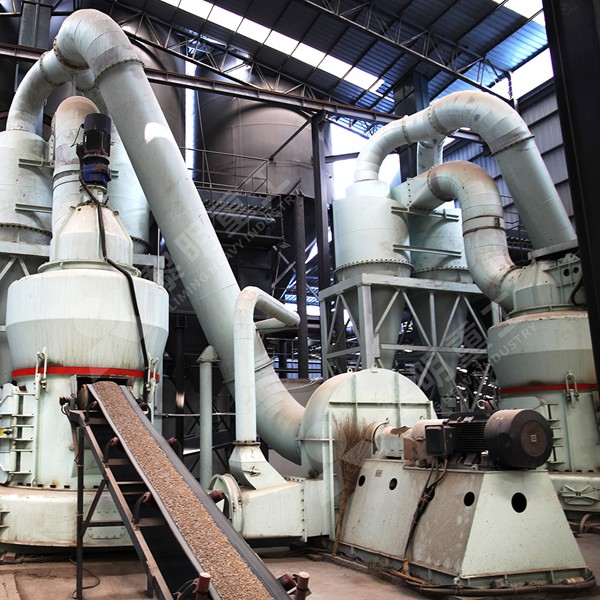
Desulfurization gypsum, also known as synthetic gypsum, is produced when calcium carbonate reacts with sulfur dioxide in flue gas scrubbers. Its chemical composition is similar to natural gypsum (calcium sulfate dihydrate), but it often contains higher moisture content and impurities such as unreacted limestone, fly ash, and soluble salts. Efficient grinding is essential to break down agglomerates, reduce moisture, and achieve a particle size distribution suitable for downstream applications. The choice of grinding equipment directly influences production costs, product quality, and environmental footprint. Modern mills are designed to integrate drying, grinding, and classification into a single process, minimizing energy consumption and maximizing throughput.
Liming Heavy Industry Co., Ltd., with over three decades of experience in manufacturing crushing and grinding machinery, offers a comprehensive portfolio of solutions tailored to desulfurization gypsum. The company's LM Vertical Roller Mill is particularly suited for large-scale operations, combining drying and grinding in a single unit. It utilizes a conical grinding roller and a flat grinding table, with the material being ground under pressure and then classified by an integrated rotary classifier. The mill achieves capacities from 10 to 400 tons per hour and can handle input sizes up to 55mm, making it ideal for power plants needing to process vast quantities of gypsum continuously. The LM mill's automatic electric control system ensures consistent product fineness while reducing energy consumption by up to 50% compared to traditional ball mills. Its sealing system prevents dust leakage, addressing environmental concerns inherent in gypsum processing.
For medium to smaller scale operations, the Raymond Mill remains a popular choice. This classic pendulum mill has been adapted for desulfurization gypsum, offering a fineness range from 613μm to 44μm with a capacity of 1.2 to 4.5 tons per hour. It is suitable for materials under Mohs hardness 7 and humidity below 6%, which aligns well with typical FGD gypsum characteristics. The Raymond mill operates by rotating a central shaft that swings grinding rollers outward against a stationary grinding ring. The ground material is then carried upward by an air stream to a classifier, where fine particles pass through and coarse particles return for regrinding. This closed-loop system, combined with a pulse dust collector, ensures compliance with national environmental standards. The Raymond mill's simplicity and low maintenance requirements make it a cost-effective solution for cement plants and gypsum board manufacturers.
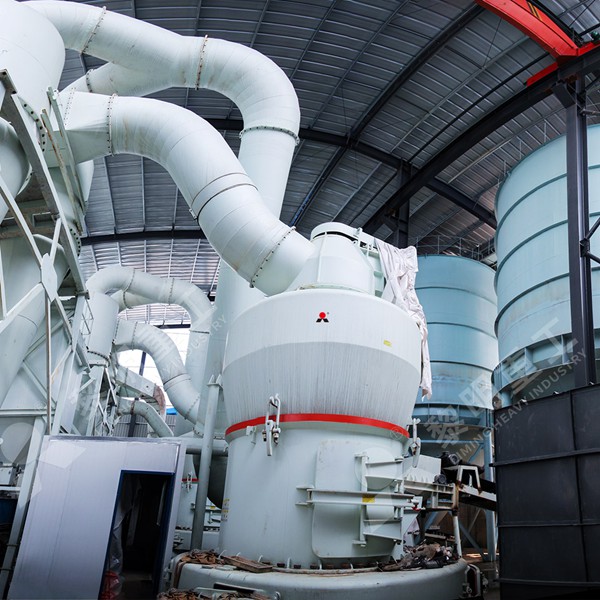
The MTW European Type Trapezium Mill represents an upgrade from traditional Raymond mills, incorporating patented technologies for higher productivity and energy efficiency. This mill features a split housing, a V-shaped classifier, and a bevel gear drive, which improves transmission efficiency and reduces vibration. For gypsum desulfurization, the MTW mill can process materials with input sizes up to 50mm and deliver capacities from 3 to 55 tons per hour. Its working principle involves a variable-frequency belt feeder that ensures even material distribution into the mill, where material is ground between the ring and rollers. An air classifier separates fine particles, while the coarse fraction falls back for regrinding. The system is fully enclosed, with a pulse dust collector that captures fine dust, making it one of the most environmentally friendly options available. The MTW mill is particularly effective for producing high-grade gypsum powder used in premium wallboard and plaster products, where consistent particle size and shape are critical.
For applications requiring ultra-fine powders, such as high-performance fillers or soil conditioners, the MW Micro Powder Mill is the optimal choice. This medium-speed micro-grinding mill, inspired by advanced Swedish grinding technology, can achieve finished products with fineness up to d97 ≤ 5μm, adjustable between 325 mesh and 3250 mesh. With a capacity of 0.5 to 25 tons per hour and input sizes up to 20mm, the MW mill is ideal for specialized gypsum processing where nano-scale particles are needed. The mill's working principle involves dozens of rollers rotating against a raceway ring, driven by a reducer and motor. Small material crushed by a hammer crusher is fed into the hopper and then fed evenly to the central part of the upper turnplate. Under centrifugal force, the material falls onto the raceway for grinding. The built-in pulse precipitator ensures that the entire process meets strict environmental standards, and the closed-loop system recovers all fine powder, minimizing waste.
The traditional Ball Mill remains a staple in the industry for its reliability and versatility. While less energy-efficient than vertical roller mills or micro powder mills, the ball mill can grind a wide range of materials, including gypsum, to various fineness levels. For desulfurization gypsum, ball mills are often used in combination with classifiers to produce uniform particle sizes. The mill consists of a horizontal rotating cylinder partially filled with steel balls. As the cylinder rotates, the balls are lifted and then cascade down, impacting and grinding the gypsum particles. The ball mill's capacity ranges from 0.65 to 50 tons per hour, with input sizes up to 25mm. It is widely used in cement plants and chemical industries where capital cost is a primary concern, and where the grinding process can be batch-operated to handle variable feed conditions. Regular maintenance of liners and ball charge is required to maintain optimal performance, but the mill's robust design ensures long-lasting operation in demanding environments.
In summary, the selection of grinding equipment for desulfurization gypsum depends on several factors, including required capacity, target fineness, moisture content, and energy costs. Liming Heavy Industry's comprehensive range of mills—from the high-capacity LM Vertical Roller Mill to the ultra-fine MW Micro Powder Mill—ensures that each application can be matched with the optimal technology. For power plants aiming to maximize gypsum utilization while minimizing operational costs, the LM and MTW mills offer the best balance of productivity and energy efficiency. For smaller operations or those requiring extremely fine powders, the Raymond or MW mills provide targeted solutions. Regardless of the choice, modern grinding systems incorporate advanced dust collection and automation, ensuring that gypsum processing is both environmentally responsible and economically viable. As the demand for sustainable building materials grows, efficient desulfurization gypsum grinding will remain a cornerstone of cleaner production in the energy sector.
Frequently Asked Questions
1. What is the recommended moisture content for grinding desulfurization gypsum?
Desulfurization gypsum typically has a high moisture content, often between 10% and 20%. Most mills, including Raymond and MTW mills, require moisture to be below 6% for optimal grinding efficiency. Some vertical roller mills can handle slightly higher moisture levels if equipped with an integrated drying system that uses hot air to reduce moisture during the grinding process.
2. Which mill type is best for producing gypsum powder for wallboard manufacturing?
For wallboard manufacturing, which typically requires a fineness of around 100 mesh (150μm) with consistent particle size, the MTW European Type Trapezium Mill is often the best choice. It offers high capacity, low energy consumption, and excellent powder uniformity, making it ideal for producing gypsum powder that meets the strict specifications for wallboard core material.
3. Can the same grinding equipment handle both natural gypsum and synthetic desulfurization gypsum?
Yes, the same equipment can process both natural and synthetic gypsum, but adjustments may be needed. Synthetic gypsum often has higher moisture and may contain stickier impurities like limestone fines. Mills like the LM Vertical Roller Mill can be adapted with different grinding pressure settings, air flow rates, and classifier speeds to optimize performance for each material type.
4. How does the energy consumption of a ball mill compare to a vertical roller mill for gypsum grinding?
A ball mill typically consumes 20-30% more energy than a vertical roller mill for the same gypsum grinding task. Ball mills rely on impact and attrition, which is less efficient than the compression and shearing action in VRMs. For large-scale operations processing more than 50 tons per hour, the LM Vertical Roller Mill can reduce energy costs significantly, often by 30-50% compared to ball mills.
5. What maintenance challenges are common with gypsum grinding equipment?
Common maintenance challenges include wear on grinding rollers and rings due to the abrasive nature of gypsum, clogging of classifiers by fine, moist material, and dust accumulation in bearings and seals. Regular inspection of grinding elements, proper sealing of air ducts, and the use of wear-resistant materials can extend equipment life. Pulse dust collectors require periodic filter replacement to maintain suction efficiency.


