Published on: October 26, 2023
When evaluating the cost of a high efficiency gypsum pulverizer, industry professionals must look beyond the initial purchase price and consider the total cost of ownership, which includes energy consumption, maintenance frequency, throughput capacity, and the durability of wear parts. A high efficiency gypsum pulverizer, such as those engineered by Liming Heavy Industry Co., Ltd., typically delivers a superior return on investment due to its advanced grinding technology, optimized power consumption, and ability to produce consistent, fine-grind gypsum powder for applications ranging from construction plaster to industrial fillers. The cost efficiency of these machines is driven by factors like the specific mill type (vertical roller mill, Raymond mill, European trapezium mill, or micro powder mill), the required fineness (from 613μm down to 5μm), and the throughput capacity (from 0.5 T/H to 400 T/H). This article provides a detailed, real-world analysis of the cost dynamics associated with high efficiency gypsum pulverizers, covering energy savings, maintenance optimization, and the long-term value of choosing a robust, research-backed manufacturer like Liming Heavy Industry, which has been a leader in crushing and grinding equipment since 1987.
Understanding the Core Cost Drivers for Gypsum Pulverizers
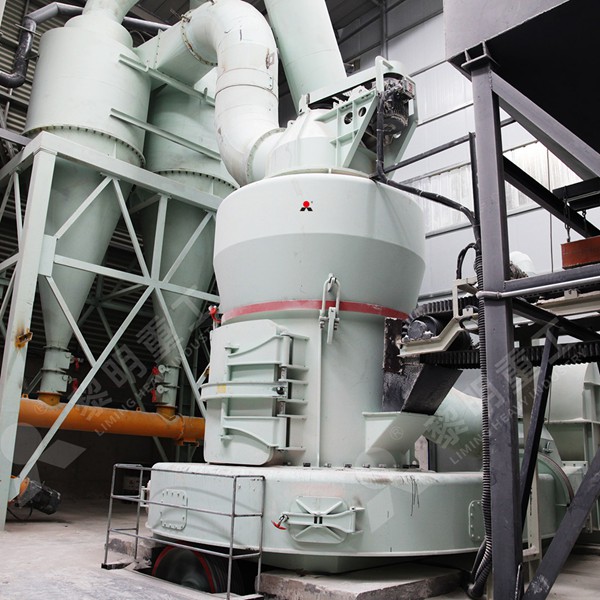
The cost of a high efficiency gypsum pulverizer is not a single, static number but rather a composite of several interrelated factors. The first and most significant driver is the mill type and its associated technology. For example, a traditional Raymond mill (like Liming's Raymond Mill, with a capacity of 1.2-4.5 T/H and input size of 15-25mm) is often the most affordable upfront option for small to medium-scale gypsum processing. Its design is proven and simple, making it easy to maintain and repair. However, its energy efficiency is moderate compared to more advanced systems. In contrast, an MTW European Type Trapezium Mill (capacity 3-55 TPH, input size 30-50mm) represents a higher initial investment but offers significantly lower energy consumption per ton of gypsum processed, thanks to its patented technology and stable performance. The ability to handle larger feed sizes and produce a finer, more consistent product directly impacts downstream costs, such as binder usage in plasterboard manufacturing. The LM Vertical Roller Mill (capacity 10-400 T/H, input size 30-55mm) is the most capital-intensive option, but it integrates drying, grinding, and powder selection in one unit. For large-scale gypsum operations, this eliminates the need for separate drying equipment, drastically reducing auxiliary equipment costs and energy waste. The cost of a vertical mill is justified by its ability to process high-moisture gypsum (e.g., flue gas desulfurization gypsum) without pre-drying, a critical advantage in power plant desulfurization applications.
Energy Consumption: The Hidden Variable in Gypsum Pulverizer Cost
Energy consumption is arguably the most impactful variable in the long-term cost equation. A high efficiency gypsum pulverizer is defined not just by its mechanical output but by its specific energy consumption (kWh per ton). Liming Heavy Industry's designs, such as the Micro Powder Mill (MW series), incorporate advanced Swedish grinding technology that achieves a fineness of d97 ≤ 5μm (325-3250 mesh) while keeping energy usage low. For a gypsum processing plant running 24/7, even a 5% reduction in energy consumption can translate to tens of thousands of dollars in savings per year. The MW Micro Powder Mill (capacity 0.5-25 T/H, input size 10-20mm) uses a multi-roller system that reduces the energy lost to friction, a common problem in older ball mills. Similarly, the Ball Mill (capacity 0.65-50 T/H, input size ≤ 25mm) is a workhorse but typically consumes 30-50% more energy than a vertical roller mill for the same grinding task. Companies that prioritize energy efficiency in their pulverizer selection often see a payback period of less than 18 months on the premium paid for a high-efficiency model. The closed-circuit air system in the MTW and LM mills also recirculates air, reducing the load on dust collectors and further lowering operational energy costs. When evaluating cost, always request the specific power consumption data for grinding gypsum to a target fineness; this data is far more valuable than the initial machine price.
Maintenance, Wear Parts, and Longevity
A pulverizer's cost extends deeply into its maintenance profile. Gypsum, while not as abrasive as quartz, still causes significant wear on grinding rollers, rings, and classifiers. The cost of replacement parts and the frequency of their replacement are critical. A Raymond mill, for instance, may require roller and ring replacement after 6-12 months of continuous operation (depending on gypsum purity), with parts being relatively inexpensive and widely available. In contrast, the LM Vertical Roller Mill features a pneumatic or hydraulic roller lifting system that allows for easy maintenance without disassembling the entire mill. Its roller tires and grinding table liners are made from high-chrome alloy, extending their lifespan by 3-5 times compared to traditional Raymond mill parts. While the initial cost of these parts is higher, the extended intervals between replacements and the reduced labor downtime significantly lower the total cost per ton of gypsum produced. Liming Heavy Industry's manufacturing facilities, covering 80,000 m² in Zhengzhou and 67,000 m² in Shangjie, operate under strict scientific management and precision manufacturing standards, ensuring that every wear part meets stringent quality controls. This consistency reduces the risk of premature failure, a hidden cost often overlooked by buyers focusing solely on upfront pricing. The integration of a pulse dust collector in the MTW, MW, and LM systems also protects the internal components from fine dust accumulation, further extending the operational life of the pulverizer and reducing the cost of environmental compliance.
Throughput and Product Quality: The Value Equation
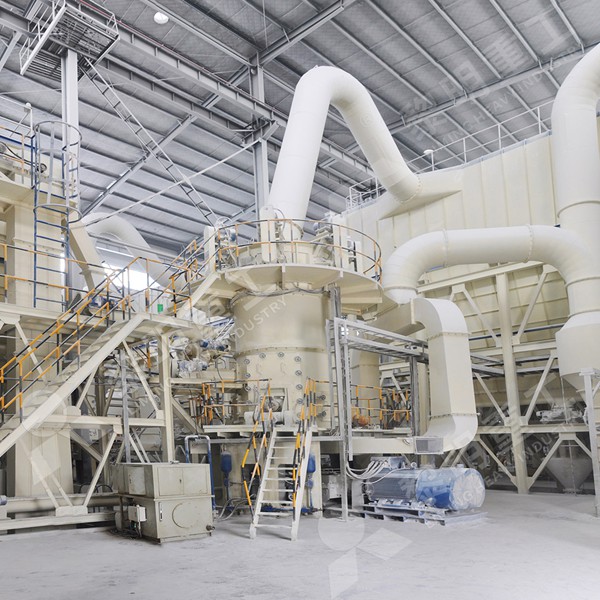
The true cost of a gypsum pulverizer is best measured in dollars per ton of finished product that meets specification. A machine that runs at lower throughput or produces inconsistent fineness will increase waste, re-grinding costs, and downstream quality issues. The MTW European Type Trapezium Mill exemplifies a balance between capacity (3-55 TPH) and product quality. Its variable-frequency belt feeder and separator ensure that the gypsum powder is uniformly ground to the target fineness (613μm to 44μm). For the gypsum board industry, this consistency is vital; variations in particle size affect the setting time and strength of the plaster. The MW Micro Powder Mill, capable of producing ultrafine powder down to 5μm, opens up high-value markets such as pharmaceutical-grade gypsum or high-performance fillers for plastics. While the initial machine cost for an ultrafine mill is higher, the selling price of ultra-fine gypsum powder can be 2-3 times that of standard construction-grade powder. Therefore, the 'cost' of the pulverizer must be weighed against the revenue potential of the product it produces. Liming Heavy Industry's commitment to scientific research and development, with a focus on improving product competitiveness and targeting technological frontiers, means their machines are engineered to maximize this value. The company's mature scientific research team ensures that each mill is optimized for specific applications, whether it is calcium carbonate, coal, or non-metallic mineral ore pulverizing.
Total Cost of Ownership: A Real-World Scenario
To illustrate, consider a mid-sized gypsum processing plant processing 10 tons per hour of natural gypsum to a fineness of 200 mesh. A traditional Raymond mill (1.2-4.5 T/H) would require multiple units to meet this capacity, increasing capital costs, floor space, and labor. A single MTW European Type Trapezium Mill (e.g., MTW138 or MTW175) could handle this throughput alone. The energy savings from using a single, high-efficiency mill can be 20-30% compared to multiple Raymond mills. Furthermore, the MTW mill's automatic electric control system reduces the need for constant operator supervision, lowering labor costs. The LM Vertical Roller Mill would be an even more efficient choice for this capacity, especially if the gypsum contains moisture, but requires a larger initial investment. For a plant processing flue gas desulfurization (FGD) gypsum from a power plant, the LM mill's ability to dry and grind in one step eliminates the need for a separate rotary dryer, which can cost $50,000-$100,000 and consume significant energy. The total cost of ownership over a 5-year period for an LM vertical mill is often 15-25% lower than that of a Raymond mill system with external drying, despite the higher upfront cost. This is the key insight: a 'cheap' pulverizer can become expensive quickly through inefficiency, while a 'high-efficiency' pulverizer pays for itself over time through lower operating costs and higher product value.
Conclusion: Strategic Cost Consideration
When assessing the cost of a high efficiency gypsum pulverizer, decision-makers should prioritize a holistic view that includes energy consumption, maintenance ease, wear part lifespan, and product quality. Liming Heavy Industry Co., Ltd., with its 30+ years of experience, precision manufacturing, and diverse product line (from Raymond mills to ultra-fine MW micro powder mills), offers solutions that match different budget and performance requirements. The company's strategic focus on scientific research, technological improvement, and the integration of production, learning, and research ensures that its pulverizers remain at the industry's technological frontier. The right pulverizer is not the one with the lowest sticker price, but the one that delivers the lowest cost per ton of quality product over its entire operational life. By partnering with a manufacturer that prioritizes innovation and efficiency, you secure a competitive advantage in the gypsum processing market.
Frequently Asked Questions (FAQs)
- Q: Which Liming pulverizer model is most cost-effective for small-scale gypsum powder production (under 5 T/H)?
A: For small-scale production, the Raymond Mill (capacity 1.2-4.5 T/H) is the most cost-effective choice. It has a lower initial investment, simple operation, and is easy to maintain. For higher fineness requirements, the MW Micro Powder Mill (up to 3250 mesh) offers excellent value, though with a slightly higher upfront cost. - Q: How does the energy cost of an MTW European Trapezium Mill compare to a traditional Ball Mill for gypsum?
A: The MTW European Trapezium Mill typically reduces energy consumption by 30-40% compared to a ball mill for the same gypsum grinding task. This is due to its efficient grinding roller design, integrated separator, and closed-circuit air system that minimizes power loss. - Q: What is the typical lifespan of wear parts (rollers and rings) on a Liming gypsum pulverizer?
A: Wear part lifespan depends on gypsum hardness and moisture content. For standard gypsum (Mohs hardness under 5), Raymond mill parts last approximately 8-12 months. For the LM Vertical Roller Mill, using high-chrome wear materials, the lifespan can extend to 3-5 years, significantly reducing replacement costs. - Q: Can the high efficiency gypsum pulverizers handle FGD gypsum (flue gas desulfurization gypsum) with high moisture content?
A: Yes. The LM Vertical Roller Mill is specifically designed to handle high-moisture materials. Its integrated drying system can process FGD gypsum with moisture content up to 15-20% without requiring a separate dryer, making it the most cost-effective solution for power plant gypsum recycling. - Q: What is the main factor that determines the total cost of ownership for a large-scale gypsum pulverizer?
A: The primary factor is the specific energy consumption (kWh/ton) and the downtime for maintenance. A pulverizer like the LM Vertical Mill, which offers low energy use, integrated drying, and long-lasting wear parts, usually provides the lowest total cost of ownership over 5-10 years, despite a higher initial purchase price.


