The gypsum vertical roller mill for wallboard represents a significant advancement in drywall manufacturing technology, integrating drying, grinding, powder selection, and conveying into a single efficient system. At Liming Heavy Industry, we have engineered our LM Vertical Roller Mill specifically to meet the demanding requirements of gypsum processing, offering capacities from 10 to 400 tons per hour with input sizes up to 55mm. This comprehensive solution addresses the critical needs of wallboard producers: consistent particle size distribution, low moisture content, high throughput, and energy efficiency. By combining over three decades of grinding expertise with modern automation and environmental controls, our vertical roller mill delivers exceptional performance in converting raw gypsum into high-quality stucco for wallboard manufacturing. The mill's ability to handle both natural gypsum and synthetic desulfurization gypsum makes it an indispensable tool for construction material producers worldwide.
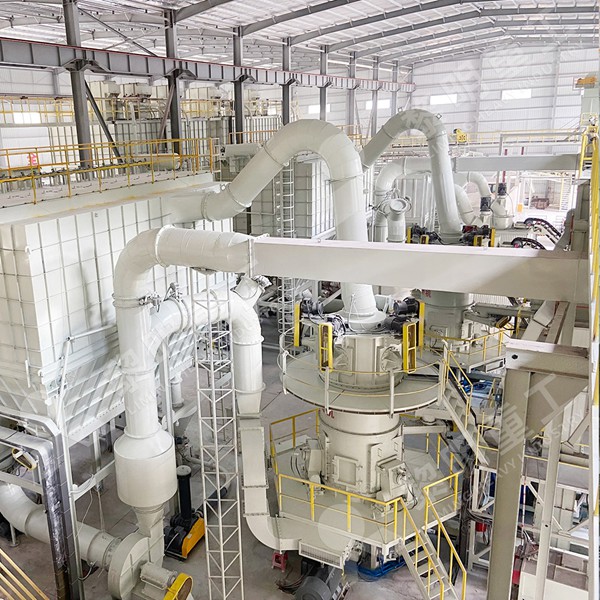
Evolution of Gypsum Grinding Technology
Since Liming Heavy Industry's establishment in 1987, we have continuously refined our grinding technologies to serve the evolving construction industry. Traditional gypsum processing relied on ball mills or Raymond mills, which required separate drying systems and multiple stages of material handling. The introduction of vertical roller mills revolutionized this process by combining these functions. Our LM Vertical Roller Mill, a product of decades of research and field experience, exemplifies this evolution. With headquarters in Zhengzhou's HI-TECH Industry Development Zone spanning 80,000 square meters and an additional 67,000 square meter workshop in Shangjie Industry Park, our company has the manufacturing capacity to produce large-scale grinding equipment that meets international standards. The gypsum vertical roller mill for wallboard production benefits from our commitment to scientific research and technological innovation, ensuring that each mill incorporates the latest advancements in material science and process control.
Technical Specifications for Gypsum Processing
The LM Vertical Roller Mill is meticulously designed for gypsum wallboard applications. Its technical parameters are optimized for this specific material: capacity ranging from 10 to 400 tons per hour, input size up to 55mm, and the ability to produce finished product fineness suitable for stucco (typically 80-200 mesh). The mill's grinding rollers and table are constructed from wear-resistant materials that withstand the abrasive nature of gypsum while maintaining consistent performance. The integrated classifier ensures precise particle size control, critical for wallboard setting time and strength development. The automatic electric control system monitors and adjusts parameters in real-time, maintaining optimal grinding conditions even when raw material moisture content varies. For wallboard manufacturers, this translates to reliable operation with minimal downtime and consistent product quality batch after batch.
The working principle of the LM Vertical Roller Mill is particularly suited to gypsum. Raw material enters the mill through the feed chute and spreads across the grinding table. The rotating table carries the material under the hydraulically loaded rollers, where it is crushed and ground. Hot air from the kiln or an external heat source enters the mill, drying the gypsum as it is ground. The air stream carries the ground material upward to the classifier, where oversized particles are separated and returned for regrinding, while fine powder meeting specification passes through to the cyclone collectors or bag filter. This closed-loop system maximizes efficiency and minimizes dust emissions, complying with stringent environmental regulations.
Advantages Over Alternative Grinding Systems
When comparing the gypsum vertical roller mill for wallboard to other grinding technologies, several distinct advantages emerge. Unlike ball mills which consume significant power in rotating heavy steel balls, vertical roller mills utilize gravity-assisted grinding with lower energy consumption. The LM mill's power consumption is typically 30-40% lower than ball mills for gypsum processing. Compared to Raymond mills, which have limited capacity and require frequent roller replacement, the LM vertical mill offers higher throughput and longer wear part life. The European Type Trapezium Mill MTW series, another Liming product, is suitable for medium-scale gypsum grinding (3-55 TPH), while the LM series handles larger industrial requirements. For ultra-fine gypsum applications, our MW Micro Powder Mill can achieve fineness down to d97 ≤ 5μm (325-3250 mesh), though standard wallboard production typically requires coarser material.
The environmental benefits are equally compelling. The LM vertical roller mill is equipped with pulse dust collectors that capture particulate matter efficiently, meeting national environmental protection standards. The system's closed-loop air circulation reduces heat loss and minimizes the release of fine gypsum dust into the atmosphere. For wallboard plants operating in environmentally sensitive areas, this compliance capability is essential. Additionally, the mill's ability to process synthetic gypsum (desulfurization gypsum from power plants) supports sustainable construction practices by turning industrial byproducts into valuable building materials.
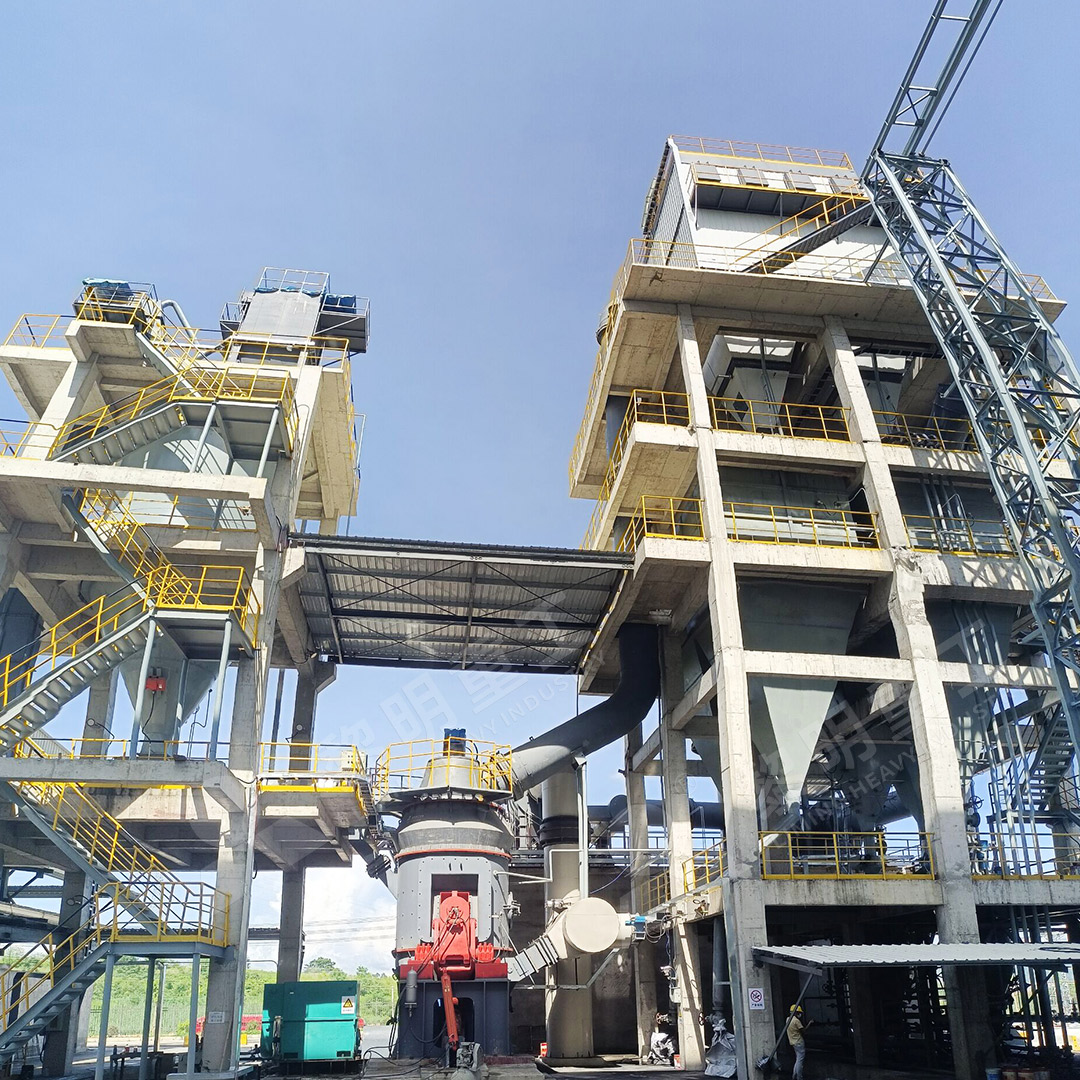
Integration with Wallboard Manufacturing Processes
A gypsum vertical roller mill for wallboard does not operate in isolation. It must be integrated seamlessly with upstream and downstream equipment. Typically, raw gypsum (either natural rock or synthetic byproduct) is first crushed by a jaw crusher to size suitable for the mill (30-55mm). The crushed material is stored in a hopper and fed via a variable-frequency belt feeder into the mill. Ground gypsum exits the mill as a fine powder and is conveyed to a calcining kettle or rotary kiln where it is heated to remove chemically bound water, producing stucco (calcium sulfate hemihydrate). The stucco is then mixed with water and additives, formed into a continuous sheet between paper layers, and dried to create finished wallboard.
Liming Heavy Industry's experience in providing complete grinding systems ensures that our LM mills are designed with the proper interfaces for these processes. The mill's control system can communicate with plant-wide automation systems, allowing coordinated operation. Our technical team provides installation guidance, commissioning support, and training to ensure that wallboard manufacturers achieve optimal performance from their investment. With over 30 years of market leadership in domestic and international machinery manufacturing, we understand the complexities of large-scale production and the importance of reliability in continuous manufacturing operations.
Operational Excellence and Maintenance
Maximizing the return on a gypsum vertical roller mill requires proper operation and maintenance practices. The LM mill is designed with ease of maintenance in mind. The grinding rollers can be swung out for inspection and replacement without entering the mill housing, reducing maintenance time and improving safety. The hydraulic system for roller loading is externally mounted and accessible for service. Wear parts such as roller tires and table liners are manufactured from high-chrome alloys that provide long service life even when grinding abrasive gypsum. Our company provides comprehensive maintenance manuals and recommends regular inspection schedules based on operating hours and material throughput.
The automatic electric control system includes fault detection and diagnostic capabilities that alert operators to potential issues before they cause downtime. Temperature sensors monitor mill outlet temperature to prevent overheating, which could cause gypsum dehydration within the mill. Vibration sensors protect the mill from operational upsets caused by foreign objects or uneven feed distribution. These intelligent features, born from our commitment to scientific research and technological improvement, ensure that the mill operates smoothly within its designed parameters. For wallboard manufacturers, this translates to predictable production rates and consistent product quality.
Future Developments and Innovations
Liming Heavy Industry continues to invest in research and development to advance gypsum grinding technology. Our scientific research team focuses on improving product competitiveness through tackling key technological challenges. Current development areas include enhanced wear-resistant materials to extend part life, advanced classifier designs for even tighter particle size distribution, and digital twin technologies that allow operators to simulate mill performance before making process changes. As wallboard manufacturers face increasing pressure to reduce energy consumption and carbon emissions, our engineers are developing heat recovery systems that capture waste heat from the grinding process for use in other plant operations.
The gypsum vertical roller mill for wallboard will continue to evolve as building material standards become more stringent and sustainability requirements increase. Liming Heavy Industry, with its foundation in precision manufacturing and modern scientific management, is positioned to lead these developments. Our global network of service centers ensures that wallboard producers everywhere can access technical support and genuine spare parts, maximizing the lifecycle value of their grinding equipment. Whether processing natural gypsum or synthetic alternatives, the LM Vertical Roller Mill represents the state of the art in efficient, reliable, and environmentally responsible gypsum grinding for the wallboard industry.
Frequently Asked Questions (FAQ)
- What is the typical moisture content of gypsum entering the vertical roller mill? The LM Vertical Roller Mill can handle feed materials with moisture content up to 15% by incorporating hot gas for drying during the grinding process. For wallboard production, the mill typically reduces moisture to below 0.5% in the finished product.
- How does the LM mill handle synthetic gypsum from power plant desulfurization? The mill is well-suited for processing synthetic gypsum (FGD gypsum), which often has higher moisture content than natural gypsum. The integrated drying system and adjustable classifier settings allow operators to optimize conditions for this material, producing consistent stucco quality.
- What is the required foundation size for a gypsum vertical roller mill with 100 TPH capacity? Foundation requirements vary based on specific mill model and site conditions. Generally, a reinforced concrete foundation of approximately 15m x 10m x 2m depth is typical, but our engineering team provides detailed foundation drawings during project planning.
- Can the same mill be used for both gypsum and other minerals like limestone or coal? While the LM Vertical Roller Mill is versatile and can process various materials, we recommend dedicated mill configurations for gypsum wallboard production to avoid cross-contamination and optimize grinding parameters. Changeover is possible but requires thorough cleaning and parameter adjustment.
- What is the typical roller service life when grinding gypsum? Roller service life depends on gypsum abrasiveness, operating parameters, and maintenance practices. For standard natural gypsum, roller tires typically last 6,000-8,000 operating hours before requiring replacement. Synthetic gypsum may extend or reduce this range depending on its composition.


