In the ceramic industry, calcium carbonate serves as a fundamental raw material, influencing everything from glaze formulation to body composition. The selection of a high-performance calcium carbonate grinding mill directly determines the fineness, purity, and consistency of the powder, which in turn affects the final product's surface quality, mechanical strength, and firing behavior. As a leading manufacturer of crushing and grinding equipment, Liming Heavy Industry offers a comprehensive range of mills—including Raymond Mill, MTW European Type Trapezium Mill, MW Micro Powder Mill, and Ball Mill—each engineered to meet the specific demands of ceramic production. Whether you require ultra-fine powders for glazes or consistent particle sizes for ceramic bodies, our grinding solutions deliver exceptional throughput, energy efficiency, and environmental compliance. This article explores the critical role of calcium carbonate grinding in ceramics, examines the technical advantages of our mills, and provides practical guidance for selecting the right equipment.
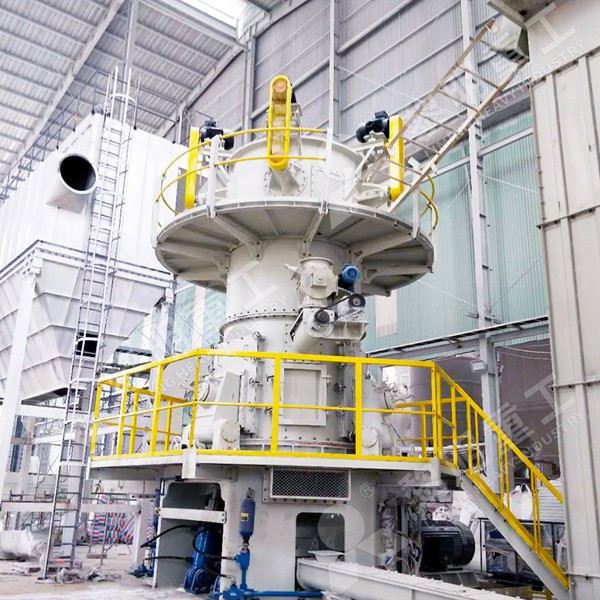
Why Calcium Carbonate Milling Matters for Ceramics
Calcium carbonate is widely used in ceramic manufacturing as a flux, filler, and opacifier. Its particle size distribution and specific surface area influence the viscosity of glazes, the sintering temperature of bodies, and the final appearance of tiles, sanitaryware, and tableware. A poorly ground calcium carbonate can lead to defects such as pinholes, uneven gloss, or reduced mechanical strength. Therefore, investing in a reliable grinding mill is not optional—it is a competitive necessity.
Our Grinding Mill Solutions for Calcium Carbonate
1. Raymond Mill – The Classic Workhorse
Our Raymond Mill is a time-tested solution designed for grinding non-flammable and non-explosive materials with Mohs hardness under 7 and humidity below 6%. For calcium carbonate processing in ceramics, it delivers output fineness ranging from 613μm to 44μm (30 to 325 mesh). The mill features a robust structure, low maintenance, and stable performance. With a capacity of 1.2–4.5 T/H and input size of 15–25mm, it is ideal for small to medium-scale ceramic plants requiring consistent powder quality.
2. MTW European Type Trapezium Mill – Enhanced Productivity
As an upgrade of traditional Raymond and pendulum mills, the MTW European Type Trapezium Mill incorporates patented technology for higher productivity and energy efficiency. It is particularly suited for large-scale non-metallic mineral powder making, including heavy calcium carbonate for ceramic bodies and glazes. With a capacity range of 3–55 TPH and input size of 30–50mm, this mill integrates drying, grinding, and classifying in one system. The closed-loop airflow with pulse dust collector ensures compliance with strict environmental standards, making it a preferred choice for modern ceramic factories.
3. MW Micro Powder Mill – Ultra-Fine Grinding
For ceramic applications demanding superfine powders—such as high-gloss glazes or advanced ceramic formulations—our MW Micro Powder Mill excels. Absorbing advanced Swedish grinding technology, it achieves finished product fineness down to d97 ≤ 5μm (325–3250 mesh). With a capacity of 0.5–25 T/H and input size of 10–20mm, this mill is equipped with a pulse precipitator for greener production. The unique roller and ring design ensures efficient grinding with minimal wear, delivering consistent particle size distribution critical for ceramic quality.
4. Ball Mill – Versatile and Reliable
The Ball Mill remains a versatile workhorse in the ceramic industry, especially for wet or dry grinding of calcium carbonate. It is key equipment for milling after crushing, and is widely used in beneficiation, construction, chemical industry, and ceramics. With capacity from 0.65 to 50 T/H and input size ≤ 25mm, the ball mill can handle both batch and continuous operations. Its horizontal rotating design, combined with ladder or ripple liners and steel balls of various specifications, ensures efficient impact and attrition grinding. The ground material is discharged through a discharge board, completing the grinding process with uniform fineness.
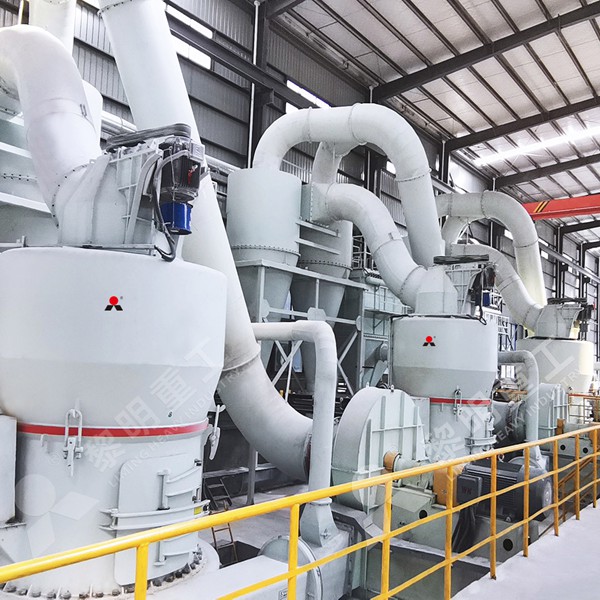
Key Selection Criteria for Ceramic Grinding Mills
Choosing the right calcium carbonate grinding mill involves evaluating several factors:
- Fineness Requirement: For ceramic body fillers, 200–325 mesh is common; for glazes, 800–1250 mesh or finer may be needed.
- Capacity: Match mill throughput to your production scale. MTW mills suit large-scale plants, while Raymond or MW mills fit medium to small operations.
- Moisture Content: All our mills can handle materials with humidity below 6%; for higher moisture, pre-drying may be necessary.
- Energy Efficiency: MTW and MW mills feature advanced drives and classifiers to reduce power consumption.
- Environmental Compliance: Built-in pulse dust collectors and closed-loop systems meet national emission standards.
Why Liming Heavy Industry?
Founded in 1987, Liming Heavy Industry Co., Ltd. is a modern joint-stock corporation integrating research, manufacturing, and sales. With headquarters in Zhengzhou's HI-TECH Zone covering 80,000 m² and an additional workshop in Shangjie Industry Park spanning 67,000 m², we have over 30 years of experience in crushing and grinding equipment. Our scientific management system, precision manufacturing, and continuous innovation have made us a leader in domestic and overseas machinery markets. We persist in implementing a strategy of scientific research and development, focusing on improving product competitiveness through technological breakthroughs and collaboration with production and research institutions. Our mature scientific team aims at the technological frontier of the industry, enhancing the overall innovation capability of the enterprise.
From Raymond mills to vertical roller mills, each product is designed with the user in mind—easy operation, low maintenance, and long service life. We also provide comprehensive after-sales support, including installation, commissioning, and training, ensuring your ceramic grinding line runs smoothly from day one.
Conclusion
Calcium carbonate grinding is a critical step in ceramic manufacturing, directly impacting product quality and production efficiency. Liming Heavy Industry's range of grinding mills—Raymond, MTW European Type Trapezium, MW Micro Powder, and Ball Mill—offers tailored solutions for every ceramic application, from body preparation to glaze production. By combining advanced technology, environmental responsibility, and decades of expertise, we help ceramic manufacturers achieve superior results with lower operating costs.
Frequently Asked Questions
1. What fineness of calcium carbonate is recommended for ceramic glazes?
For high-quality ceramic glazes, a fineness of 800 to 1250 mesh (d97 between 10-20 microns) is typically recommended. Our MW Micro Powder Mill can achieve up to 3250 mesh, ideal for demanding glaze formulations.
2. Can the same mill be used for both wet and dry grinding of calcium carbonate?
Our Ball Mill is versatile and can handle both wet and dry grinding processes. For dry grinding with ultra-fine requirements, the MW Micro Powder Mill or MTW Trapezium Mill are more suitable. Please consult our technical team for application-specific recommendations.
3. What is the typical power consumption for grinding calcium carbonate to 325 mesh?
Power consumption depends on the mill type, feed size, and desired fineness. Generally, our MTW European Type Trapezium Mill offers 15-30% lower energy consumption compared to traditional ball mills for similar throughput and fineness. Specific data can be provided based on your material characteristics.
4. How does the pulse dust collector in your mills benefit ceramic manufacturers?
The pulse dust collector effectively captures fine calcium carbonate particles, ensuring compliance with environmental regulations, reducing material loss, and maintaining a clean working environment. This is especially important in ceramic plants where dust control is critical for operator safety and product purity.
5. What maintenance is required for the grinding rolls and rings in the MTW Mill?
Regular inspection of roll and ring wear is recommended every 500-1000 operating hours, depending on feed hardness. Replacement intervals typically range from 6 to 18 months. Our design allows for easy access and quick replacement, minimizing downtime. We also provide spare parts and maintenance training.


