Published on: October 26, 2023
In the modern industrial landscape, the demand for high-purity, finely ground calcium carbonate is ever-growing, spanning applications from plastics and paints to pharmaceuticals and construction. However, traditional grinding processes often come with significant drawbacks, most notably high noise levels that pose occupational health risks and environmental challenges. The low noise calcium carbonate pulverizer, engineered by LIMING HEAVY INDUSTRY CO., LTD., represents a paradigm shift in mineral processing. By integrating advanced noise-dampening technologies with robust, energy-efficient milling mechanisms, this equipment achieves superior fineness and throughput while maintaining sound levels well below industry standards. This article provides a comprehensive technical overview of low noise pulverizers, exploring their working principles, key design features, application advantages, and the role of cutting-edge machinery such as LM vertical roller mills and MTW European type trapezium mills in achieving quiet, sustainable operations.
Understanding the Low Noise Pulverizer Technology
Noise pollution in grinding operations primarily originates from three sources: mechanical vibration of rotating components, high-velocity airflow turbulence, and material impact against grinding surfaces. A low noise calcium carbonate pulverizer addresses these through a combination of structural optimization, material selection, and process integration. LIMING's approach begins with the fundamental design of the mill itself. For example, the LM Vertical Roller Mill employs a unique milling device that minimizes direct metal-to-metal contact, relying instead on a bed of material to cushion the grinding rollers against the rotating table. This intrinsic design reduces impact noise significantly compared to traditional ball mills. Furthermore, the entire system is often enclosed in sound-absorbing panels lined with acoustic foam or mineral wool, and the use of variable frequency drives (VFDs) allows for precise speed control, reducing unnecessary mechanical strain and noise at lower throughputs.
The integration of a pulse dust collector, as seen in LIMING's MW Micro Powder Mill, further contributes to noise reduction. By maintaining a balanced negative pressure within the system, the collector reduces the velocity of the conveying air, thereby lowering turbulence-induced noise. Additionally, the use of high-precision bearings and dynamically balanced rotors in the separator and air blower ensures smooth operation, eliminating the characteristic whine and rumble of older models. For calcium carbonate processing, where particle size distribution is critical, the ability to operate at lower speeds without sacrificing efficiency is a direct benefit of this low-noise engineering.
Key Equipment and Their Noise-Reduction Features
LIMING HEAVY INDUSTRY's portfolio includes several machines specifically designed or adapted for low-noise calcium carbonate pulverization. Among them, the MTW European Type Trapezium Mill stands out as a superior upgrade to traditional Raymond mills. Its patented technology includes a bevel gear transmission system with splash lubrication, which runs quieter than conventional open-gear drives. The mill's interior is lined with wear-resistant materials that absorb impact sounds, and the classifier is designed to operate at reduced speeds while maintaining high separation efficiency. This is particularly advantageous for calcium carbonate, as it allows for the production of fine powders (down to 44 microns) with minimal acoustic footprint.
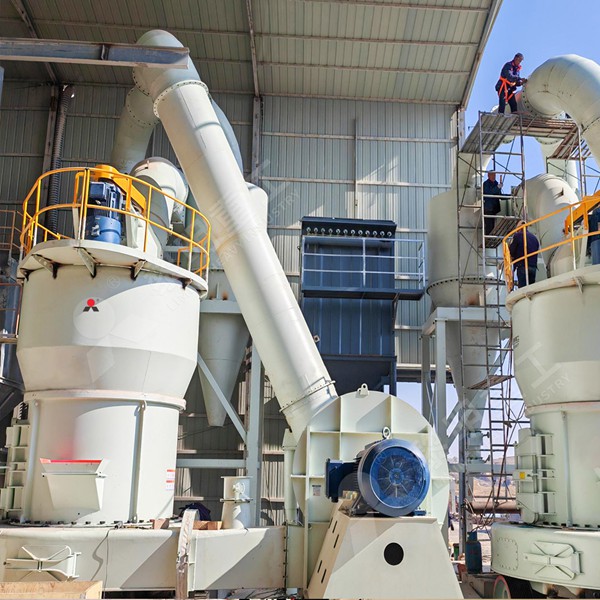
For larger-scale operations requiring capacities from 10 to 400 T/H, the LM Vertical Roller Mill is the preferred choice. Its noise-reduction strategy is multifaceted. The grinding table and rollers are designed with a large diameter, reducing the rotational speed required for grinding. The mill shell is constructed from thick steel plate, and the feeding system uses a variable-frequency belt feeder that ensures a steady, uniform material flow, eliminating the abrupt impacts that cause loud noises in batch-fed systems. The entire mill body is often mounted on vibration-isolation pads, decoupling it from the foundation and further reducing structure-borne noise. This makes the LM vertical mill ideal for urban or environmentally sensitive installations where noise regulations are stringent.
For special applications requiring ultra-fine powders with a fineness of up to 5 microns (d97), the MW Micro Powder Mill (medium speed micro-grinding mill) incorporates Swedish grinding technology to achieve a quiet operational profile. Its multiple roller system operates against a rigid ring, but the material bed acts as a cushion. The mill's closed-loop pneumatic system, coupled with a high-efficiency pulse precipitator, ensures that noise from air blowers is minimized. The hammer crusher used for pre-crushing is typically housed in a separate, soundproofed chamber, and the entire grinding circuit is controlled by a centralized electric cabinet that uses soft starters to reduce motor inrush noise.
Working Principle and Noise Dynamics
The working principle of a low noise calcium carbonate pulverizer is fundamentally similar to standard mills, but the execution is refined. Taking the MTW mill as an example, the process begins with the jaw crusher reducing large limestone or marble lumps to 30-50mm. This initial crushing stage is often the loudest, but LIMING addresses this by using a slow-speed, high-torque jaw crusher with rubber-lined feed hoppers to dampen sound. The crushed material is then fed into the mill via a variable-frequency belt feeder. Inside the mill, the material is ground between the ring and rollers. The key to low noise here is the 'plowing' action of the trapezium-shaped roller surfaces, which lift and throw material onto the grinding ring with less violent impact than the pendulum swing of older Raymond mills.
The air flow generated by the blower carries the ground particles upward to the separator. In a conventional mill, the high-speed rotation of the separator creates a loud whirring sound. LIMING's low noise design uses a lower-speed, high-efficiency separator with specially profiled blades that move air smoothly, reducing turbulence. Over-sized particles fall back for re-grinding, while the fine product passes through to the cyclone collector or pulse bag filter. The closed-loop air system means that most of the noise from the blower and piping is contained within the insulated mill housing and ductwork. A secondary noise reduction occurs in the pulse dust collector, where the compressed air cleaning jets are equipped with silencers, making the periodic cleaning cycle barely audible from outside the system.
Application Advantages and Industry Compliance
Adopting a low noise calcium carbonate pulverizer offers tangible benefits beyond regulatory compliance. For operators, reduced noise exposure directly improves workplace safety and comfort, lowering the risk of hearing loss and fatigue. LIMING's equipment, which complies with international occupational health standards, allows plants to operate in closer proximity to residential areas or within mixed-use industrial parks. In the calcium carbonate industry, where production often runs 24/7, this capability can be a decisive factor in obtaining permits and maintaining community relations.
Furthermore, the design features that minimize noise—such as precision balancing, vibration isolation, and optimized airflow—also contribute to higher mechanical reliability and lower maintenance costs. A machine that runs smoothly and quietly experiences less wear on bearings, gears, and grinding elements. This translates to longer intervals between overhauls and more consistent product quality. For applications like desulfurization in power plants or high-grade plastics manufacturing, where calcium carbonate fineness and purity are paramount, the sustainable operation of a low noise mill ensures that production targets are met without compromising environmental stewardship.
System Integration and Customization
LIMING HEAVY INDUSTRY offers complete solutions for calcium carbonate pulverizing, integrating low noise mills with auxiliary equipment such as jaw crushers, bucket elevators, silos, and automated control systems. The company's modern manufacturing facilities, covering over 147,000 m², are equipped to produce custom-engineered sound enclosures, dampened bases, and specialized ductwork for any configuration. For instance, a client processing heavy calcium carbonate for the paint industry might require a Ball Mill for batch consistency, but even this traditional machine can be retrofitted with LIMING's low noise liners (rubber or ceramic) and a sound-dampening housing to reduce operational decibel levels.
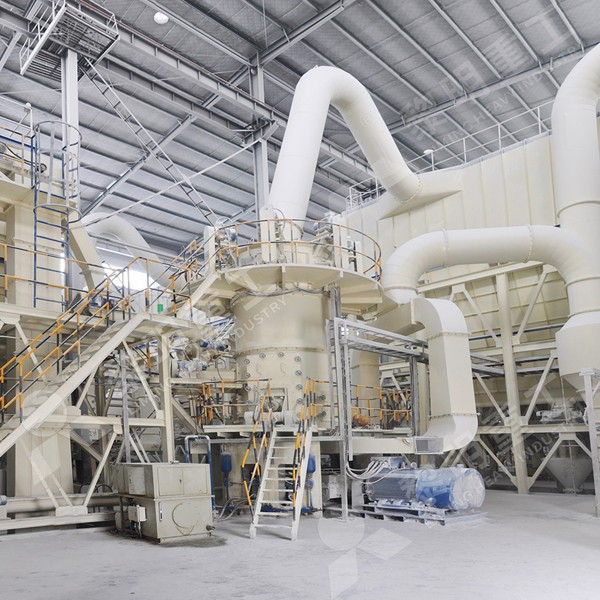
The intelligent control system, a hallmark of LIMING's modern equipment, also plays a role in noise management. By continuously monitoring vibration and load, the PLC (Programmable Logic Controller) can adjust feed rates and separator speeds to avoid resonance zones and reduce operational noise in real-time. This closed-loop feedback ensures that the pulverizer operates within its quietest envelope, even as material characteristics fluctuate. Over more than 30 years, LIMING has established itself as a leader in the domestic and overseas machinery manufacturing industry, and the low noise calcium carbonate pulverizer exemplifies its commitment to scientific research, technological innovation, and environmental responsibility.
Conclusion
The low noise calcium carbonate pulverizer from LIMING HEAVY INDUSTRY is not merely a machine; it is an integrated solution for modern, responsible manufacturing. By leveraging decades of expertise in crushers and grinding mills—from the high-capacity LM vertical roller mill to the superfine MW micro powder mill—LIMING delivers equipment that meets the dual demands of productivity and quiet operation. For any operation seeking to upgrade its calcium carbonate processing line while minimizing environmental impact and maximizing worker safety, exploring these low noise technologies provides a clear path forward, backed by a company with a proven track record of innovation and quality since 1987.
FAQ
1. What makes the LIMING low noise calcium carbonate pulverizer quieter than a standard ball mill?
The primary difference lies in the grinding mechanism. A low noise pulverizer, such as the LM vertical mill or MTW trapezium mill, uses a material bed grinding principle where rollers crush material against a table or ring, with the material itself acting as a cushion. This eliminates the loud impact noise of steel balls colliding with each other and the mill liner, which is the primary noise source in a ball mill. Additionally, these mills are engineered with vibration dampeners, sound-absorbing housings, and precise dynamic balancing.
2. Can a low noise pulverizer achieve the same fineness as traditional high-speed mills?
Yes, absolutely. In fact, low noise pulverizers from LIMING often provide more consistent and adjustable fineness. For example, the MTW European Type Trapezium Mill can produce fineness between 613μm and 44μm (30-325 mesh), while the MW Micro Powder Mill can achieve ultra-fine powders down to 5μm (d97). The lower operational speed does not compromise fineness because the technology focuses on high separation efficiency and controlled grinding pressure.
3. What are the typical capacity ranges for a low noise calcium carbonate pulverizer?
Capacities vary widely depending on the model and fineness requirements. For small to medium production, the Raymond Mill handles 1.2-4.5 T/H. For larger operations, the MTW mill ranges from 3-55 T/H. For massive industrial projects, the LM Vertical Roller Mill offers capacities from 10 T/H up to 400 T/H, all while maintaining reduced noise levels through advanced engineering.
4. Is special maintenance required for the noise-dampening components?
Maintenance is generally straightforward. The soundproof panels and enclosures should be inspected periodically for damage or gaps, as even small holes can significantly reduce their effectiveness. The vibration-isolation pads and mounts have a long service life but should be checked for wear or compression over time. The internal bearings and gears, which are part of the quiet-running design, should be lubricated according to the standard schedule. No specialized tools are needed beyond regular mill maintenance procedures.
5. Can a low noise pulverizer be used for materials other than calcium carbonate?
Absolutely. While optimized for calcium carbonate, these mills are highly versatile. They are commonly used for gypsum, limestone, coal, slag, and various non-metallic minerals with Mohs hardness under 7 and humidity below 6%. The low noise design is beneficial in any setting where noise pollution is a concern, such as power plants, chemical processing, and building materials manufacturing. LIMING's equipment can be configured for specific material handling and grinding requirements.


