Published on: October 26, 2023
Calcium carbonate ultrafine grinding machines represent the pinnacle of modern powder processing technology, enabling the production of ultra-fine and super-fine calcium carbonate powders with particle sizes down to d97 ≤ 5μm and fineness ranges adjustable from 325 mesh to 3250 mesh. These advanced milling systems, such as those manufactured by Liming Heavy Industry, integrate cutting-edge grinding mechanisms, efficient classification systems, and environmentally friendly dust collection to deliver high capacity throughput (from 0.5 to 400 T/H depending on the model) while maintaining exceptional energy efficiency and product consistency. Whether for heavy calcium carbonate (GCC) processing, power plant desulfurization, or non-metallic mineral powder making, selecting the right ultrafine grinding machine is critical for achieving desired particle size distribution, production scalability, and operational cost-effectiveness. This article provides a comprehensive technical overview of calcium carbonate ultrafine grinding technology, focusing on mill types, working principles, application scenarios, and key selection factors, drawing on over 30 years of engineering expertise from Liming Heavy Industry.
The global demand for ultrafine calcium carbonate powder continues to surge across industries such as plastics, rubber, paints, coatings, paper, pharmaceuticals, and construction materials. The particle size and specific surface area of calcium carbonate directly influence product performance—finer particles improve dispersion, reinforcement, and optical properties. Consequently, the ultrafine grinding machine has become an indispensable piece of equipment for mineral processing plants aiming to add value to raw limestone, marble, or chalk. Modern mills combine multiple unit operations—crushing, grinding, classifying, and conveying—into a single, compact, and automated system, dramatically reducing floor space, energy consumption, and maintenance requirements.
At the heart of any calcium carbonate ultrafine grinding line is the grinding mill itself. Several mill types are available, each suited to different feed sizes, capacity ranges, and fineness requirements. For large-scale production of heavy calcium carbonate, the MTW European Type Trapezium Mill stands out. This upgraded version of traditional Raymond and pendulum mills incorporates patented technologies that deliver high productivity, environmental protection, and energy savings. With a capacity ranging from 3 to 55 TPH and an input size of 30–50 mm, the MTW mill is ideal for limestone desulfurization and non-metallic mineral powder making. Its working principle involves a closed-loop system: big lump materials are first crushed by a jaw crusher to the required size, then fed evenly into the mill via a variable-frequency belt feeder. Materials are ground between the ring and rollers, and fine particles are carried upward by airflow. Oversized particles fall back for regrinding, while qualified powder is collected as finished product. The system is equipped with a pulse dust collector that ensures compliance with stringent environmental standards.
For superfine powder processing, the MW Micro Powder Mill (Medium Speed Micro-Grinding Mill) is specifically designed to achieve d97 ≤ 5μm with fineness adjustable between 325–3250 mesh. This mill absorbs advanced Swedish grinding technology and is ideal for calcium carbonate, gypsum, and non-metallic ore pulverizing. With a capacity range of 0.5 to 25 TPH and input size of 10–20 mm, the MW mill employs a unique roller-ring raceway design. The motor drives the main shaft and turnplates via a reducer, causing dozens of rollers to rotate against the raceway. Feed material is transported by elevator to a hopper, then fed evenly to the upper turnplate by a vibrating feeder. Under centrifugal force, the material falls to the raceway and is crushed into fine powder. The pulse precipitator further enhances environmental performance by capturing fine dust particles.
Another powerhouse for high-capacity grinding is the LM Vertical Roller Mill. This mill integrates drying, grinding, powder selection, and conveying into one unit, making it highly efficient for cement, electricity, metallurgy, chemical, and non-metallic mineral industries. With a capacity of 10 to 400 T/H and input size of 30–55 mm, the LM mill focuses on non-metallic minerals, coal, and slag. Its advanced automatic electric control system ensures precise operation and consistent product quality. For applications requiring moderate throughput and classic grinding technology, the Raymond Mill remains a reliable choice, with a capacity of 1.2 to 4.5 T/H and output fineness between 613 μm and 44 μm. It is suitable for calcium carbonate and gypsum processing, power plant desulfurization, and pulverized coal preparation, handling materials with Mohs hardness under 7 and humidity below 6%.
The Ball Mill, while more traditional, still plays a vital role in calcium carbonate grinding, particularly in beneficiation, construction, and chemical industries. With a capacity of 0.65 to 50 T/H and input size ≤25 mm, the ball mill rotates horizontally, using steel balls to impact and grind the material. Ladder and ripple liners ensure efficient grinding, while the discharging board controls product output. Although ball mills may not achieve the ultra-fine fineness of specialized micro powder mills, they are robust and versatile for many applications.
Selecting the right calcium carbonate ultrafine grinding machine requires careful evaluation of several factors: raw material characteristics (hardness, moisture, abrasiveness), target particle size distribution (e.g., median particle size d50, top cut d97), production capacity per hour, energy consumption, maintenance complexity, and environmental regulations. Liming Heavy Industry’s extensive product portfolio—backed by a modern joint-stock corporation with research, manufacturing, and sales capabilities over 80,000 m² in Zhengzhou’s HI-TECH Zone—offers tailored solutions. Over the past 30 years, the company has adhered to modern scientific management, precision manufacturing, and continuous innovation, establishing itself as a leader in both domestic and overseas machinery manufacturing.
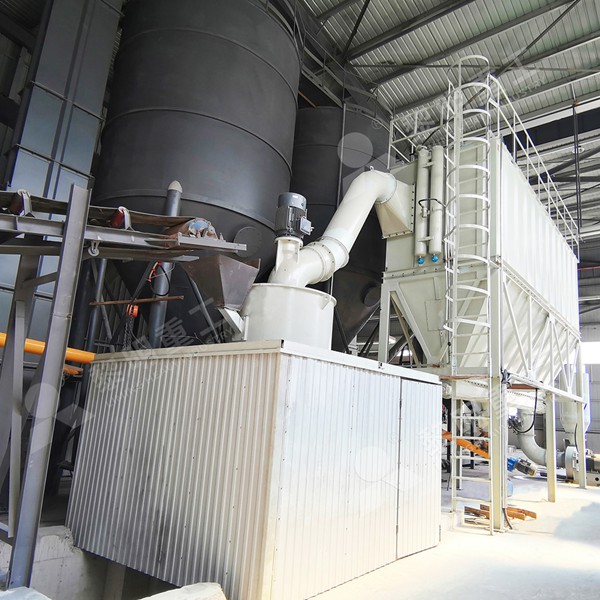
The complete grinding system typically includes not just the mill but also auxiliary equipment such as jaw crushers, vibrating feeders, hoppers, bucket elevators, air blowers, pipes, powder collectors, electric cabinets, and motors. Each component must be correctly sized and matched to ensure smooth operation. For example, in an MTW grinding line, the jaw crusher reduces large limestone lumps to 30–50 mm, the variable-frequency belt feeder ensures uniform feed, and the pulse dust collector guarantees an environmentally compliant process. Similarly, the MW Micro Powder Mill line uses a hammer crusher for initial size reduction, followed by elevator and vibrating feeder to the mill.
Maintenance and after-sales support are equally important. Liming Heavy Industry persists in implementing a scientific research and development strategy with a core focus on improving product competitiveness. By taking 'scientific research tackling key problems, technological progress and technological improvement' and 'production, learning and research' as main lines, the company leverages a mature scientific research team for continuous innovation, targeting the technological frontier of the industry and enhancing overall enterprise innovation capacity. This commitment translates into reliable equipment with long service life, reduced downtime, and comprehensive technical support for installation, commissioning, and troubleshooting.
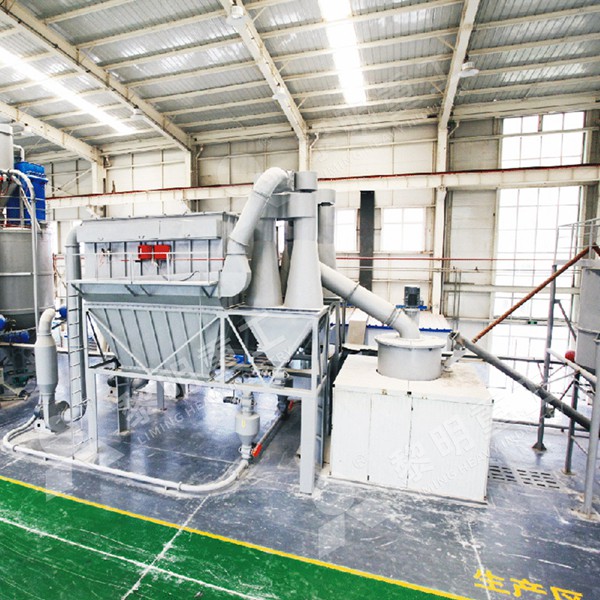
In conclusion, the selection of a calcium carbonate ultrafine grinding machine is a strategic decision that impacts product quality, operational efficiency, and environmental compliance. With options ranging from high-capacity vertical roller mills to superfine micro powder mills, and backed by decades of engineering excellence, Liming Heavy Industry provides robust, innovative solutions tailored to diverse industrial needs. By understanding the working principles, capacity ranges, and application specifics of each mill type, plant operators can optimize their grinding processes for maximum profitability and sustainability.
Frequently Asked Questions (FAQ)
- What particle size can a calcium carbonate ultrafine grinding machine achieve?
Depending on the mill type, the finest achievable particle size is d97 ≤ 5μm (equivalent to approximately 2500 mesh). For example, the MW Micro Powder Mill can adjust fineness between 325 mesh and 3250 mesh (d97 ≤ 5μm), while the Raymond Mill produces fineness between 613 μm and 44 μm (about 30–325 mesh). Always confirm the specific mill model for exact specifications. - Which mill is best for heavy calcium carbonate (GCC) processing with high throughput?
For large-scale GCC production (e.g., 10–400 T/H), the LM Vertical Roller Mill is highly recommended due to its integrated drying, grinding, and classifying capabilities. For medium-scale operations (3–55 T/H), the MTW European Type Trapezium Mill offers excellent productivity and energy efficiency. The choice depends on your required capacity and desired fineness. - How does the environmental performance of these ultrafine grinding machines meet regulations?
Modern mills like the MW Micro Powder Mill and MTW Trapezium Mill are equipped with pulse dust collectors or precipitators that capture fine dust particles, ensuring the exhaust air complies with national environmental protection standards. The grinding system operates in a closed loop, minimizing dust emission and noise pollution. - What are the main maintenance requirements for a calcium carbonate ultrafine grinder?
Regular maintenance includes inspecting and replacing grinding rollers, rings, and liners; lubricating bearings and rotating parts; checking the classifier and dust collector for blockages; and monitoring the condition of the variable-frequency feeder and electric control system. Liming Heavy Industry recommends following the factory maintenance schedule and utilizing their after-sales technical support for optimal longevity. - Can the same ultrafine grinding machine process other non-metallic minerals besides calcium carbonate?
Yes, these machines are designed to handle a variety of non-metallic minerals with Mohs hardness under 7 and humidity below 6% to 10%. Common applications include gypsum powder, barite, talc, kaolin, bentonite, and limestone desulfurization in power plants. However, feed size and moisture content may require adjustments to the crusher and drying system. Always consult the manufacturer for feedstock compatibility.


