In the agricultural sector, the quality and consistency of lime applied to soil directly impact crop yields and soil pH balance. Limestone roller mills have emerged as the cornerstone equipment for producing high-grade agricultural lime, offering precise particle size control, energy efficiency, and large-scale throughput. Our comprehensive range of grinding solutions—including LM Vertical Roller Mill, Raymond Mill, MTW European Type Trapezium Mill, MW Micro Powder Mill, and Ball Mill—enables farmers and lime producers to achieve optimal fineness (typically 100–325 mesh) while minimizing operational costs. This article provides an in-depth technical overview of how limestone roller mills function, their key advantages for agriculture lime production, and selection criteria based on capacity, input size, and material characteristics. With decades of engineering expertise, Liming Heavy Industry delivers robust, low-maintenance systems tailored to the unique demands of the agricultural lime market.
Why Limestone Roller Mills Are Essential for Agriculture Lime
Agricultural lime, derived from crushing and grinding limestone or dolomite, is used to neutralize soil acidity, improve nutrient availability, and enhance microbial activity. The effectiveness of lime depends largely on its particle size distribution—finer particles react faster with soil acids. Roller mills are ideal for this application because they can produce a uniform, fine powder with minimal oversize particles. Unlike hammer mills or impact crushers, roller mills use compression and shear forces between rotating rollers and a stationary grinding ring or table, ensuring consistent product fineness and lower wear rates. This translates to longer equipment life and reduced downtime for agricultural operations.
Our LM Vertical Roller Mill, for instance, integrates drying, grinding, and powder selection in one unit, making it suitable for processing limestone with moisture content up to 15%. The Raymond Mill, a classic choice for smaller-scale operations, offers a cost-effective solution for fineness between 44 and 613 microns. For producers requiring high capacity and ultra-fine powders, the MTW European Type Trapezium Mill combines patented technology with environmental protection features, while the MW Micro Powder Mill achieves superfine grind (d97 ≤ 5 μm) for specialized lime applications. Each mill is engineered for reliability and ease of maintenance, backed by our 30+ years of manufacturing experience.
Key Technical Specifications
When selecting a limestone roller mill for agricultural lime, three parameters are critical: capacity, input size, and output fineness. Below is a comparative overview of our core products:
- LM Vertical Roller Mill: Capacity 10–400 T/H; Input size 30–55 mm; Fineness adjustable; Ideal for large-scale plants.
- Raymond Mill: Capacity 1.2–4.5 T/H; Input size 15–25 mm; Output 44–613 μm; Suitable for small to medium operations.
- MTW European Type Trapezium Mill: Capacity 3–55 T/H; Input size 30–50 mm; Multiple patented features; Energy-saving.
- MW Micro Powder Mill: Capacity 0.5–25 T/H; Input size 10–20 mm; Superfine up to 3250 mesh; Greener production.
- Ball Mill: Capacity 0.65–50 T/H; Input size ≤25 mm; Versatile for ores and construction materials.
All mills are designed for non-flammable, non-explosive materials with Mohs hardness below 7 and humidity under 6%, which perfectly matches typical limestone characteristics.
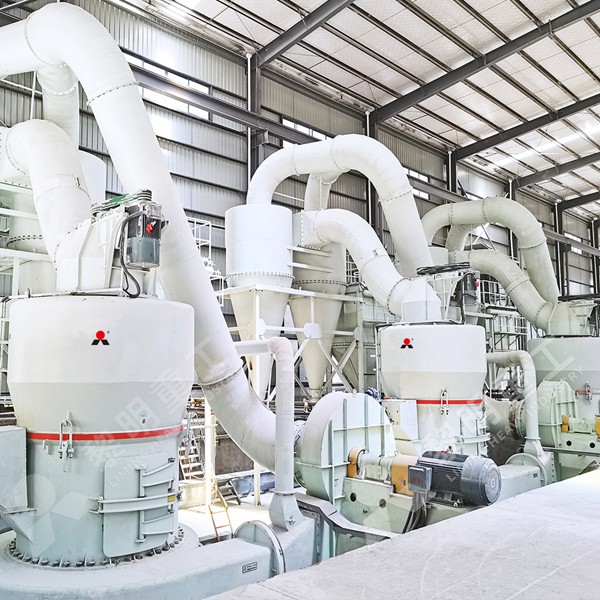
Working Principle of the MTW European Type Trapezium Mill
To illustrate how a modern roller mill operates for agriculture lime, we examine our MTW European Type Trapezium Mill. The system comprises a grinding mill, separator, air blower, jaw crusher, vibrating feeder, hopper, dust collector, pipe, powder collector, electric cabinet, and motors. The process begins with limestone boulders (up to 50 mm) being crushed to the required size by a jaw crusher. A variable-frequency belt feeder then delivers the material evenly into the mill chamber. Inside, grinding occurs between the trapezium-shaped ring and rollers, utilizing centrifugal force to press the material onto the ring surface. Ground particles rise with the airflow; a separator ensures that only particles meeting fineness specifications pass through as finished product, while coarser material falls back for re-grinding. Clean air is recycled through the closed-loop system, and a pulse dust collector captures any fugitive dust, complying with stringent environmental standards. This closed-circuit design makes the MTW mill particularly efficient for high-volume agricultural lime production.
Selection Guide for Agricultural Lime Producers
Choosing the right mill depends on your production goals:
- Large-scale operations (≥50 T/H): LM Vertical Roller Mill offers the highest throughput and lowest energy consumption per ton. Its automatic electric control system reduces labor costs.
- Medium-scale farms or cooperatives (3–55 T/H): MTW European Type Trapezium Mill balances capacity with fine particle control, making it a popular choice for custom lime blending.
- Small-scale or mobile applications (1.2–4.5 T/H): Raymond Mill provides simplicity and reliability, with easy maintenance and low initial investment.
- Ultra-fine lime for specialized use (e.g., suspension fertilizers): MW Micro Powder Mill achieves micron-level fineness (325–3250 mesh).
- Versatile plant grinding multiple materials: Ball Mill handles limestone as well as cement clinker, coal, and ores, offering flexibility.
All equipment is designed with safety interlocks and wear-resistant components. Our technical team can assist with site layout, dust collection integration, and after-sales service to ensure long-term performance.
Environmental and Economic Benefits
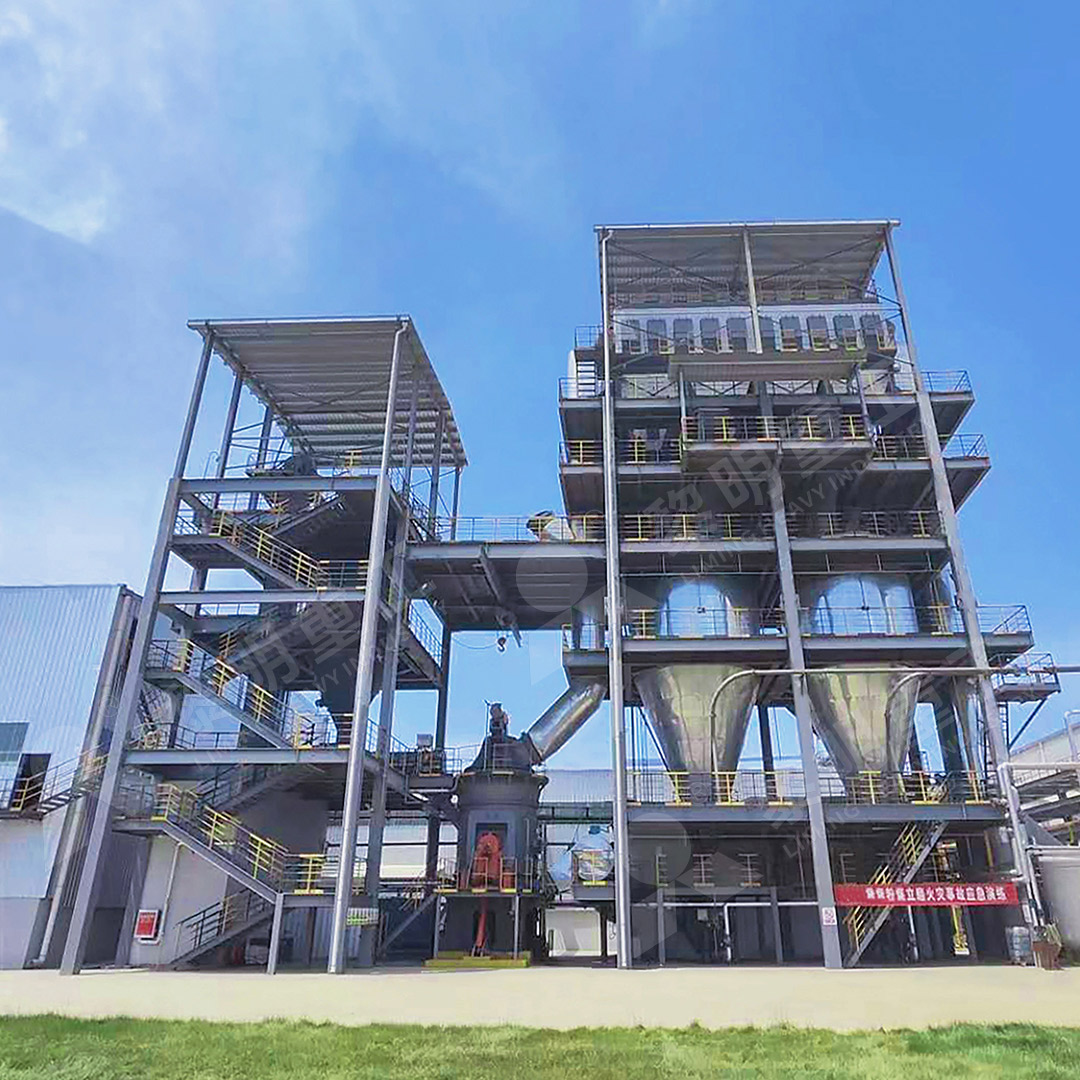
Modern limestone roller mills from Liming Heavy Industry incorporate several features that reduce environmental impact and operational costs. The closed-loop air circulation minimizes heat loss and dust emissions. Pulse dust collectors capture particulate matter at efficiencies above 99.9%, helping facilities meet local air quality regulations. Energy consumption per ton of product is typically 15–30% lower than traditional ball mills or hammer mills, thanks to optimized grinding mechanics and variable-frequency drives. Additionally, the ability to process limestone with higher moisture content (up to 15% in the LM vertical mill) reduces the need for pre-drying, saving fuel and water. For the farmer, consistent lime fineness means more uniform soil coverage, reducing the total quantity of lime needed per acre and improving cost-effectiveness.
Case Study: Successful Implementation
A mid-sized agricultural cooperative in the Midwest U.S. recently replaced their old hammer mill with an MTW European Type Trapezium Mill (model MTW175) equipped with a pulse dust collector. Processing 15 T/H of local limestone (Mohs hardness 3.5–4, moisture 8%), they achieved a product fineness of 80% passing 200 mesh. The closed-loop system reduced energy consumption by 22% compared to their previous setup, and dust emissions dropped to below 10 mg/Nm³, exceeding EPA standards. The cooperative now sells premium, custom-blended lime to over 200 member farms, increasing revenue by 18% in the first year. This success underscores the value of investing in advanced roller mill technology for agricultural lime production.
Maintenance and Support
All Liming Heavy Industry mills are built for durability. Key components such as rollers, rings, and liners are made from high-chromium alloy steel or ceramic composites, extending service life. Our global service network provides on-site training, spare parts availability, and remote diagnostics. Routine maintenance tasks—like lubrication, roller adjustment, and screen inspection—are straightforward due to the modular design. We recommend daily visual checks and weekly sample sieving to monitor product quality. With proper care, these mills can operate for decades with consistent output.
Frequently Asked Questions (FAQ)
- What is the ideal fineness for agricultural lime from a roller mill? Standard agricultural lime requires 90–100% passing 20 mesh (850 μm) and at least 50% passing 100 mesh (150 μm). Our roller mills can adjust fineness between 44 μm and 613 μm to meet local regulations.
- Can a limestone roller mill handle wet limestone? Yes. Our LM Vertical Roller Mill can process limestone with moisture up to 15% by integrating a drying function. For other mills, pre-drying or blending with dry material is recommended for moisture above 6%.
- How does the MTW mill’s closed system work? The system recirculates air and unground material, while a separator ensures only fine powder exits. This reduces dust and energy waste, making it ideal for environmentally sensitive areas.
- What maintenance is required for a Raymond Mill? Regularly inspect and replace grinding rollers and rings (every 1500–3000 hours depending on material abrasiveness). Lubricate bearings monthly, and check the separator blade clearance quarterly.
- Can one mill produce both fine lime powder and coarse lime grit? Yes. By adjusting the separator speed, sieve size, or grinding pressure, you can change the particle size distribution. However, for consistent large-scale production, dedicated mill settings are recommended.


