Published on: October 10, 2023
An energy saving limestone grinding plant is a comprehensive solution designed to process limestone into fine powders with minimized energy consumption and maximized operational efficiency. By integrating advanced milling technologies, automated control systems, and environmental protection features, such a plant significantly reduces power usage while maintaining high throughput and product quality. Key advantages include lower carbon footprint, reduced operating costs, and compliance with stringent environmental standards. Leading equipment options include vertical roller mills, Raymond mills, European type trapezium mills, micro powder grinding mills, and ball mills—each tailored to specific capacity, fineness, and application requirements. This article explores the core components, working principles, and benefits of building an energy efficient limestone grinding plant, drawing on industry expertise from a manufacturer with over three decades of experience in crushing and grinding machinery.
Introduction to Energy Saving Limestone Grinding
Limestone is one of the most abundant and versatile minerals on earth, used extensively in construction, agriculture, cement production, desulfurization, and industrial fillers. However, grinding limestone into fine powder is an energy intensive process that can account for a significant portion of a plant's total operating costs. In today's competitive market, reducing energy consumption without compromising productivity is a critical goal for plant operators.
An energy saving limestone grinding plant integrates state-of-the-art milling technology, intelligent control systems, and optimized workflow design to achieve substantial energy reductions. The plant typically includes primary crushing equipment, feeding systems, grinding mills, separators, dust collectors, and conveying lines—all working in a closed loop to maximize efficiency. Modern designs focus on minimizing mechanical friction, optimizing airflow, and recovering heat where possible. For example, vertical roller mills use a dynamic separator and hydraulic system to reduce power draw by up to 30-40% compared to traditional ball mills. Similarly, European type trapezium mills incorporate patented technologies that enhance grinding efficiency while lowering energy consumption per ton of product.
Another hallmark of an energy saving plant is its ability to handle varying feed sizes and moisture content without frequent system adjustments. Automatic variable frequency drives on feeders and fans allow real-time optimization based on load conditions. Additionally, pulse dust collectors ensure that the system operates within environmental regulations while recovering fine particles for recycling. Whether you are processing limestone for flue gas desulfurization, calcium carbonate powder, or construction aggregates, an energy saving design delivers long term economic and environmental benefits.
Core Equipment for Energy Efficient Limestone Grinding
1. LM Vertical Roller Mill
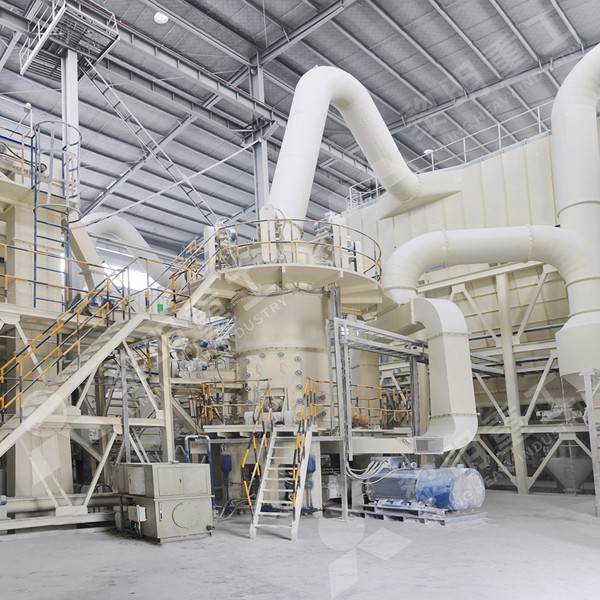
The LM Vertical Roller Mill is a flagship product designed for large scale limestone grinding with reduced energy consumption. This mill integrates drying, grinding, powder selection, and conveying in a single unit, simplifying the plant layout and reducing auxiliary equipment. It uses a grinding table and rollers with hydraulic pressure to crush and grind limestone, while a high efficiency dynamic separator ensures precise particle size distribution.
Key features include automatic electric control, low vibration, and a small footprint. The mill can handle feed sizes up to 55mm and capacities ranging from 10 to 400 T/H, making it ideal for cement, power plant desulfurization, and metallurgy applications. The energy saving advantage comes from the efficient grinding mechanism and reduced number of moving parts, leading to lower mechanical losses.
2. Raymond Mill
The Raymond mill remains a popular choice for small to medium scale limestone grinding due to its simplicity and reliability. It is suitable for processing non-flammable and non-explosive materials with Mohs hardness under 7 and humidity less than 6%. Output fineness ranges from 613μm to 44μm, meeting diverse customer requirements.
While traditional Raymond mills are not the most energy efficient, modern upgrades such as frequency controlled feeders and improved grinding roller designs have boosted efficiency. For energy saving limestone grinding plants, Raymond mills are often used for desulfurization or calcium carbonate preparation where throughput is moderate.
3. MTW European Type Trapezium Mill
The MTW European Type Trapezium Mill represents a major advancement from conventional Raymond and pendulum mills. It features patented technology including bevel gear transmission, curved air ducts, and a centralized lubrication system that reduce energy consumption by up to 20% compared to predecessors. The mill is designed for large scale non-metallic mineral powder making, including limestone desulfurization in power plants.
With a capacity range of 3-55 TPH and feed size up to 50mm, the MTW mill operates on the principle of material being ground between ring and rollers, then classified by a separator. The closed loop air system, combined with a pulse dust collector, ensures minimal energy waste and compliance with environmental standards.
4. MW Micro Powder Mill
For applications requiring ultra-fine limestone powder, such as in the production of paper filler or plastic masterbatch, the MW Micro Powder Mill is the ideal choice. This medium speed micro-grinding mill absorbs advanced Swedish technology and can achieve fineness up to d97 ≤ 5μm (325-3250 mesh). Despite its high precision, the mill is designed with energy saving features including a variable frequency drive and optimized grinding path.
The working principle involves dozens of rollers rotating against a raceway ring, with material being crushed and conveyed by airflow. The pulse precipitator ensures clean exhaust, making the production process greener and more efficient.
5. Ball Mill
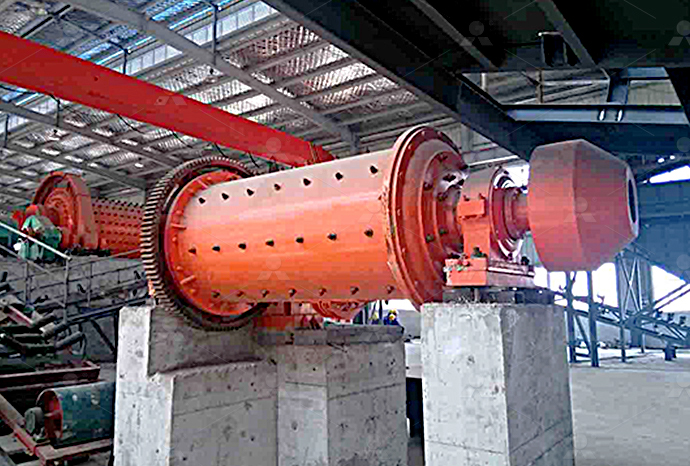
The ball mill is a classic grinding solution widely used in beneficiation, cement, and construction industries. While traditional ball mills are known for high energy consumption, modern versions incorporate energy saving technologies such as frequency controlled motors, high efficiency liners, and optimized steel ball gradation. For limestone grinding plants targeting medium to fine fineness, a ball mill can still be a viable option if coupled with a closed circuit classifier to reduce over-grinding.
Plant Design Considerations for Energy Saving
Designing an energy saving limestone grinding plant requires a holistic approach. Key considerations include:
- Pre-crushing optimization: Using a jaw crusher to reduce feed size before the mill reduces the energy required for grinding. The ideal feed size depends on the mill type—for instance, MTW mills handle 30-50mm input while ball mills prefer ≤25mm.
- Variable frequency drives (VFDs): Installing VFDs on fans, feeders, and conveyor motors allows precise control of speed and power draw based on real-time demand, significantly cutting energy usage.
- Closed circuit systems: A closed loop with a separator ensures that oversized particles are returned for regrinding, preventing energy waste from over-grinding and improving product uniformity.
- Dust collection and air recycling: Modern pulse dust collectors capture fine particles and return them to the product stream, while the air from the separator is recycled through the blower, reducing thermal and electrical energy loss.
- Automation and control: Centralized PLC systems monitor parameters such as mill load, temperature, and vibration, adjusting settings autonomously to maintain optimal performance without human intervention.
For example, in a typical limestone desulfurization application, the MTW European Type Trapezium Mill combined with a pulse dust collector and VFD-controlled fan can achieve energy savings of 15-30% compared to conventional setups, while producing powder of 200 mesh or finer.
Applications of Energy Saving Limestone Grinding Plant
Energy saving limestone grinding plants are deployed across multiple industries:
- Power plant desulfurization: Limestone powder is used in flue gas desulfurization (FGD) systems to remove sulfur dioxide. High efficiency mills like the MTW series are preferred for their stable operation and low energy consumption.
- Construction and building materials: Limestone powder is used as a filler in concrete, asphalt, and cement. The LM Vertical Roller Mill is often chosen for large scale production with minimal power usage.
- Calcium carbonate processing: Both heavy calcium carbonate (GCC) and light calcium carbonate (PCC) require precise grinding. Micro powder mills deliver ultra-fine particles for high-value applications.
- Non-metallic mineral powder making: From gypsum to talc, energy saving designs can be adapted to various minerals with similar grinding characteristics.
Conclusion
An energy saving limestone grinding plant is not just an environmental imperative but a sound business investment. By selecting the right milling equipment, implementing intelligent automation, and optimizing the entire process flow, operators can significantly lower energy costs while maintaining high output and product quality. With over 30 years of expertise in manufacturing grinding machinery, Liming Heavy Industry offers a comprehensive range of mills—from vertical roller mills to micro powder mills—that embody energy efficiency, reliability, and innovation. Whether you are upgrading an existing facility or building a new plant, focusing on energy saving technologies will deliver measurable returns in the long term.
FAQs
1. What is the typical energy saving percentage achievable in a limestone grinding plant?
Modern energy saving limestone grinding plants can reduce energy consumption by 15% to 40% compared to traditional designs, depending on the mill type, feed characteristics, and automation level. Vertical roller mills and European type trapezium mills often deliver the highest savings.
2. Which mill is best for producing ultra-fine limestone powder with low energy use?
The MW Micro Powder Mill is specifically designed for ultra-fine grinding (325-3250 mesh) with energy saving features such as variable frequency drives and optimized roller path. It is ideal for applications requiring high fineness with minimal power draw.
3. Can an existing limestone grinding plant be retrofitted to become more energy efficient?
Yes, many existing plants can be upgraded with variable frequency drives, high-efficiency separators, pulse dust collectors, and automatic control systems. Replacing an outdated mill with a modern energy saving model like the MTW series can also yield substantial energy reductions.
4. What role does automation play in reducing energy consumption in a limestone grinding plant?
Automation allows real-time monitoring and adjustment of feed rate, mill speed, fan speed, and separator settings to match actual load conditions. This prevents over-grinding, reduces idle time, and optimizes energy use across the entire system.
5. Are energy saving limestone grinding plants suitable for small scale operations?
Absolutely. Small to medium scale plants can benefit from Raymond mills or ball mills with energy saving upgrades such as frequency controlled feeders and closed circuit classifiers. Even modest investments in automation and efficient dust collection can lower operating costs significantly.


