Limestone micro powder grinding mill stands as the pinnacle of superfine powder processing technology, designed to transform raw limestone into ultra-fine particles with exceptional efficiency and environmental compliance. This advanced equipment, typified by the MW Micro Powder Mill from Liming Heavy Industry, integrates Swedish grinding innovation with robust engineering to achieve finished product fineness as fine as d97 ≤ 5μm (adjustable between 325 mesh and 3250 mesh). With capacity ranging from 0.5 to 25 tons per hour and an input size of 10-20 mm, it is ideally suited for applications in calcium carbonate processing, gypsum crushing, power plant desulfurization, non-metallic ore pulverization, and pulverized coal preparation. Equipped with a pulse dust collector, the mill ensures greener, environmentally friendly operation while delivering consistent, high-purity output. This article delves into the technical specifications, working principles, and practical advantages of limestone micro powder grinding mills, providing a professional yet accessible overview for industry professionals.
Technical Overview and Core Capabilities
Limestone, a sedimentary rock composed primarily of calcium carbonate, is a versatile raw material used in construction, agriculture, and industrial manufacturing. To unlock its full value, especially in applications requiring ultra-fine powder—such as PVC filler production, rubber reinforcement, or flue gas desulfurization—a specialized grinding solution is essential. The micro powder grinding mill addresses this need by combining medium-speed grinding with advanced classification technology. Unlike traditional Raymond mills or ball mills, which typically produce coarser particles (80-400 mesh), the micro powder mill excels at superfine grinding, delivering particles in the micrometer range. This capability is critical for industries that demand high brightness, high purity, and precise particle size distribution.
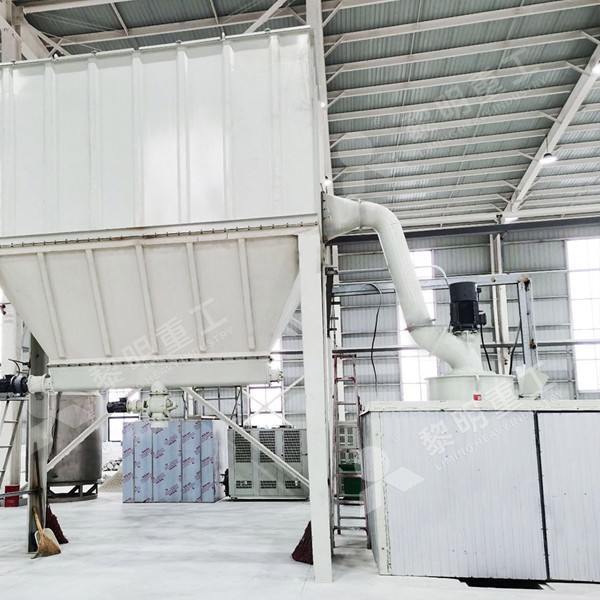
The key specifications of the MW Micro Powder Mill include: capacity 0.5-25 T/H, input size ≤10-20 mm, and fineness adjustable from 325 mesh (44 μm) to 3250 mesh (5 μm). The mill operates with a main motor power that varies by model, ensuring energy efficiency per ton of output. Its compact footprint and modular design allow for easy integration into existing production lines, whether in a small-scale calcium carbonate plant or a large power station desulfurization unit. The inclusion of a pulse jet dust collector not only meets stringent environmental regulations but also recovers fine powder for reuse, reducing waste and operational costs.
Working Principle and Mechanical Innovation
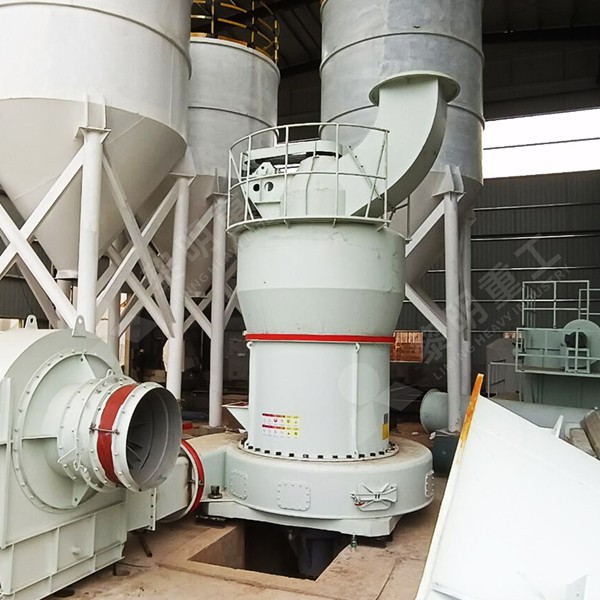
The limestone micro powder grinding mill operates on a principle that maximizes contact between material and grinding elements while minimizing energy loss. The motor drives the main shaft and turnplate through a reducer; the turnplate then rotates dozens of rollers, which are pressed against the grinding ring via pins. This design creates a shearing and crushing action as the rollers rotate along the raceway. Material is first crushed by a hammer crusher to the required input size (10-20 mm), then transported via bucket elevator to a hopper. A vibrating feeder delivers the material evenly to the center of the upper turnplate. Under centrifugal force, the material spreads outward and falls onto the raceway of the grinding ring, where it is crushed into powder between the rollers and the ring.
Airflow plays a crucial role in classification and collection. The blower draws air into the grinding chamber, carrying the fine powder upward to the built-in classifier. Particles that meet the desired fineness pass through the classifier and are collected in the cyclone powder collector or bag filter, while oversized particles fall back to the raceway for further grinding. The air is then recirculated through the system, creating a closed-loop that reduces dust emissions and energy consumption. The pulse dust collector ensures that even the finest particles are captured, making the process compliant with modern environmental standards. This integrated approach—combining crushing, grinding, classification, and dust collection in one streamlined system—significantly reduces the need for auxiliary equipment and simplifies plant layout.
Applications Across Industries
Limestone micro powder grinding mills are indispensable in several key sectors. In calcium carbonate processing, they produce ultra-fine powders used as fillers in plastics, paints, paper, and adhesives. The high whiteness and consistent fineness enhance product quality and reduce resin consumption. In power plant desulfurization, limestone powder of 250-325 mesh is injected into flue gas to remove sulfur dioxide; the micro powder mill’s ability to adjust fineness ensures optimal reactivity and efficiency, helping plants meet emissions targets. For gypsum processing, the mill can handle materials with moisture up to 6%, producing powders for plasterboard and cement retarders. In non-metallic ore pulverizing, it processes talc, barite, and kaolin, serving industries from ceramics to cosmetics. Finally, in pulverized coal preparation, the mill can be adapted for coal grinding, though care must be taken with explosive materials.
Operational Benefits and User Considerations
Operators choose the limestone micro powder grinding mill for its reliability, low maintenance, and energy efficiency. The use of high-chromium alloy rollers and rings extends wear life, reducing downtime for replacements. The variable-frequency belt feeder ensures consistent feed rates, preventing overloading and optimizing throughput. The closed-loop air system minimizes heat loss and dust escape, creating a safer working environment. However, successful operation depends on proper material preparation: feed size must not exceed 20 mm, and moisture should be kept below 6% to avoid clogging. Routine inspections of the classifier blades, roller tires, and seals are recommended to maintain peak performance. With proper care, the mill can deliver years of trouble-free service, making it a wise investment for limestone processors aiming to expand into superfine markets.
Frequently Asked Questions
1. What is the maximum feed size for the limestone micro powder grinding mill?
The recommended maximum feed size is 10-20 mm. Larger lumps must be pre-crushed using a hammer crusher or jaw crusher to prevent damage to the grinding rollers and ring and to ensure efficient throughput.
2. Can the mill handle materials with high moisture content?
The mill is designed for materials with moisture content less than 6%. Higher moisture can cause material to stick to the rollers and ring, reducing grinding efficiency and potentially leading to blockages. Pre-drying the feed or using a hot air system is advisable for damp limestone.
3. How does the fineness adjustment work?
Fineness is adjusted by changing the rotational speed of the built-in classifier or by replacing the classifier blades with different designs. The fineness can be set between 325 mesh (44 μm) and 3250 mesh (5 μm) to meet various application requirements.
4. Is the micro powder mill environmentally friendly?
Yes, the mill is equipped with a pulse jet dust collector that captures over 99% of airborne particles, ensuring compliance with most national environmental regulations. The closed-loop air circulation system also minimizes dust leakage and reduces energy consumption.
5. What industries commonly use limestone micro powder?
Key industries include plastics and rubber (as filler), paints and coatings (for brightness), power generation (for flue gas desulfurization), construction materials (cement and gypsum products), and agriculture (for soil pH adjustment and animal feed supplement).


