Ultra-fine kaolin, prized for its brightness, particle morphology, and chemical inertness, demands packaging solutions that preserve its micronized integrity from mill to end-user. For kaolin processors targeting 325–3250 mesh fineness (d97 as low as 5 μm), packaging must mitigate moisture ingress, prevent agglomeration, and ensure dust-free handling. LIMING HEAVY INDUSTRY CO., LTD. — a leader in grinding equipment since 1987 — addresses these challenges by integrating its pulverizing systems with recommended packaging strategies that maintain product quality downstream. This article explores best practices for ultra-fine kaolin packaging, drawing on our equipment capabilities and decades of field experience.
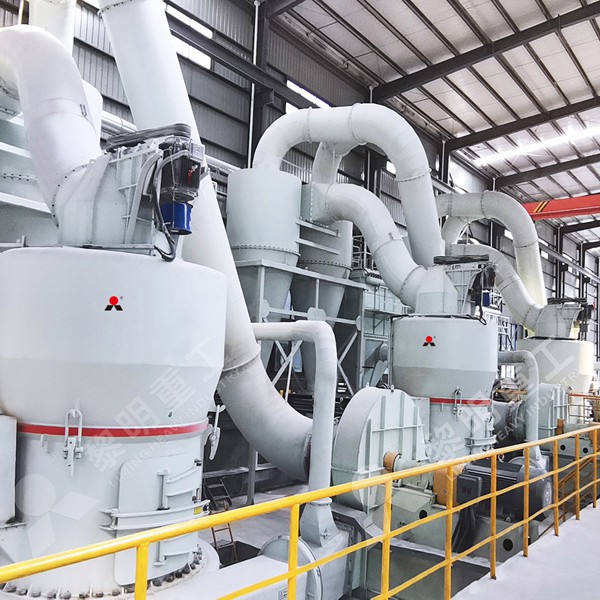
The Critical Role of Packaging in Ultra-Fine Kaolin Value Chain
Ultra-fine kaolin — typically classified as powder with median particle size below 10 μm — is highly hygroscopic due to its large specific surface area. Improper packaging can lead to moisture absorption, resulting in lump formation, reduced brightness, and compromised rheological properties in applications like paper coating, ceramics, paints, and plastics. According to industry standards, the ideal packaging for such products must offer: (1) effective moisture barrier — usually through multi-layer kraft paper with polyethylene lining or woven polypropylene bags with inner film; (2) mechanical strength to withstand stacking during transport; (3) resealability or one-way degassing valves for bulk bags; and (4) clear labeling to indicate fineness grade and lot number. LIMING’s grinding systems, including the MW Micro Powder Mill and LM Vertical Roller Mill, produce kaolin that meets these stringent specifications, making compatible packaging an essential complement to the production process.
How LIMING Grinding Equipment Supports Optimal Packaging Outcomes
The quality of ultra-fine kaolin packaging begins at the grinding stage. Particles that are uniform in size and free of oversize fragments flow better into bags, reducing air entrapment and improving fill weight accuracy. Our equipment portfolio is designed to achieve this consistency:
- MW Micro Powder Mill — With fineness adjustable from 325 to 3250 mesh (d97 ≤ 5 μm), it incorporates a pulse dust collector that minimizes airborne fines during discharge, ensuring that the product exiting the mill is already in a condition ready for packaging without excessive dust generation.
- LM Vertical Roller Mill — Capable of drying, grinding, and classifying in one closed circuit (capacity 10–400 T/H), it produces a consistent particle size distribution that reduces segregation during packaging. The integrated separator ensures that only particles meeting the target fineness enter the collection system, preventing oversized particles that could cause bag clogging.
- MTW European Type Trapezium Mill — As an upgrade to traditional Raymond mills, its stable performance and high productivity (3–55 TPH) mean less downtime for packaging line adjustments. The closed pneumatic system with pulse dust collector maintains a clean working environment, which is critical when handling ultra-fine powders that can become airborne.
- Raymond Mill and Ball Mill — For coarser grades or as pre-grinding stages, these machines also deliver reliable output that feeds seamlessly into downstream packaging lines.
Each mill is designed with a variable-frequency belt feeder that precisely controls material feed rate, ensuring that the packaging line receives a steady, consistent flow — a key factor in preventing overfilling or underfilling of bags.
Packaging Formats Recommended for Ultra-Fine Kaolin
Based on our clients’ feedback and industry norms, we recommend the following packaging formats for ultra-fine kaolin produced by LIMING equipment:
- 25 kg Valve-Type Paper Bags with Inner PE Liner — Ideal for small-lot distribution to ceramics and paint manufacturers. The valve prevents dust escape during filling, and the PE liner acts as a moisture barrier (water vapor transmission rate < 0.5 g/m²/24h).
- 1,000 kg (1 ton) FIBC Bulk Bags with Inner Coating — Suitable for large-scale users such as paper mills. The inner coating (often polyethylene or polypropylene) prevents moisture absorption during storage in humid environments. Lifting loops must be reinforced to handle weights up to 1.5 tons.
- Super Sack with Internal Baffles and One-Way Valve — For ultra-fine grades below 10 μm, the internal baffles reduce sloshing and maintain bag shape, while the one-way valve allows trapped air to escape without letting moisture in.
- Palletized and Shrink-Wrapped Units — After bagging, palletizing with stretch wrap or shrink film provides an additional moisture barrier and stabilizes loads for container shipping.
LIMING does not manufacture packaging materials directly, but we collaborate with certified packaging suppliers to ensure that the bags and bulk containers meet the physical and barrier properties required for ultra-fine minerals.
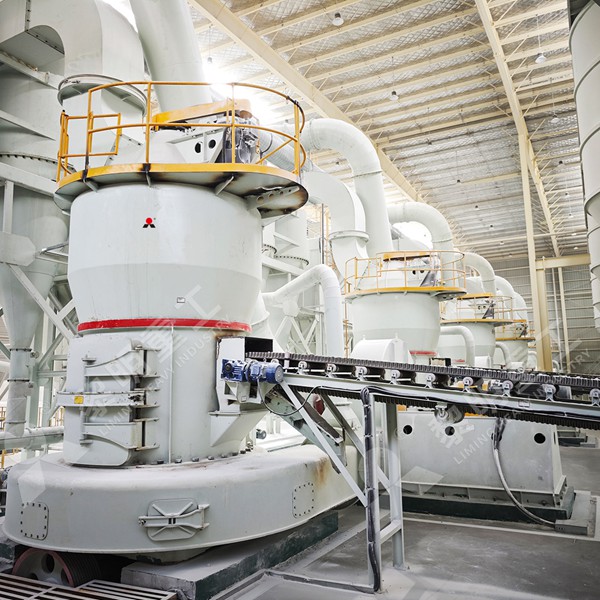
Automated Packaging Integration with LIMING Systems
Modern kaolin processing plants increasingly integrate packaging directly into the milling circuit to minimize product handling. Our engineering team can design solutions where the mill discharge feeds directly into a pneumatic conveying system that delivers powder to automated filling stations. Key integration points include:
- Transfer from Mill to Packing Machine — Screw conveyors or air slides with rotary airlocks maintain product fluidization, preventing blockages common with ultra-fine powders. The conveying velocity is carefully calibrated to avoid particle attrition.
- Level Sensors and Load Cells — These are installed in intermediate silos to regulate the feed rate from the mill (e.g., LM Vertical Mill) to the bagging line, ensuring continuous operation without starving or flooding the packaging machine.
- Dust Collection at Filling Points — Each fill spout is equipped with a local dust hood connected to the mill’s pulse dust collector, complying with environmental standards (PM emission < 10 mg/Nm³).
- Automatic Bag Placer and Sealer — For high‑volume plants (over 20 TPH), automatic systems place, fill, weigh, and seal bags at rates up to 12 bags/min for 25 kg units. The integrated checkweigher ensures accuracy within ±0.1 kg.
These integrations reduce labor costs and human error, while maintaining the product’s physical properties from mill to sealed bag.
Quality Control in Packaging for Long‑Distance Export
For clients exporting ultra-fine kaolin to regions with high humidity (e.g., Southeast Asia, coastal Africa), packaging quality control is paramount. LIMING recommends the following tests before shipment:
- Water Vapor Transmission Rate (WVTR) — Lined bags should have WVTR below 1 g/m²/24h at 38°C and 90% RH.
- Seal Strength — Inner PE liners must withstand at least 20 N/50 mm peel force.
- Drop Test — Filled bags (25 kg) should survive drops from 1.2 m without rupture.
- Dust Emission Test — During simulated handling, airborne dust should be less than 1 mg/m³.
Our engineering team provides detailed packaging specifications to clients based on the grinding equipment model and the target fineness. For example, kaolin ground to d97 = 5 μm using the MW Micro Powder Mill is more prone to dusting, so we recommend valve-type bags with dust-proof gaskets.
Environmental and Cost Considerations
Packaging decisions also affect environmental footprint and total cost. Reusable FIBC bags, though higher in initial cost, reduce waste for large-scale users. LIMING’s equipment supports lightweight packaging by producing consistent particle shapes that pack densely (tap density up to 0.8 g/cm³ for kaolin), reducing the bag volume required per ton. Furthermore, the pulse dust collectors on our mills capture fine particles that would otherwise be lost, improving yield and reducing the need for additional packaging of recovered material.
By combining advanced grinding technology with tailored packaging advice, LIMING helps kaolin processors deliver their product in optimal condition—whether for domestic customers or overseas markets. As we often tell our clients: the mill determines the quality of the powder, but the packaging determines whether that quality arrives at the customer.
Frequently Asked Questions (FAQ)
- Q: What is the best packaging for ultra-fine kaolin with d97 below 5 μm?
A: For such fine grades, we recommend 25 kg valve-type paper bags with a PE inner liner and a one-way degassing valve, or FIBC bulk bags with inner coating and top spout for dust-controlled filling. The valve design prevents powder leakage during filling and transport. - Q: Can LIMING integrate its mills with an existing packaging line?
A: Yes. Our engineering team can retrofit conveyors, level sensors, and dust collection connections to match your existing filling system. We provide PLC integration for seamless control between mill discharge and packaging. - Q: How does moisture affect ultra-fine kaolin quality during packaging?
A: Even 1% moisture absorption can cause agglomeration, reduce brightness by 2–3 points, and alter rheology in ceramic slips. Our MW Micro Powder Mill includes a drying capability in the air classifier, and we recommend using desiccant sachets in bags for high-humidity shipments. - Q: What bag sizes are commonly used for kaolin ground by LIMING equipment?
A: Standard sizes are 25 kg (paper/PP), 50 kg (woven PP with liner), and 1,000–1,500 kg FIBC bulk bags. The choice depends on the client’s downstream handling equipment and logistics. - Q: Is it necessary to use nitrogen flushing in kaolin packaging?
A: Nitrogen flushing is rarely required unless the kaolin is functionalized with organic surface treatments. For standard calcined or hydrous kaolin, moisture barrier bags with dehumidification during storage (ambient RH < 40%) are sufficient. Our equipment’s integrated pulse dust collector also removes moisture from the conveying air, further protecting the product.


