Published: October 26, 2023
Changing the filter on a Kaolin Raymond mill is a critical maintenance task that directly impacts milling efficiency, product quality, and equipment longevity. This guide, based on technical expertise from Liming Heavy Industry, provides a step-by-step procedure, highlights common pitfalls, and explains the underlying reasons for timely filter replacement. Whether you operate a standard Raymond mill or an upgraded MTW European Type Trapezium Mill, understanding the filter change process ensures your kaolin grinding operation runs smoothly, with consistent fineness and reduced downtime. The filter, typically part of the pulse dust collector system, prevents fine kaolin particles from escaping into the atmosphere while maintaining proper airflow. Neglecting this task can lead to clogged ducts, increased energy consumption, and premature wear on the air blower and separator.
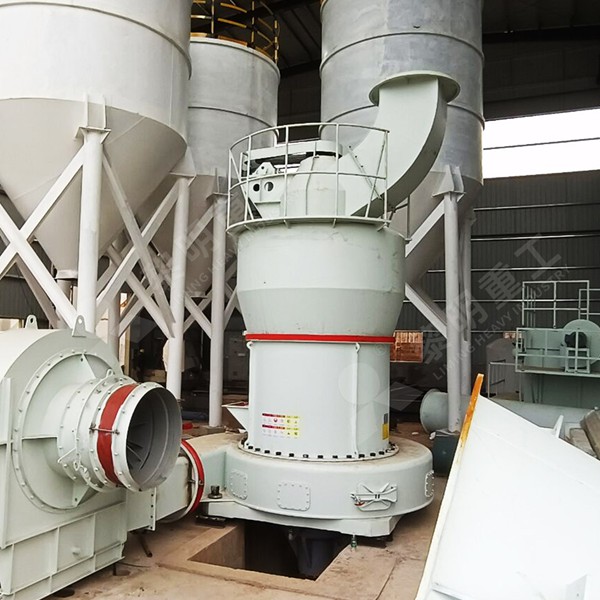
Why Filter Change Matters for Kaolin Grinding
Kaolin, a soft clay mineral with Mohs hardness around 2-3, is widely processed using Raymond mills from Liming Heavy Industry. The mill typically operates with a capacity of 1.2-4.5 T/H and an input size of 15-25 mm, suitable for producing fineness between 613 μm and 44 μm. During grinding, fine kaolin dust is carried by the airflow through the separator. The filter—usually bag filters or cartridge filters in the pulse dust collector—captures these particles. Over time, filter pores become blocked by ultra-fine kaolin (less than 10 μm), reducing suction efficiency. A clogged filter forces the air blower to work harder, increasing power draw by 15-30% and risking motor overheating. Moreover, incomplete dust capture can lead to product loss and environmental non-compliance. Regular filter changes, aligned with national environmental protection standards, ensure that the closed-loop system remains efficient and the kaolin powder quality meets required specifications.
Identifying When to Change the Filter
Before diving into the procedure, operators must recognize the signs of a failing filter. Key indicators include: a noticeable drop in mill output (e.g., from 2.5 T/H to 1.8 T/H); increased differential pressure across the dust collector (typically above 1500 Pa for a standard Raymond mill); visible dust escaping from the exhaust stack; or unusual noises from the air blower due to backpressure. For kaolin, which is non-flammable and non-explosive with less than 6% moisture, filter degradation can accelerate if the input material contains fines from pre-crushing. Liming Heavy Industry recommends inspecting filters every 200 operating hours for heavy-duty kaolin grinding, with a full change every 800-1200 hours depending on the mill's duty cycle. Always refer to the specific Raymond mill model manual, as variations exist between the standard Raymond Mill and the MTW European Type Trapezium Mill.
Step-by-Step Filter Change Procedure
1. Preparation and Safety
Ensure the mill is fully shut down and locked out. Disconnect power to the main motor, air blower, and pulse jet controller. Wear appropriate personal protective equipment (PPE): dust mask (N95 or higher), safety glasses, gloves, and hearing protection. For kaolin dust, a respirator with P100 filters is advisable. Prepare replacement filters that match the original specifications—typically polyester or PTFE-coated felt bags with a permeability rating of 15-20 m³/m²/min for Raymond mill dust collectors. Also have tools: socket wrench set, screwdrivers, compressed air line, and a vacuum cleaner rated for fine dust.
2. Accessing the Dust Collector
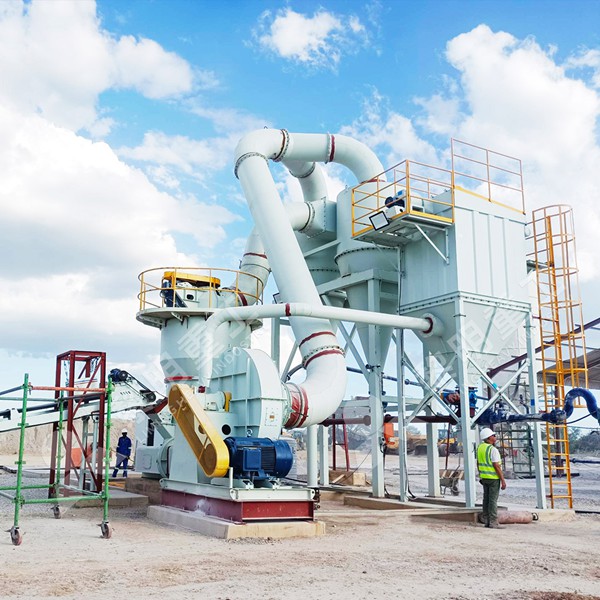
The dust collector on Liming Heavy Industry Raymond mills is usually situated above the mill or adjacent to it. Open the access doors or remove the top cover. For the MTW European Type Trapezium Mill, the collector is integrated with the pulse jet cleaning system. Carefully disconnect the compressed air lines to the pulse valves if present. Use the vacuum to clean loose dust from the collector housing before removing the old filters to prevent contamination.
3. Removing Old Filters
Loosen the retaining clips or bolted flanges holding each filter element. For bag filters, gently slide the cage out along with the bag. For cartridge filters, rotate and pull downward. Place used filters directly into sealed plastic bags to avoid re-dispersing kaolin dust. Inspect the seals (gaskets) at the tube sheet; replace any that are cracked or compressed. Count the total number of filters—typically 12-24 for a Raymond mill processing kaolin at 1.2-4.5 T/H.
4. Cleaning the Housing and Installing New Filters
Thoroughly vacuum the interior of the dust collector, paying attention to the hopper bottom where kaolin fines accumulate. Use compressed air to blow out any stubborn deposits from the filter mounting holes. Install new filters one by one, ensuring they seat squarely against the gasket. For bag filters, insert the cage first, then slide the bag over it and secure the clip. For cartridge filters, push them up until they seal firmly. Check that no gaps exist—a 1 mm gap can cause up to 5% dust leakage. Reconnect compressed air lines and ensure pulse jets are aligned properly. Close all access doors and tighten fasteners to the torque specified in the manual (typically 20-30 Nm for bolted flanges).
5. Post-Installation Checks and Startup
Before resuming operation, verify that the differential pressure gauge reads near zero (within ±50 Pa). Restore power and start the air blower first, running it for 5 minutes to confirm airflow. Then start the Raymond mill under no-load conditions. Gradually introduce kaolin feed, monitoring the ammeter on the main motor. A properly functioning filter should show stable current (e.g., 80-90 A for a 30 kW motor). After 30 minutes of steady operation, check for visible dust emissions. If the pulse jet cleaning cycles (typically every 10-15 seconds) are activating normally, the installation is successful. Record the change date and operating hours in the maintenance log.
Common Mistakes and How to Avoid Them
One frequent error is using filters with incorrect fiber composition. For kaolin, which can be mildly abrasive, standard polyester bags may wear prematurely. Liming Heavy Industry recommends PTFE-laminated bags for extended life. Another mistake is overtightening filter clips, which distorts the bag shape and reduces effective filtration area. Additionally, skipping the step of cleaning the housing often leads to rapid re-clogging of new filters—kaolin fines embedded in corners can dislodge and block pores within days. Finally, failing to calibrate the pulse jet pressure to 5-7 bar (as recommended for Raymond mills) can result in incomplete cleaning and shortened filter lifespan.
Optimizing Filter Change Intervals for Kaolin
To maximize uptime, implement a predictive maintenance approach. Monitor the differential pressure trend daily—a steady increase of 10-20 Pa per shift indicates gradual clogging. If the rate accelerates to 50 Pa per shift, schedule a filter change within 24 hours. Also, track the ash content in the finished kaolin powder using a 45 μm sieve. An increase above 0.1% ash suggests filter bypass. For high-throughput applications, consider upgrading to the MTW European Type Trapezium Mill which features a more robust dust collection system with automatic pulse jet cleaning that reduces filter change frequency by up to 40% compared to standard Raymond mills. Liming Heavy Industry's technical team can provide data sheets specific to your kaolin characteristics (e.g., moisture content, particle size distribution) to fine-tune filter change schedules.
Conclusion
Filter change on a Kaolin Raymond mill is a straightforward yet critical procedure that ensures consistent product quality, energy efficiency, and environmental compliance. By following the systematic approach outlined here—preparation, removal, cleaning, installation, and verification—operators can minimize downtime and extend equipment life. Liming Heavy Industry's Raymond mills, including the advanced MTW series, are designed for easy maintenance, but proper training and adherence to guidelines are essential. For mills processing over 2 T/H of kaolin, integrating a filter change into the weekly maintenance checklist will pay dividends in reliability.
Frequently Asked Questions (FAQ)
- How often should I change the filter on a Raymond mill grinding kaolin? Under normal operating conditions (8-10 hours/day, kaolin moisture below 6%), change the filter every 800-1200 operating hours. If the mill runs continuously or the kaolin has a high content of ultrafine particles (<10 μm), reduce the interval to 500-600 hours.
- Can I clean and reuse the old filter bags instead of replacing them? While pulse jet cleaning can extend filter life temporarily, kaolin fines often embed deeply in the filter media, making full restoration impossible. Reused bags typically achieve only 60-70% of original efficiency, leading to product loss. Liming Heavy Industry recommends replacement rather than reuse for optimal performance.
- What happens if I run the Raymond mill with a clogged filter? A clogged filter increases backpressure, forcing the air blower to work harder—this can motor overload within 30-60 minutes. Additionally, it reduces the mill's suction, causing fine kaolin to recirculate in the grinding chamber, which decreases throughput by up to 40% and produces a coarser final product.
- Does the filter type differ for kaolin compared to other materials like calcium carbonate? Yes, kaolin's layered structure and slight plasticity can cause more rapid clogging than harder materials. For kaolin, use filters with a smoother surface finish (e.g., PTFE membrane) to reduce particle adhesion. Standard polyester bags are better suited for calcium carbonate or gypsum.
- Where can I find replacement filters for my Liming Heavy Industry Raymond mill? Replacement filters are available directly from Liming Heavy Industry Co., Ltd. Provide your mill model number (e.g., 4R3216 or 5R4119) and the dimensions of the existing filter (diameter and length). Our technical support team can also advise on upgraded filter media to improve kaolin processing efficiency.


