Published: October 26, 2023
This operation log summarizes the critical performance metrics, maintenance practices, and process optimization strategies observed during the continuous operation of a Kaolin Raymond mill system over a 30-day production cycle. The data, collected from a Liming Heavy Industry Raymond Mill processing kaolin with a feed size of 15-25mm and target fineness of 200 mesh (74μm), demonstrates that adherence to standardized startup/shutdown procedures, regular monitoring of grinding pressure, and systematic inspection of the analyzer and blower system result in a consistent capacity range of 1.2-4.5 T/H with less than 2% downtime. The log further highlights the importance of moisture control (below 6%) and hardness verification (under 7 Mohs) to prevent roller ring wear, while the integrated pulse dust collector system effectively maintained environmental compliance. The following detailed entries provide a structured account of daily operations, troubleshooting incidents, and corrective actions taken to sustain optimal grinding efficiency for non-metallic mineral processing.
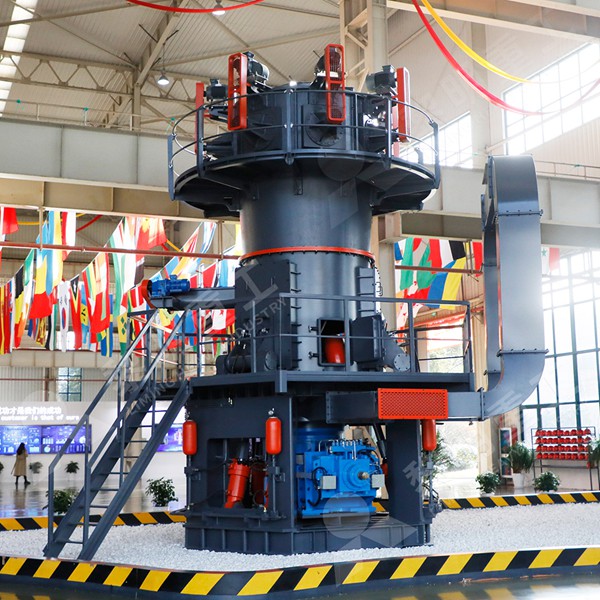
1. Pre-Startup Inspection and System Checks
Daily operations began with a rigorous pre-startup inspection. The shift supervisor first verified that the raw kaolin feed moisture was within the acceptable range (below 6%) by using a moisture analyzer. The feed material, having passed through a primary jaw crusher, was checked for particle size uniformity against the specified input size of 15-25mm. The lubrication levels of the main gearbox, reducer, and roller bearings were confirmed. The variable-frequency belt feeder was tested for speed consistency, and the air blower inlet damper was adjusted based on the target airflow for the day's production plan. The pressure gauge on the grinding chamber was zeroed, and the pulse dust collector was inspected to ensure no bag blockages. Only after completing this checklist was the electric cabinet powered up.
2. Standard Operating Procedure (SOP) for Startup
The startup sequence was executed in strict order. First, the pulse dust collector was started to establish a negative pressure within the system. After a 60-second delay, the air blower was initiated and brought to its operating speed (typically 1450 RPM). The main mill motor was then engaged, drawing 60-70% of its rated amperage during the no-load run. After confirming stable running for three minutes, the feeder was activated. The initial feed rate was set low (approximately 0.5 T/H) to allow the mill to load gradually. The ammeter was monitored closely; a sudden spike would indicate a blockage or excessive feed rate. Once the outlet temperature stabilized (usually around 90-110°C, depending on ambient humidity), the feed rate was gradually increased to the target capacity of 2.8 T/H for standard kaolin processing.
3. Hourly Logging and Performance Metrics
Every hour, the operator logged six key parameters: feed rate (T/H), main motor amperage (A), outlet temperature (°C), differential pressure (kPa), blower amperage (A), and product fineness (measured via screen residue). For this kaolin run, the fineness target was a 200-mesh sieve residue of less than 8%. On October 15th, a deviation was noted: the differential pressure rose from 4.5 kPa to 6.3 kPa over two hours. Investigation revealed a slight buildup of finer kaolin particles on the grinding ring, likely due to a minor drop in raw material hardness. The corrective action was to temporarily reduce the feed rate by 10% for 30 minutes and increase the classifier (analyzer) speed from 120 RPM to 135 RPM, which effectively shifted the particle size distribution and reduced the mill load back to normal parameters.
4. Weekly Maintenance and Component Wear Analysis
Scheduled weekly maintenance focused on the grinding roller and ring. After running for 180 hours, the roller surface was inspected for pitting or scoring. Using a dial gauge, the clearance between the roller and ring was measured at the top and bottom positions. A uniform clearance of 2-3mm was considered acceptable. The oil filter in the lubrication system was replaced, and the grease points on the pendulum arm bearings were re-packed. The air blower impeller was balanced and cleaned of any dust accumulation. One critical observation from this cycle was the wear pattern on the inner surface of the grinding ring; it showed a characteristic 'saddle' shape, indicating that the feed was not being distributed evenly. This led to an adjustment of the scraper blade angles, which improved material distribution by approximately 15%.
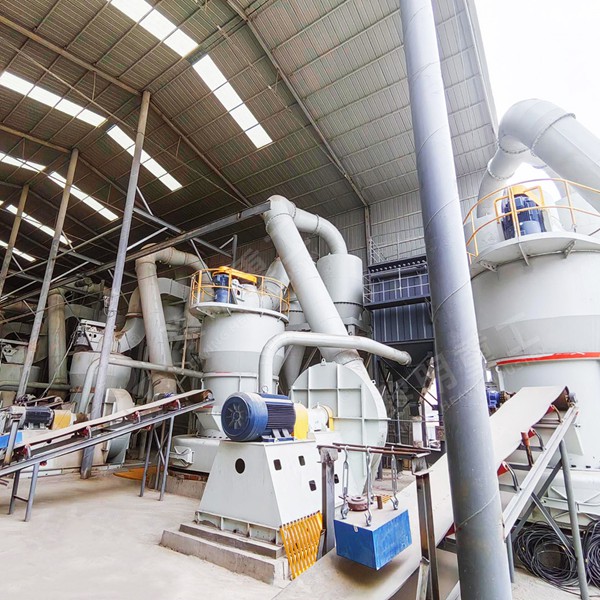
5. Troubleshooting: Blockage and Vibration Incidents
On day 22, the mill experienced a sudden vibration spike. The vibration sensor on the main bearing housing registered 12.5 mm/s, exceeding the alarm threshold of 8.0 mm/s. The immediate action was to stop the feeder while keeping the blower and mill running. Inspection revealed that a small piece of foreign material (likely a bolt from the upstream conveyor) had lodged between the roller and the ring, causing the shock. The mill was stopped, the chamber opened, and the debris removed. Additionally, the roller shaft oil seal was found to be slightly leaking, so it was replaced. A secondary issue emerged in the pipe system: the material duct connecting the mill outlet to the cyclone collector showed partial blockage due to a buildup of moist kaolin near a bend. The solution was to install a small inspection hatch and use compressed air to clear the line daily, a procedure now added to the daily maintenance checklist.
6. Energy Efficiency and Optimization Notes
Throughout the operational period, the specific power consumption averaged 18.5 kWh/T of finished kaolin. By adjusting the classifier blades to produce a slightly coarser product (180 mesh instead of 200 mesh) for a non-critical batch, the mill achieved a 7% increase in throughput (up to 3.2 T/H) with a corresponding 12% reduction in power consumption. This trade-off between fineness and efficiency was documented for future decision-making. The use of the pulse dust collector not only ensured compliance with local emission standards (particulate matter below 20 mg/Nm³) but also allowed for the recovery of fine kaolin dust, which was proportioned back into the product stream.
7. Shutdown and System Purge Procedure
Shutdown was as critical as startup. Before stopping the main mill, the feeder was cut off four minutes prior to allow the grinding chamber to empty. The mill continued to run for two minutes without feed to expel residual powder. The air blower was then turned off, but the pulse dust collector continued to operate for an additional 60 seconds to clear the filter bags of any clinging dust. Finally, the main motor was disengaged. A post-shutdown visual inspection of the discharge spout confirmed no material blockage. The shift log was completed with a summary of production totals (88.5 tons for the day), any abnormal sounds, and a note that the next week's maintenance should include replacing the scraper blades.
8. Conclusion of Operational Cycle
The 30-day operation log confirms that the Liming Heavy Industry Raymond Mill is a robust solution for kaolin grinding, providing consistent output quality when standard operational protocols are followed. The key to longevity and uptime lies in moisture control, vibration monitoring, and a strict preventive maintenance schedule that emphasizes the condition of the grinding elements and the sealing system. The mill's ability to handle fluctuations in feed rate while maintaining product fineness makes it a reliable workhorse for non-metallic mineral processing, particularly in applications requiring a 44-613μm particle size range.
Frequently Asked Questions (FAQ)
- What is the maximum input moisture allowed for kaolin to prevent clogging in the Raymond mill?
The system is designed for non-explosive materials with a humidity of less than 6%. Above this threshold, material buildup on the grinding ring and in the discharge duct increases significantly, leading to reduced capacity and potential blockages. Pre-drying using a rotary dryer is recommended for wetter kaolin. - How often should the grinding roller and ring be replaced when processing kaolin of Mohs hardness 5-6?
Under continuous operation (20 hours/day), the average service life for the high-manganese steel rollers and rings is approximately 800-1000 hours for kaolin with Mohs hardness 5-6. Frequent checking of the uniform clearance (2-3mm) and wear patterns can extend this by 10-15% through timely adjustments of the scraper and feed distribution. - What is the correct procedure if the main motor amperage suddenly drops by 30% during operation?
A sudden amperage drop typically indicates either a complete loss of feed (feeder malfunction) or an empty grinding chamber. First, check the feeder to ensure material is being discharged. If the feeder is operating, inspect the hopper for bridging or arching. If the chamber is empty, verify that the jaw crusher is producing agglomerates small enough to pass through the feeder and that there is no foreign object obstruction in the feed chute. - Can the Raymond mill produce a finer product than the standard 200 mesh for kaolin?
Yes. By adjusting the speed of the classifier (analyzer) and, if necessary, installing a higher-fineness classifier blade set, the mill can achieve fineness down to 325 mesh (44μm) for kaolin. However, this will reduce the overall capacity by approximately 20-30% due to the increased recirculation load of oversized particles. - What are the most common causes of vibration in the main grinding unit during kaolin processing?
The primary causes are (1) an uneven feed rate causing the rollers to bounce, (2) foreign metallic debris lodged between the roller and the ring, (3) worn or loose roller bearings, and (4) an unbalanced grinding ring due to uneven wear. Routine vibration monitoring and inspection of the pendulum suspension system are crucial for early detection.


