Published: October 26, 2023
The Indonesian kaolin processing industry is witnessing a significant shift towards higher efficiency and finer product specifications, particularly for applications demanding a consistent 200mesh fineness. Meeting this demand requires robust, reliable, and technologically advanced grinding equipment. Liming Heavy Industry, with over three decades of expertise in manufacturing crushing and grinding machinery, offers a suite of tailored solutions for establishing a high-performance 200mesh kaolin grinding plant in Indonesia. Our product portfolio, including the LM Vertical Roller Mill, Raymond Mill, MTW European Type Grinding Mill, MW Micro Powder Mill, and Ball Mill, provides versatile options to match specific project scales, raw material characteristics, and final product requirements, ensuring optimal productivity and operational economy.
Kaolin, a vital industrial mineral, finds extensive use in ceramics, paper, paints, and plastics. Processing it to a precise 200mesh (approximately 74 microns) fineness is critical for enhancing its whiteness, brightness, and chemical properties. For Indonesian investors and operators, selecting the right grinding system is paramount to achieving competitive advantage. Liming Heavy Industry's modern R&D facilities, spanning over 147,000 m² in Zhengzhou, are dedicated to continuous innovation in grinding technology. Our philosophy of "scientific research tackling key problems" ensures that each mill is engineered for precision, durability, and energy efficiency, making them ideally suited for the long-term demands of kaolin processing.
For a medium to large-scale 200mesh kaolin grinding plant, the LM Vertical Roller Mill presents a highly efficient integrated solution. It combines drying, grinding, powder selection, and conveying in a single unit, which is particularly beneficial for kaolin that may require slight drying. With a capacity range of 10-400 T/H, it can handle substantial throughput. Its design minimizes energy consumption per ton of product, a crucial factor for cost-sensitive operations. The ability to process input sizes up to 55mm also simplifies the preceding crushing circuit.
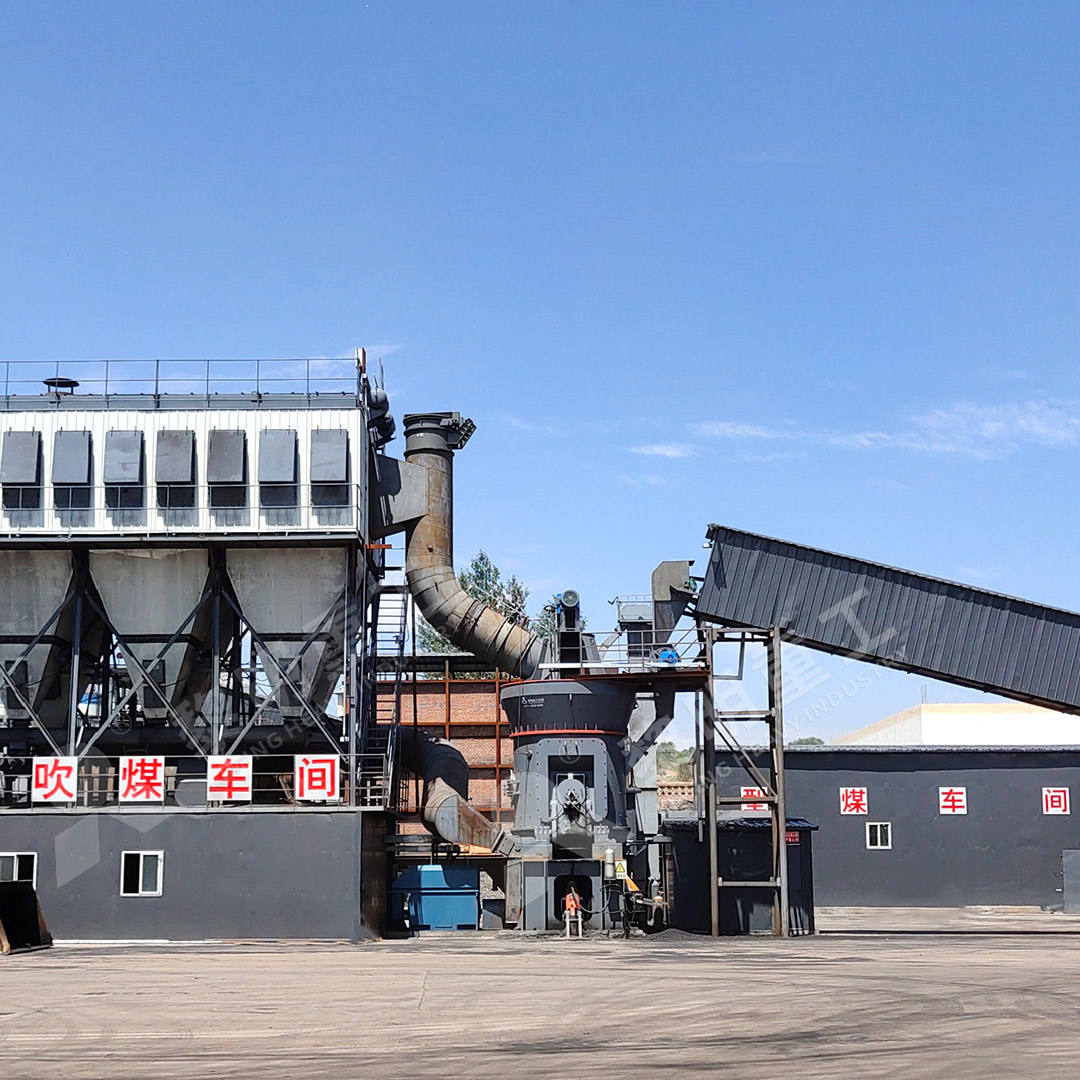
When the project scope is slightly smaller or when dealing with well-dried kaolin, the classic Raymond Mill remains a steadfast choice. Renowned for its reliability and ease of operation, it is perfectly capable of achieving the 200mesh target (within its 44-613μm range). Its widespread use in non-metallic mineral pulverizing, including calcium carbonate and gypsum, translates to proven performance for kaolin. With lower initial investment and simple maintenance, it offers an excellent balance of performance and value for many Indonesian operations.
For those seeking advanced European technology with higher productivity and finer tuning capabilities, the MTW European Type Trapezium Mill is the upgrade of traditional Raymond mills. It incorporates patented technology for more stable grinding performance and superior environmental protection through its efficient closed-circuit pulse dust collection system. This mill is committed to large-scale non-metallic mineral powder making and excels in producing consistent, high-quality 200mesh kaolin powder with lower noise and vibration levels.
If the market requirement evolves towards ultra-fine kaolin powder beyond 200mesh, or if there is a need for flexible fineness adjustment, the MW Micro Powder Mill is the optimal selection. Absorbing advanced Swedish grinding technology, it excels in superfine processing up to 3250mesh. For a standard 200mesh output, it operates with exceptional energy efficiency and produces a very narrow particle size distribution. Its integrated pulse precipitator ensures the plant operates in an environmentally friendly manner, a growing priority globally.
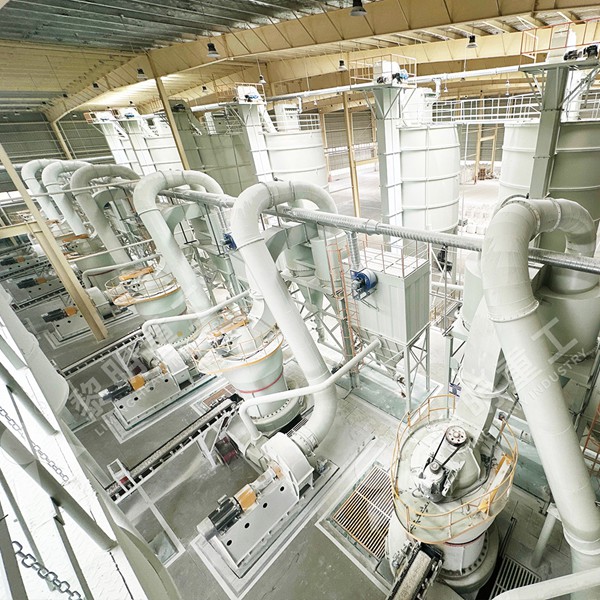
The traditional workhorse, the Ball Mill, is also a viable option, especially for projects where versatility is key. It can grind kaolin to 200mesh and can handle a wide variety of other materials if needed. Its simple principle of operation—using steel balls to impact and grind the material—makes it a robust and well-understood technology. It is widely used in beneficiation, construction, and the chemical industry, offering a dependable solution for integrated mineral processing plants.
In conclusion, establishing a successful 200mesh kaolin grinding plant in Indonesia hinges on a careful analysis of capacity, feed characteristics, energy goals, and future product flexibility. Liming Heavy Industry provides not just equipment, but comprehensive technological support rooted in 30 years of experience. From the high-volume LM Vertical Mill to the precision-focused MW Micro Powder Mill, our range empowers Indonesian businesses to build efficient, modern, and profitable kaolin processing facilities. We persist in implementing a strategy of scientific R&D, aiming at the technological frontier to deliver grinding solutions that enhance our clients' competitiveness in the global market.
Frequently Asked Questions (FAQ)
1. What is the main advantage of using an LM Vertical Roller Mill for kaolin grinding?
The primary advantage is its high integrated efficiency. It combines drying, grinding, classification, and conveying into one unit, significantly saving on floor space and reducing overall energy consumption per ton of product, especially when processing kaolin with moderate moisture content.
2. Can Raymond Mill reliably produce 200mesh kaolin powder?
Yes, absolutely. The Raymond Mill's output fineness range (44-613μm) comfortably encompasses 200mesh (~74μm). It is a proven, reliable technology for achieving this specific fineness, offering simplicity of operation and maintenance.
3. How does the MTW European Type Mill improve upon traditional grinding mills?
The MTW mill incorporates advanced patented technology for its grinding curve and internal airflow system, leading to higher productivity, lower energy consumption, more stable operation, and reduced wear. Its closed-circuit system with a pulse dust collector also ensures better environmental performance.
4. Is the MW Micro Powder Mill suitable only for superfine grinding below 200mesh?
No. While it excels in producing ultra-fine powder, the MW Micro Powder Mill is highly efficient across a wide fineness spectrum, including 200mesh. Its key benefit at 200mesh is the ability to produce a very consistent and narrow particle size distribution with adjustable control.
5. What factors should I consider when choosing between a Ball Mill and a vertical roller mill for my project?
Key considerations include: required capacity (vertical mills often handle higher volumes), moisture content of feed (vertical mills have integrated drying), energy efficiency targets (vertical mills are generally more efficient), and desired particle shape. Ball mills offer great versatility for grinding various materials but may have higher specific energy consumption for fine grinding.


