Published: October 26, 2023
The production of pulverized coal for cement kilns is a critical process that directly impacts fuel efficiency, combustion quality, and environmental compliance in cement manufacturing. A high-performance pulverized coal making machine must integrate advanced grinding technology, precise classification, and reliable material handling to deliver consistent fineness and throughput. Liming Heavy Industry Co., Ltd., with over three decades of experience in manufacturing large and medium-sized crushing and grinding equipment, offers a comprehensive range of mills tailored for coal pulverization in cement plants. From vertical roller mills to raymond mills and European trapezium mills, our solutions are engineered to meet the demanding requirements of cement kiln operations, ensuring optimal combustion, reduced emissions, and lower operational costs.
Understanding the Role of Pulverized Coal in Cement Kilns
Cement kilns require a steady supply of finely ground coal as fuel to reach the high temperatures needed for clinker production. The quality of pulverized coal—primarily defined by fineness, moisture content, and uniform particle size distribution—directly influences flame stability, heat transfer, and kiln productivity. Poorly ground coal leads to incomplete combustion, higher fuel consumption, increased NOx and CO emissions, and potential operational disruptions. Therefore, selecting the right pulverized coal making machine is not just a technical decision but a strategic one for cement manufacturers aiming to improve efficiency and meet stricter environmental regulations.
Key Features of Liming's Pulverized Coal Making Machines
1. LM Vertical Roller Mill for Coal Grinding
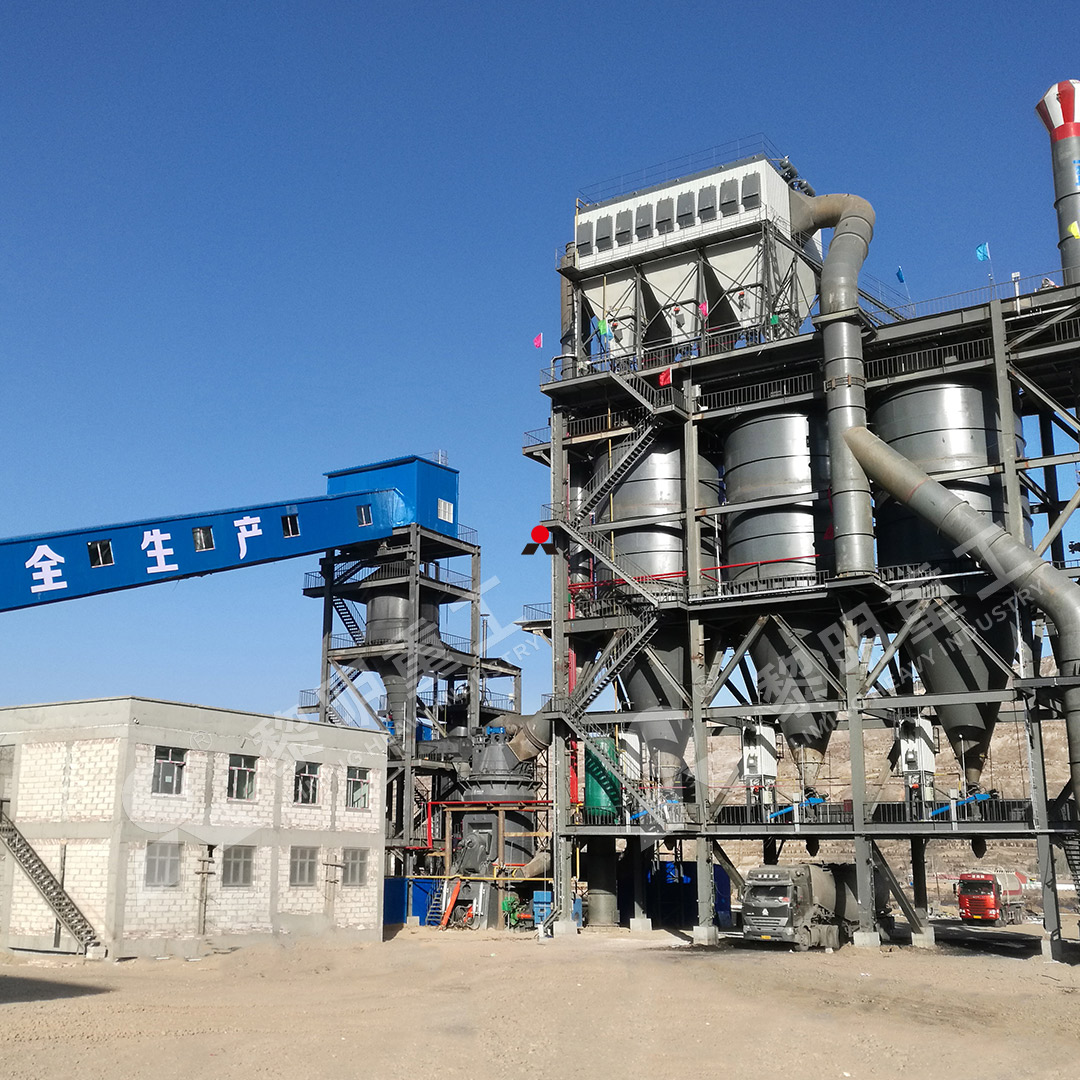
The LM Vertical Roller Mill is a flagship product for coal pulverization, combining drying, grinding, powder selection, and conveying in a single unit. This integrated design reduces system complexity and energy consumption. With a capacity range of 10–400 T/H and input size of 30–55 mm, the LM mill is ideal for large-scale cement plants. Its automatic electric control system ensures stable operation and precise adjustment of fineness, making it suitable for coal with varying moisture levels. The vertical mill's grinding rollers and table are made of wear-resistant materials, extending service life and reducing maintenance downtime.
2. Raymond Mill for Medium-Scale Coal Preparation
For cement plants with moderate capacity requirements, the Raymond Mill remains a reliable choice for coal pulverization. Designed to process non-flammable and non-explosive materials with Mohs hardness under 7 and humidity below 6%, it produces a fineness range of 613–44 μm. With a capacity of 1.2–4.5 T/H and input size of 15–25 mm, the Raymond mill is well-suited for smaller kiln lines or as a backup system. Its simple structure, low initial investment, and ease of operation make it a popular option in emerging markets.
3. MTW European Type Trapezium Mill for High-Performance Grinding
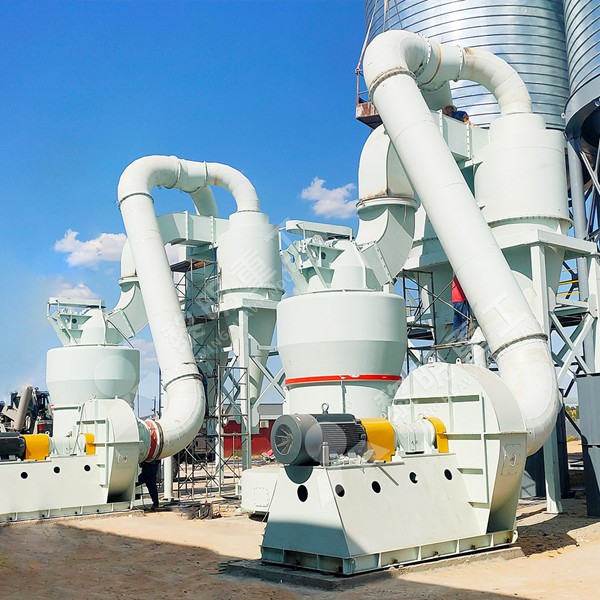
The MTW European Type Trapezium Mill represents the evolution of traditional pendulum and raymond mills, incorporating patented technology for higher productivity and energy efficiency. With a capacity of 3–55 T/H and input size of 30–50 mm, it is engineered for large-scale coal powder preparation in cement kilns. The mill features a bevel gear transmission system, thin oil lubrication, and an arc-shaped air duct that reduces resistance and improves airflow. The MTW mill is particularly effective for grinding coal with high abrasion, delivering consistent fineness while minimizing wear.
How the Pulverized Coal Making Machine Works
The working principle of a typical coal grinding system involves several stages. First, large coal lumps are crushed by a jaw crusher to the required size. The crushed material is then fed uniformly into the mill via a variable-frequency belt feeder. Inside the mill, grinding rollers or balls apply pressure to the coal against a rotating ring or table, breaking it into fine particles. A stream of hot air (or inert gas for safety) carries the ground coal upward to a classifier, where oversized particles are separated and returned for regrinding. The fine powder—now meeting the fineness specification—is collected in a bag filter or cyclone and conveyed to the kiln burner. The system is closed-loop, with recycled air passing through a dust collector to meet environmental standards.
Advantages of Using Liming Equipment for Coal Preparation
- Energy Efficiency: Our mills incorporate advanced design features such as optimized roller geometry, low-resistance air ducts, and efficient drive systems that reduce power consumption per ton of coal ground.
- Environmental Compliance: All grinding lines are equipped with pulse dust collectors and sealed conveying systems to minimize dust emissions, aligning with global environmental regulations.
- High Reliability and Low Maintenance: Wear parts are manufactured from high-chrome alloy or ceramic materials, extending service intervals and reducing unplanned downtime.
- Flexibility: Our equipment can handle a wide range of coal types, from bituminous to anthracite, and can be adjusted to produce different fineness levels based on kiln requirements.
- Integration with Existing Systems: Liming mills are designed for easy integration with upstream crushing and downstream storage and feeding systems, making retrofits straightforward.
Selection Criteria for Cement Kiln Coal Grinding
When choosing a pulverized coal making machine, cement plant engineers should consider the following factors:
- Capacity: Match the mill output to the kiln's fuel demand, accounting for coal calorific value and moisture.
- Fineness Requirement: Typical coal fineness for cement kilns is 80% passing 200 mesh (74 μm) or finer; the mill must be capable of achieving this consistently.
- Moisture Content: High-moisture coals require mills with integrated drying capability, such as the LM vertical mill.
- Safety: Coal grinding systems must include explosion venting, inerting systems (e.g., nitrogen), and temperature monitoring to prevent fires or dust explosions.
- Maintenance Access: Mills with easy access to grinding elements and classifiers reduce maintenance time and labor costs.
Why Liming Heavy Industry?
Liming Heavy Industry Co., Ltd., founded in 1987, is a modern joint-stock corporation integrating research, manufacturing, and sales. With headquarters in Zhengzhou's Hi-Tech Industry Development Zone (80,000 m²) and an additional workshop in Shangjie Industry Park (67,000 m²), we have the scale and expertise to deliver complex grinding solutions. Over the past 30 years, we have adhered to modern scientific management, precision manufacturing, and continuous innovation. Our scientific research team focuses on product competitiveness, tackling key technological challenges through collaboration with universities and industry partners. This commitment has positioned Liming as a leader in both domestic and overseas machinery manufacturing.
Conclusion
Investing in a high-quality pulverized coal making machine is essential for cement kiln operators who want to maximize fuel efficiency, reduce emissions, and ensure stable production. Liming Heavy Industry offers a range of proven solutions—from LM vertical roller mills to MTW trapezium mills—that combine advanced technology, robust construction, and environmental responsibility. By understanding your specific coal characteristics and kiln requirements, we can help you select the optimal grinding system for long-term success.
Frequently Asked Questions
- Q1: What is the typical fineness required for pulverized coal used in cement kilns?
A: Cement kilns generally require coal fineness where 80% passes through a 200 mesh sieve (74 μm), though some kilns may require finer grinding for better combustion efficiency. - Q2: Can Liming mills handle high-moisture coal?
A: Yes, our LM vertical roller mill incorporates an integrated drying system using hot air, allowing it to process coal with moisture content up to 15-20% without pre-drying. - Q3: What safety features are included in your coal grinding systems?
A: Our systems can be equipped with explosion vents, inert gas injection (nitrogen or CO₂), temperature and pressure sensors, and interlock controls to prevent unsafe conditions. - Q4: How do I determine the right mill capacity for my cement plant?
A: You need to calculate the hourly coal consumption based on kiln capacity, coal calorific value, and plant operating hours. Our engineers can assist in sizing the mill to ensure 10-20% capacity margin for flexibility. - Q5: What is the maintenance interval for wear parts in your mills?
A: Maintenance intervals vary based on coal abrasiveness and operating hours, but typical wear parts like grinding rollers and rings in our MTW and LM mills can last 6-12 months under normal conditions.


