Published: October 5, 2023
In modern coal-fired power plants, the efficiency and reliability of the boiler system heavily depend on the quality of pulverized coal preparation. A coal grinding mill for power plant boilers must deliver consistent fineness, high throughput, and low energy consumption while meeting stringent environmental standards. Liming Heavy Industry Co., Ltd., with over three decades of expertise in manufacturing crushing and grinding equipment, offers a comprehensive range of mills tailored for coal pulverization. From vertical roller mills for large-scale operations to micro powder mills for fine grinding, our solutions integrate drying, grinding, and classification into a single unit, ensuring optimal combustion efficiency. This article explores the key technologies, applications, and working principles of our coal grinding mills, providing insights into how they enhance boiler performance in power plants worldwide.
The Role of Coal Grinding in Power Plant Boilers
Coal-fired power plants require finely ground coal, known as pulverized coal, to achieve complete combustion in the boiler furnace. The grinding process must reduce coal to a fine powder—typically 70% to 80% passing through a 200-mesh sieve—to maximize surface area and ensure rapid ignition. Inefficient grinding can lead to unburned carbon, slagging, and increased emissions, while excessive energy use raises operational costs. Liming Heavy Industry’s grinding mills are designed to address these challenges by combining advanced milling technology with precise control systems.
Key Products for Coal Pulverization
1. LM Vertical Roller Mill
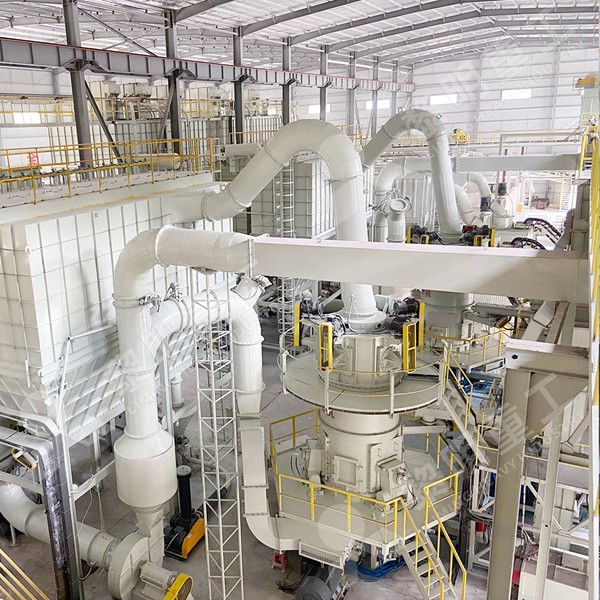
The LM Vertical Roller Mill is a flagship product for coal grinding in power plants. Integrated with drying, grinding, powder selection, and conveying functions, this mill is ideal for handling high-moisture coals and offers a capacity range of 10 to 400 tons per hour, with an input size of 30-55 mm. Its innovative milling device and automatic electric control system ensure stable operation under varying coal properties. The mill excels in non-metallic mineral, coal, and slag applications, making it a versatile choice for large-scale power generation facilities.
2. Raymond Mill
For smaller-scale coal pulverization or desulfurization processes, the Raymond Mill remains a reliable option. Suitable for non-flammable and non-explosive materials with Mohs hardness under 7 and humidity less than 6%, this mill produces a fineness ranging from 613 μm to 44 μm. With a capacity of 1.2 to 4.5 tons per hour and an input size of 15-25 mm, it is widely used in power plant desulfurization and pulverized coal preparation.
3. MTW European Type Trapezium Mill
The MTW European Type Trapezium Mill is an upgrade of traditional Raymond and pendulum mills, featuring patented technology for enhanced performance. Designed for large-scale non-metallic mineral powder making, it also excels in limestone desulfurization and solid fuel grinding. Its capacity ranges from 3 to 55 tons per hour, with an input size of 30-50 mm. The mill’s closed-loop system, equipped with a pulse dust collector, ensures compliance with environmental standards.
Working Principle of MTW Mill: The system includes a grinding mill, separator, air blower, jaw crusher, vibrating feeder, hopper, dust collector, and other components. Large materials are crushed to the required size by a jaw crusher, then evenly fed into the mill via a variable-frequency belt feeder. Grinding occurs between rings and rollers, and particles are lifted by airflow; those that fail to pass the separator are reground, while fine powder is collected as product. The air is recycled in a closed system, with pulse dust collection for environmental protection.
4. MW Micro Powder Mill
When superfine coal powder is required for specialized boiler designs or co-firing applications, the MW Micro Powder Mill delivers exceptional results. Based on advanced Swedish grinding technology, this medium-speed micro-grinding mill achieves a fineness down to d97 ≤ 5 μm (adjustable between 325 mesh and 3250 mesh). With a capacity of 0.5 to 25 tons per hour and an input size of 10-20 mm, it is used for calcium carbonate, gypsum, and pulverized coal preparation. The pulse precipitator ensures greener production.
Working Principle of MW Mill: The motor drives the main shaft and turnplates via a reducer, causing dozens of rollers to rotate against the ring’s raceway. Small materials crushed by a hammer crusher are transported to a hopper by an elevator, then fed evenly to the upper turnplate center by a vibrating feeder. Under centrifugal force, materials fall to the ring’s raceway for crushing into powder.
5. Ball Mill
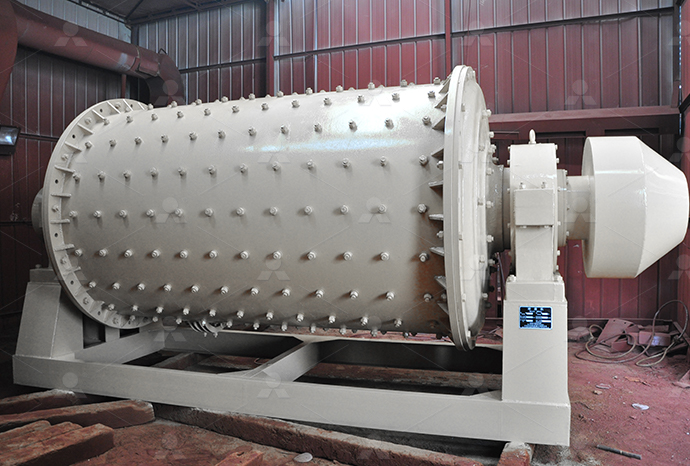
The Ball Mill is a classic grinding solution for coal and other materials in power plants. As key equipment after crushing, it processes materials with a capacity of 0.65 to 50 tons per hour and an input size up to 25 mm. Applications include cement, coal, power plant desulfurization, metallurgy, and chemical industries. The ball mill comprises a horizontal rotating device with an outer gear drive. Steel balls inside the chamber are lifted by centrifugal force and then impact and grind the materials as they fall.
Selecting the Right Mill for Your Power Plant
Choosing a coal grinding mill depends on factors such as coal type (bituminous, sub-bituminous, or lignite), required fineness, capacity, moisture content, and plant footprint. For example, LM Vertical Roller Mills are preferred for large baseload plants with high-moisture coals due to their integrated drying and high capacity. Medium-speed mills like the MTW European Type suit operations needing flexibility between coal and limestone grinding for desulfurization. Micro powder mills are ideal for specialized applications requiring ultra-fine coal particles.
Liming Heavy Industry’s engineering team provides comprehensive support, from site evaluation to installation and commissioning, ensuring that the selected mill integrates seamlessly with existing boiler systems.
Advantages of Liming Heavy Industry Coal Mills
- High Efficiency: Advanced grinding mechanisms reduce energy consumption by up to 30% compared to conventional mills.
- Low Maintenance: Durable wear parts and automatic lubrication systems minimize downtime.
- Environmental Compliance: Pulse dust collectors and closed-loop airflow systems meet stringent emission regulations.
- Versatility: Our mills handle multiple materials, including coal, limestone for desulfurization, and other minerals, enabling multi-purpose use.
- Global Support: With headquarter in Zhengzhou and workshops spanning 147,000 m², we offer worldwide service and spare parts availability.
Conclusion
Efficient coal grinding is the backbone of reliable power plant boiler operation. Liming Heavy Industry’s portfolio—from the high-capacity LM Vertical Roller Mill to the precision MW Micro Powder Mill—provides tailored solutions for all pulverized coal needs. Backed by decades of innovation and a strong scientific research team, we deliver equipment that enhances combustion efficiency, reduces emissions, and lowers operating costs. Contact us to discuss your power plant’s specific requirements and discover how our grinding mills can optimize your boiler performance.
Frequently Asked Questions (FAQs)
- What is the optimal fineness of coal for power plant boilers? Typically, pulverized coal should have 70-80% passing through a 200-mesh sieve (74 μm) for efficient combustion. However, fineness can be adjusted based on coal type and boiler design.
- Can the LM Vertical Roller Mill handle high-moisture coal? Yes, the LM mill integrates drying with grinding, allowing it to process coals with moisture content up to 20% without pre-drying.
- What is the typical capacity of a coal grinding mill for a 300 MW power plant? For a 300 MW unit, a mill with a capacity of 50-70 tons per hour is common, such as the LM vertical mill or a large ball mill configuration.
- How does the MTW mill ensure environmental compliance? The MTW mill uses a pulse dust collector and a closed-loop air recycling system to minimize dust emissions, meeting national environmental standards.
- What maintenance is required for the Raymond Mill? Regular inspection of grinding rollers and rings, lubrication of bearings, and cleaning of the classifier are recommended. Wear parts typically last 6-12 months depending on coal abrasiveness.


