Published on: 2025-04-07
In modern steel production, the vertical coal roller mill has become an indispensable piece of equipment for pulverizing coal used in blast furnaces and other thermal processes. The Vertical Coal Roller Mill for steel plant, particularly the LM Vertical Roller Mill developed by Liming Heavy Industry, integrates drying, grinding, powder selection, and conveying into a single compact system. This advanced mill delivers a capacity ranging from 10 to 400 tons per hour (T/H) and accepts input sizes up to 55 mm, making it suitable for high-volume coal grinding in steel manufacturing. By combining energy efficiency, low operational costs, and automated control, this technology supports the steel industry's demands for consistent coal fineness and reliable throughput. The following sections explore the design, working principles, and key advantages of implementing a vertical coal roller mill in steel plant operations.
Introduction to Vertical Coal Roller Mill Technology in Steel Plants
Steel plants require a continuous supply of pulverized coal for injection into blast furnaces, where it serves as both a fuel and a reducing agent. Traditional grinding systems often struggle with high energy consumption, maintenance complexity, and inconsistent particle size. The vertical coal roller mill addresses these challenges through a modern milling device that integrates multiple functions: drying moisture from coal, grinding it to the desired fineness, selecting particles via a classifier, and conveying the finished product to storage or directly to the burner. Liming Heavy Industry, founded in 1987 with headquarters in Zhengzhou's HI-TECH Industry Development Zone, has over 30 years of experience in manufacturing large and medium-sized crushing and grinding equipment. Their LM Vertical Roller Mill is specifically engineered for the coal, slag, and non-metallic mineral sectors, making it an optimal choice for steel plants seeking to enhance coal preparation efficiency.
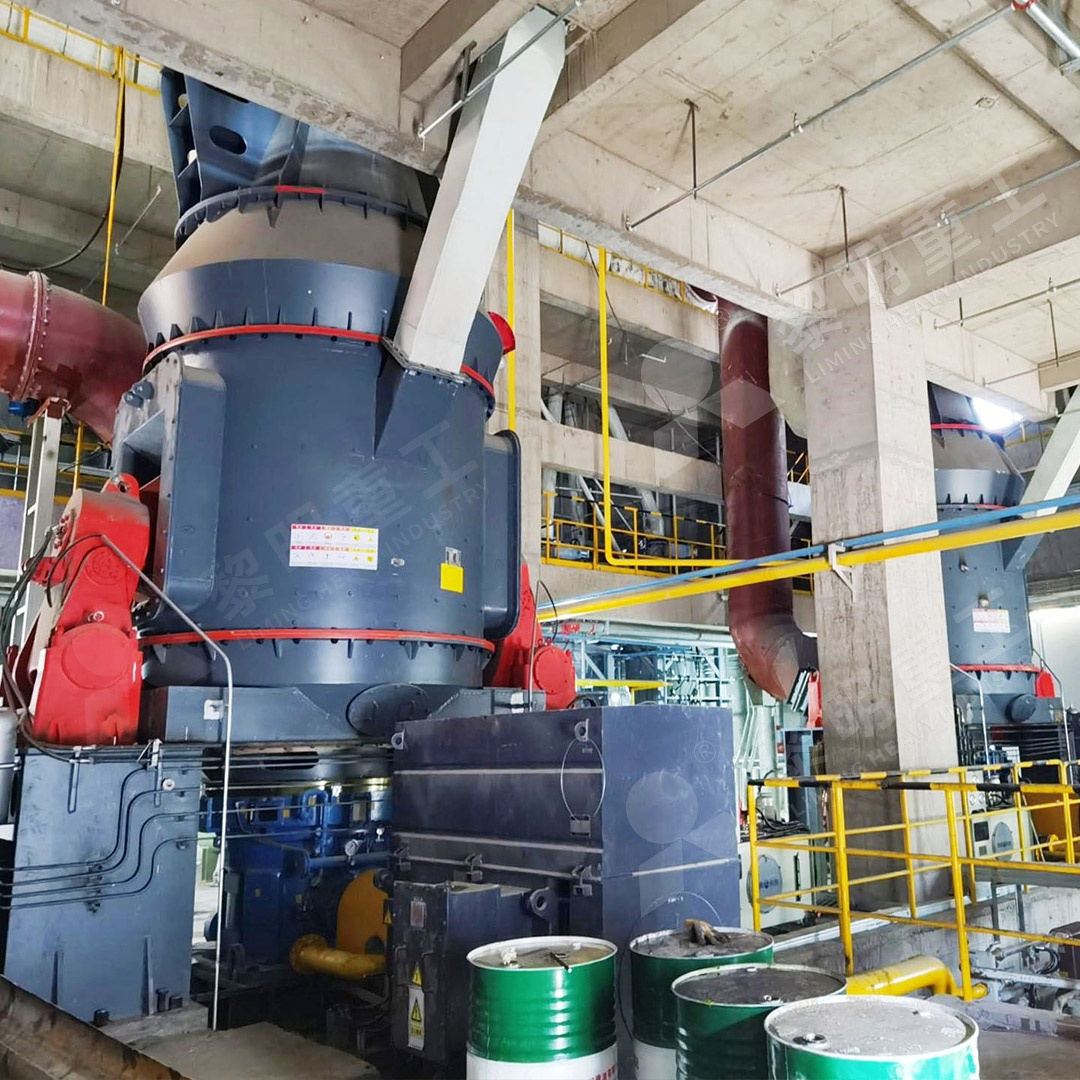
Key Features and Benefits of the LM Vertical Roller Mill
The LM Vertical Roller Mill incorporates a new milling device and an automatic electric control system, allowing operators to manage grinding parameters with precision. Key features that make it particularly effective for steel plant coal grinding include:
- Integrated Drying and Grinding: The mill can handle coal with moisture content up to 15-20%, using hot gases from the plant or from an auxiliary heat source to dry the coal during the grinding process. This eliminates the need for separate drying equipment.
- High Capacity and Efficiency: With a capacity range of 10-400 T/H, the LM mill can meet the demanding throughput requirements of large steel plants. The grinding efficiency is improved by the roller and millstone design, which minimizes energy consumption per ton of coal processed.
- Automatic Electric Control System: The system monitors and adjusts parameters such as feed rate, grinding pressure, and classifier speed in real time, ensuring consistent product fineness (typically 80% passing 200 mesh or finer). This automation reduces operator intervention and improves overall plant reliability.
- Compact Footprint: By combining drying, grinding, classification, and conveying in one unit, the vertical roller mill saves valuable floor space in steel plants where layout constraints are common.
- Low Noise and Vibration: The design of the grinding rollers and the mill body minimizes mechanical noise and vibration, contributing to a safer and more comfortable working environment.
Working Principle of the Vertical Coal Roller Mill
The working principle of the LM Vertical Roller Mill is based on the grinding of material between a rotating grinding table and stationary or rotating grinding rollers. Coal is fed into the mill from the top via a feed chute, where it falls onto the center of the rotating grinding table. Centrifugal force moves the coal outward, where it is crushed and ground between the rollers and the table. Hot gases enter from the bottom of the mill, lifting the fine coal particles upward while the heavier particles continue to be ground. A dynamic classifier at the top of the mill ensures that only particles meeting the required fineness exit the mill; oversized particles are returned to the grinding zone. The pneumatic conveying system transports the finished coal powder to a cyclone collector or directly to the coal injection system. This closed-loop system minimizes dust emissions and ensures efficient material handling.
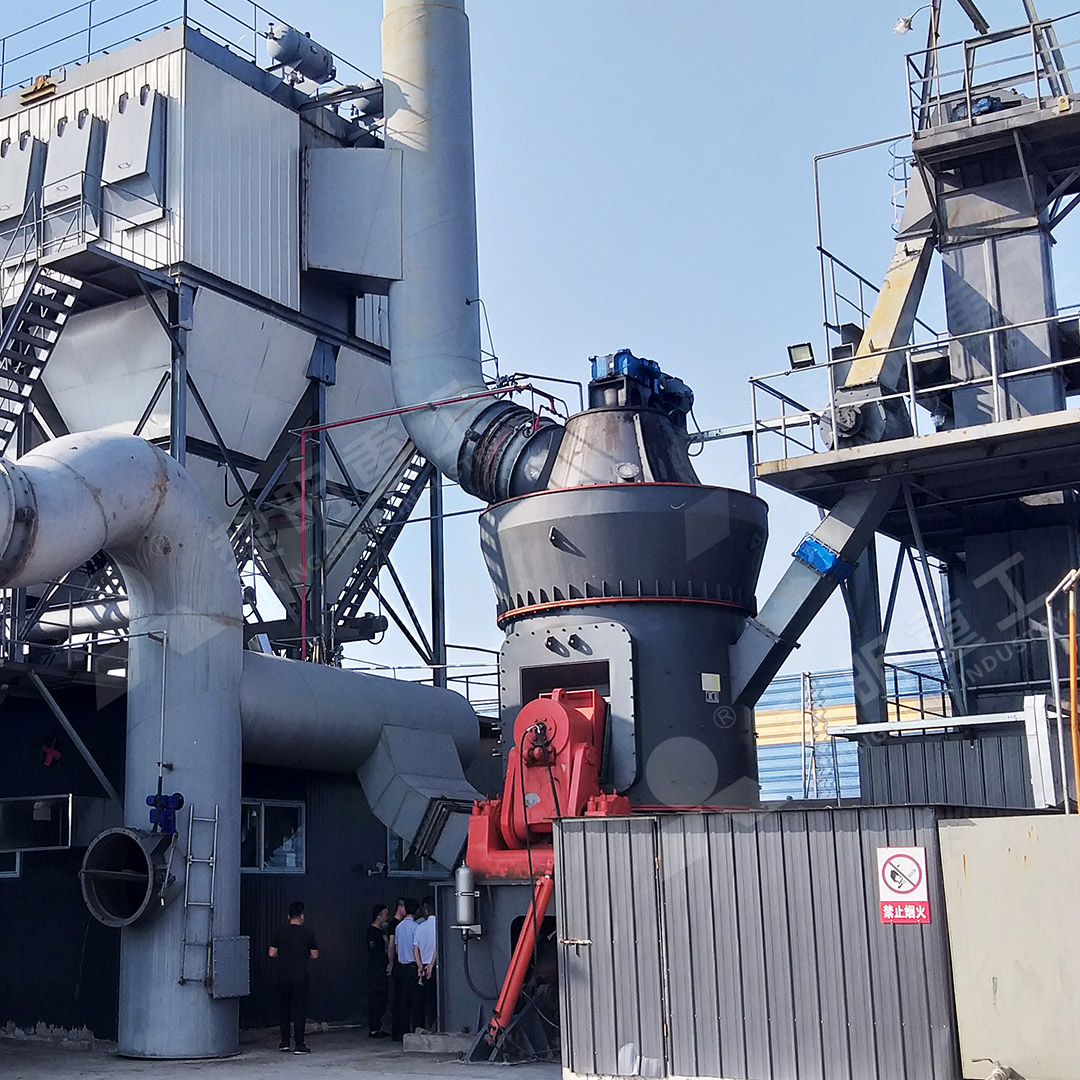
Application in Steel Plant Coal Preparation
Steel plants typically use pulverized coal injection (PCI) to reduce coke consumption and increase blast furnace efficiency. The vertical coal roller mill produces coal powder with a fineness of 70-80% passing 200 mesh, which is ideal for PCI. The mill's ability to handle high-moisture coal and its tolerance for varying coal qualities (such as bituminous and anthracite) make it versatile for steel plants that source coal from different suppliers. Additionally, the LM mill can be used for grinding other materials in the steel plant, such as limestone for desulfurization or slag for cement production, providing a multi-purpose grinding solution. Liming Heavy Industry's scientific research team focuses on continuous improvement, ensuring that the mill adapts to the evolving needs of the steel industry, including stricter environmental regulations and higher productivity targets.
Comparison with Other Grinding Technologies
While steel plants may also consider Raymond mills, European type trapezium mills, or ball mills for coal grinding, the vertical coal roller mill offers distinct advantages. Raymond mills are suitable for smaller capacities (1.2-4.5 T/H) and finer products but lack the high throughput and integrated drying capabilities of the LM mill. Ball mills, though reliable, have higher energy consumption and larger footprints, making them less efficient for large-scale coal grinding. The MTW European Type Trapezium Mill (capacity 3-55 T/H) is ideal for limestone and non-metallic minerals but its lower capacity limits its application in steel plants requiring high coal volumes. The MW Micro Powder Mill targets ultra-fine grinding (325-3250 mesh) but is not designed for the high-capacity coal grinding needed in steel production. Therefore, for steel plants prioritizing high capacity, low energy cost, and integrated drying, the LM Vertical Roller Mill is the optimal choice.
Environmental and Operational Considerations
Modern steel plants are under pressure to reduce emissions and energy consumption. The LM Vertical Roller Mill contributes to these goals through its closed-loop pneumatic system, which minimizes dust leakage, and its pulse dust collector, which complies with national environmental protection standards. The mill's energy efficiency (typically 30-50% lower than ball mills) reduces electricity costs and the plant's carbon footprint. Liming Heavy Industry emphasizes scientific research and development, aiming to improve technological innovation capabilities. By investing in advanced grinding technology, steel plants can enhance their competitive position while meeting sustainability targets.
FAQ
- What is the typical fineness of coal ground by a vertical coal roller mill for steel plant?
The typical fineness is 70-80% passing 200 mesh (74 microns), suitable for pulverized coal injection in blast furnaces. The classifier can be adjusted to achieve finer or coarser products as needed. - Can the LM vertical roller mill handle high-moisture coal?
Yes, the mill can handle coal with moisture content up to 15-20% by integrating hot gas drying within the grinding chamber, eliminating the need for a separate drying system. - What is the capacity range of the LM vertical roller mill for coal grinding?
The capacity range is 10 to 400 tons per hour (T/H), depending on the coal characteristics and required fineness. This makes it suitable for large steel plants with high coal consumption. - How does the automatic electric control system improve mill operation?
The system monitors feed rate, grinding pressure, classifier speed, and temperature in real time, automatically adjusting parameters to maintain consistent product quality and optimize energy consumption, reducing the need for manual intervention. - What maintenance is required for the vertical coal roller mill?
Routine maintenance includes inspecting and replacing grinding rollers and table liners, checking the classifier blades, and monitoring the lubrication system. Liming Heavy Industry provides technical support and recommended maintenance schedules to maximize mill uptime.


