Published on: October 26, 2023
Replacing the grinding ring in a Raymond mill used for kaolin processing is a critical maintenance procedure essential for sustaining product fineness, throughput capacity, and overall operational efficiency. This comprehensive guide, drawing from the extensive engineering and manufacturing expertise of LIMING HEAVY INDUSTRY, details the importance of timely ring replacement, outlines the procedural steps, and highlights how the design of our Raymond mill facilitates this key service. Proper execution not only restores the mill to its specified performance metrics—such as achieving the target fineness range of 613μm to 44μm—but also extends the service life of associated components, ensuring continuous, reliable operation in demanding mineral processing applications.
Raymond mills, a cornerstone in non-metallic mineral processing, rely on the precise interaction between grinding rollers and a stationary grinding ring to pulverize materials like kaolin. Over time, the ring undergoes inevitable wear, which manifests as reduced grinding efficiency, increased energy consumption for the same output, and a gradual shift in product particle size distribution. For operators in ceramics, paper, paint, and other industries dependent on high-purity kaolin, maintaining consistent fineness is paramount. LIMING HEAVY INDUSTRY's Raymond mill is engineered for minerals grinding under 7 Mohs hardness and 6% humidity, making it ideally suited for kaolin. Its robust construction is the foundation for reliable service, but even the most durable components require planned maintenance.
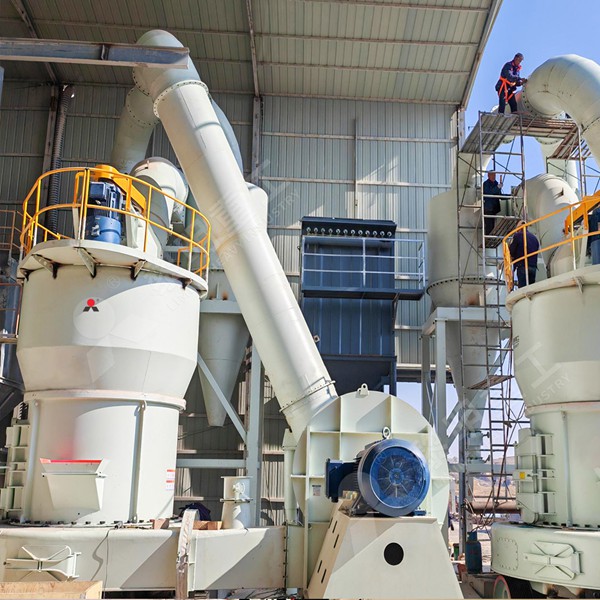
The decision to replace the grinding ring should be based on regular inspection and performance monitoring rather than a catastrophic failure. Key indicators include a noticeable drop in output tonnage per hour, difficulty in achieving finer particle sizes even with adjustments to the classifier, and abnormal vibration or noise from the grinding chamber. LIMING HEAVY INDUSTRY emphasizes a proactive maintenance philosophy, supported by our modern manufacturing and research capabilities focused on product competitiveness and technological innovation. Our Raymond mill's design considers serviceability, allowing for systematic disassembly and reassembly.
The replacement process requires careful preparation. First, ensure the mill is completely shut down, locked out, and all power sources are isolated. After removing the feed system and upper housing, technicians gain access to the grinding chamber. The worn grinding ring is unbolted from its base. Thorough cleaning of the chamber is crucial to remove all accumulated powder and debris, which could affect the new ring's seating and alignment. The new, genuine LIMING grinding ring is then carefully positioned and secured. It is vital to use OEM parts to guarantee perfect dimensional tolerance, material integrity, and heat treatment properties that match the original design specifications. Our rings are manufactured from high-wear-resistance alloys, a result of our persistent strategy of scientific research and development aimed at the industry's technological frontier.
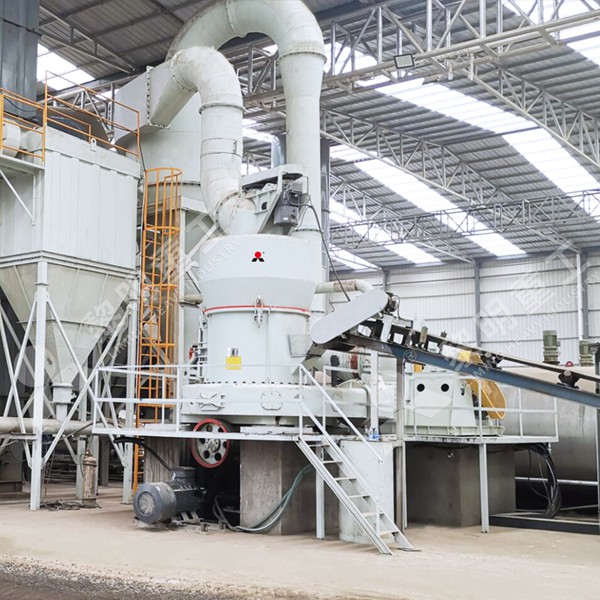
Following ring installation, reassembly must be performed with precision. Special attention must be paid to the clearance between the new ring and the grinding rollers, which should be adjusted according to the manufacturer's manual. This clearance directly impacts grinding pressure and efficiency. Once reassembled, a controlled test run with inert material is recommended to check for smooth operation before reintroducing kaolin feed. This process, while technical, is a direct investment in mill longevity and product quality. It reflects the core principle of LIMING HEAVY INDUSTRY: combining precision manufacturing with practical, user-focused engineering to provide large and medium-sized crushing and grinding equipment that leads the machinery manufacturing industry.
Ultimately, a well-executed grinding ring replacement is more than a repair; it is a recalibration of your kaolin production line. It ensures your LIMING Raymond mill continues to operate at its designed capacity of 1.2-4.5T/H, producing the consistent, fine kaolin powder required by downstream processes. By adhering to structured maintenance schedules and using authentic components, plant managers can optimize operational uptime, control long-term costs, and uphold the high performance synonymous with our equipment, backed by over three decades of industrial expertise.
Frequently Asked Questions (FAQs)
1. What are the primary signs that my Raymond mill's grinding ring needs replacement?
The most common indicators are a consistent decrease in production output (tons per hour), an inability to achieve the desired product fineness despite adjusting the classifier, and increased specific power consumption (more energy used per ton of product). Visible inspection of the ring will reveal significant wear or cracking.
2. How often should the grinding ring be replaced in a kaolin application?
Replacement frequency is not fixed and depends on factors like kaolin abrasiveness, required fineness, and annual operating hours. A rigorous maintenance schedule based on regular inspection and performance data tracking is more effective than a time-based interval. Monitoring output and fineness trends will provide the best guidance.
3. Can I use a non-OEM grinding ring in my LIMING Raymond mill?
It is strongly discouraged. Non-genuine parts may have different material compositions, hardness profiles, or dimensional inaccuracies. This can lead to poor grinding performance, accelerated wear on mating rollers, imbalance causing vibration, and potential voiding of support agreements. OEM rings are engineered for optimal fit and longevity.
4. Is the ring replacement a task that can be performed in-house, or is specialized service required?
While technically skilled maintenance teams can perform the replacement following detailed manuals, it involves handling heavy components and precise adjustments. For first-time replacements or to ensure optimal results, many customers opt for supervision or service from LIMING HEAVY INDUSTRY's technical support team to guarantee correct procedure and calibration.
5. Does replacing the grinding ring require replacement of the grinding rollers as well?
Not necessarily, but it is highly recommended to inspect the rollers thoroughly. Worn rings often correspond with worn roller surfaces. Installing a new ring against worn rollers can lead to poor contact and inefficient grinding. For best performance and to avoid premature new ring wear, rollers should be refurbed or replaced as a matched set with the ring.


