Published on: October 26, 2023
Filter kaolin, a critical industrial mineral, demands precise particle size distribution and controlled morphology to achieve optimal permeability in filtration applications. The efficiency of kaolin as a filter aid is intrinsically linked to its processing, where advanced grinding technology determines the final product's performance. Liming Heavy Industry Co., Ltd., with over three decades of expertise in manufacturing medium and large-scale crushing and grinding equipment, provides a suite of specialized milling solutions engineered to produce filter-grade kaolin with superior and consistent permeability characteristics. This article explores the pivotal role of modern grinding systems—including Vertical Roller Mills, Raymond Mills, European Type Grinding Mills, Micro Powder Mills, and Ball Mills—in tailoring kaolin properties to meet the stringent demands of filtration processes across chemical, metallurgical, and environmental industries.
The fundamental challenge in processing filter kaolin lies in achieving a specific, often narrow, particle size range that maximizes porosity and fluid flow while maintaining structural integrity under pressure. Traditional crushing methods often produce irregular shapes and wide size distributions, which can lead to cake compaction and reduced permeability. Modern milling philosophy, as embodied by Liming Heavy Industry's research-driven approach, focuses on controlled comminution, efficient classification, and integrated system design to overcome these limitations. By prioritizing "scientific research tackling key problems" and "technological progress," the company's equipment is developed to offer precision, energy efficiency, and adaptability, directly impacting the quality of the processed kaolin.
For high-capacity production of filter kaolin, the LM Vertical Roller Mill presents a compelling solution. Integrating drying, grinding, powder selection, and conveying into a single unit, it offers remarkable operational synergy. Its grinding mechanism applies pressure and shear forces, promoting the generation of plate-like kaolin particles—a morphology beneficial for creating permeable filter cakes. The integrated high-efficiency classifier allows for real-time adjustment of the product fineness, crucial for dialing in the exact permeability required. With a capacity range of 10-400 T/H, it is suited for large-scale operations where consistent, high-volume output of filter aid kaolin is essential.
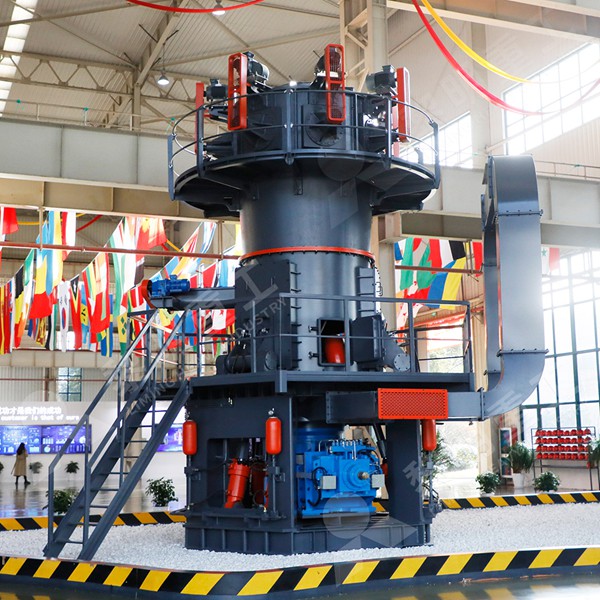
When the application requires fine to moderately fine kaolin powder, the classic Raymond Mill and its advanced successor, the MTW European Type Trapezium Mill, are highly effective. The MTW mill, in particular, incorporates patented technology that enhances stability and productivity. Its grinding system, comprising a ring and rollers, creates a consistent particle size distribution. The closed-circuit airflow system, coupled with a high-precision separator, ensures that only particles meeting the target size are collected as finished product. This precise classification is vital for filter kaolin, as oversized particles can cause blinding, while excessive fines reduce permeability. The system's design, from the jaw crusher for initial size reduction to the pulse dust collector for environmentally clean operation, exemplifies a holistic approach to mineral processing.
For ultra-fine filter kaolin applications where sub-micron particles or specific surface area control can influence filtration dynamics, the MW Micro Powder Mill is the technology of choice. Leveraging advanced grinding technology, it can produce powders with fineness up to d97 ≤ 5μm. Its ability to adjust fineness between 325 to 3250 mesh provides unparalleled flexibility. The grinding principle, involving dozens of rollers rotating against a raceway ring, ensures gentle yet efficient size reduction, helping to preserve the crystalline structure of kaolin. This mill is particularly valuable for producing specialized filter aids where extreme fineness and high purity are required to manage the filtration of very fine suspensions or colloidal materials.
The ubiquitous Ball Mill remains a reliable workhorse for grinding filter kaolin, especially where a combination of impact and attrition grinding is desired. Its rotating chamber filled with grinding media (steel balls) is excellent for achieving a uniform grind. The product's particle shape from a ball mill can contribute to a more open and permeable filter cake structure. It is a versatile system capable of handling various feed sizes and is widely used in beneficiation and chemical industries. The key to its success in filter kaolin production lies in precise control over milling time, ball size distribution, and slurry density to achieve the desired particle size distribution for optimal permeability.
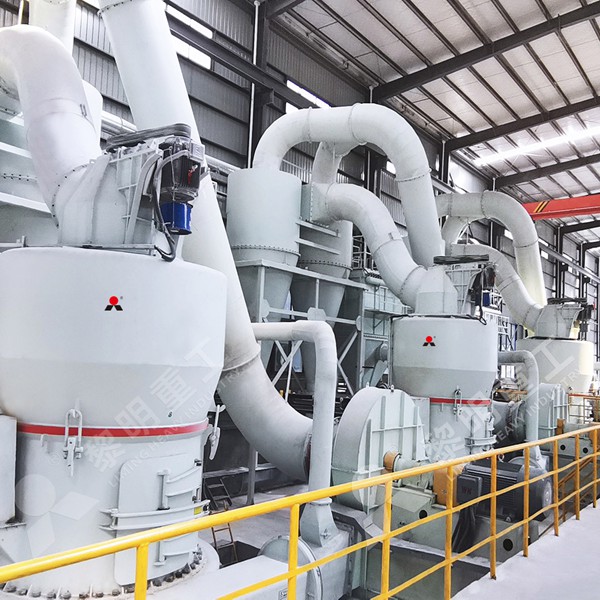
Selecting the optimal milling system from Liming Heavy Industry's portfolio requires a detailed analysis of the raw kaolin characteristics and the target filter aid specifications. Factors such as initial moisture content, desired final fineness, production capacity, and energy consumption goals must be considered. The company's philosophy of "production, learning and research" ensures that its technical team can support clients in configuring a complete grinding line—from primary crushing to final collection—that is tailored for filter kaolin permeability optimization. This collaborative, science-based approach transforms raw mineral processing into a precise engineering discipline, yielding filter aids that enhance efficiency in everything from chemical processing to water treatment.
FAQ
- What is the most important kaolin property for filtration applications?
While whiteness and chemical purity are important, the controlled particle size distribution (PSD) is paramount for determining permeability. A tailored PSD ensures high flow rates, good solids retention, and the formation of a porous, easily removable filter cake. - How does the LM Vertical Roller Mill improve filter kaolin production efficiency?
Its integrated design combines multiple unit operations, reducing energy loss and footprint. More importantly, its grinding mechanism and dynamic classifier allow for precise control over particle morphology and size, directly influencing the consistency and performance of the final filter aid product. - Can the same mill process kaolin for different filtration grades?
Yes, particularly mills with advanced classifiers like the MTW European Type Mill or the MW Micro Powder Mill. By adjusting classifier speed, airflow, or grinding pressure, the same mill can produce a range of products from standard to high-performance filter grades, offering great operational flexibility. - Why is a closed-circuit grinding system preferred for filter kaolin?
A closed circuit with an efficient separator (like in the MTW or LM mills) continuously recycles oversized particles back to the grinding zone. This ensures a sharp, narrow particle size distribution in the final product, which is critical for achieving predictable and optimal permeability. - How does Liming Heavy Industry support the specific needs of filter kaolin producers?
Relying on its mature scientific research team and modern management system, the company provides not just equipment but tailored system solutions. This includes process design consultation, testing services to determine optimal grinding parameters, and after-sales support to ensure the milling line consistently produces kaolin meeting precise permeability specifications.


